Support

Chau Doc

About

Chau Doc is a charming town nestled in the south of Vietnam, right on the picturesque banks of the mighty Mekong River. Its unique location, just a few kilometers from the Cambodian border, has endowed Chau Doc with a distinctive frontier atmosphere, where the traditions of the Vietnamese, Khmer, and Cham people harmoniously intertwine.

The city, which serves as the administrative center of An Giang province, has about 157,000 residents. There is no hustle and bustle of big megacities here; life flows at a measured pace, and local residents are known for their warmth and hospitality. Chau Doc often serves as a starting point for travels to Cambodia, but the town itself is well worth attention thanks to its unique character.

Chau Doc. Illustration.
Source: Kupi.com AI

Chau Doc attracts travelers with its authenticity and natural beauty. The outskirts of the city are endless emerald rice fields and a network of canals. Of particular interest are the floating villages—visiting them, as well as boat trips along the Mekong, provides unforgettable experiences. This is a wonderful opportunity to touch the unique culture of the Mekong Delta and the lifestyle of local residents, observing their daily life on the water.

If you are looking for a place to immerse yourself in an authentic atmosphere, enjoy natural beauty, and gain a unique cultural experience, Chau Doc will be a real discovery for you. This city in the Mekong Delta will surely leave you with the warmest and brightest memories of your journey through Vietnam.

You can find more interesting facts on the Chau Doc city history page.
Weather Overview

In Chau Doc, a tropical climate with high temperatures and humidity awaits you throughout the year. Expect hot weather year-round, with peak temperatures in March and April, when the thermometer can rise above 34°C. The most comfortable, though still warm, weather with average temperatures around 26-27°C occurs in December and January. The city has a distinct wet season that lasts from May to October, bringing frequent and sometimes heavy rains. The dry season, with minimal precipitation, falls between December and March, with February typically being the driest month. To get a more detailed idea of weather conditions, you can check out the in-depth information on the Chau Doc climate page.

Average monthly temperature

Average monthly precipitation

Interesting Facts

Beyond its well-known attractions, Chau Doc hides many surprising stories and cultural features that make it a truly unique place. Ready to learn a few little-known facts about this colorful city on the Cambodian border?

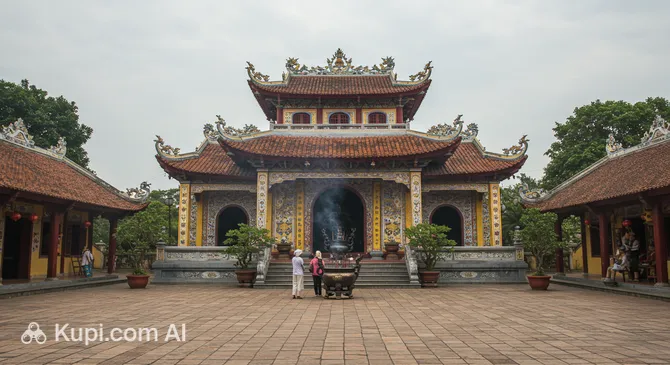
Ba Chua Xu Temple. Illustration.
Source: Kupi.com AI

Traveler photos:

  • A Cultural Kaleidoscope: Chau Doc is a true melting pot of cultures. Vietnamese, Khmer, Chinese, and Cham people live here side by side. The latter are particularly notable for their identity: the Cham practice Islam, and you can find their mosques in the city, as well as traditional stilt houses, which creates a unique flavor.

  • A City on the Water and Home of Basa Fish: One of Chau Doc's hallmarks is its floating villages and fish farms, where the famous Basa fish is raised in special cages directly under the houses. This delicacy is known far beyond Vietnam, and the city even has a Basa Fish Statue, symbolizing the importance of this industry for the region.

  • The Pilgrimage Heart of Southern Vietnam: Every year, Chau Doc becomes a center of attraction for thousands of believers from all over the country and abroad thanks to the grand festival at the Ba Chua Xu Temple on Sam Mountain. This ritual, dedicated to the Lady Protector of the region, is one of the most significant religious events in southern Vietnam.

  • Legends of Old Markets and Trade Routes: The city is steeped in legends of ancient trade routes where caravans from Cambodia and China brought their goods, and of bustling floating markets where trade once thrived. Even today, visiting places like the Chau Long Market, you can feel the echoes of this rich trading past and find unique local products.

How to Get There

Since Chau Doc is located deep in the Mekong Delta, there is no direct air service to the city. Travelers will need to take a combined route: a flight to one of the region's major transport hubs followed by a trip by bus or taxi. To plan your trip as efficiently as possible, we recommend exploring all ways to get to the city, including river routes and bus services.

The most convenient option for traveling within Vietnam is Can Tho Airport (IATA: VCA). There is no airport in the city of Chau Doc itself, but you can fly to this regional hub in Can Tho, which is about 95 km from Chau Doc. The journey from there by taxi or bus will take about 2 hours 45 minutes. This is an excellent choice if you are already in Vietnam and want to shorten your travel time on the ground.

For international tourists, the main gateway is usually Tan Son Nhat (IATA: SGN)—the country's largest airport. It is located in Ho Chi Minh City, at a distance of 169.3 km from Chau Doc. The journey from the airport to the city by road will take approximately 4 hours 35 minutes. Despite the distance, most international flights arrive here, and there is a well-established regular bus service to all provinces of the Delta.

It is also worth noting the geographic proximity of Phnom Penh International Airport (IATA: PNH) in Cambodia. It is located in Phnom Penh, just 97.8 km from Chau Doc. The trip takes about 2 hours 50 minutes (excluding time for border crossing), making it an interesting option for those combining a visit to two countries.

For clarity, here is summary information on the main airports:

AirportPassenger trafficDistance
Can Tho Airport1.3 mln95 km
Phnom Penh International Airport2.5 mln98 km
Phu Quoc Airport4.1 mln136 km
Sihanouk International Airport55 000162 km
Ca Mau Airport200 000169 km

There is no direct rail link to Chau Doc, so trains are not the primary way to reach the city. The nearest stations are at a significant distance, and tourists will have to transfer to a bus or taxi to complete the journey in any case.

In the absence of trains and direct flights, intercity buses and private transfers remain the main way to get to Chau Doc. Comfortable "sleeper buses" regularly depart from Ho Chi Minh City (Mien Tay bus station), allowing you to cover the distance in comfort. Additionally, a unique and scenic way to arrive in Chau Doc is by water transport: high-speed boats on the Mekong River run daily between Chau Doc and Phnom Penh (Cambodia), turning the transfer into an exciting excursion.

Main Attractions

Chau Doc, located in An Giang province, offers tourists a unique combination of cultural, historical, and natural attractions. Situated near the border with Cambodia, this city is an important pilgrimage center and attracts visitors with its authentic atmosphere and picturesque landscapes.

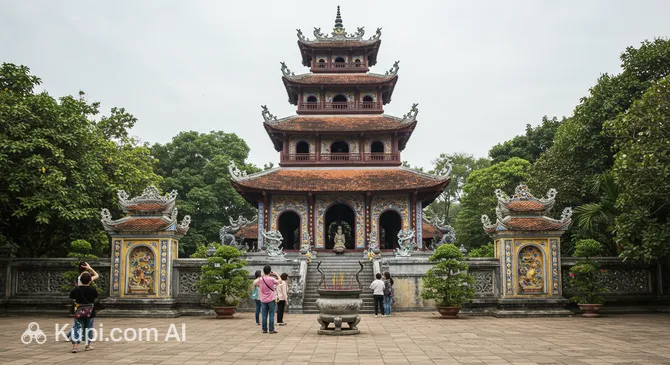
One of the main shrines, not only in Chau Doc but in all of Vietnam, is the Ba Chua Xu Temple. Located at the foot of Sam Mountain, this temple is dedicated to the Lady Protector of the region. Every year, thousands of pilgrims flock here, especially during the major festival in the fourth lunar month. The temple impresses with its architecture and is an important site for understanding local beliefs and traditions.

Ba Chua Xu Temple. Illustration.
Source: Kupi.com AI

Traveler photos:

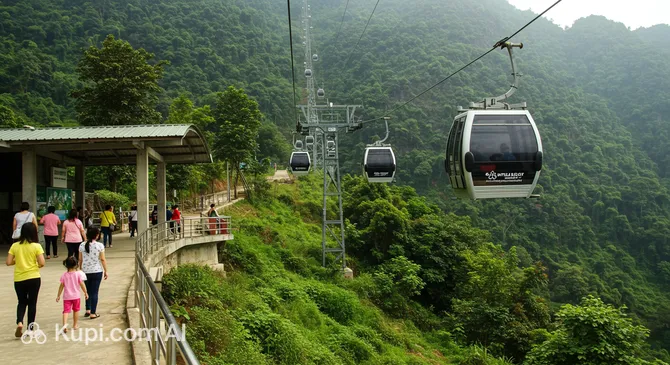
Sam Mountain itself is a significant attraction, and you can reach its summit and other shrines located on its slopes using the Sam Mountain Cable Car. The cable car ride offers breathtaking panoramic views of the surrounding rice fields, the city, and the Mekong Delta. It is not only a convenient way to get around but also an opportunity to enjoy the beauty of the region from a bird's-eye view.

Sam Mountain Cable Car. Illustration.
Source: Kupi.com AI

Traveler photos:

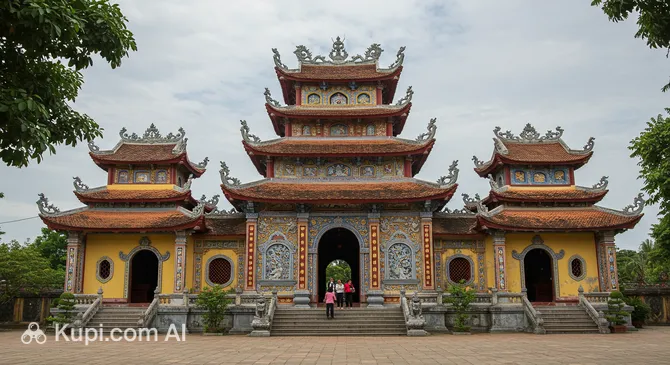
Near the Ba Chua Xu Temple is the Tay An Pagoda, known for its unique architecture that combines Vietnamese and Indian motifs. This ancient pagoda, built in the mid-19th century, draws attention with its bright colors and numerous Buddha statues. It is one of the most beautiful and revered Buddhist temples in the region.

Tay An Pagoda. Illustration.
Source: Kupi.com AI

Traveler photos:

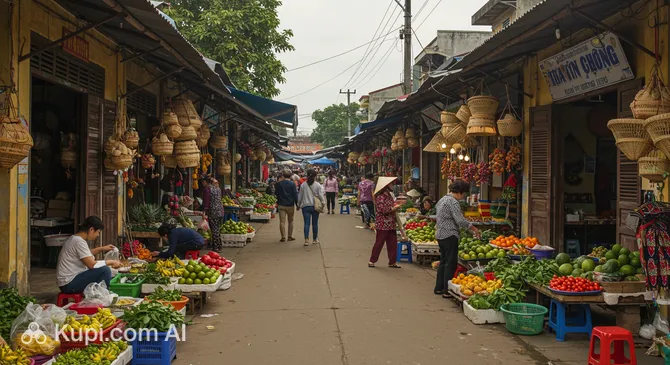
To dive into local life and color, it's worth visiting the Chau Long Market. This is a lively place where you can find fresh fruits, vegetables, seafood, local delicacies, as well as handicrafts and souvenirs. The market is the center of city trade and an excellent place to observe the daily life of Chau Doc residents.

Chau Long Market. Illustration.
Source: Kupi.com AI

Traveler photos:

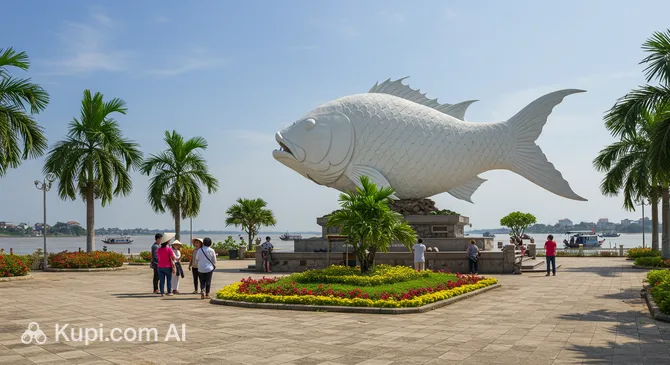
An interesting symbol of the region is the Basa Fish Statue installed in the city. Basa fish (pangasius) is an important aquaculture product in the Mekong Delta, and this statue pays tribute to the local fishing industry, which plays a significant role in the economy of Chau Doc and its surroundings.

Basa Fish Statue. Illustration.
Source: Kupi.com AI

Traveler photos:

Local Cuisine

The gastronomy of Chau Doc is a vivid reflection of the culture and nature of the Mekong Delta, offering tourists a true culinary adventure. Local cuisine is famous for the freshness of its ingredients, especially river fish, and unique flavor combinations that are hard to find elsewhere in Vietnam.

Be sure to try Chau Doc's signature dishes. Among them is "ca kho to"—catfish braised in a clay pot until caramelized, possessing a rich sweet-and-salty taste. Another iconic dish is "banh hoi", which consists of thin woven sheets of rice vermicelli served with fresh herbs, fried onions, pieces of meat or fish, and a savory fish sauce. But perhaps the most authentic delicacy is "mam"—fermented fish or shrimp with a very intense aroma and flavor, used as a seasoning or main ingredient in many dishes, including the famous "bun mam" soup.

The food culture in Chau Doc is very democratic. Local residents and tourists alike enjoy eating in small family restaurants as well as right on the street, where numerous stalls offer a huge selection of dishes. Street food here is not just a quick snack, but an important part of the gastronomic experience: from fragrant skewers and fresh spring rolls to traditional pho soup, which is prepared in a special way in this region. To immerse yourself in the atmosphere of local trade and try the freshest products and prepared dishes, you should visit the Chau Long Market. For those who prefer a quieter setting, the city also has restaurants offering both traditional Vietnamese dishes and vegetarian options, such as the Hoa An Vegetarian Restaurant.

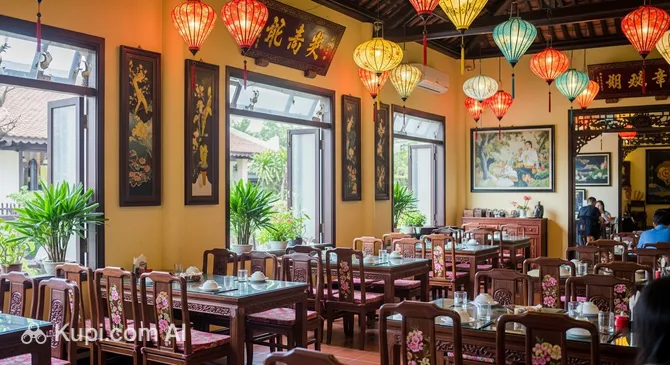
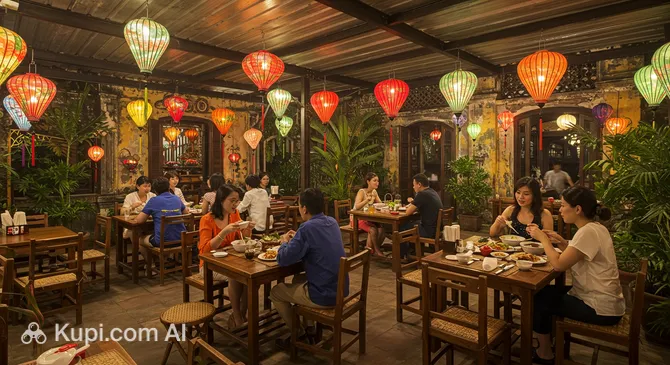
Hoa An Vegetarian Restaurant. Illustration.
Source: Kupi.com AI

Traveler photos:

Regarding drinks, in Chau Doc, as throughout Vietnam, iced coffee with condensed milk known as "ca phe sua da" is popular, along with freshly squeezed juices from exotic fruits like mango, passion fruit, and sugar cane. You can also quench your thirst with green tea, which is served everywhere, or local beer. Rice wine is also found among alcoholic beverages.

Travel Tips

Planning a trip to Chau Doc, a colorful city in Vietnam known for its shrines and proximity to the Mekong Delta? To ensure your journey goes smoothly and leaves only pleasant impressions, we have prepared some practical tips.

  1. Clothing and Essentials: Chau Doc has a tropical climate, so choose light, breathable clothing made from natural fabrics. T-shirts, shorts, light trousers, and sundresses are ideal. During the rainy season (May to October), don't forget a raincoat or umbrella. Be sure to bring sunscreen, a hat, and sunglasses. A key point is comfortable walking shoes, such as sandals or light sneakers. Modest clothing covering shoulders and knees is required for visiting temples like the Ba Chua Xu Temple or Tay An Pagoda. Don't forget a travel adapter (types A and C are used in Vietnam, less often G).
  2. Local Transport: Getting around Chau Doc is most convenient by motorbike taxi (xe om)—it's a popular and inexpensive way, but always agree on the price beforehand. Regular taxis are also available; you can use ride-hailing apps like Grab if they operate in the region. Public transport in the form of buses exists but can be difficult for tourists to use. Motorbike rental is possible but requires driving experience and the appropriate license. For short distances, walking or cycling is perfect.
  3. Finances: The local currency is the Vietnamese Dong (VND). You can exchange money at banks or official exchange offices; some hotels and jewelry stores also offer this service, but the rate may be less favorable. Credit cards (Visa, Mastercard) are accepted in major hotels and some restaurants, but cash is preferred for markets, street food, and small shops. There are ATMs in the city, but it's better to use those located at banks. An estimated daily budget can be 600,000 - 1,200,000 VND (25-50 USD) per person, excluding accommodation. Tipping is not mandatory but welcomed (5-10% in restaurants, small amounts for guides and drivers).
  4. Health and Safety: There are pharmacies in Chau Doc, but the selection may be limited, and staff don't always speak English. It is recommended to carry a basic first-aid kit with necessary medications. For serious health issues, you may need to visit clinics in larger cities. Be sure to take out travel insurance. Chau Doc is considered a relatively safe city. Observe standard precautions: watch your belongings in crowded places (markets, temples), don't carry large sums of money, and don't leave valuables unattended.
  5. Communication: The official language is Vietnamese. English is common in the tourism sector (hotels, large restaurants, guides), but overall proficiency among the local population is low. Learning a few simple phrases in Vietnamese will help: "Xin chào" (Sin chow)—Hello, "Cảm ơn" (Kam on)—Thank you, "Bao nhiêu tiền?" (Bow nyew tyen?)—How much does it cost? This will help greatly in communication. A SIM card with internet access can be bought upon arrival in Vietnam or at local mobile shops. Wi-Fi is usually available in hotels and many cafes.
  6. Local Etiquette: Vietnamese people are friendly and polite. You can greet people with a slight nod and a smile. It is customary to remove shoes when entering temples and private homes. Show respect to elders. Avoid touching people's heads, as the head is considered a sacred part of the body. Try not to speak too loudly in public places.
  7. What to Avoid: Do not photograph locals, especially monks or during religious ceremonies, without their prior permission. Also, try not to raise your voice or show aggression in disputes; Vietnamese value calmness and politeness.
  8. Special Advice: Chau Doc is not just a border town but a place with a unique atmosphere. Be sure to visit Sam Mountain (Núi Sam) with its numerous pagodas and temples, offering a magnificent view of the surroundings. Try the local cuisine, especially fish dishes and the famous "bun ca" noodle soup. Early in the morning, visit the local market to feel the authentic flavor of the Mekong Delta.

We hope these tips help you better prepare for your trip to Chau Doc and enjoy every moment of your stay in this amazing corner of Vietnam. We wish you unforgettable impressions and bright discoveries!

Entertainment & Nightlife

Chau Doc offers its guests a calm and authentic evening atmosphere, distinct from noisy megacities. Here, nightlife is centered around local markets, cozy restaurants, and cafes where you can spend a pleasant time enjoying local cuisine and watching the slow flow of life.

One of the centers of evening activity is the Chau Long Market. As dusk falls, it comes alive, offering visitors a variety of street food, fresh fruits, and local delicacies. The atmosphere here is very colorful: the smells of cooking food, the hubbub of vendors and buyers create a unique feeling of immersion in local culture. This is a great place to try authentic Vietnamese food at affordable prices. The market usually operates until late in the evening.

While there isn't a wide selection of noisy nightclubs or European-style bars in Chau Doc, you will find several pleasant places for dinner and evening relaxation. For example, the Chau Pho Hotel Restaurant offers local and international cuisine in a comfortable setting. Another option is the Hoa An Vegetarian Restaurant, where you can enjoy delicious and healthy dishes. Many restaurants are located along the waterfront or central streets, offering a pleasant view and a relaxing atmosphere. The crowd here is mostly local, along with tourists looking for quiet rest. The dress code is usually casual.

Chau Pho Hotel Restaurant. Illustration.
Source: Kupi.com AI

Traveler photos:

Practical tips for evening Chau Doc:

  • Time: The best time to visit the night market and restaurants is from 6:00 PM to 9:00 PM or 10:00 PM. Some establishments may stay open longer, especially on weekends.
  • Prices: Prices for food and drinks in Chau Doc are quite moderate, especially at street markets.
  • Transport: At night, it is most convenient to move around the city by taxi or motorbike taxi (xe om). It is recommended to agree on the price in advance or use companies with meters. Taxi-hailing apps may also be available.
  • Safety: Chau Doc is considered a relatively safe city. However, as elsewhere, basic precautions should be observed: keep an eye on your belongings and avoid poorly lit or deserted streets late at night. Walks along the central streets and the waterfront in the evening are usually safe.

During the day, Chau Doc offers many interesting places to visit. You can explore the famous Ba Chua Xu Temple, climb Sam Mountain for breathtaking views (the Sam Mountain Cable Car is available), visit the picturesque Huynh Dao Pagoda and Tay An Pagoda, or take a photo at the Basa Fish Statue. These attractions allow for a deeper acquaintance with the culture and history of the region.

Parks & Museums

Chau Doc invites travelers to immerse themselves in an atmosphere of spirituality and enjoy picturesque landscapes where cultural heritage is closely intertwined with natural beauty. While the city may not have traditional parks in the European sense, its surroundings and shrines offer unique opportunities for relaxation and discovery.

The main natural and spiritual landmark of Chau Doc is Sam Mountain (Núi Sam). This is not just a mountain, but a whole complex of temples, pagodas, and caves that attract pilgrims and tourists. You can ascend to the top on foot, enjoying the views, or use the Sam Mountain Cable Car, which is an exciting adventure in itself and allows you to appreciate the panorama of the surroundings from above.

Sam Mountain Cable Car. Illustration.
Source: Kupi.com AI

Traveler photos:

Instead of traditional museums, the history and culture of Chau Doc are preserved in its numerous religious buildings. One of the most significant is the Ba Chua Xu Temple, dedicated to a revered local goddess. This pilgrimage site is known for its lively atmosphere, especially during the annual festival.

Ba Chua Xu Temple. Illustration.
Source: Kupi.com AI

Traveler photos:

No less interesting is the Tay An Pagoda, located at the foot of Sam Mountain. It stands out for its unique architecture, combining Vietnamese and Indian motifs, and is one of the oldest pagodas in the region. It is a wonderful place for peace and getting acquainted with Buddhist traditions.

Tay An Pagoda. Illustration.
Source: Kupi.com AI

Traveler photos:

Also worth visiting is the Huynh Dao Pagoda, another important spiritual site that attracts with its beauty and tranquility. It offers an opportunity to better understand the religious life of the region.

Huynh Dao Pagoda. Illustration.
Source: Kupi.com AI

Traveler photos:

Among other interesting objects is the Basa Fish Statue, symbolizing the importance of fishing to the local economy. This is a popular spot for photos and a reminder of the region's gastronomic traditions. To feel the authentic atmosphere of the city, look into the Chau Long Market. Here you can find fresh produce, local delicacies, and souvenirs, as well as observe the daily life of the townspeople.

Basa Fish Statue. Illustration.
Source: Kupi.com AI

Traveler photos:

Chau Long Market. Illustration.
Source: Kupi.com AI

Traveler photos:

For a deeper immersion into the atmosphere of Chau Doc, stroll along the waterfront or take a boat tour on the river to see the floating houses and villages. Also, on the slopes of Sam Mountain, you can find lesser-known but equally picturesque small temples and caves where silence and solitude reign.

Getting Around

Chau Doc, being a bustling city in the Mekong Delta region, offers several convenient ways to get around for both locals and tourists. Although there is no metro or tram system, the transport network is well-adapted to local conditions, making movement around the city and its surroundings fairly simple.

The main form of public transport in Chau Doc is buses. They run on various routes, connecting the city center with its outskirts and nearby settlements. It is best to check schedules and routes on-site, for example, at your hotel or with locals, as information may not always be available online. Payment is usually made in cash directly to the conductor or driver upon boarding. Fares are generally low, costing a few thousand dong. It is recommended to carry small bills for ease of payment. Buses typically operate during daylight hours.

A very popular and flexible means of transport is motorbike taxis, known in Vietnam as "xe om." Motorbike taxi drivers can be found almost everywhere. This is a great way to quickly reach your destination, especially for short and medium distances, bypassing potential congestion. A trip by motorbike taxi around the city, depending on the distance, can cost approximately 20,000 to 70,000 dong. A key point: always agree on the price of the trip before it starts. Also, ensure the driver provides you with a helmet.

For more comfortable journeys, especially if you are traveling with luggage or in a small group, taxi services are available. They can be found at major hotels, markets, and popular tourist sites. It is preferable to use official taxi companies and ensure the driver turns on the meter. A taxi ride will be more expensive; the approximate initial cost is about 10,000 - 15,000 dong for the flag-down, followed by a metered rate per kilometer (e.g., about 12,000 - 16,000 dong per km). In some cases, mobile taxi apps may be available, providing transparent rates and booking convenience.

Among alternative ways to get around, bicycle or motorbike rentals are worth mentioning. This is a good option for independently exploring the city and its picturesque surroundings at your own pace. Many hotels and guest houses offer such services. The central part of Chau Doc is also quite suitable for walking, allowing for better immersion into the local atmosphere. Given the city's location in the Mekong Delta, for some excursions—such as to floating markets or canal tours—the main transport will be boats.

A few practical tips for tourists: always have enough cash in the local currency, as not all transport types and locations accept bank cards. If you are unsure about a route or cost, don't hesitate to ask. Having the name of your destination written in Vietnamese beforehand can significantly facilitate communication with drivers who do not speak other languages.

Accommodation

When planning a trip to Chau Doc, you will find a variety of accommodation options suitable for different budgets and preferences. The city offers mainly guest houses (nha nghi), small hotels, and a few mid-range establishments. There are few luxury resorts here; the focus is on more affordable and authentic stays, reflecting the city's character as an important pilgrimage center and a starting point for exploring the Mekong Delta.

For the convenience of tourists, it is recommended to choose accommodation in the central part of Chau Doc, from where it is easy to reach the waterfront, the market, and major restaurants. Another popular area to stay is the vicinity of Sam Mountain, where many famous temples and pagodas are concentrated, such as the Ba Chua Xu Temple and Tay An Pagoda. This is particularly convenient for those arriving for pilgrimage purposes or who want to enjoy the calm atmosphere at the foot of the mountain.

Although specific famous hotels are not mentioned in the provided data, in Chau Doc, you can find many options from simple and clean rooms in family guest houses to more comfortable hotel rooms with basic amenities. The choice depends on your preferences and budget.

As for booking, in Chau Doc, as in many tourist spots in Vietnam, it is recommended to book accommodation in advance, especially if your trip coincides with major local festivals (such as the Ba Chua Xu festival in spring) or the high tourist season. At other times, you can usually find available options on-site, but pre-booking will save you unnecessary hassle.

The price range for accommodation in Chau Doc can generally be described as budget and mid-range. You can find a suitable option through popular online booking platforms, local travel agencies, or by contacting your preferred hotel or guest house directly. Many establishments also accept bookings by phone.

Nearby Cities

For those looking to explore the surrounding area, Chau Doc serves as an excellent starting point for day trips to several interesting nearby locations:

CityPopulationDistance
An Phu11 10810 km
Phu Vinh11 km
Tan Chau184 12918 km
Hong Ngu101 15528 km
Ba Chuc13 12233 km

Each of these cities offers its own unique experiences and is worth considering when planning day trips from Chau Doc:

  • Can Tho: Immerse yourself in the atmosphere of the largest city in the Mekong Delta by visiting its famous floating markets, such as Cai Rang, and strolling along the lively waterfront. This is a great opportunity to get acquainted with authentic life on the water and local cuisine.
  • Long Xuyen: Discover the daily life of the capital of An Giang province by visiting local markets, pagodas, and the less crowded Long Xuyen floating market. The city offers an authentic look at regional culture and lifestyle.
  • Rach Gia: This coastal city is an important transport hub and is interesting for its waterfront, the unusual architecture of the Nguyen Trung Truc temple, and the chance to experience the region's coastal culture.
  • Sa Dec: A charming city known for its colorful flower nurseries, especially leading up to the Tet holiday, and its colonial architecture, including the famous Huynh Thuy Le house from the novel "The Lover." Ideal for a romantic and historical walk.
  • Cao Lanh: Enjoy the beauty of endless lotus fields and visit nature reserves like Tram Chim, home to many bird species. This city is a wonderful choice for nature lovers and those seeking peaceful relaxation.

These nearby destinations provide an overview of the diverse culture and landscapes of the Mekong region. Each trip promises new impressions, whether it's lively markets, tranquil pagodas, or picturesque river scenery.

Shopping & Souvenirs

Shopping in Chau Doc is an immersion into the authentic atmosphere of a Vietnamese border town, where the main focus is on local markets and traditional goods rather than modern shopping centers. The city is famous for products from the Mekong Delta region, especially various types of fish sauce (mam), dried fish, and local sweets.

The main center of trade in Chau Doc is its central market and the surrounding streets. Here you can find many shops offering a wide range of goods—from fresh produce and prepared food to clothing, household items, and souvenirs. A walk through these lively trading rows is an interesting experience in itself.

There are no large modern shopping centers in the European sense in Chau Doc. Shopping here is more traditional, focused on street trade and markets. This gives the city a special flavor and allows tourists to purchase unique local goods.

The most famous and colorful place for shopping is the Chau Long Market. This is a large and bustling market where you can find practically everything: fresh fruit, vegetables, meat, fish (including the famous basa fish, for which a Basa Fish Statue has even been erected in the city), spices, as well as clothing, fabrics, and souvenirs. The market is particularly lively in the morning when locals do their daily shopping. It is an excellent place to observe the daily life of citizens and try local delicacies.

Chau Long Market. Illustration.
Source: Kupi.com AI

Traveler photos:

As souvenirs from Chau Doc, it is worth bringing back the famous "mam" fish sauce, especially its local varieties like "mam thai" (mắm thái). Also popular are dried fish, palm sugar products, local fabrics (such as silk or cotton with traditional patterns), and of course, the classic Vietnamese conical "non la" hats. Around temples like the Ba Chua Xu Temple, you can find small souvenir shops with religious attributes and incense.

Ba Chua Xu Temple. Illustration.
Source: Kupi.com AI

Traveler photos:

Most shops and markets in Chau Doc open early in the morning, around 6:00-7:00 AM, and work until evening, around 5:00-6:00 PM. Some small shops may close for a lunch break. The main means of payment, especially in markets and small shops, is cash in Vietnamese Dong (VND). Credit cards may be accepted in some hotels and larger stores, but it is best to always have enough cash on hand.

The possibility of a tax refund (Tax Free) for tourists in Vietnam exists, but it usually applies to purchases made in large participating stores and is processed upon departure from the country's international airports. In the small shops and markets of Chau Doc, such a service is generally not provided.

Reached the end of the page?

That means the route is fully explored