Support

Ha Tien

About

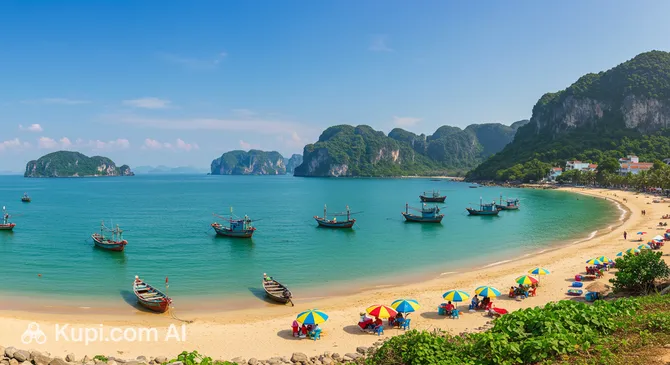
Ha Tien is a real treasure for travelers dreaming of discovering Vietnam from an unexpected side. This charming town is nestled in the southwest of the country, right on the border with Cambodia, on the picturesque shores of the Gulf of Thailand. Its unique location has gifted Ha Tien incredible landscapes where rivers and bays meet low-lying mountains, mysterious lagoons, and a scattering of islands.
Ha Tien. Illustration.
Source: Kupi.com AI

With a population of about 47,000 people, Ha Tien maintains an atmosphere of comfort and leisure, far from the hustle and bustle of major metropolises. It is an intimate town where everyone can find their own rhythm for relaxation. Administratively, Ha Tien is an important port center of Kien Giang province and serves as a convenient starting point for trips to the famous Phu Quoc Island or neighboring Cambodia.

The main charm of Ha Tien lies in its unique atmosphere and cultural diversity. Here, Vietnamese, Khmer, and Chinese traditions are harmoniously intertwined, and old streets still bear traces of the colonial past. Among the key features that attract tourists here are the stunning natural landscapes, ideal for photography and leisurely walks, as well as the opportunity to try the freshest seafood straight from the Gulf of Thailand.

Ha Tien seems to invite you to slow down, enjoy the sound of the surf, explore local markets, and immerse yourself in authentic culture. This town is an ideal choice for those who value authenticity, natural beauty, and historical mysteries, seeking to discover less-explored corners of Southeast Asia.

You can find more interesting facts on the history of Ha Tien page.
Weather Overview

The weather in Ha Tien is characterized by a tropical climate with high humidity and consistently high temperatures throughout the year. The average annual temperature stays around 27-28°C. Expect hot weather with temperatures ranging from minimums of 23-26°C at night to maximums of 29-32°C during the day. The city has a distinct dry season during the winter and early spring months (roughly from December to April), when rainfall is minimal, especially in January and February. The wet season lasts from May to November, bringing more frequent, though not always heavy, rain; the peak number of rainy days occurs from May to October. For more detailed information, you can visit the Ha Tien Climate page.

Average monthly temperature

Average monthly precipitation

Interesting Facts

Beyond its picturesque landscapes and proximity to popular islands, Ha Tien holds many amazing stories and little-known facts. This town on the border with Cambodia can surprise even the most seasoned traveler.

Phu Dung Pagoda. Illustration.
Source: Kupi.com AI

Traveler photos:

  • An unexpected founder: Ha Tien was founded in the early 18th century not by a Vietnamese ruler, but by a Chinese immigrant named Mac Cuu. He received these lands from the Vietnamese emperor in exchange for a promise to protect the region from pirates, and his dynasty independently ruled the town for over a hundred years, leaving behind a significant historical legacy.

  • Cave temple from legends: One of the most mysterious attractions in Ha Tien is the Thach Dong Cave Pagoda. According to local legends, it was in this cave, hidden among the rocks, that the heroes of ancient Vietnamese folk tales found refuge.

  • City of many pagodas: Ha Tien is often called the "city of pagodas" due to the abundance of these sacred structures, which are not only places of worship but also important cultural centers. Bright examples of such architecture and local spirituality are the Phu Dung Pagoda and the Tam Bao Pagoda.

  • Living Khmer heritage: Cultural traditions of the Khmer people are still strong in Ha Tien and its surroundings. Colorful festivals take place here annually, where you can see authentic Khmer dances and try unique local dishes that are hard to find in other regions of Vietnam.

How to Get There

Ha Tien, located on the shores of the Gulf of Thailand, is an important transport hub connecting mainland Vietnam with Phu Quoc Island and neighboring Cambodia. Despite the absence of its own airport and railway station, you can get here in various ways, combining flights with land or water transport. You can learn more about how to get to Ha Tien by studying the available routes and choosing the most convenient one for you.

There is no airport in the town of Ha Tien itself, so travelers usually use the air harbors of neighboring cities or Phu Quoc Island. The closest to the town is Phu Quoc Airport (IATA: PQC), located on the eponymous island, about 58 km away in a straight line. However, keep in mind that the journey from there includes a ferry crossing, which adds time to the trip but offers picturesque views. This airport has international status and receives many flights.

For those who prefer traveling by land, a convenient option might be flying into Can Tho Airport (IATA: VCA), located in Can Tho city, about 139 km from Ha Tien. A trip by taxi or private transfer from there will take about 3.5–4 hours. The largest and most popular transport hub remains Tan Son Nhat International Airport (IATA: SGN) in Ho Chi Minh City. Despite being 242 km away, it offers the largest number of flights. The road from Ho Chi Minh City to Ha Tien by car or bus will take about 6–7 hours.

For clarity, here is a summary of the main airports:

AirportPassenger trafficDistance
Phu Quoc Airport4.1 mln58 km
Sihanouk International Airport55 00095 km
Phnom Penh International Airport2.5 mln135 km
Can Tho Airport1.3 mln139 km
Ca Mau Airport200 000153 km

There is no direct rail link to Ha Tien, and trains are not the primary way to reach this region. The nearest major railway station is in Ho Chi Minh City, from where tourists will still have to transfer to an intercity bus or taxi to cover the remaining distance to the coast. Therefore, bus services are the most developed and popular form of land transport for trips to Ha Tien from other provinces in Vietnam.

Main Attractions

Ha Tien, cozily situated on the coast, offers its guests several interesting places that combine cultural heritage and local flavor. Although the town is not overcrowded with tourist sites, there is plenty for the curious traveler to see.

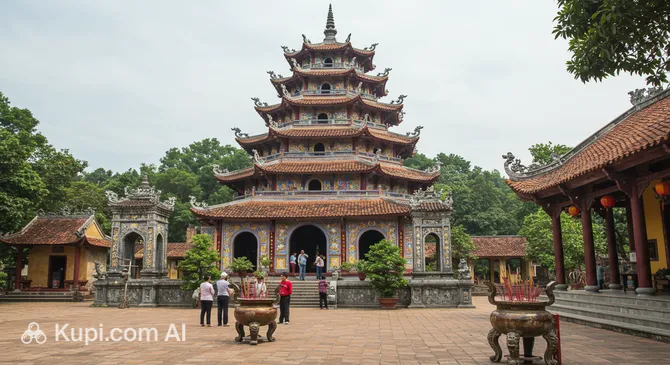
One of the iconic landmarks of Ha Tien is the Phu Dung Pagoda. This ancient Buddhist temple attracts visitors with its peaceful atmosphere and traditional architecture. Tourists visit it to touch the local spiritual culture, enjoy the tranquility, and take beautiful photos against the backdrop of its picturesque buildings.

Phu Dung Pagoda. Illustration.
Source: Kupi.com AI

Traveler photos:

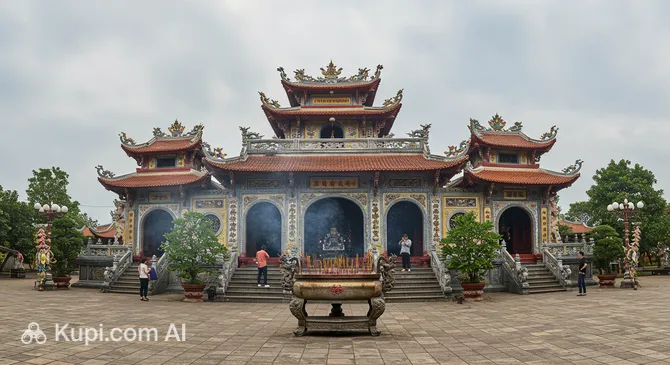
Another important spiritual site is the Tam Bao Pagoda. It is known for its history and is an active temple where you can observe the rituals and daily life of monks. This place will be of interest to those who want to gain a deeper understanding of Vietnam's Buddhist traditions and see authentic religious life.

Tam Bao Pagoda. Illustration.
Source: Kupi.com AI

Traveler photos:

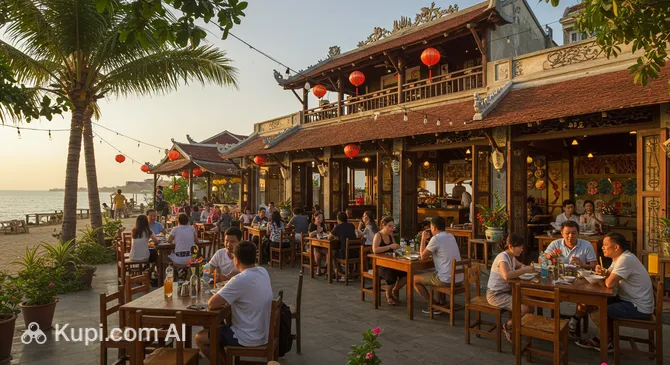
In addition to cultural and spiritual attractions, you can get acquainted with the local cuisine in Ha Tien. Aquaki - Quoc Hoa Restaurant offers visitors a variety of dishes, allowing them to appreciate the gastronomic features of the region. It is a great place to relax and enjoy a delicious dinner after a day of exploring the town.

Aquaki - Quoc Hoa Restaurant. Illustration.
Source: Kupi.com AI

Traveler photos:

Local Cuisine

The gastronomy of Ha Tien is a true feast for foodies, dominated by the freshest seafood and influenced by both Vietnamese and Khmer culinary traditions. The local cuisine will give you an explosion of flavors and aromas, making your journey unforgettable.

Be sure to try Bun Ken (bún kèn) — it is the signature dish of Ha Tien. This fragrant fish soup with coconut milk, fresh herbs, and crispy noodles is a unique local specialty. Also, you cannot miss various grilled seafood: fresh shrimp, squid, mussels, and oysters, often prepared with garlic and lime. Another dish worth tasting is Khmer pancakes with fish and coconut filling, borrowed from neighboring Cambodian cuisine.

As for drinks, in Ha Tien, as in all of Vietnam, refreshing freshly squeezed juices from exotic fruits, coconut water directly from young coconuts, and, of course, the famous Vietnamese coffee (cà phê sữa đá) are popular. Among alcoholic beverages, you can try local beer.

The dining culture in Ha Tien is very democratic. Locals and tourists alike enjoy eating in small family restaurants as well as right on the street, where real gastronomic extravaganzas unfold in the evening with the scents of fried seafood and spices. Local markets are an adventure in themselves, where you can not only buy fresh produce but also try street food. One of the places where you can enjoy local cuisine in a comfortable setting is Aquaki - Quoc Hoa Restaurant.

Aquaki - Quoc Hoa Restaurant. Illustration.
Source: Kupi.com AI

Traveler photos:

Ha Tien attracts tourists with its authentic gastronomy based on fresh sea bounty and a unique blend of cultures. The vivid flavors of local dishes such as Bun Ken and grilled seafood, colorful markets, and lively street food make this city a must-visit point on the gastronomic map of Vietnam. Throughout the year, small but very atmospheric food festivals take place here, where you can dive deeper into the region's culinary traditions.

Travel Tips

Planning a trip to the colorful border town of Ha Tien? To ensure your trip goes smoothly and leaves only pleasant impressions, we have prepared some practical tips. They will help you better navigate the area and enjoy the unique atmosphere of this corner of Vietnam.

  1. Clothing and Essentials:

    A tropical climate prevails in Ha Tien, so choose light, breathable clothing made of natural fabrics. Don't forget a hat, sunscreen, and insect repellent. Comfortable shoes are extremely important for walking around the city and its surroundings, especially if you plan to visit caves. Rain is possible from May to October, so a light raincoat or umbrella will be handy. When visiting pagodas and temples, choose clothing that covers your shoulders and knees. Don't forget a universal adapter for electronics (types A, C, and G sockets are used in Vietnam).

  2. Getting Around the City:

    Ha Tien is a relatively small town, and the most popular way to get around here is by motorbike taxi (xe om) or renting a scooter. This will give you the freedom to explore. Taxis exist, but they are fewer than in major cities; it's better to agree on the fare in advance. Public transport in the form of city buses is poorly developed, but intercity buses connect Ha Tien with other regions. Car rental for tourists is not very common and less practical than a scooter.

  3. Financial Matters:

    The local currency is the Vietnamese Dong (VND). You can exchange money at banks or official exchange offices; avoid street money changers. Credit cards are accepted in large hotels and some restaurants, but cash will be your primary means of payment, especially in markets and small establishments. There are ATMs in the city. Vietnam is an affordable country; an approximate daily budget in Ha Tien could be 600,000 - 1,200,000 VND (about 25-50 USD), excluding expensive accommodation. Tipping is not mandatory but is always welcomed for good service.

  4. Health and Safety:

    There are pharmacies in the city, but it's better to bring a first-aid kit with basic medicines. Be sure to take out medical insurance before your trip. Drink only bottled water. Ha Tien is considered a fairly safe city, but standard precautions won't hurt: keep an eye on your belongings, especially in crowded places, and don't leave valuables unattended. In the evening, try to avoid poorly lit and deserted streets.

  5. Communication and Connectivity:

    The official language is Vietnamese. English may be understood in hotels and tourist restaurants, but generally, its knowledge is not widespread. Learn a few simple phrases: "Xin chào" (Hello), "Cảm ơn" (Thank you), "Bao nhiêu tiền?" (How much does it cost?). Buying a local SIM card with internet access is very simple and inexpensive—it's the best way to stay connected. Wi-Fi is available in most hotels and cafes.

  6. Local Etiquette and Traditions:

    Vietnamese people are friendly and hospitable. Greet people with a light nod and a smile. Show respect for elders. Behave discreetly in public places and do not raise your voice. Before taking photos of locals, be sure to ask their permission. When visiting temples, behave quietly and respectfully.

  7. What to Avoid:

    Try not to touch upon political topics in conversations. Do not touch people's heads, as the head is considered a sacred part of the body. You should also not point at anyone or anything with your foot. If you eat with chopsticks, do not stick them vertically into rice—this is associated with funeral rituals.

  8. Special Tip for Ha Tien:

    Ha Tien is located near the border with Cambodia and is a gateway to some islands. If you have time, explore the possibility of visiting nearby islands or even taking a short trip to Cambodia (after checking visa requirements). Be sure to visit the local markets—it's a great place to try the freshest seafood, exotic fruits, and immerse yourself in the real life of the city. Don't hesitate to bargain, but do it politely and with a smile.

We hope these tips make your stay in Ha Tien even more pleasant and rewarding. We wish you unforgettable impressions of this amazing city in the south of Vietnam!

Entertainment & Nightlife

Ha Tien, a charming town in Vietnam, offers its guests a calm and authentic atmosphere that extends to its evening entertainment. Here you won't find noisy districts with neon signs and loud music until morning like in major metropolises, but you can enjoy a pleasant evening with local flavor.

Nightlife in Ha Tien is mainly concentrated around the central streets and the waterfront. As darkness falls, local cafes and restaurants come alive, offering Vietnamese cuisine. It's a great place to try fresh seafood and watch the town's leisurely life. One of the establishments where you can spend a pleasant evening is Aquaki - Quoc Hoa Restaurant, known for its cuisine. Besides it, on the central streets, you will find other small restaurants and cafes offering authentic dishes.

The atmosphere in Ha Tien in the evening is quite relaxed and family-oriented. The crowd is mixed—locals and tourists exploring the Mekong Delta. Most establishments operate until about 22:00-23:00. There is usually no special dress code; comfortable casual clothing is welcomed. Prices in cafes and restaurants are generally very affordable.

In addition to restaurants, you can spend the evening at the night market, if one is operating during your visit (we recommend checking this information locally). There you can find local delicacies, souvenirs, and simply immerse yourself in the atmosphere of evening trade. Also, there are small bars in the town where you can have a beer or a cocktail; however, they usually have a quieter and more intimate format rather than being loud night clubs.

Practical tips: The best time for evening walks and dinner is after sunset, when the daytime heat subsides. You can move around the town at night by taxi or motorbike taxi (xe om). It is recommended to agree on the fare in advance. Ha Tien is considered a fairly safe town, but as everywhere, it's worth observing basic precautions, especially after dark.

During the day, Ha Tien also offers interesting leisure options, although there are no large amusement parks or major theaters here. The town is known for its natural beauty and cultural sites. You can visit picturesque caves such as Thach Dong or explore local pagodas like Phu Dung Pagoda or Tam Bao Pagoda. Walking along the waterfront and visiting the local market will also bring pleasure. The charm of Ha Tien lies in its tranquility and the opportunity to touch the everyday life of a Vietnamese province.

Parks & Museums

Ha Tien, located in Kien Giang province in southern Vietnam, enchants travelers not so much with traditional urban parks and museums in the European sense, but with its unique combination of picturesque natural landscapes and rich cultural heritage reflected in ancient temples and historical sites.

Among the natural beauties to explore in Ha Tien and its surroundings, the To Chau mountain range stands out. These mountains not only provide an impressive backdrop for the city but also hide interesting caves, attracting nature lovers and adventure seekers. For a more relaxing holiday, Mui Nai Beach is ideal, known for its dark sand and calm waters where you can enjoy the sun and sea breeze. It's also worth mentioning the Mac Cuu cave system, which is not only a natural wonder but also part of the historical complex of the tombs of the Mac family, the founders of Ha Tien.

While there may not be large state museums in Ha Tien, its numerous pagodas and temples serve as living testimonies to the region's rich history and culture. One of the key shrines is the Phu Dung Pagoda, also known as Phu Dung Pagoda. This place attracts not only pilgrims but also tourists with its beautiful architecture and peaceful atmosphere, offering a glimpse into the spiritual life of the locals. Another important religious and historical site is the Tam Bao Pagoda. It is one of the oldest pagodas in Ha Tien and preserves many artifacts and stories related to the development of Buddhism in this region.

Phu Dung Pagoda. Illustration.
Source: Kupi.com AI

Traveler photos:

A special place in the city's cultural heritage is occupied by the Mac Cuu Tombs complex (Lang Mac Cuu). These are not just burials but an entire historical and architectural ensemble dedicated to Mac Cuu and his descendants, who played a key role in the exploration and development of these lands in the 17th and 18th centuries. A walk through this complex with its temples, pavilions, and tombs located on picturesque hills is like visiting an open-air museum.

Tam Bao Pagoda. Illustration.
Source: Kupi.com AI

Traveler photos:

For a more authentic experience of city life, check out the Ha Tien Central Market. It is not just a place for shopping but a vibrant picture of daily life, where you can see local products, crafts, and interact with friendly townspeople. Also, don't be afraid to turn off the main streets into small alleys—cozy cafes and small family temples often hide there, conveying the unique flavor of Ha Tien.

Getting Around

Public transport in Ha Tien reflects the size of this border town: there is no extensive network of subways or trams, but getting around the town and its surroundings is fairly simple using the available options. The main emphasis is on more flexible and individual ways of moving.

The primary modes of transportation for tourists and locals are motorbike taxis (xe om) and regular taxis. Motorbike taxis are a fast and inexpensive way to reach your destination; they are easy to find almost everywhere, especially on busy streets and near markets. It is customary to agree on the fare for a motorbike taxi in advance, before getting on. Taxis are also available; they can be found at the bus station, near major hotels, or called by phone. It is recommended to ensure the driver turns on the meter or also to agree on the cost before starting the journey, especially for long distances.

City buses for short trips within Ha Tien itself may not be as developed or may have limited routes. However, intercity buses play a crucial role, connecting Ha Tien with other cities in the region such as Rach Gia, Can Tho, and Ho Chi Minh City, as well as providing connections to the Cambodian border. The bus station (Bến Xe Hà Tiên) is the key transport hub for such trips.

The payment system for transportation in Ha Tien is predominantly cash. Whether it's a motorbike taxi, a regular taxi, or a bus ticket at the local bus station—prepare local currency (Vietnamese Dong). There are usually no specialized transit cards or mobile apps for paying for local transport. The approximate cost of a motorbike taxi ride around town is low, but always depends on the distance and your bargaining skills. Intercity bus tickets are purchased at the bus station ticket offices.

Tourists are advised to always carry cash in small denominations. For motorbike taxi and taxi rides, it's useful to have the destination address written in Vietnamese or show it on a map on your phone, as not all drivers speak English. Most motorbike taxi drivers work from early morning until late evening, but they may be fewer after dark, and the price might be slightly higher. Intercity buses run according to a schedule, which is best checked at the bus station in advance.

As an alternative to public transport, renting a motorbike is very popular in Ha Tien. This gives you significant freedom to explore the city and its picturesque surroundings, such as Mui Nai Beach, Thach Dong Caves, or Da Dung Mountain. Motorbike rental points can be found in many hotels and guesthouses. You can also rent a bicycle for leisurely rides around town. For short distances, especially in the central part of Ha Tien, walking is perfectly suitable.

There are no unique or specific types of transport in Ha Tien, such as a historical subway, trams, or cable cars. The transport system here is simple, functional, and oriented toward the basic needs of moving around a small town and its vicinity.

Accommodation

In the town of Ha Tien, travelers can find a suitable accommodation option that fits their budget and preferences. The choice of housing here is quite diverse: from economical guesthouses and small family-run hotels to more comfortable mid-range hotels. Although luxury resorts of global chains may be absent, the coziness and hospitality of local establishments more than compensate for this.

When choosing a place to stay, you should pay attention to areas located near the waterfront, the town market, or main transport hubs. This will provide easy access to local attractions and simplify movement around the town and its surroundings. Many hotels and guesthouses offer the basic amenities necessary for a comfortable stay, and some can boast additional services, such as motorbike rentals or tour arrangements.

Regarding the price range, you can find both very budget-friendly options and mid-range housing in Ha Tien. The cost will depend on the season, level of comfort, and the hotel's location. You can book accommodation through popular online platforms or by contacting the chosen hotel or guesthouse directly. It is recommended to book your stay in advance, especially if your trip coincides with the peak tourist season or local holidays, to guarantee yourself the best selection and prices.

Nearby Cities

For those who want to explore the surroundings, Ha Tien serves as an excellent starting point for day trips to several interesting nearby locations:

CityPopulationDistance
Kien Luong24 28720 km
Kep35 99025 km
Kampot39 18642 km
Ba Chuc13 12247 km
Phu Quoc70 00055 km

These nearby destinations offer insight into the diverse culture and landscapes of the region. Each trip promises new experiences and an introduction to unique corners of Vietnam.

Shopping & Souvenirs

Shopping in Ha Tien offers tourists an immersion into the authentic atmosphere of a Vietnamese border town, where the main focus is on local markets and small shops rather than large shopping malls. The town is not famous for any exclusive world-class goods, but here you can find interesting local products, fresh seafood, and items reflecting its proximity to Cambodia.

The main shopping center of the town is the Ha Tien Central Market (Chợ Hà Tiên). This is where most trading activity is concentrated, both within the market and on adjacent streets. You will find rows of food, clothing, household goods, and souvenirs. A walk along the waterfront can also lead to small shops selling various items.

There are no large modern shopping centers in the Western sense in Ha Tien. Shopping here is more traditional, centered around markets and small private stores. This allows for a deeper feel of the local flavor and finding unique items.

Markets are the heart of commerce in Ha Tien. The main one, Central Market (Chợ Hà Tiên), is a must-visit. Here you can buy the freshest seafood, fruits, vegetables, spices, as well as clothing, fabrics, and household items. The atmosphere here is very lively, especially in the mornings. You may also encounter small night markets offering street food and minor goods.

As souvenirs from Ha Tien, you should consider products from local craftsmen if available, as well as popular Vietnamese goods. These could be Vietnamese coffee and tea, locally produced fish sauce (nước mắm), and spices, especially black pepper which is grown in the region. Due to the proximity to the border, you can find goods with Cambodian influence, such as textiles or small souvenirs. Traditional Vietnamese non la hats and silk products can also be good choices.

Shops and markets in Ha Tien usually open early in the morning, especially the food stalls at the markets (around 6-7 AM), and work until the evening (roughly until 6:00-7:00 PM). Some small shops may have their own schedules. The main method of payment, especially at markets and in small shops, is cash (Vietnamese Dong). Larger shops or hotels might accept bank cards, but it's best to always carry enough cash.

The possibility of a tax refund (Tax Free) for tourists in Vietnam exists, but it usually applies to purchases in large stores and shopping centers in big cities that participate in this system. In a small town like Ha Tien, finding shops that issue documents for Tax Free is unlikely. If you make a large purchase, it's worth checking this with the seller, but generally, you shouldn't count on it.

Reached the end of the page?

That means the route is fully explored