Support

Kampot

About

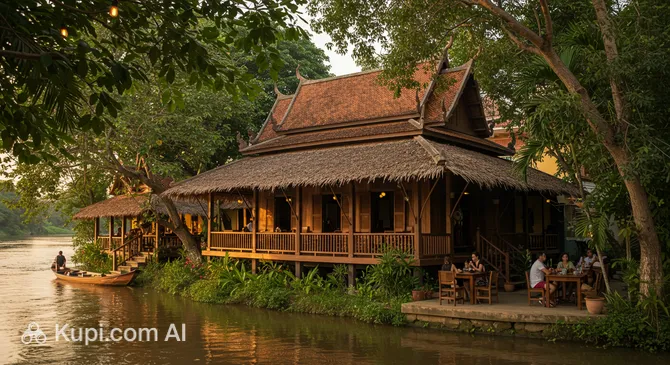
Kampot is a true gem of southwestern Cambodia, nestled comfortably on the banks of the river of the same name, just a few kilometers from the coast of the Gulf of Thailand. The city is surrounded by the picturesque Phnom Damrei Mountains (often called the Elephant Mountains), which gives it a special atmosphere of seclusion and natural harmony. This place is perfect for those who long for a combination of adventure and relaxation.
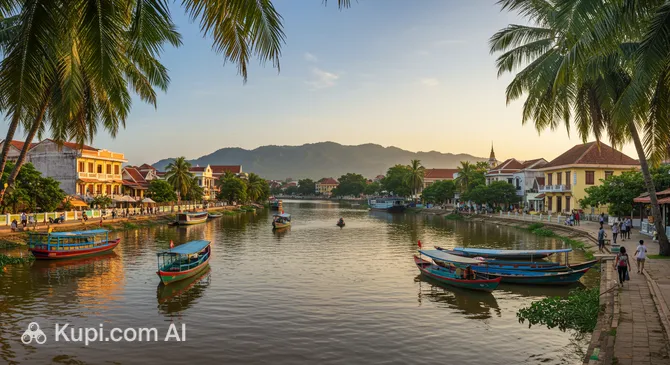
Kampot. Illustration.
Source: Kupi.com AI

With a population of about 39,000 people, Kampot retains the charm of a provincial town where life flows slowly and steadily. There is no hustle and bustle of megacities here — instead, you will find friendly locals, cozy streets, historic French colonial-style buildings, and a picturesque promenade that is perfect for sunset strolls.

Kampot attracts travelers not only with its natural beauty but also with opportunities for outdoor activities. Popular pastimes include hiking and cycling tours in the surrounding area, exploring sacred caves, and, of course, getting to know the world-famous Kampot pepper grown on local plantations. A kayak trip through the "Green Cathedral" — an incredibly scenic stretch of the river — or a visit to Bokor National Park with its unique landscapes and historical ruins deserves special attention.

Kampot is an ideal destination for those tired of noisy tourist centers who want to immerse themselves in an authentic atmosphere, enjoy the taste of real pepper, and watch the sunrise over the river. This city, with the genuine smiles of its residents, will surely leave you with warm memories and a desire to return.

You can find more interesting facts on the Kampot city history page.
Weather Overview

In Kampot, a warm tropical climate awaits you throughout the year. The average annual temperature fluctuates between 25-28°C, with the hottest months being April and March, when the thermometer can rise above 31°C, and the coolest being December and January with minimum temperatures around 22°C. The city is characterized by a distinct rainy season, which lasts from approximately May to October, with peak rainfall in July and September (up to 11-12 mm and up to 30 rainy days per month). The driest period falls in January-February when rainfall is minimal.

Expect warmth and high humidity most of the year, with heavy but often short-lived tropical downpours during the rainy season, and sunnier, drier weather at other times. You can find more detailed information about the weather conditions on the Kampot Climate page.

Average monthly temperature

Average monthly precipitation

Interesting Facts

Beyond its scenic landscapes and relaxed atmosphere, Kampot holds many surprising stories and little-known details that make it truly special. Here are just a few that might surprise even the most seasoned traveler:

  • World Fame of Pepper: The famous Kampot pepper is not just a popular spice, but a true gastronomic brand protected by International Geographical Indication (PGI) status. Its unique flavor profiles are highly valued by chefs in the world's best restaurants, from Paris to Tokyo.

  • Unofficial Symbol – The Durian: The city features a very notable and frequently photographed monument... to the durian! This giant fruit has become the unofficial symbol of Kampot, highlighting the importance of this exotic, albeit specific, delicacy to the region.

  • Architectural Echoes of the Past: Walking through the center of Kampot, you can spot many beautifully preserved buildings from the French colonial era. These old mansions, administrative buildings, and even a partially restored old bridge over the river create an atmosphere that feels like stepping back a century.

  • Sacred Caves with Secrets: The outskirts of Kampot hide not only picturesque plantations and salt fields but also ancient caves. According to local beliefs, many of them served as shelters for hermits and spirits. Some caves are decorated with ancient carved statues and are still revered as places of power and pilgrimage.

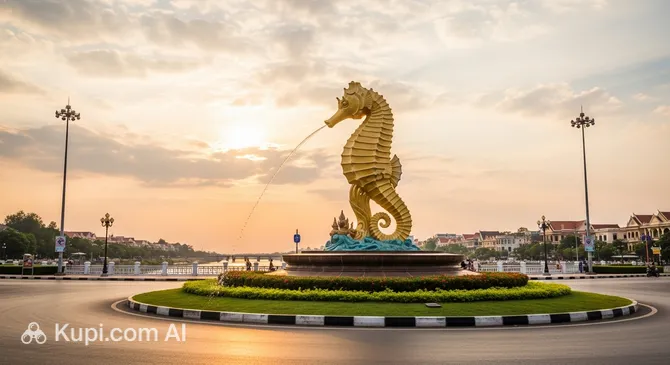
  • Promenade Symbol – The Seahorse: The prominent Seahorse Statue stands tall on the Kampot riverfront. This art piece is not only a popular photo spot but also symbolizes the city's connection to the water and its coastal location, welcoming guests by the river.

Seahorse Statue. Illustration.
Source: Kupi.com AI

Traveler photos:

How to Get There

Kampot, being a cozy provincial town, does not have its own airport, so the journey here usually goes through Cambodia's major transport hubs or neighboring Vietnam. Travelers have access to various routes involving flights, bus trips, taxis, and even trains. You can find all the ways to get to the city on a separate page, but below we will look at the main options.

Most often, tourists choose to fly into Phnom Penh International Airport (PNH), located in the country's capital, Phnom Penh. It is approximately 127 km from Kampot. This is the country's main hub, receiving many flights. The journey from the airport to Kampot by taxi or intercity bus takes about 3–4 hours, depending on traffic.

The closest airport to the resort is Sihanouk International Airport (KOS), located in Sihanoukville, just 59 km from Kampot. Despite its proximity, this airport is smaller than the capital's, but you can get to your destination from here much faster — the car ride takes about 1.5–2 hours.

It is also worth mentioning Tan Son Nhat (SGN) in Ho Chi Minh City (Vietnam). Although it is located in another country and is 272 km from Kampot, it is the largest international hub in the region. Many travelers fly here and then reach Kampot by bus via the border crossing (the journey takes about 6–7 hours).

For clarity, here is a summary of the main airports:

AirportPassenger trafficDistance
Phu Quoc Airport4.1 mln52 km
Sihanouk International Airport55 00059 km
Phnom Penh International Airport2.5 mln127 km
Can Tho Airport1.3 mln178 km
Ca Mau Airport200 000193 km

In addition to air travel, you can reach Kampot by rail. The city has an active railway station served by trains running on the Phnom Penh – Sihanoukville route. Trains in Cambodia are comfortable and air-conditioned, but they do not run every day and travel at low speeds. This is an excellent choice for those who want to enjoy the scenic provincial views from the train window, but if time is critical for you, it is better to choose road transport.

The most common way to get around the country remains buses and minivans. Regular services connect Kampot with Phnom Penh, Sihanoukville, Kep, and Siem Reap. The roads in this region are in good condition, and the variety of carriers allows you to choose the best option for price and comfort.

Main Attractions

Kampot, snugly situated on the banks of the Prek Tuek Chhou River, offers travelers not only picturesque landscapes and famous pepper plantations but also a range of interesting urban attractions. Here are a few places worth including in your itinerary through this charming Cambodian city.

One of the city's recognizable landmarks is the Seahorse Statue. This prominent monument, installed on the promenade, symbolizes Kampot's close connection to the water and its coastal location. The statue serves as a popular landmark and a great spot for photos, especially against the backdrop of the sunset over the river.

Seahorse Statue. Illustration.
Source: Kupi.com AI

Traveler photos:

If you want to not only enjoy a delicious meal but also support a good cause, stop by the Epic Arts Café. This unique establishment is a social enterprise that provides training and employment opportunities for people with disabilities. Here you will find a warm atmosphere, appetizing local and European dishes, and a small shop with handmade items.

Epic Arts Café. Illustration.
Source: Kupi.com AI

Traveler photos:

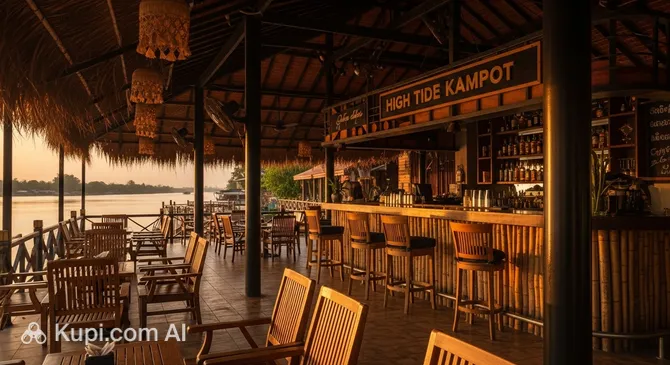
For evening relaxation and socializing, the High Tide Kampot bar is an excellent choice. This place attracts both travelers and locals with its laid-back atmosphere and a good selection of drinks. Here you can unwind after a busy day, share your impressions, and simply enjoy the evening in pleasant company.

High Tide Kampot. Illustration.
Source: Kupi.com AI

Traveler photos:

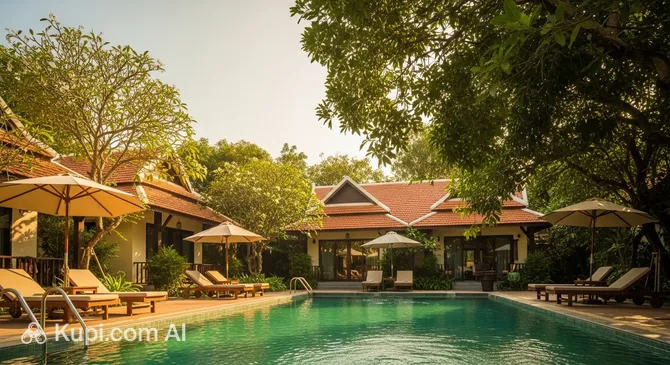
Those seeking peace and relaxation should check out Bohemiaz Resort & Spa. Although it is primarily a resort hotel, it also offers various wellness services such as spa treatments, a swimming pool, and yoga classes, which may also be available to day visitors. It is a wonderful place to rest your soul and body surrounded by tropical greenery.

Bohemiaz Resort & Spa. Illustration.
Source: Kupi.com AI

Traveler photos:

Local Cuisine

The cuisine of Kampot is a true feast for foodies, where the stars are the freshest seafood and the world-renowned Kampot pepper. Be sure to try the local crabs and shrimp, masterfully prepared with this aromatic pepper — this dish has become a true signature of the city.

Kampot pepper is not just a spice, but the soul of local gastronomy. Its unique varieties — black, red, white, and even fresh green — add piquancy to almost all dishes, from traditional Khmer soups like Amok (steamed fish curry) or Lok Lak (stir-fried beef with pepper) to European-style steaks. In Kampot, you will have the unique opportunity to try pepper fresh, pickled, and dried, as well as purchase it as an aromatic souvenir.

In addition to pepper and seafood, Kampot will delight lovers of the exotic. At local markets and in small shops, an abundance of tropical fruits awaits you: juicy mangoes, aromatic durians (for the brave!), and sweet coconuts. Don't deny yourself the pleasure of trying fresh-pressed juices and smoothies. Among local drinks, local beer is also popular, such as the Angkor or Cambodia brands, and for a more authentic experience, you can try palm wine (tuk thnot chu), a refreshing and slightly sweet drink.

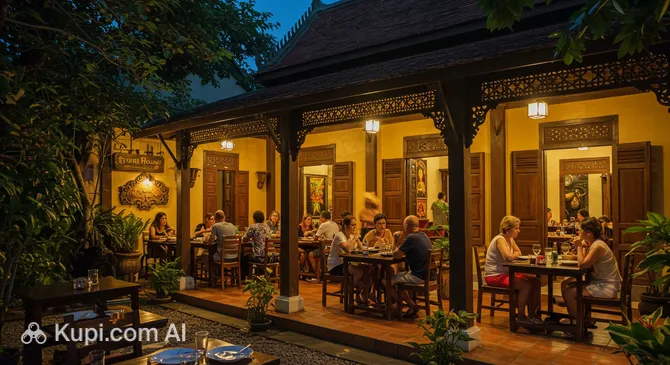
The food culture in Kampot is diverse. Locals and tourists enjoy meals in cozy restaurants and cafes, as well as buying from lively street markets where you can taste inexpensive and delicious dishes. Among the establishments offering a taste of local cuisine are the Epic Arts Café or the Aroma House restaurant. The city is also famous for its gastronomic festivals, especially the pepper and durian festivals, where you can not only sample delicacies but also participate in culinary masterclasses.

Aroma House. Illustration.
Source: Kupi.com AI

Traveler photos:

Kampot's gastronomic scene attracts tourists with its authenticity and focus on fresh local products. Signature dishes like Kampot pepper crab, aromatic Khmer curries, and various variations of dishes with this unique spice, as well as an abundance of fresh tropical fruits and their juices, create a unique culinary experience. The overall character of the food scene is a harmonious blend of traditional Khmer recipes and the opportunity to try a world-famous product in its "native" environment, making Kampot a must-visit for any fine food lover.

Travel Tips

Welcome to Kampot! This charming city in Cambodia, famous for its pepper and relaxed atmosphere, is sure to give you unforgettable memories. To make your trip smooth and comfortable, we have prepared some practical tips.

  1. Clothing and Essentials:

    The climate in Kampot is tropical, hot, and humid year-round. Bring light, breathable clothing made from natural fabrics (cotton, linen). Don't forget a swimsuit for refreshing swims. In the rainy season (roughly May to October), a light raincoat or umbrella will be useful. Sunscreen, a hat, and sunglasses are mandatory. For walking around town, visiting pepper plantations, or Bokor National Park, choose comfortable shoes (sandals, light sneakers). If you plan to visit temples, such as Wat Trey Koh, choose clothing that covers your shoulders and knees. Don't forget a universal adapter for electronics (Cambodia uses plug types A, C, and G).

  2. Getting Around Town and Surroundings:

    Kampot is a small city, and many of its central parts can be explored on foot. The most popular and convenient way to travel, especially for short distances or trips to nearby attractions, is the moto-taxi (tuk-tuk). Always agree on the price before the ride. For more independent exploration of the surroundings (pepper plantations, salt fields, Phnom Chnork caves), many tourists rent scooters. Ensure the scooter is in good condition and always wear a helmet. To call a tuk-tuk, you can use apps like Grab or PassApp, although finding a driver on the street is usually easy.

  3. Finances: Currency, Cards, and Tipping:

    The official currency of Cambodia is the Cambodian riel (KHR). However, US dollars (USD) are in wide circulation and accepted almost everywhere, especially small bills. Change is often given in riels. You can exchange currency at banks or licensed exchange offices. Credit and debit cards (Visa, Mastercard) are accepted in hotels, large restaurants, and some shops, but it is better to have cash for markets and small establishments. There are ATMs in Kampot that dispense both dollars and riels. An approximate daily budget can range from $25-35 for budget travelers up to $50-70 for a more comfortable stay. Tipping is not mandatory but always welcome for good service — about 5-10% in restaurants or a small amount for a tuk-tuk driver.

  4. Health and Safety:

    Kampot is considered a relatively safe city for tourists. However, standard precautions are never out of place: keep an eye on your belongings, especially in crowded areas, and do not leave valuables unattended. Drink only bottled water. There are pharmacies in the city, but the range of medicines may be limited, so it is better to bring basic medications with you. Local clinics are available for medical care; for serious cases, a trip to Phnom Penh may be necessary. It is highly recommended to take out travel insurance. Avoid walking on poorly lit and deserted streets at night.

  5. Communication and Internet:

    The official language is Khmer. In tourist areas of Kampot (hotels, restaurants, travel agencies), staff often speak basic English. Learn a few simple phrases in Khmer, such as "Suasdey" (Hello) and "Orkun" (Thank you) — this is always appreciated by locals. Buying a local SIM card (e.g., Cellcard or Smart) with internet access is easy and inexpensive right in the city. Wi-Fi is available in most hotels, guesthouses, and cafes.

  6. Local Etiquette and Traditions:

    Cambodians are very friendly and polite people. The traditional greeting is "sampeah" (palms pressed together at chest or face level with a slight bow). Smile, it is a universal language. When visiting temples or local homes, it is customary to remove your shoes before entering. The head is considered a sacred part of the body, so do not touch other people's heads, especially children's. Conversely, feet are considered the "lowest" part of the body, so try not to point them at people or sacred images.

  7. What to Avoid:

    Avoid any public discussions or criticism directed at the Cambodian Royal Family or the government — this is a very sensitive topic. Also, try not to raise your voice or show aggression in communication, as this is considered extremely impolite. Do not take photos of people, especially monks, without their prior permission.

  8. Special Tip for Gourmets:

    Don't miss the chance to try the world-famous Kampot pepper! Visit one of the many pepper plantations around the city to learn about the growing process and, of course, purchase the freshest pepper of various types. It is not just a spice, but a true symbol of the region and an excellent souvenir. We also recommend visiting the scenic salt fields, where you can see the traditional process of sea salt production.

We hope these tips help you better prepare for your trip and get the most out of your stay in amazing Kampot. We wish you bright impressions and an unforgettable journey through Cambodia!

Entertainment & Nightlife

Evening Kampot offers its guests a cozy and relaxed atmosphere, far from the noise of big cities. Here, nightlife is centered not so much on loud clubs as on pleasant times spent in bars overlooking the river, leisurely dinners, and conversation. The city comes alive at sunset, offering a variety of options for relaxing after a busy day.

The main concentration of evening venues is found along the Kampong Bay riverfront and its adjacent streets. This is where you will find most of the bars, restaurants, and guesthouses with open terraces. The atmosphere in Kampot is very laid-back: there is no strict dress code, and the crowd is a mix of locals, expats, and tourists from all over the world. Most establishments stay open until midnight or slightly later, creating the perfect conditions for a peaceful evening.

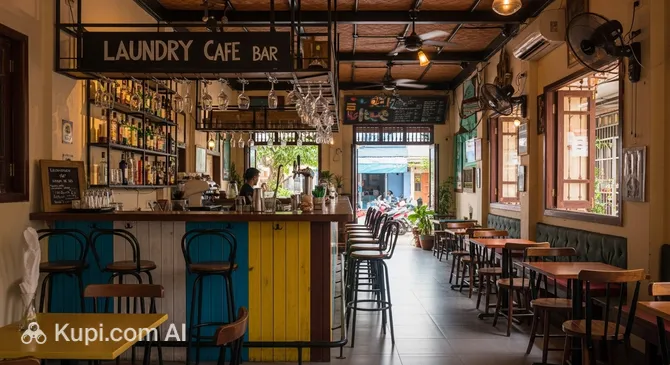
Among the popular spots for evening relaxation are several colorful bars. For example, High Tide Kampot attracts visitors with its atmosphere and the opportunity to enjoy drinks in a pleasant setting. Another interesting spot is the Laundry Cafe Burger Bar, where you can not only grab a drink but also have a snack in an informal atmosphere. These venues reflect the general spirit of the city's nightlife: friendliness, simplicity, and a focus on quality relaxation.

Laundry Cafe Burger Bar. Illustration.
Source: Kupi.com AI

Traveler photos:

When planning an evening out, it is best to head to the bars and restaurants after 7:00–8:00 PM. Prices in Kampot are quite affordable, especially compared to major tourist centers. Getting around the city at night is most convenient by tuk-tuk; always agree on the fare in advance. Regarding safety, Kampot is considered a relatively peaceful city. Nevertheless, you should stick to standard precautions: avoid poorly lit streets and do not leave valuables unattended. You can hail a tuk-tuk directly on the street or ask your hotel or bar staff to call one for you.

During the day, Kampot also offers interesting activities. You can stroll along the promenade, admire the colonial architecture, or visit local attractions such as the Seahorse Statue. While the city lacks large theaters or amusement parks, its charm lies in its quiet pace of life and the scenic surroundings that can be explored during daylight hours.

Parks & Museums

Kampot, a charming city in southern Cambodia, offers its guests a pleasant combination of natural beauty and cultural discoveries. While there may not be huge urban parks in the traditional sense, its surroundings and the city itself are conducive to outdoor relaxation and learning about local history.

The main natural artery of the city is the Kampot River (Kampong Bay), whose banks are perfect for strolling while enjoying the views and the fresh breeze. This is a popular spot for relaxation for both locals and tourists. Not far from the city is Bokor National Park, where you can go to explore mountainous terrain, abandoned colonial-era buildings, and enjoy the cool climate and waterfalls. While there are few large formal parks within the city itself, its relaxed atmosphere and green surroundings create a sense of closeness to nature.

To learn about the history and culture of the region, it is worth visiting the Kampot Provincial Museum. The museum's exhibition tells of archaeological finds, local history, and traditions. While Kampot is not famous for large art galleries, you can find small studios and shops in the city featuring works by local artists and craftsmen that reflect Khmer culture. Look out for silk products, ceramics, and paintings.

Seahorse Statue. Illustration.
Source: Kupi.com AI

Traveler photos:

Kampot's architectural heritage also deserves attention. The city has preserved many buildings from the French colonial era, which give it a special charm. A walk through the old streets will allow you to admire this architecture. One of the city's recognizable modern symbols is the Seahorse Statue, located in a prominent place and often serving as a landmark.

For a more authentic experience, we recommend exploring the outskirts of Kampot, known for their pepper plantations and salt fields — this is a unique opportunity to learn about the region's traditional industries. Also, don't miss the chance to take a boat ride on the river at sunset to see the city from a different perspective.

Getting Around

Kampot is a charming city where the public transport system reflects its quiet and leisurely pace of life. Here you won't find subways or trams, but getting around the city and its picturesque surroundings is quite easy and affordable.

The main types of transport for tourists and locals are tuk-tuks and moto-taxis (often called "motos"). Tuk-tuks are motorcycles with a passenger carriage attached and are ideal for short trips around the city or to nearby attractions. Moto-taxis are a faster way of moving for a single passenger. You can find them on almost every corner, especially near markets, guesthouses, and popular cafes. Payment is made in cash, and it is extremely important to agree on the fare in advance before starting the journey, as there are usually no fixed rates. The approximate cost of a short trip around the city starts from 1-2 US dollars, but always depends on the distance and your bargaining skills.

A very popular alternative that gives greater freedom of movement is renting bicycles and scooters (motorbikes). A bicycle is an excellent choice for a leisurely exploration of Kampot itself, its colonial architecture, and the promenade. Renting a scooter will allow you to easily reach more distant places, such as pepper plantations, salt fields, caves, or Bokor National Park. Rental points can be found in many hotels, guesthouses, and specialized offices. Rental prices are very democratic: a bicycle will cost a few dollars a day, a scooter — from 5-7 dollars a day. Usually, a driver's license (sometimes a national one is sufficient) and a deposit are required to rent a scooter.

Taxis in the classic sense (cars with meters) are rare in Kampot and are used mainly for long-distance trips or transfers, such as to the airport or other cities. They can be ordered through your hotel. For short trips around the city center, walking is also quite suitable, as many interesting places are compactly located. When using any type of transport, it is recommended to have small bills with you for ease of payment.

Accommodation

In Kampot, travelers will find a variety of accommodation options to suit every budget and preference. The city offers a wide range of housing: from inexpensive guesthouses and hostels popular with backpackers to mid-range hotels, cozy riverside bungalows, and more comfortable resort complexes.

Many tourists prefer to stay in the riverfront area, where a large number of guesthouses and hotels with picturesque views of the Kampong Bay river are concentrated. Accommodation options in the city center are also popular, from where it is easy to reach major attractions, markets, and restaurants. For those seeking seclusion, there are options outside the center, closer to nature, for example, along the river towards the pepper plantations or salt fields.

Among the many offerings, you can find both simple rooms with basic amenities and more refined options with swimming pools and spa services. For example, one of the well-known places for a comfortable stay is Bohemiaz Resort & Spa, which offers guests a relaxing atmosphere and quality service.

When planning a trip to Kampot, especially during the peak tourist season (usually from November to March), it is recommended to book your accommodation in advance. This will help you choose the best option in terms of price and quality and avoid unpleasant surprises upon arrival. The price range varies from very budget options to mid-range and high-end offers. You can book accommodation through popular international online booking platforms, as well as by contacting hotels or guesthouses directly, many of which have their own websites or social media pages.

Nearby Cities

For those who want to explore the surrounding area, Kampot serves as an excellent starting point for day trips to several interesting nearby locations. For example, you can head to Ta Khmau (located about 127 km away), the capital of Kandal Province, to see local markets and get a feel for everyday life in the Cambodian countryside. Another popular option is Phnom Penh (about 134 km), the bustling capital of Cambodia. Here, tourists will find the Royal Palace, Silver Pagoda, National Museum, as well as important memorial complexes that tell the country's history. Below is a table with these and other cities you can consider for trips from Kampot:

CityPopulationDistance
Kep35 99018 km
Phu Quoc70 00041 km
Ha Tien47 03942 km
Kien Luong24 28762 km
Sihanoukville71 08272 km

These nearby destinations allow you to gain a fuller understanding of Cambodia's diverse culture, history, and landscapes, complementing your stay in Kampot.

Shopping & Souvenirs

Kampot, a charming town in the south of Cambodia, offers its guests a unique shopping experience far from the hustle and bustle of large shopping centers. The city is primarily famous for its renowned Kampot pepper, considered one of the best in the world. Besides pepper, you can find interesting local handicrafts, textiles, and fresh produce here.

Most shopping activity in Kampot is concentrated around the central market and its adjacent streets, as well as along the promenade. Here you will find many small stalls, shops, and street vendors offering a variety of goods. A walk through these areas will allow you to immerse yourself in the local atmosphere and find something special.

There are no large modern shopping malls in Kampot in the usual sense. Shopping here is more about exploring local markets and small private shops where you can find authentic goods and chat with the sellers. This format adds a special flavor to your purchases.

The heart of Kampot's shopping life is undoubtedly the Central Market (Psar Samaki), also known as the Old Market. This is a lively place where you can buy practically anything: from fresh fruits, vegetables, meat, and seafood to clothing, shoes, household goods, and, of course, souvenirs. The market opens early in the morning and offers an authentic slice of local life.

The main souvenir from Kampot that is definitely worth bringing back is the famous Kampot pepper — black, white, red, or green. It can be bought as whole peppercorns or ground, often in beautiful packaging. Also popular are palm sugar products, local coffee, textiles (scarves, kramas), handmade wood or stone crafts, and sea salt from the local salt fields.

Most shops and stalls in Kampot are open daily, usually from early morning (around 8:00–9:00 AM) until evening (6:00–8:00 PM). Markets start operating even earlier. The main currency for transactions is the Cambodian riel (KHR), but US dollars (USD) are also widely accepted, especially in tourist areas. Large-denomination dollar bills may be difficult to change in small shops. Payment by bank cards is possible in some hotels, restaurants, and larger stores, but cash is always preferred, especially in markets.

The Tax Free refund system for tourists is not as widespread in Cambodia as in some other countries, and it generally does not apply to standard souvenirs and goods in Kampot.

Reached the end of the page?

That means the route is fully explored