Support

Kampong Speu

About

Kampong Speu is a charming and cozy city located in the heart of Cambodia, about 50 kilometers west of the nation's capital, Phnom Penh. As the administrative center of the province of the same name, Kampong Speu, with a population of around 50,000, offers travelers a unique opportunity to immerse themselves in the authentic atmosphere of Khmer life, away from the bustling tourist trails.
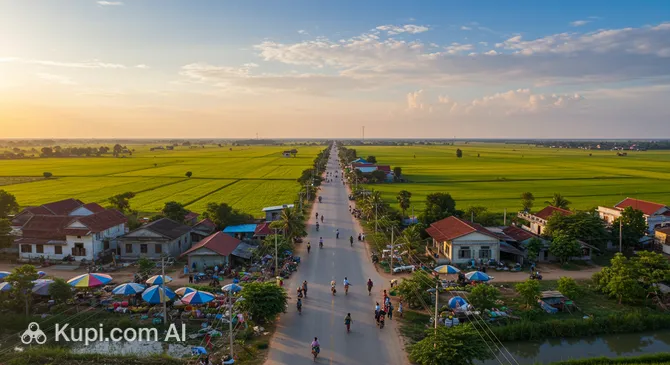
Kampong Speu. Illustration.
Source: Kupi.com AI

The city is surrounded by picturesque hills and emerald palm groves and is crossed by the Preaek Thnot River, creating unique landscapes. A calm and hospitable atmosphere prevails here, perfect for leisurely walks and contemplation. Kampong Speu province is famous for its rural character, traditional crafts, and stunning nature, making the city a great starting point for exploring these treasures.

Among the key features that attract visitors to Kampong Speu are its scenic surroundings. Tourists can explore nature reserves, visit ancient pagodas tucked away on hilltops, or walk across hanging bridges connecting the riverbanks. Local markets add a special charm, filled with the scents of fresh fruits and spices, where you can chat with smiling vendors and get a deeper understanding of the Khmer culture.

If you are looking for a place to experience the real Cambodia, its traditions, and untouched nature, Kampong Speu is an excellent choice. This city offers a peaceful getaway and plenty of opportunities for bright, authentic experiences.

You can find more interesting facts on the Kampong Speu city history page

Weather Overview

In Kampong Speu, a tropical climate prevails, characterized by high temperatures throughout the year and distinct wet and dry seasons. The average annual temperature ranges from 26.2°C in December to 30.3°C in April. The hottest months are March and April, when maximum temperatures can reach 34-35°C. December and January are relatively the coolest, with minimum temperatures around 22°C.

The rainy season typically lasts from May to October, peaking in September and October when the highest rainfall occurs (about 8 mm) and there are up to 28 rainy days per month. The dry season falls between December and March, with minimal precipitation (about 1 mm) and only a few rainy days. Overall, expect hot weather year-round with heavy rainfall in the summer and autumn months and drier conditions in the winter and early spring. For more detailed information, explore the Kampong Speu climate.

Average monthly temperature

Average monthly precipitation

Interesting Facts

In addition to its scenic landscapes, the city of Kampong Speu holds many interesting details and stories that make it a truly unique place in Cambodia. Here are some curious facts to help you get to know this amazing corner better:

  • The name of the city and the province of the same name, Kampong Speu, translates from the Khmer language as "tropical star." This poetic metaphor perfectly captures the atmosphere of the region, where every corner seems to radiate light and warmth.

  • Kampong Speu is famous throughout Cambodia for its palm sugar and palm wine. For centuries, locals have collected sap from sugar palms, turning it into sweet crystals or fermenting it to produce a traditional drink. These products are a source of pride for the region and a popular souvenir among tourists.

  • One of the main natural and spiritual landmarks of Kampong Speu is the Ampe Phnom sanctuary. An ancient pagoda sits atop a hill here, which, according to legend, attracts pilgrims from all over the country, especially during traditional holidays. The hill offers breathtaking panoramic views of the surroundings, and a river flows at its foot, where you can take a fascinating boat ride.

  • A picturesque hanging bridge stretches between the villages of Tang Tonle and Ampe Phnom, becoming an unofficial symbol of the area. The bridge is popular with both locals and tourists who come here to enjoy the fresh air and beautiful views of the river and surrounding tropical greenery.

How to Get There

The city of Kampong Speu enjoys a favorable geographical location, sitting on one of the country's key transport arteries connecting the capital with the coast. Traveling here is usually straightforward thanks to its proximity to Cambodia's main air hub. You can find out more about how to get to Kampong Speu by exploring various routes and modes of transport.

As Kampong Speu city does not have its own airport, the main point of arrival for most tourists is Phnom Penh International Airport (IATA: PNH). It is located in the nation's capital, Phnom Penh, just 37.8 km from Kampong Speu. This is the most convenient and fastest option: the journey by taxi or bus from the airport to the city center takes approximately 1 hour and 20 minutes, depending on the traffic leaving the capital.

Another possible option, especially if you are planning a trip along the southern coast, is Sihanouk International Airport (IATA: KOS). It is located in Sihanoukville, approximately 136.5 km from Kampong Speu. The travel time by car from this airport is about 3 hours and 45 minutes. This route is convenient if you are combining a beach holiday with a visit to the province.

For clarity, here is a summary of the main airports through which you can reach the region:

AirportPassenger trafficDistance
Phnom Penh International Airport2.5 mln38 km
Sihanouk International Airport55 000137 km
Phu Quoc Airport4.1 mln154 km
Can Tho Airport1.3 mln202 km
Siem Reap International Airport1.4 mln214 km

Rail service in this region is poorly developed, so the main land method of reaching Kampong Speu remains the roads. The city is located on National Highway 4, which is one of the busiest highways in the country. Regular buses and shared taxis run here from Phnom Penh, as well as passing transport heading towards Sihanoukville.

Main Attractions

Kampong Speu, the administrative center of the province of the same name in Cambodia, offers travelers a chance to experience authentic Cambodian life and the picturesque nature of the region. While the city itself is not overcrowded with world-class tourist sites, there are several interesting places in its vicinity that deserve attention.

One of the province's main natural assets is Kirirom National Park. This vast park, located on a scenic plateau, is known for its unique pine forests, which are untypical for Cambodia's tropical climate. Visitors are drawn by refreshing waterfalls, cool mountain air, and numerous hiking trails. It is an ideal spot for ecotourism, bird watching, and relaxing in nature away from the city noise.

Near the city of Kampong Speu lies Ampe Phnom, a popular recreation spot for both locals and tourists. This cultural and natural complex includes a picturesque pagoda located at the foot of a hill by the river and a famous hanging bridge. The place attracts visitors with its peaceful atmosphere, the opportunity to swim in the river, and the chance to learn about local beliefs and traditions. It is especially lively here on weekends and holidays.

For those looking for unusual natural phenomena, a visit to the Te Teuk Pus Hot Springs will be interesting. These natural springs, located in the countryside, attract locals who believe in their healing properties, as well as curious tourists. Although the infrastructure here may be basic, the chance to soak in warm mineral water in the heart of nature is a unique experience.

In addition to these iconic spots, the city of Kampong Speu itself offers a glimpse into the daily life of a Cambodian province. Be sure to visit the central market, where you can see a riot of colors and aromas from local fruits, vegetables, spices, and prepared dishes. Also, in the city and its surroundings, you can find several beautiful Buddhist pagodas, which are important spiritual and cultural centers for the local population.

Local Cuisine

The gastronomic scene of Kampong Speu offers a unique immersion into authentic Khmer cuisine, where the star role is played by the famous local product — palm sugar. It is this ingredient that gives many dishes and drinks a unique caramel note and serves as the region's culinary signature. You will certainly notice its presence in many traditional sweets and desserts that are definitely worth a try.

When you find yourself in Kampong Speu, be sure to explore the local street food. Appetizing fried bananas, sweet pastries filled with palm sugar, aromatic noodle soups, and fresh seafood await you at the bustling markets and street stalls. Chicken or fish skewers, cooked right over the coals, deserve special attention — a simple but incredibly delicious treat. This is a great way to grab a quick and inexpensive bite while experiencing the real taste of Cambodia.

Among the drinks, palm wine stands out — a refreshing, slightly fermented drink that locals prepare according to ancient recipes. It is often served in small cafes and markets, frequently accompanied by snacks of fresh fruit or roasted nuts. Of course, a variety of non-alcoholic drinks are also available, including freshly squeezed juices and beverages based on the same palm sugar.

The food culture in Kampong Speu is closely tied to street food and local markets — this is where the real gastronomic life happens. Both locals and tourists enjoy trying dishes prepared right before their eyes. In addition, small gastronomic fairs and festivals are sometimes held in and around the city. At such events, you can get acquainted with seasonal dishes, watch the process of making palm sugar, and even participate in Khmer cooking masterclasses, which will be an unforgettable experience for any traveler.

Travel Tips

Planning a trip to Kampong Speu? Great! To ensure your journey through this Cambodian city goes smoothly and leaves only pleasant impressions, we have prepared some practical tips.

  1. Clothing and Essentials:

    In Kampong Speu, as in all of Cambodia, a tropical climate prevails. Bring light, breathable clothing made of natural fabrics. The rainy season lasts from May to October, so a light waterproof jacket or raincoat will come in handy. In the dry season (November-April), it is very sunny — don't forget sunscreen, a hat, and sunglasses. Comfortable walking shoes are a must. If you plan to visit temples, choose clothing that covers your shoulders and knees. Bring a universal power adapter and insect repellent.

  2. City Transport:

    The main modes of transport in Kampong Speu are motorcycle taxis (motodops) and tuk-tuks — agree on the price in advance. Public transport as we know it is poorly developed here. For trips around the city and the surrounding area, you can also hire a car with a driver. If you are a confident driver, renting a scooter is possible, but be careful on the roads. Ride-hailing apps like Grab or PassApp may be available, but they are less common than in the capital.

  3. Financial Matters:

    The official currency of Cambodia is the Cambodian Riel (KHR), but US dollars are widely accepted, especially in tourist areas and for larger purchases. Change is often given in Riels. You can exchange currency at banks or official exchange offices. The use of bank cards in Kampong Speu is limited — it's better to carry enough cash. ATMs exist, but there may not be many. An approximate daily budget is from $25-30 USD (excluding accommodation). Tipping is not mandatory but is appreciated for good service (5-10%).

  4. Health and Safety:

    There are pharmacies in the city where you can buy basic medications, but the range may be limited and staff don't always speak English. It is recommended to have a basic first aid kit with you. For serious medical help, you may need to go to Phnom Penh. Be sure to take out travel insurance. Drink only bottled water. Kampong Speu is generally safe, but take usual precautions: watch your belongings, especially in crowded places, and avoid walking in unlit areas after dark.

  5. Language and Communication:

    The official language is Khmer. In tourist spots, some people may speak English, but overall its proficiency is not as widespread as in major cities. Learn a few simple phrases in Khmer: "Sus-dey" (Hello), "Or-kun" (Thank you), "Baat/Tyah" (Yes - male/female), "Ot-te" (No). A local SIM card with internet access can be bought upon arrival. Wi-Fi is available in most hotels and some cafes.

  6. Local Etiquette and Traditions:

    Cambodians are very friendly and hospitable. The traditional greeting is "sampeah" (palms pressed together at chest or face level with a slight bow), especially when communicating with elders. Show respect for local customs: do not touch the heads of locals (considered a sacred part of the body) and do not point at people or sacred images with your feet. Behave modestly and quietly in temples.

  7. Things to Avoid:

    Try not to raise your voice or show anger publicly — this is considered extremely impolite and can lead to "losing face." Also, avoid discussing sensitive political topics. Remember that the left hand is considered "unclean" in some contexts, so try to give and receive things with your right hand or both hands.

  8. Special Tip for Kampong Speu:

    Kampong Speu province is famous for its palm sugar production. Be sure to try this local delicacy and, if possible, visit a sugar palm plantation to see the production process. Also, take a look at the local market — it's a great way to dive into the authentic atmosphere and see the daily life of the citizens.

We hope these tips help you better prepare for your trip to Kampong Speu and enjoy every moment of your stay in this interesting corner of Cambodia. We wish you an unforgettable journey!

Entertainment & Nightlife

Nightlife in the city of Kampong Speu is significantly different from the noisy parties in tourist metropolises. Here you won't find huge nightclubs with world-famous DJs, but you can immerse yourself in the authentic atmosphere of provincial Cambodia. Evening entertainment here is relaxed and local in nature, allowing travelers to see how the locals unwind.

The foundation of night leisure consists of traditional beer gardens and karaoke bars (KTV), which are incredibly popular among Cambodians. Such establishments are usually open-air areas or halls with large tables where groups gather to have dinner, drink local beer, and sing favorite songs. The atmosphere here is always friendly and lively, and the dress code is as informal and casual as it gets.

The center of evening activity is the area around the Central Market and the streets adjacent to National Highway 4. This is where numerous street cafes and food stalls open after dark. A walk through the evening market is a gastronomic adventure in itself, where you can try fried noodles, local delicacies, and fresh fruit shakes at very affordable prices.

If you are looking for a place for dinner or a drink, look for establishments along the river or the main city streets (Chbar Mon). They usually stay open until 11:00 PM or midnight. Prices in Kampong Speu are significantly lower than in the capital: a hearty dinner with drinks will cost a symbolic amount. For night-time travel, it is best to arrange a tuk-tuk (remorque) driver in advance or use ride-hailing apps if available, as catching transport on the street late at night can be difficult.

In terms of safety, Kampong Speu is a peaceful city, but the streets can be poorly lit. It is recommended to stick to busy areas and not walk alone in dark alleys. The locals are friendly, but basic precautions, as in any trip, are advisable.

Daytime entertainment in the province is more focused on nature and culture than on urban leisure. There are no major amusement parks or theaters in the vicinity, but travelers often set out to explore nearby Buddhist temples or head out to Kirirom National Park, located nearby, to enjoy waterfalls and pine forests.

Parks & Museums

Kampong Speu, a charming city in Cambodia, offers travelers a chance to immerse themselves in authentic Khmer life, where natural beauty and cultural heritage are interwoven into everyday existence. While there may not be large urban parks or world-famous museums in the traditional sense, the city and its surroundings are rich in places for discovery and peaceful relaxation.

Instead of formal parks, Kampong Speu and its environs are famous for their picturesque natural landscapes. A walk or a bike ride among emerald rice fields and sugar palm plantations, from whose sap the country's famous palm sugar is produced, will be a true pleasure. The banks of the Prek Thnot river, which flows through the province, also offer pleasant spots for relaxation and observing local life. Many local pagodas (wats) have well-maintained and quiet grounds with gardens, where you can find peace in the shade of the trees.

As for museums and galleries, the cultural and historical heritage of Kampong Speu is most vividly represented in its many active Buddhist temples. These pagodas are not just spiritual centers but also true treasures of traditional Khmer architecture, decorated with intricate carvings, murals, and Buddha statues. Visiting a local pagoda is the best way to touch the history and art of the region, acting as a kind of living open-air museum. You may also encounter interesting examples of colonial architecture in the city, adding a special charm to its streets.

For a deeper immersion into local culture and authentic experiences, a visit to the Kampong Speu Central Market is a must. This is a lively place where you can not only buy fresh fruit, vegetables, and local delicacies but also observe the daily life of the citizens and see the works of local artisans. Don't miss the chance to explore the city's surroundings — you might be lucky enough to find small family-run productions where palm sugar or other local products are still made using traditional methods. Such encounters and observations often leave the most vivid memories of a journey.

Getting Around

When planning your travel around Kampong Speu, keep in mind that the public transport system here differs from what you might find in major megapolises. Instead of an extensive network of subways or trams, the transport system is based on more flexible and individual methods of movement, typical of many cities in Southeast Asia.

The main types of transport for moving around Kampong Speu and its surroundings are motorcycle taxis (motodops) and tuk-tuks. Motodops are a fast way to cover short distances, especially if you are traveling alone. Tuk-tuks are motorized rickshaws that accommodate several passengers and are suitable for family trips or small groups. Local buses or shared taxis connecting the city with nearby settlements may also be found, but their schedules and routes might not always be fixed or convenient for tourists unfamiliar with the area.

The payment system in Kampong Speu is predominantly cash-based. The cost of a trip on a motodop or tuk-tuk is usually agreed upon with the driver before the journey begins. Don't hesitate to haggle, as the initially quoted price might be higher for tourists. There are likely no specialized travel cards or transport apps covering the city's entire public transport. Payment is made directly to the driver in local currency.

A practical tip for tourists is to always carry small bills for fare payments. Motodops and tuk-tuks can be found on busy streets, in markets, or ordered through your hotel staff. Public transport, if represented by buses, usually operates during the day. Motorcycle taxis and tuk-tuks are available longer, but prices at night may be higher.

As an alternative to public transport in Kampong Speu, you could consider renting a motorbike if you have the appropriate driving experience and an international license. This provides more freedom of movement. Classic taxi services (cars with meters) may be limited; private drivers are more common, with whom you also need to agree on a price in advance. Bicycle rentals might be available at some guesthouses, which is a great way for a leisurely exploration of the city and its immediate surroundings.

Accommodation

When planning a trip to Kampong Speu, you will find several accommodation options to suit different budgets and preferences. The city is dominated by guesthouses and small local hotels offering basic amenities at affordable prices. Luxury resorts are generally scarce here, but comfortable mid-range options can be found.

Most accommodation options are concentrated near the central part of the city or along major roads, providing convenient access to local markets, cafes, and transport hubs. When choosing a place to stay, consider its proximity to the sites you plan to visit in Kampong Speu and its surroundings.

While there may not be large international hotel chains in Kampong Speu, local hotels and guesthouses often offer an authentic experience and hospitable service. The price range primarily varies from budget to mid-range. It is convenient to use popular online platforms for searching and booking accommodation or, in some cases, contact the hotel directly. In smaller cities like Kampong Speu, you can sometimes find a place to stay upon arrival; however, booking in advance is always a good idea, especially if you are traveling during a popular time or looking for a specific type of accommodation.

It is recommended to check reviews from other travelers on online platforms before booking to choose the most suitable option. Keep in mind that some small guesthouses may only accept cash, so it is worth clarifying this in advance.

Nearby Cities

For those who want to explore the surrounding area, Kampong Speu serves as an excellent starting point for day trips to several interesting nearby locations. Pay particular attention to the following cities:

Phnom Penh, the capital of Cambodia, is only 47 km from the city of Kampong Speu. This lively metropolis offers an immersion into the country's rich history and culture. You can visit the magnificent Royal Palace and Silver Pagoda, learn more about recent history at the Tuol Sleng Genocide Museum, stroll along the lively Sisowath Quay, and check out the colorful Central Market.

Ta Khmau, the administrative center of Kandal Province, is located about 48 km away. This city offers a calmer and more measured pace of life compared to the capital. Here you can observe the daily life of locals, walk along the Bassac River, and visit local markets to experience the authentic atmosphere.

If you are up for a longer day trip, Kampong Cham is about 120 km away. This city, sprawling on the banks of the mighty Mekong, has preserved many examples of French colonial architecture. Interesting spots include Wat Nokor hill with its ancient temple and the famous (though seasonal) bamboo bridge, which locals rebuild every year.

In the table below, you will find information about the population and distance to these and other nearby cities from Kampong Speu:

CityPopulationDistance
Svay Pak19 04245 km
Phnom Penh2 129 37147 km
Ta Khmau220 00048 km
Takeo52 00061 km
Prey Veng74 00090 km

These nearby destinations provide an insight into the region's diverse culture and landscapes.

Shopping & Souvenirs

Shopping in Kampong Speu offers travelers the chance to dive into the authentic atmosphere of a Cambodian province, far from the hustle and bustle of major tourist centers. The city is not famous for huge shopping malls or world-brand boutiques; however, you can find unique local goods here and feel the true spirit of local trade. The main focus should be on the markets and small shops selling fresh produce, handmade crafts, and household items.

The main shopping spots in Kampong Speu are concentrated around the central market and its adjacent streets. Here you will find many small shops offering a variety of goods — from clothes and shoes to household supplies and electronics. Strolling through these streets will allow you to observe the daily life of the locals and perhaps make some interesting finds.

There are no large modern shopping centers familiar to residents of megapolises in Kampong Speu. Shopping here is more traditional, and most commercial activity takes place in markets and small private stores. This gives the city a special charm and allows tourists to get acquainted with the local trading culture.

Markets are the heart of commercial life in Kampong Speu. The main city market (Phsar Leu or a similar central market) is a lively and colorful place where you can find practically anything. From early morning, they sell fresh fruit, vegetables, meat, fish, spices, and prepared food. Additionally, the market offers a wide selection of clothing, fabrics, shoes, souvenirs, and local handicrafts. Visiting the market is a great way to feel the atmosphere of the city and buy something as a keepsake.

The main souvenir worth bringing from Kampong Speu and the province of the same name is the famous palm sugar. It is highly valued for its quality and naturalness. You can also look for traditional Cambodian krama scarves, woven bamboo and rattan products, simple ceramics, and wooden crafts. You can often find inexpensive and interesting handmade items at the markets.

Most shops and markets in Kampong Speu start operating early in the morning, around 7:00-8:00 AM, and close by evening, usually around 5:00-6:00 PM. Some small shops may have their own individual schedules. As for payment, cash is preferred — Cambodian Riels (KHR). US dollars are also accepted in many places, especially for larger purchases, but change may be given in Riels. The possibility of paying by bank card is extremely rare, mainly in some hotels or larger stores, if any exist.

The Tax Free refund system for tourists in Kampong Speu is generally not widespread. Shopping here is mainly focused on local markets and small retail outlets that do not participate in such programs. Therefore, you should not count on a VAT refund when making purchases in this city.

Reached the end of the page?

That means the route is fully explored