Support

Kep

About

Kep is a charming coastal town nestled in the south of Cambodia, on the picturesque shores of the Gulf of Thailand. It is located about 25 kilometers from the city of Kampot and approximately 170 kilometers from the country's capital, Phnom Penh. Despite being the center of Cambodia's smallest province, Kep possesses a unique atmosphere of privacy and tranquility that is often missing in bustling metropolises.

The town has a population of about 36,000 and holds the status of a province-city (krong), making it not only a popular tourist destination but also an important administrative center for the region. Wide streets, preserved old villas reminiscent of the French colonial past, and breathtaking views of the gulf create the perfect conditions for leisurely walks and contemplating the beauty of the surrounding nature.
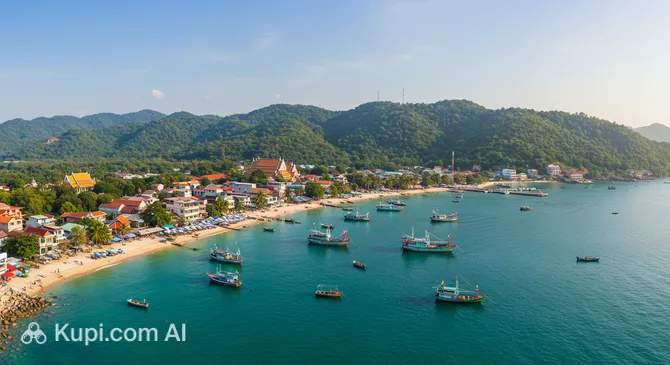
Kep. Illustration.
Source: Kupi.com AI

Kep was once a favorite holiday destination for the French elite, and today it is regaining popularity among travelers seeking peace, pristine nature, and an authentic experience. Here, there is no noise and bustle of big cities; instead, you will find spacious beaches, Kep National Park with scenic hiking trails, and a unique opportunity to immerse yourself in real Cambodian life.

Among the key attractions of Kep are its famous Crab Market, where you can taste the freshest seafood, and the chance to visit Rabbit Island (Koh Tonsay) — a true paradise for lovers of secluded beach holidays and snorkeling. The town is also famous for its incredible sunsets, which paint the sky and sea in fantastic colors.

If you are looking for a place for a peaceful getaway where you can enjoy harmony with nature, try exquisite seafood, and discover a lesser-known but equally beautiful side of Cambodia, then Kep is undoubtedly worth your visit.

You can find more interesting facts on the history of Kep page.

Weather Overview

Kep has a tropical climate, ensuring warm weather throughout the year. Average monthly temperatures typically range from 26.2°C (December) to 28.8°C (April), with maximum daily temperatures in the hottest months, such as April, potentially reaching 32.0°C. Expect warm weather in Kep year-round with a distinct wet season from May to October and a drier period from December to April. The wet season, especially from July to September, is characterized by a high number of rainy days (up to 29 days in July), although the total monthly rainfall, according to the data provided, remains relatively low, peaking at 10 mm in September. The dry season, on the other hand, delights with plenty of sunshine and minimal precipitation, for example, only 1 mm in January and February. For more detailed information on weather conditions in Kep and to plan your trip, we recommend visiting the Kep Climate page.

Average monthly temperature

Average monthly precipitation

Interesting Facts

Beyond its scenic beaches and famous crab market, Kep holds many surprising stories and features that make it a truly unique place in Cambodia. Here are just a few curious facts about this charming coastal town:

  • At the beginning of the 20th century, Kep was founded by French colonizers and quickly became the country's premier resort, attracting the Cambodian elite. Even today, you can see elegant Art Deco villas on its streets, silent witnesses to former luxury and serenity.

  • The surroundings of Kep are famous for the plantations of the renowned Kampot pepper, which gourmets around the world consider one of the best. Visitors to local farms can not only learn the secrets of its cultivation but also taste the freshest pepper right from the bush — a true gastronomic delight.

  • Just a few kilometers off the coast of Kep is Rabbit Island (Koh Tonsay), known for its idyllic beaches. Legend has it that the island got its name because of its unusual shape, which resembles the outline of a jumping rabbit.

  • The unofficial symbol of Kep and an object of pride for locals is the huge crab monument installed right by the sea. This seafood delicacy is so important to the town that its image has become the resort's hallmark.

  • Kep National Park, spanning 50 square kilometers, offers not only dense jungles and a chance to encounter rare birds, but also viewpoints with breathtaking panoramic views of the Gulf of Thailand and the surrounding mountains.

How to Get There

Since Kep itself does not have its own airport, travelers must combine a flight with ground transportation. You can find more about how to get to Kep by considering routes through Cambodia's nearest major cities and neighboring Vietnam. Most often, tourists choose to fly into the capital or Sihanoukville, from where they can easily reach the coast by taxi or bus.

One of the most popular options is Phnom Penh International Airport (IATA: PNH). It is located in the city of Phnom Penh, about 125 km from Kep. This is the country's key transport hub, receiving many international flights. The journey from the capital's airport to the resort by taxi or intercity bus usually takes about 3.5–4 hours, depending on traffic.

Geographically, the closest airport to the resort is Sihanouk International Airport (IATA: KOS), located in Sihanoukville, just 75 km from Kep. Although the passenger traffic here is smaller than in the capital, this option allows for significant time savings on the ground transfer. A taxi ride from here takes about 2 hours.

For those planning a multi-destination tour of Southeast Asia, Tan Son Nhat (IATA: SGN) airport in Ho Chi Minh City (Vietnam) can be a convenient hub. It is located about 257 km from Kep and is the largest airport in the region. However, when choosing this route, keep in mind the need to cross the Cambodia-Vietnam border and the travel time, which can be over 6–7 hours.

For clarity, here is summary information on the main airports through which you can reach Kep:

AirportPassenger trafficDistance
Phu Quoc Airport4.1 mln55 km
Sihanouk International Airport55 00075 km
Phnom Penh International Airport2.5 mln125 km
Can Tho Airport1.3 mln161 km
Ca Mau Airport200 000178 km

There is no direct rail connection to the town of Kep. The nearest train station is in the neighboring town of Kampot. Therefore, tourists will have to cover the final leg of the journey from any airport or station by road. Cambodia has a well-developed system of intercity buses and private taxis that will comfortably take you right to the coast.

Main Attractions

Kep, cozying up to the southern coast of Cambodia, offers travelers a unique blend of natural beauty, colonial charm, and gastronomic delights. This small town holds many interesting places worth exploring.

One of the main "hallmarks" of Kep is undoubtedly the Crab Market (Psar Kdam). This is not just a market, but a whole performance: fishermen pull baskets of fresh blue crabs from the sea, which are then immediately prepared in numerous seaside restaurants with aromatic Kampot pepper. Visiting the market is an opportunity not only to enjoy delicacies but also to experience the authentic atmosphere of Cambodian life.

For fans of active recreation and nature, Kep National Park is a must-visit. Its shaded trails lead through lush jungles, past small waterfalls and viewpoints offering breathtaking panoramic views of the coastline and nearby islands. A walk through the park is a great way to enjoy the silence, fresh air, and get to know the local flora and fauna.

Very close to the mainland of Kep lies the picturesque Rabbit Island (Koh Tonsay). It can be reached by boat in just 20–30 minutes. The island attracts visitors with its uncrowded sandy beaches, clear water, and the possibility of complete relaxation away from the hustle and bustle. Here you can rent a simple bungalow, enjoy swimming, snorkeling, or simply lie in a hammock under the palm trees while sipping a fresh coconut.

Strolling through the streets of Kep, it is impossible not to notice the traces of its former greatness — abandoned French villas. These once-luxurious mansions, built in the early 20th century for the colonial elite, now stand in ruins, gradually being reclaimed by the jungle. They create a special, slightly mysterious atmosphere and serve as a silent reminder of the town's history, attracting photographers and explorers.

Local Cuisine

The cuisine of Kep is a true feast for lovers of fresh seafood and bright flavors. Located on the coast, this Cambodian town is famous for its sea gifts, and the main gastronomic star is undoubtedly the famous blue crab prepared with aromatic Kampot pepper. This dish has become the hallmark of the region and a mandatory item on the agenda of every gourmet visiting Kep.

You can try crab with Kampot pepper almost everywhere: from bustling market stalls and street cafes to elegant restaurants overlooking the Gulf of Thailand. In addition to crabs, the menus of local establishments abound with other marine delicacies. Be sure to try the freshest shrimp, squid, various fish, and mussels just caught from the sea. Local chefs skillfully combine them with exotic fruits and spices, creating unique taste ensembles.

To truly immerse yourself in the gastronomic atmosphere of Kep, you should visit the local market, often called the Central Market. Here you will find not only a rich selection of seafood but also an abundance of tropical fruits, many of which are unique to this region. The market is also a great place to experience street food: try fried bananas, delicious rice cakes, aromatic coconut milk soups, and various spicy snacks. This is a wonderful opportunity to observe the daily life of locals and try authentic dishes.

Regarding drinks, as in all of Cambodia, refreshing fresh tropical fruit juices such as mango, passion fruit, or pineapple, as well as sugar cane juice, are popular in Kep. Among alcoholic beverages, it's worth trying local beer, such as Angkor Beer, or traditional rice wine. Of course, bottled water and popular sodas are always available.

The food culture in Kep focuses on the freshness of products and a relaxed atmosphere. Locals and tourists often choose small family-run restaurants on the waterfront for a meal or try dishes right at the market. The town's gastronomic scene attracts with its authenticity, the opportunity to enjoy seafood prepared according to traditional recipes, and, of course, the unique combination of flavors where the freshness and aroma of the famous Kampot pepper dominate. For full immersion, some travelers visit local farms or participate in cooking workshops. And if you're lucky, you can attend one of the famous crab and pepper festivals, which turn Kep into a true celebration of taste.

Travel Tips

Welcome to Kep! This cozy coastal town in Cambodia charms with its relaxed atmosphere and famous blue crabs. To make your journey as comfortable as possible and leave you with only pleasant impressions, we have prepared some practical tips.

  1. Clothing and Essentials: A tropical climate prevails in Kep, so choose light, breathable clothing made from natural fabrics such as cotton or linen. During the rainy season (roughly from May to October), don't forget a light raincoat or umbrella. During the dry season (from November to April), sunscreen, a hat, and sunglasses are essential. Comfortable walking shoes, a swimsuit, and mosquito repellent will also be very useful. If you plan to visit local pagodas, bring clothing that covers your shoulders and knees. Don't forget a universal power adapter, as Cambodia uses different types of outlets (A, C, G).
  2. Local Transport: Kep is a small town, and getting around is quite simple. The main modes of transport are tuk-tuks and moto-taxis (moto-dops). Always agree on the fare in advance. Renting bicycles or scooters for independent exploration of the surroundings is also popular. There is practically no public transport in the form of buses or trams here. Taxi-hailing apps may be limited, so local modes of transport are more reliable.
  3. Finances: The official currency of Cambodia is the Cambodian Riel (KHR), however, US Dollars (USD) are very widely circulated and often preferred, especially when paying for hotels, excursions, and in restaurants. You may receive change from dollars in Riels. You can exchange currency at banks (the nearest large ones are in Kampot) or official exchange offices. Credit cards are accepted mainly in large hotels and some restaurants, but cash is your best friend, especially at markets and in small establishments. ATMs are available and usually dispense US Dollars. Tipping is not mandatory but always welcome for good service (about 10% in restaurants or a small amount for a tuk-tuk driver).
  4. Health and Safety: There are pharmacies in Kep with a basic set of medicines. In case of serious health problems, you may need to visit clinics in Kampot or Phnom Penh. Travel insurance is highly recommended. Kep is considered quite a safe place, but standard precautions are wise: watch your belongings, avoid walking in unlit areas after dark. Drink only bottled water. The famous Crab Market is a must-visit, but be selective when choosing street food if you have a sensitive stomach.
  5. Communication: The official language is Khmer. In tourist zones, hotels, and restaurants in Kep, staff often speak English, but knowing a few phrases in Khmer will be appreciated by the locals: “Sous-dey” (Hello), “Or-kun” (Thank you). You can buy a local SIM card with internet access upon arrival at the airport or at city mobile shops. Wi-Fi is available in most hotels, guesthouses, and cafes.
  6. Local Etiquette: You can greet locals with a smile and a light nod. The traditional "Sampeah" greeting (palms pressed together in front of the chest) is used to show respect, especially to elders. In public places, except for the beach, try to dress modestly. The head is considered a sacred part of the body — do not touch the heads of Cambodians. Feet, conversely, are considered the "lowest" part of the body, so do not point them at people or religious objects. Bargaining at markets and when paying for a tuk-tuk is common, but do it politely and with a smile.
  7. What to Avoid: Try not to raise your voice or lose your temper in public. Cambodians value composure and the ability to "save face." Show respect to monks and religious symbols; monks are highly revered in society.
  8. Special Tip – Crab Market: Don't miss the chance to visit the famous Crab Market in Kep! Try freshly caught blue crabs prepared with aromatic Kampot pepper — it's the hallmark of the region. It's best to come in the morning to catch the freshest catch, or at sunset to enjoy the atmosphere. Also consider taking a boat to Rabbit Island (Koh Tonsay) for a more secluded beach holiday.

We hope these tips will help you better prepare for your trip and enjoy every moment of your stay in charming Kep. Have a great trip!

Entertainment & Nightlife

Kep, known for its quiet charm and fresh seafood, offers a more relaxed but no less pleasant evening leisure option compared to the noisy metropolises of Cambodia. Nightlife here is centered around enjoying nature, delicious food, and socializing in a laid-back setting.

The main hubs of evening activity in Kep are the area around the famous Crab Market and the coastal zone. Here you will find many restaurants that turn into cozy spots for dinner and drinks at dusk. The atmosphere in most establishments is very informal and relaxed. There is usually no strict dress code; a comfortable clothing style is welcomed. Many places offer tables with sea views where you can admire the sunset.

While Kep is not famous for loud nightclubs with booming music like in major cities, it offers its own unique and attractive options for evening relaxation. The focus here is on a laid-back atmosphere. You can easily find hotel bars and independent venues to enjoy a cocktail or a local beer, often with a sea view. Restaurants along the coast, especially in the Crab Market area, turn into lively dinner spots as darkness falls, offering the freshest seafood. Some of them stay open late, allowing for a long evening of pleasant conversation. For a more authentic experience, you can check out small local cafes and eateries that might be open in the evening. The operating hours of most places are usually until late evening, but active club life until morning is not characteristic of this area.

Practical tips for evening leisure in Kep:

  • The best time to start the evening is before sunset, to enjoy the beautiful views and smoothly transition to dinner.
  • Prices in Kep's restaurants and bars are generally moderate, especially for local drinks and dishes.
  • For getting around the town at night, it is most convenient to use tuk-tuk services. It is recommended to agree on the fare in advance and possibly on the return transfer time if you plan to stay late.

Safety: Kep is considered a fairly safe town. However, as elsewhere, after dark, it is best to stick to lit streets and popular tourist areas. If you are calling a tuk-tuk late at night, it is better to do so through your hotel or restaurant.

During the day, Kep offers other entertainment: you can explore Kep National Park with its hiking trails, relax on its few beaches, or take a boat to the nearby Rabbit Island (Koh Tonsay). The region is also famous for its pepper plantations, which are often open for visits to learn about the growing process of the famous Kampot pepper.

Parks & Museums

Kep, a charming coastal town in Cambodia, invites visitors to explore its unique blend of natural beauty and historical remnants. While it may not boast a vast number of traditional museums, Kep offers immersive experiences through its lush landscapes and echoes of a bygone era.

The heart of Kep's green appeal is undoubtedly Kep National Park. This protected area offers well-maintained trails winding through dense jungle, leading to panoramic viewpoints overlooking the coast and nearby islands. It is an ideal spot for hiking, birdwatching, and simply reconnecting with nature. Keep an eye out for monkeys and diverse flora while you explore.

For marine enthusiasts, Kep Beach offers a peaceful stretch of sand, perfect for a leisurely day. Though modest, its charm lies in its tranquility and proximity to the famous Crab Market. A short boat ride away is Rabbit Island (Koh Tonsay), a rustic paradise with simple bungalows, swaying palms, and serene beaches — an excellent choice for an authentic island getaway.

Kep's poignant history is most visible in its collection of abandoned French colonial villas. Scattered throughout the town and hillsides, these once-grand structures now stand as hauntingly beautiful reminders of Kep's glamorous past as a premier resort destination. Exploring these ruins offers a unique, almost open-air museum experience. Another notable landmark is the statue of the White Lady (Sela Cham P'kay), a serene figure gazing out to sea, often associated with local legends.

The vibrant Crab Market (Psar Kdam) is a must-visit cultural hub. Here, you can witness the daily catch being brought in and enjoy incredibly fresh seafood, especially the town's signature blue crab, often prepared with local Kampot pepper. Speaking of which, a visit to one of the nearby pepper plantations provides insight into the cultivation of world-renowned Kampot pepper, a vital part of Cambodia's agricultural heritage.

For a truly authentic experience, venture beyond the main trails in Kep National Park to discover quieter routes and hidden viewpoints. Consider renting a scooter to explore the surrounding countryside and its charming villages at your own pace, uncovering the local way of life.

Getting Around

Public transport in Kep is mainly represented by informal but very convenient types for tourists. Due to the town's compact size, there are no metro, trams, or large city buses here. The main means of transport are moto-taxis (locals call them "motodops") and the famous tuk-tuks – motorcycles with a passenger cabin trailer. They will easily take you to any point in the city and to nearby attractions such as the beaches or Kep National Park.

The payment system in Kep is very simple: calculations are made in cash directly with the driver. Any travel cards or mobile payment apps are not common here. The cost of a ride on a moto-taxi or tuk-tuk is usually negotiable, so always clarify the price before starting your trip to avoid misunderstandings. Short-distance trips are generally inexpensive, but the price may depend on the distance, time of day, and the number of passengers. It is recommended to have small bills of Cambodian Riels or US Dollars, which are also widely accepted.

Finding a moto-taxi or tuk-tuk in Kep is easy – they often wait for passengers at hotels, markets, beaches, and popular tourist spots. You can also "catch" them just on the street. As already mentioned, the key tip is to agree on the price in advance. Most drivers work from early morning until late evening, but very late at night there may be fewer of them, and the cost of services may increase. You don't need to buy special tickets; payment happens upon the provision of the service.

In addition to tuk-tuks and moto-taxis, renting bicycles and scooters (motorbikes) is popular in Kep. This is a great way to independently explore the town and its picturesque surroundings at your own pace. Rental points can be found in many guesthouses and small travel agencies. For short walks around the town center or along the waterfront, walking is quite suitable, allowing you to enjoy the local atmosphere. Regular car taxis are less common and are usually used for longer trips, for example, to other cities, and they should be booked in advance, possibly through your hotel.

Accommodation

The choice of accommodation in the town of Kep will pleasantly surprise travelers with its variety and special charm. Unlike noisy metropolises, here the landscape is dominated not by high-rise chain hotels, but by cozy bungalows, atmospheric guesthouses, and stylish boutique resorts. Many accommodation options are surrounded by lush gardens, offering guests the tranquility and unity with nature characteristic of a holiday in Cambodia.

When choosing a place to stay, you should be guided by your preferences. The area around the famous Crab Market is perfect for gourmets and sunset lovers. If proximity to the sea is important to you, choose hotels near the town beach. For those seeking seclusion and panoramic views, resorts located on the hillsides at the foot of the national park are an excellent option — they offer a breathtaking view of the Gulf of Thailand.

The price range varies from budget options for backpackers to luxury villas. Even luxury hotel stays here often cost less than in many other popular Asian resorts. You can book a room through major international online platforms or directly, which sometimes allows you to get a better deal.

Booking Tip: Kep is a popular weekend getaway for locals. Therefore, if you are planning a visit on a Friday or Saturday, as well as during public holidays and the high season (from November to March), it is recommended to book accommodation in advance. This guarantees the availability of rooms in the best hotels and bungalows with a sea view.

Nearby Cities

For those who want to explore the surrounding area, Kep serves as an excellent starting point for day trips to several interesting nearby places:

Kampot – a charming town located just half an hour's drive from Kep. It is famous for its renowned pepper plantations, where you can learn all about the production of Kampot pepper, its picturesque waterfront along the Prek Tuek Chhou River, and preserved French colonial architecture. It's a great place for leisurely walks and river cruises.

Rabbit Island (Koh Tonsay) – a small tropical paradise just 20–30 minutes by boat from the Kep coast. The island attracts visitors with its secluded golden sand beaches, simple rustic atmosphere, and the opportunity to enjoy the freshest seafood right on the shore. An ideal place for swimming, snorkeling, and total relaxation.

Bokor National Park – located on the Damrei Plateau, this park offers the coolness of a mountain climate and breathtaking landscapes. The main attraction is the abandoned French mountain station, Bokor Hill, with its colonial ruins, including an old casino and church. You can also see the Popokvil Waterfall here and enjoy panoramic views of the coast.

CityPopulationDistance
Kampot39 18618 km
Ha Tien47 03925 km
Kien Luong24 28745 km
Phu Quoc70 00046 km
Ba Chuc13 12264 km

The places described above, such as Kampot, Rabbit Island (Koh Tonsay), and Bokor National Park, are ideal for day trips from Kep, allowing you to get to know the local culture and nature. The table provided also includes other significant cities in the region; some of them, like Siem Reap or Battambang, are at a considerable distance and will require a longer journey but will reveal even more facets of Cambodia.

Shopping & Souvenirs

Kep is not the kind of town where you go for large-scale shopping in the conventional sense, but it offers its own unique purchasing opportunities, especially if you appreciate local products and authentic souvenirs. The town is primarily famous for its freshest seafood, especially crabs, as well as products from the neighboring Kampot province, such as the famous Kampot pepper. You won't find large shopping malls here, but you can immerse yourself in the atmosphere of local markets and small shops.

The main shopping spots in Kep are concentrated around the famous Crab Market (Psar Kdam) and its adjacent areas. Along the waterfront, you can also find small shops and stalls offering souvenirs, clothing, and beach gear. There are no specialized shopping streets with boutiques here; shopping is more spontaneous and local in character.

Large modern shopping centers are not a characteristic feature of Kep. The shopping experience here is more about visiting markets and interacting with local vendors, which is part of getting to know the city's culture.

The main and perhaps most colorful place for shopping in Kep is the Crab Market (Psar Kdam). It is not just a market, but a real attraction. Here you can buy freshly caught crabs, shrimp, fish, and other seafood, which can be prepared for you on the spot. In addition, the market sells fruit, vegetables, local spices, and some souvenirs. The atmosphere here is very lively, especially in the morning and towards the evening.

As souvenirs from Kep, it is worth bringing back the famous Kampot pepper, which is sold in various forms (black, white, red). Also popular are products made from palm sugar, dried seafood, small crafts by local artisans, and possibly textiles or ceramics with local motifs. Look for authentic items that reflect the coastal character of the town.

Shops and markets in Kep usually operate from early morning until evening. The Crab Market is most active in the morning hours and in the late afternoon when fishermen bring in their fresh catch. Most small traders and market vendors prefer cash payments. In Cambodia, both the local currency (Cambodian Riel) and US Dollars are used, especially in tourist areas. Credit cards may be accepted in some hotels and larger restaurants, but it is better to have cash on hand at markets and in small shops.

Tax Free systems for tourists on regular purchases in Kep's shops and markets are generally not provided. This practice is more common in large international airports and specialized stores in major cities.

Reached the end of the page?

That means the route is fully explored