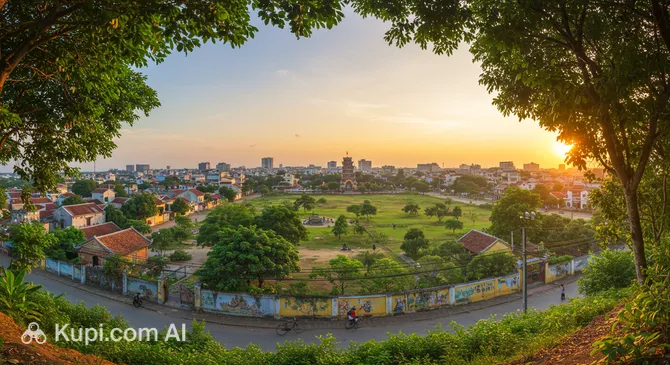
Located in southern Vietnam, the city of Ba Ria is a dynamic administrative center of the Ba Ria-Vung Tau province. Unlike the neighboring coastal resorts, this city retains the authentic character of a working industrial hub, where daily life flows to the rhythm of a true Vietnamese province. With a population of about 205,000 people, the city plays a key role in the regional economy, driven by oil production and seafood processing.
Ba Ria. Illustration.
Source: Kupi.com AI
Geographically, the city occupies a favorable position on the way to popular beaches, but it attracts travelers specifically because of its lack of tourist polish. The history of the city's development traces its transformation from a small settlement into an important logistical and administrative center, with its boundaries finalized in the early 90s.
Strolling through the streets of Ba Ria, you can feel the real pulse of southern Vietnam: from the hustle and bustle of local markets to the austere architecture of administrative buildings. Despite its industrial status, the city has its own charm—here you can see typical residential neighborhoods and enterprises that have not been modified to meet the demands of mass tourism. We recommend visiting this city for those who want to see Vietnam "without filters" or are looking for a convenient stopover on the way to the coast.
Weather Overview
The climate in Ba Ria belongs to the tropical monsoon type, which is characteristic of the entire southern region. The weather here is clearly divided into two seasons: dry and rainy. The dry season lasts from December to April and is considered the most comfortable for visiting, as humidity decreases and rain becomes a rarity. During this time, the average temperature ranges between +27°C and +30°C.
The rainy period begins in May and continues until November. During this time of year, expect warm days with periodic but intense downpours. The wettest months are July and September, when rainfall exceeds 300 mm. Despite the rain, the air temperature remains high, rarely falling below +25°C. Checking the current weather in the city will help you find more detailed data.
An important feature is the high humidity, which can be felt quite keenly in industrialized zones. Due to the flat terrain and active industrial operations, air quality may decrease on windless days. When planning a trip, it is better to choose the winter or spring months, when the sky remains clear more often and the heat is much easier to bear.
Average monthly temperature
Average monthly precipitation
Interesting Facts
Ba Ria only received its status as a city under provincial jurisdiction in the early 90s, when the administrative boundaries of the region were revised.
The economic prosperity of the city and the entire province largely depends on the oil and gas sector, making this region one of the wealthiest in Southern Vietnam.
The city is an important center for seafood exports; the local Export Seaproduct Processing Enterprise IV is known far beyond the city limits.
The city's population is ethnically homogeneous: more than 97% of residents are Viets, allowing tourists to see a highly traditional way of life.
Administratively, Ba Ria shares provincial center powers with the resort town of Vung Tau, though Ba Ria performs the main functions as the region's "working" and bureaucratic core.
How to Get There
The city of Ba Ria is an important transportation hub in southern Vietnam, though its accessibility has its own specifics. The main way to get here is by road. The majority of travelers arrive from Ho Chi Minh City, which is about 100 kilometers away. The drive along the QL51 highway takes between 2 to 4 hours, depending on traffic, which often suffers from congestion at the exit of the metropolis.
For those planning to fly, the nearest major hub is Ho Chi Minh City International Airport. From there, you can reach Ba Ria by taxi, private transfer, or regular buses departing from the Mien Dong and Western gate stations. There is currently no direct rail link to the city, so you should plan your route based on bus services or car rentals.
If you are already in the province, for example in Vung Tau, the trip to Ba Ria by local bus or taxi will take about 45-60 minutes. Detailed information on routes and schedules can be found in the section on how to get to the city. Keep in mind that sea routes lead to the port of Vung Tau, from where you will also have to reach Ba Ria by land.
Station
Passenger traffic
Distance
Biên Hòa railway station
6
62 km
Saigon railway station
13
63 km
Gò Vấp railway station
6
64 km
Binh Thuan Railway Station
5
103 km
Da Lat Railway Station
7
211 km
Main Attractions
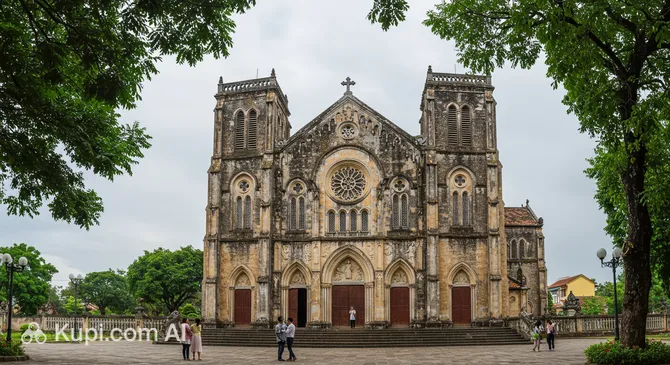
While Ba Ria rarely tops the lists of major tourist destinations, the city can surprise you with its architectural and spiritual sites. One of the most prominent structures is the Ba Ria Cathedral. This majestic building with its recognizable towers serves as an important religious center for the local Catholic community and stands out against the city skyline with its monumentality.
Bà Rịa Cathedral. Illustration.
Source: Kupi.com AI
Traveler photos:
For those interested in Eastern philosophy and traditions, the Hoi Phuoc Pagoda is open to visitors. This place is filled with an atmosphere of tranquility and prayer, representing a classic example of Vietnamese Buddhist architecture. Such temples allow tourists to touch the spiritual life of the citizens away from the noisy tourist trails.
Otherwise, Ba Ria is interesting for its local spots: the central square and colorful markets. There are no world-famous museums here, but the urban environment itself, with its narrow streets and residential blocks, is a kind of living exhibition. If you want more grand attractions, you can always take a short trip to neighboring Vung Tau with its famous lighthouses and beaches.
Local Cuisine
The gastronomic scene in Ba Ria is inextricably linked to the wealth of the coastal waters. The main focus here is on the freshest seafood. At local markets and in small family restaurants, be sure to try fried fish, grilled squid, and shrimp. The general character of the cuisine is typical of southern Vietnam—plenty of fresh herbs, light soups, and the mandatory use of rice noodles.
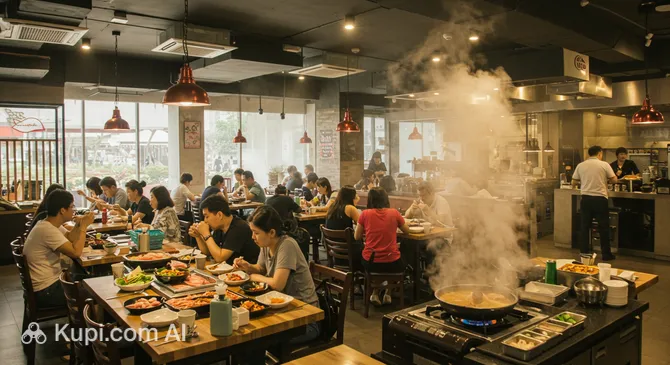
Among the popular establishments in the city, Dookki Ba Ria stands out as a place to get acquainted with modern food trends. If you are looking for something more traditional and warming, pay attention to Hanh Ha Bamboo Shoot Hot Pot—this establishment is famous for its fragrant lau (hot pot), which is especially pleasant to try in a large group.
As for drinks, in Ba Ria, as in all of Vietnam, there is a coffee cult. It is served both hot and iced with condensed milk. Freshly squeezed tropical fruit juices and local light beer are also popular. The food culture here is democratic: the best flavors are often hidden in simple street stalls at markets, where food is prepared right in front of you from ingredients purchased that very morning.
Travel Tips
A trip to Ba Ria will be a pleasant experience if you prepare in advance for the characteristics of this authentic Vietnamese city. These practical tips will help you feel confident and avoid minor troubles on the way.
Clothing and Essentials: Choose clothing made of light, natural fabrics—cotton or linen—as humidity here is high. To visit temples, such as local pagodas, be sure to bring clothes that cover your shoulders and knees. Don't forget comfortable shoes for walking through markets.
Transport: The most convenient way to get around is the Grab app. This will save you from having to negotiate the price. If you decide to rent a scooter, be extremely careful: traffic in the city is heavy and chaotic in places.
Finances: The main currency is the Vietnamese Dong (VND). Only cash is accepted at markets and in small cafes. Cards work in large stores, but a commission may be charged for their use, so always have a supply of banknotes with you.
Health and Safety: Drink only bottled water and avoid ice at street stalls if you are not sure of its origin. The city is generally safe, but keep an eye on your belongings in crowded places—minor thefts sometimes occur.
Communication: English is not widely spoken in Ba Ria. We recommend downloading an offline translator in advance and learning a couple of basic phrases ("Xin chao"—hello, "Cam on"—thank you).
Local Etiquette: Vietnamese people value politeness and restraint. It is customary to take off your shoes when entering a private home or certain temples. You should not show strong negative emotions in public—this is considered a loss of face.
What to Avoid: Do not visit remote industrial outskirts after dark. Also, try not to photograph administrative sites without explicit permission.
Eating Habits: Try food at markets where there are many locals—this is the best indicator of freshness and taste. The rainy season can make sidewalks slippery, so be careful when walking.
May your acquaintance with Ba Ria be filled with interesting discoveries and only positive emotions. This city will surely open up to you from its most hospitable side!
Entertainment & Nightlife
Nightlife in Ba Ria is significantly different from the bright lights of metropolises or resort areas. A calm and measured atmosphere of a provincial center prevails here. Traditional karaoke bars remain the main form of evening leisure for local residents and guests. One of the popular establishments is the Memory 2 Karaoke Lounge, where you can spend an evening with friends in a typically Vietnamese style.
Most establishments in the city are oriented towards family vacations or small groups, so you won't find world-famous noisy nightclubs here. Evening activity is concentrated around the central squares and street cafes, where life winds down relatively early. If you are looking for energetic dance floors and large-scale parties, it is best to head to neighboring Vung Tau, located just 30-40 kilometers away.
Dookki Ba Ria. Illustration.
Source: Kupi.com AI
Traveler photos:
During the day, entertainment is limited to walking through local markets and getting to know everyday life. To get around the city in the evening, it is safest to use official taxi services or popular mobile apps. Ba Ria is a city for those who appreciate peace and authenticity, preferring a quiet dinner in a local restaurant to loud disco music.
Parks & Museums
As an administrative center, Ba Ria does not boast an abundance of large parks or world-class museums. Cultural life in the city is focused more on the streets and in temples than in gallery halls. Nevertheless, for outdoor walks, citizens use the central squares located near administrative buildings. Landscaping here is moderate, but these zones serve as important places to rest during the hot hours.
The city's main cultural landmarks are its religious buildings. The Ba Ria Cathedral impresses with its architecture and is a kind of open-air museum reflecting the history of Christianity in the region. It is also worth visiting a place like the Hoi Phuoc Pagoda, where you can learn about the Buddhist traditions of local residents through the temple's decor.
For larger park areas and historical exhibits, travelers usually head to neighboring Vung Tau. Nevertheless, the absence of crowds of tourists in Ba Ria allows you to enjoy the silence of local shrines and see authentic architecture without haste. This is a city for those who prefer leisurely contemplation and searching for beauty in the everyday details of Vietnamese life.
Getting Around
The transport system in Ba Ria is fully adapted to the needs of the local population and is characterized by the predominance of two-wheeled transport. The main means of transportation here are motorbikes and motorcycle taxis (xe om). This is the fastest way to get from one point of the city to another, especially during peak hours when congestion can occur on main roads.
Public transport is represented by a network of buses that connect Ba Ria with neighboring settlements and Ho Chi Minh City. Within the city, buses do not run as often as in major metropolises, so tourists usually rely on taxis. Using mobile apps like Grab significantly simplifies travel, allowing you to see the cost of the trip in advance and avoid the language barrier.
For those who feel confident behind the wheel, renting a scooter is a popular option. This gives complete freedom of movement but requires extreme concentration due to the chaotic traffic typical of southern Vietnam. It is important to remember that there is no metro or trams in the city, and all logistics are tied to the road network connecting industrial zones with residential neighborhoods.
Accommodation
The accommodation market in Ba Ria is primarily geared toward those coming to the city on business or those passing through. The majority of the options consist of small guesthouses and mini-hotels. This is a budget segment offering basic amenities at very affordable prices. There are practically no luxury five-star resorts within the city limits—travelers usually head to the coast for a luxury holiday.
When choosing a place to stay, it is best to focus on the central areas of the city. This is where the main infrastructure, banks, and cafes are concentrated. Housing prices in Ba Ria remain consistently low throughout the year, making the city attractive for long-term stays for expats working in the province's industrial sector.
There are no specific recommendations for booking long before your trip, as there is usually no shortage of rooms in the budget segment. However, if your trip coincides with major public holidays, it is worth taking care of accommodation in advance through popular online services. You can find cozy places in the city, such as the area around Dookki Ba Ria, where small private apartments are often located nearby.
Nearby Cities
The city of Ba Ria serves as an excellent starting point for exploring the southern part of the province, offering easy access to the coast and industrial zones. Just 12 kilometers away is Vung Tau—the region's most popular seaside resort. People come here for beach holidays, walks along the embankment, and a visit to the famous lighthouse. The trip by taxi or bus takes no more than 45 minutes.
Another interesting destination is Phu My, an industrial center through which many logistical routes pass. For those looking for a more secluded atmosphere and wanting to see the life of fishing villages, a trip to Cho Phuoc Hai is suitable. This direction allows you to get acquainted with traditional crafts and enjoy fresh seafood right on the shore.
Exploring the surroundings of Ba Ria allows you to see the contrast between industrial development and the relaxed atmosphere of seaside settlements. We recommend not limiting yourself only to the city center and setting aside time for a trip to the islands or nearby mountain temples, which make this region of Vietnam so multifaceted.
Shopping & Souvenirs
Shopping in Ba Ria is primarily about visiting local markets, which are the heart of city trade. The most significant site is the Ba Ria Central Market. There are no glamorous boutiques here, but there is a huge selection of fresh seafood, spices, coffee, and tropical fruits. It's the best place to feel the local flavor and purchase goods at local prices.
There are few specific shopping malls with global brands in the city, and residents often travel to Ho Chi Minh City for large-scale shopping. However, for everyday needs and to get to know local brands, you can visit small shops along the main streets. If you are looking for modern formats, check out the area around Dookki Ba Ria, where youth-oriented establishments and small retail outlets are often concentrated.
As souvenirs from Ba Ria, people most often bring back gastronomic delights: Vietnamese coffee, dried seafood products, and high-quality sauces. Shops usually open from early morning until evening, and life at the markets is in full swing from dawn. For payments, preference is given to cash (Vietnamese Dong), although larger outlets are starting to accept cards. Don't forget that polite bargaining is appropriate and even expected at the markets.