Support

Bethlehem

About

Bethlehem is a remarkable city with a rich history and a special, spiritual atmosphere. Nestled among the picturesque hills of Judea, it attracts travelers from all over the world with its unique heritage and warm hospitality. It is a place where ancient traditions are harmoniously intertwined with modern life, creating an unmistakable charm.

The city is located just 10 kilometers south of Jerusalem, within the West Bank. Bethlehem sits on an elevation, offering breathtaking views of the surrounding countryside from its narrow streets. The city's population is approximately 28,591 people, making it compact yet a very significant cultural and administrative center of the Bethlehem Governorate.
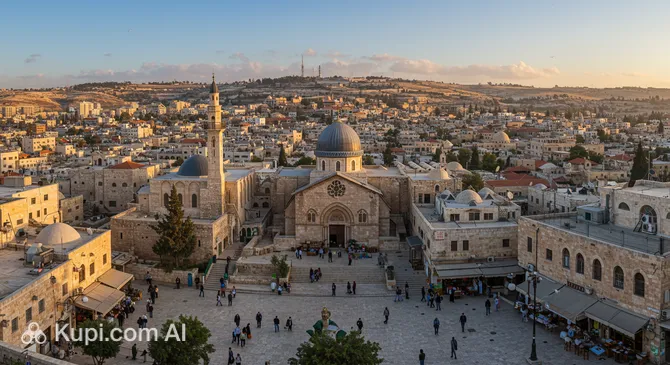
Bethlehem. Illustration.
Source: Kupi.com AI

The atmosphere of Bethlehem is truly unique: here, it is easy to feel the breath of centuries while strolling through the old streets and the famous Manger Square, where churches, mosques, and numerous souvenir shops stand side by side. The city is literally steeped in legends, and the air is filled with the aromas of Middle Eastern spices and fresh pastries, creating a sense of immersion in living history.

The crown jewel of Bethlehem is undoubtedly the Church of the Nativity—one of the oldest continuously operating Christian churches in the world, built in the 4th century and listed as a UNESCO World Heritage site. However, Bethlehem is famous for more than just its holy sites. It is also a city of talented craftsmen, artists, and musicians, known for its distinctive culture and delicious local cuisine, which is definitely worth a try.

A visit to Bethlehem is an opportunity to touch the origins of world history, enjoy a unique atmosphere, and discover an amazing place full of spirituality and cultural treasures. This city leaves a deep impression on the heart of everyone who visits.

You can find more interesting facts on the Bethlehem city history page.
Weather Overview

Bethlehem has a predominantly Mediterranean climate. Expect hot and dry summers, with average temperatures in July and August around 28°C (highs can reach 33-34°C), and rain is extremely rare. Winters here are cool and wetter, with an average January temperature around 12°C (lows around 8°C) and the highest rainfall of the year, though it is still usually modest, with about 7-11 rainy days per month. Spring and autumn are characterized by comfortable temperatures and a gradual change in precipitation levels. For more detailed information, see Bethlehem Climate.

Average monthly temperature

Average monthly precipitation

Interesting Facts

Beyond its world-famous holy sites, Bethlehem hides many amazing stories and little-known details that make it even more attractive to travelers. The city, whose name is inextricably linked to biblical events, keeps secrets that go beyond standard guidebooks.

Church of the Nativity. Illustration.
Source: Kupi.com AI

Traveler photos:

  • Few people know that Bethlehem is not only the birthplace of Jesus Christ but also the homeland of King David. According to tradition, it was on these hills that the young David tended sheep, and it was here that he was anointed king by the prophet Samuel. This fact gives the city even greater historical depth.

  • The famous Church of the Nativity is one of the oldest continuously operating churches in the world. Surprisingly, original 4th-century mosaic fragments have been preserved in its floor and can be seen through a special viewing window. Another striking fact: the temple was never destroyed, even during the Persian invasion in the 7th century, thanks to an image of the Magi in Persian clothing on one of the facades—the invaders recognized them as their own countrymen.

  • Bethlehem is world-renowned for its unique art of olive wood carving. This ancient craft is passed down from generation to generation, and local masters create true masterpieces, from small souvenirs to complex compositions that are highly valued by collectors and pilgrims.

  • One of the most touching local legends is associated with the Milk Grotto. Tradition says that when the Holy Family hid here before their flight to Egypt, a few drops of the Virgin Mary's milk fell on a stone while she was nursing the infant Jesus, and the walls of the cave turned milk-white. Powder from the walls of this cave is still revered by believers as a symbol that brings fertility and family well-being.

How to Get There

When planning a trip to this ancient city, it is important to think about logistics in advance, as there is no direct air connection. Most tourists arrive via major transport hubs in neighboring regions and then continue by land transport. You can find more details on how to get to Bethlehem on our special page, which lists all available route options.

There is no airport in Bethlehem itself, so travelers most often choose to fly into one of the nearby international airports. The most popular and convenient option is Ben Gurion Airport (TLV), located in Tel Aviv. It is approximately 45 km from Bethlehem. A trip from there by taxi or combined transport (train/bus via Jerusalem) takes about 1–1.5 hours depending on traffic.

Another possible entry point is Queen Alia International Airport (AMM) in Amman, Jordan, located about 75 km from Bethlehem in a straight line. However, keep in mind that this route involves crossing a land border, which significantly increases travel time. This option is often chosen by tourists combining a visit to Jordan and the West Bank.

For convenience, here is a summary of the main airports in the region:

AirportPassenger trafficDistance
Ben Gurion International Airport21.1 mln45 km
Queen Alia International Airport9.2 mln75 km
Haifa Airport275 000123 km
Gurayat Airport99 403199 km
Ramon Airport1.8 mln220 km

There is no direct rail service to Bethlehem. The nearest developed railway network is in neighboring Israel, and the final point for most tourists is Jerusalem. From there, Bethlehem can be easily reached by regular buses or taxis. A trip by car or bus from Jerusalem takes very little time, as the cities essentially border each other.

Main Attractions

Bethlehem, a city with a rich history and deep spiritual significance, attracts pilgrims and tourists from all over the world. It is home to shrines revered by representatives of various faiths, as well as fascinating historical and cultural sites.

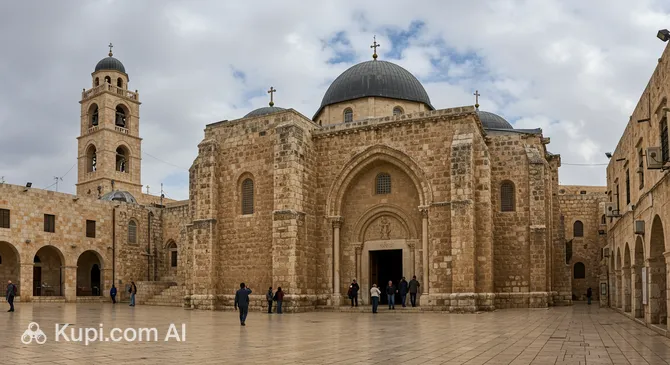
The central site among Bethlehem's shrines is the Church of the Nativity. It is one of the oldest continuously operating churches in the world, built, according to tradition, over the cave where Jesus Christ was born. Millions of pilgrims seek to visit this holy place, touch the Bethlehem Star marking the site of the Nativity, and experience the special atmosphere of this ancient temple.

Church of the Nativity. Illustration.
Source: Kupi.com AI

Traveler photos:

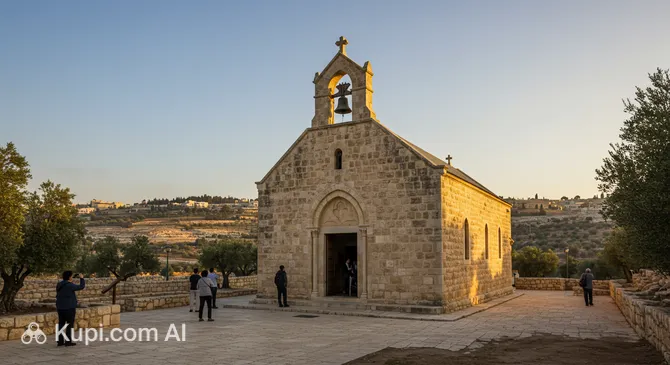
Not far from Bethlehem is the Shepherds' Field Chapel. It is believed that it was in this field that angels announced the birth of the Savior to the shepherds. The modern chapel, designed by architect Antonio Barluzzi, resembles a nomad's tent. Inside, you can see frescoes depicting biblical scenes. This place is filled with tranquility and offers a moment to reflect on the events of two thousand years ago.

Shepherds' Field Chapel. Illustration.
Source: Kupi.com AI

Traveler photos:

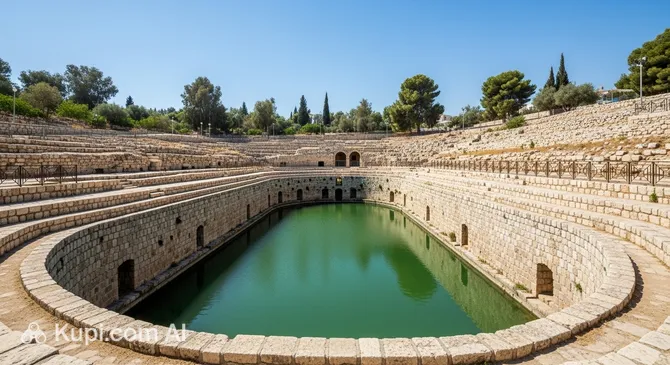
For those interested in ancient history and engineering, Solomon's Pools are a fascinating destination. This is a complex of three ancient reservoirs that, according to tradition, were built during the time of King Solomon to supply Jerusalem with water. Although the exact dating is debated by historians, these massive structures are impressive in size and testify to the high level of ancient engineering. Today, it is a popular spot for walks and relaxation.

Solomon's Pools. Illustration.
Source: Kupi.com AI

Traveler photos:

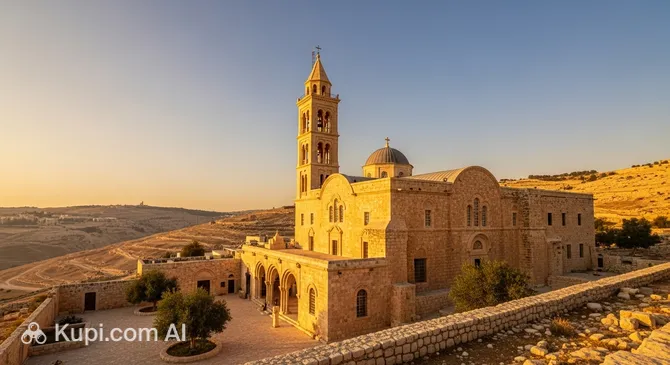
Another significant shrine in the vicinity of Bethlehem is the Mar Elias Monastery (Monastery of St. Elijah). Located on a hill on the road from Jerusalem to Bethlehem, the monastery was founded in the 6th century. According to tradition, it was here that the Prophet Elijah rested during his flight from Queen Jezebel. The monastery grounds offer picturesque views of the surrounding area, and it remains an important pilgrimage site.

Mar Elias Monastery. Illustration.
Source: Kupi.com AI

Traveler photos:

Local Cuisine

The gastronomy of Bethlehem is a true immersion into the rich culinary culture of the Middle East, capable of surprising even the most discerning gourmet. The local cuisine is famous for its fresh ingredients, fragrant spices, and centuries-old traditions of hospitality. Travelers should definitely try iconic dishes such as mansaf—tender lamb cooked with rice and a fermented yogurt sauce—and musakhan—juicy chicken roasted with onions, sumac, and olive oil on traditional taboon flatbread. Of course, no meal is complete without the freshest hummus, served here with warm fluffy bread and aromatic local olive oil.

Olives and extra virgin olive oil, produced on the surrounding hills, hold a special place in Bethlehem's cuisine. They are not only an important ingredient in many dishes but also a point of pride for local residents. For drinks, be sure to try traditional Arabic coffee with cardamom, which is both invigorating and warming, or refreshing homemade mint lemonade, perfect for quenching thirst on a hot day. For dessert, delicious Middle Eastern sweets await: baklava, qatayef, and various sesame cookies.

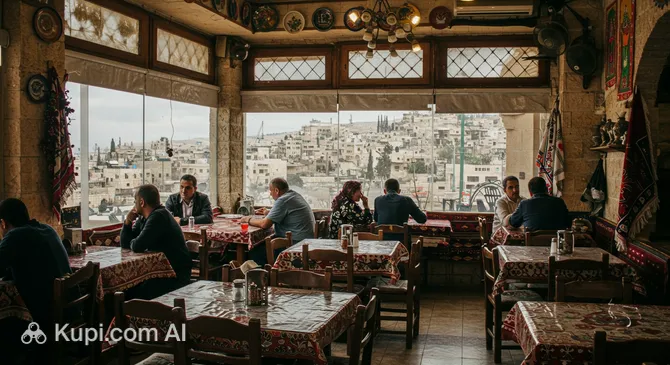
The dining culture in Bethlehem is diverse. Locals and tourists alike enjoy gathering in cozy family restaurants where a warm atmosphere prevails and authentic dishes are served. One such place to experience the local cuisine is Cafe Tamara. Street food is equally popular: be sure to try freshly made falafel, fragrant shawarma, or various pastries with cheese or spinach fillings. Local markets offer a special charm, where you can not only buy fresh produce, spices, and fruits but also chat with vendors, dipping into the city's daily life.

Tamara Cafe. Illustration.
Source: Kupi.com AI

Traveler photos:

Bethlehem's gastronomic scene is a vibrant blend of ancient traditions and lively modernity. The city often hosts various culinary festivals and fairs where you can get a deeper look at local delicacies. A trip to Bethlehem will provide you with not only spiritual enrichment but also unforgettable taste experiences, revealing the entire palette of Palestinian flavors and aromas.

Travel Tips

Welcome to Bethlehem, a city with a rich history and spiritual heritage! To make your trip as comfortable and memorable as possible, we have prepared some practical tips to help you navigate the area.

  1. Clothing and Essentials: Bethlehem has a Mediterranean climate with hot, dry summers and mild, sometimes rainy winters. In summer, choose light, breathable clothing made from natural fabrics. In winter, warm clothes, including a sweater or jacket, and an umbrella will be useful. A key point is respect for local traditions and religious sites: when visiting churches and monasteries, shoulders and knees should be covered for both men and women. Bring comfortable shoes for walking on cobblestone streets, sunscreen, a hat, and an adapter for electrical appliances (usually Type H).
  2. City Transport: Getting around the center of Bethlehem is most convenient on foot, as many attractions are located close to each other. For longer trips, you can use a taxi; it is recommended to agree on the fare in advance or ensure the driver turns on the meter. Shared taxis (locals call them "servees") are also popular and run on specific routes. Renting a car might not be the most convenient option due to local traffic and parking specifics.
  3. Finances: The main currency used in Bethlehem is the Israeli New Shekel (ILS). Some tourist spots may accept US dollars or euros, but the exchange rate may be less favorable. You can exchange currency at banks or exchange offices. Credit cards are accepted in hotels, large restaurants, and some shops, but it's always better to have cash for small purchases and markets. ATMs are available, but check with your bank about withdrawal fees. Tipping is generally welcomed in restaurants (about 10-15%) if a service charge is not included in the bill.
  4. Health and Safety: There are pharmacies in Bethlehem where you can purchase basic medications. For serious cases, it is best to have travel medical insurance. It is recommended to drink bottled water. The city is generally considered safe for tourists, especially in tourist zones. However, as with anywhere, standard precautions should be followed: watch your belongings, especially in crowded places, and avoid walking in poorly lit areas at night. Stay informed about the local situation and follow the advice of local authorities or your hotel.
  5. Communication: The official language is Arabic. In tourist areas, hotels, and restaurants, many people speak English. Learning a few simple phrases in Arabic, such as "Salam" (Hello) or "Shukran" (Thank you), is a nice gesture. Local SIM cards can be purchased at mobile phone shops. Wi-Fi is available in most hotels and many cafes.
  6. Local Etiquette: Respect for local customs and traditions is very important. Greet people with a smile. When visiting religious sites, behave quietly and respectfully. If you want to take photos of locals, always ask for permission. Avoid overly revealing clothing outside of a beach or hotel pool.
  7. What to Avoid: Try not to engage in active political discussions unless a local initiates the conversation and you feel comfortable. Also, avoid photographing security personnel or installations without permission. It is extremely important to show respect for religious feelings and shrines.
  8. Additional Tip: Many shops and institutions may be closed on Friday (Muslim day off) or Sunday (Christian day off), as well as during religious holidays. Plan your visits and shopping in advance, checking the working hours of the places you're interested in. The markets in Bethlehem are a great place to buy souvenirs, but don't hesitate to bargain politely.

We hope these tips help you plan an unforgettable trip to Bethlehem and enjoy its unique atmosphere and hospitality!

Entertainment & Nightlife

Bethlehem, world-renowned as the birthplace of Jesus Christ, offers its guests not only a rich history and spiritual heritage but also opportunities for evening relaxation. While the nightlife here is not comparable to major metropolises, the city possesses its own unique charm after sunset, offering a calm and cozy atmosphere.

Evening entertainment in Bethlehem is mainly centered around restaurants and bars where you can enjoy your time after a busy day of sightseeing. The main activity is observed on the streets adjacent to Manger Square and in the Old City district. Here, you will find establishments offering both local and international cuisine, as well as places to enjoy drinks in a relaxed setting. The atmosphere in such places is usually friendly and welcoming, attracting both tourists and locals.

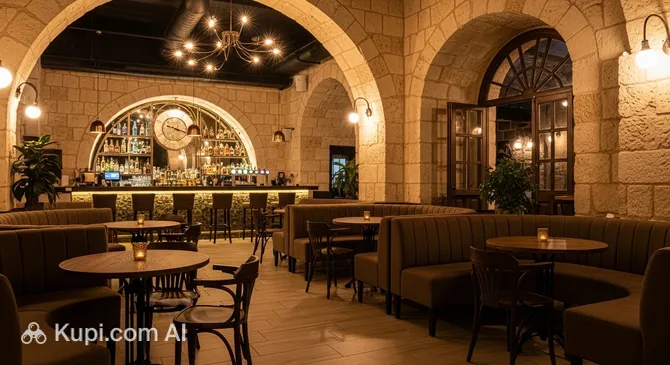
Among the venues where you can spend an evening, Rewined Bar is worth noting, offering a selection of drinks in a cozy environment. Another place deserving of attention is The Rose of Gush Etzion (Kosher Mehadrin). Many restaurants, such as Cafe Tamara, also operate in the evening, allowing for dinner in a peaceful atmosphere. Most establishments are open until late evening, but do not expect loud 24-hour clubs; the focus here is on conversation and pleasant leisure.

Rewined Bar. Illustration.
Source: Kupi.com AI

Traveler photos:

Practical tips: A strict dress code is usually not required for evening outings in Bethlehem; neat casual wear is sufficient. Prices in establishments vary but generally remain moderate. You can get around the city in the evening by taxi; it is recommended to use official services or ask your hotel or restaurant to call a car for you. In terms of safety, the central and tourist areas of Bethlehem are considered quite calm for evening walks, though standard precautions should always be observed.

During the day, Bethlehem offers a rich cultural program. The main point of attraction is undoubtedly the Church of the Nativity. In addition, the city and its surroundings are rich in historical and religious sites, such as the Shepherds' Field Chapel or the Mar Elias Monastery. For nature and walking enthusiasts, places like Solomon's Pools or Refaim Stream Park can be interesting spots to escape the city bustle.

Parks & Museums

Bethlehem, a city with a rich spiritual heritage and centuries of history, offers its guests more than just the opportunity to visit shrines of world importance; it also provides corners for nature walks and deep cultural immersion through numerous historical monuments.

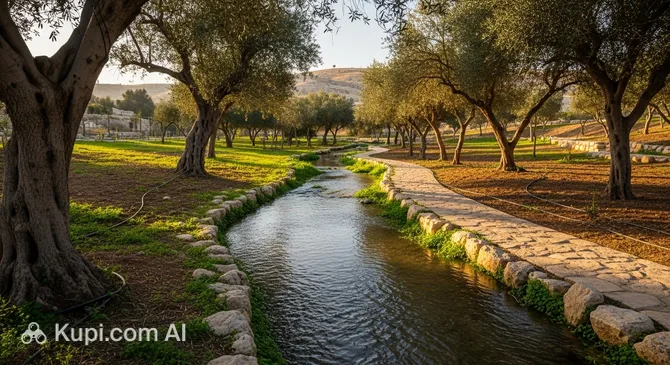
For those seeking peace and greenery, Bethlehem and its surroundings offer several interesting spots. Refaim Stream Park is a popular place for walks and family leisure, offering picturesque views. Nearby is Jerusalem Park, another green zone where you can take a break from the city noise. Special attention should be given to the ancient Solomon's Pools—an impressive system of ancient reservoirs surrounded by greenery, which is an important historical and natural site attracting both pilgrims and history buffs.

Refaim River Park. Illustration.
Source: Kupi.com AI

Traveler photos:

While Bethlehem is primarily famous for its religious shrines, which are themselves living open-air museums, the city also invites you to touch its history and culture through landmark sites. Rather than an abundance of traditional museum complexes, every stone here breathes history, and the main cultural immersion occurs through visiting historical sites that tell the story of the past and present of this ancient city.

A key site that is a must-visit is the Church of the Nativity—one of the oldest continuously operating churches in the world, built over the cave where, according to tradition, Jesus Christ was born. This site attracts millions of pilgrims and tourists from all over the world. No less significant are other shrines, such as the Shepherds' Field Chapel, marking the spot where angels announced the birth of the Savior to the shepherds, and the ancient Mar Elias Monastery, located on the way from Jerusalem to Bethlehem, offering tranquility and beautiful views.

Church of the Nativity. Illustration.
Source: Kupi.com AI

Traveler photos:

For a more authentic impression of Bethlehem, we recommend strolling through the narrow streets of the Old City, where you can find many craft shops offering olive wood carvings, mother-of-pearl items, and local ceramics. It is also worth visiting one of the local markets to experience the flavor of the city's daily life and perhaps taste traditional Palestinian dishes.

Getting Around

When planning your travel around Bethlehem, it is important to understand that the public transport system here has its own characteristics and differs from what is found in typical European metropolises. The foundation of the transport network consists of buses and shared taxis, known as "servees."

Buses run along main routes, connecting different parts of the city and nearby settlements. Schedules may not always be precise, and routes are not always obvious to a tourist. Information about the required bus is often best confirmed with local residents or at makeshift stops.

Shared taxis ("servees") are a very popular and flexible way to get around. These are usually minibuses or large passenger cars that follow specific, but sometimes variable, routes. Passengers can hail a "servees" anywhere along the route with a wave of the hand and also ask the driver to stop at their desired point. Payment is made in cash directly to the driver upon entering or exiting. The fare is usually low and fixed for certain sections of the route.

The payment system in Bethlehem's public transport is predominantly cash-based. It is recommended to carry small bills and coins. As a rule, there are no specialized travel cards or mobile apps for payment. Fares on buses and "servees" are affordable, but it is best to check the cost with the driver or other passengers before the trip, especially if you are traveling a long distance.

Practical tips for tourists:

  • Always carry cash for the fare.
  • Do not hesitate to ask locals or drivers about routes and stops.
  • If using a "servees," clearly state your destination to the driver to ensure they are heading in the right direction.
  • Buses and "servees" typically operate from early morning until evening. On Fridays and during religious holidays, the number of trips may be reduced.

Alternative ways to get around:

  • Taxis: There are many private taxis in Bethlehem. It is recommended to agree on the fare with the driver in advance, before starting the trip, as taximeters are not always used.
  • Walking: Many historical and religious attractions in the center of Bethlehem are within walking distance of each other, making walking an enjoyable way to explore the city.
  • Car Rental: This is possible, but you should take into account the specifics of local traffic and parking.

Bethlehem does not have any unique forms of transport, such as a historical metro or cable cars. The main feature is the flexibility and accessibility of the "servees" system, which is an integral part of the city's daily life.

Accommodation

In Bethlehem, travelers will find a variety of accommodation options to suit different preferences and budgets. A wide range of housing is offered: from inexpensive guesthouses and hostels, ideal for pilgrims and budget travelers, to comfortable mid-range hotels and more luxurious options. Apartments and houses for short-term rent are also available, which can be a convenient choice for families or groups.

Many tourists prefer to stay in areas within walking distance of the main shrines and attractions, such as Manger Square and the Church of the Nativity. Staying in the city center provides easy access to historical sites, restaurants, and shops. Some hotels may offer beautiful views of the city and its surroundings.

The price range for accommodation in Bethlehem varies from budget to moderately high. The cost depends on the type of accommodation, its location, and the season. You can book accommodation through popular international online platforms, travel agencies, or by contacting the hotel or apartment owner directly.

A general booking tip: if you are planning a trip to Bethlehem during major religious holidays such as Christmas or Easter, it is highly recommended to book your accommodation well in advance. During these periods, demand for lodging increases significantly, and the best options can be sold out quickly.

Nearby Cities

For those who want to explore the surrounding area, Bethlehem serves as an excellent starting point for day trips to several interesting nearby locations:

Among them, Hebron and Nablus particularly stand out. Hebron, located just 21 km away, is one of the oldest cities in the world, attracting pilgrims and tourists with the Cave of the Patriarchs and the colorful streets of the old city. It is a great place to immerse yourself in the history and culture of the region. A trip to Nablus (58 km) offers an introduction to a vibrant Old City known for its traditional soap factories and the delicious Middle Eastern sweet, kunafa; the city is also an important cultural and economic center.

CityPopulationDistance
Beit Jala13 4842 km
Beit Sahour13 2813 km
Jerusalem919 4387 km
Abu Dis12 6048 km
Beit Ummar19 89213 km

These nearby destinations allow for a deeper understanding of the rich history, culture, and daily life of the region. By planning such trips, you will be able to form a more complete picture of the diversity of these lands.

Shopping & Souvenirs

Shopping in Bethlehem is, first and foremost, an opportunity to purchase unique handmade items and religious artifacts that reflect the rich history and culture of this ancient city. Here you will find many shops and workshops where local craftsmen offer their creations, especially items made from olive wood and mother-of-pearl.

The main shopping areas for tourists are the streets adjacent to Manger Square and the historical Star Street. Along these streets are numerous souvenir shops, jewelry stores, and workshops where you can watch the creation process. There is a special atmosphere here, conducive to leisurely strolls and choosing memorable gifts.

There are few large modern shopping malls in the European sense in Bethlehem. Shopping here is more focused on small stores and markets. However, you can find small shopping complexes or groups of stores offering clothing, shoes, and everyday goods.

An integral part of shopping in Bethlehem is a visit to the local market (souk), which is usually located in the Old City. Here you can find fresh produce, spices, sweets, as well as traditional Palestinian goods, textiles, and souvenirs at more affordable prices. The market offers an immersion into the authentic atmosphere of an Eastern bazaar.

Among the typical souvenirs worth bringing back from Bethlehem, the following stand out:

  • Olive wood products: biblical figurines, crosses, rosaries, and kitchenware.
  • Jewelry and souvenirs made of mother-of-pearl.
  • Handmade ceramics with traditional patterns.
  • Palestinian embroidery (Tatreez) on clothing, bags, and home decor.
  • Religious icons and candles.
  • Local sweets, spices, and olive oil.

Shops in Bethlehem are usually open from the morning (around 9:00-10:00) until the evening (18:00-19:00). However, operating hours can vary, especially for small private shops. On Fridays, many shops owned by Muslims may be closed or have shorter hours, and on Sundays, the same applies to Christian-owned shops. Cash is most commonly accepted (it is recommended to have the local currency, Israeli shekels, although US dollars or euros may be accepted in tourist areas). Credit cards are accepted in larger stores and hotels, but in small shops and at the market, it is better to rely on cash.

Tax Free refund options for tourists in the West Bank may be limited and are not as widespread as in some other countries. If you are making a large purchase, it is worth checking with the seller if the store provides such a service and what documents are required. It is recommended to keep receipts for all purchases.

Reached the end of the page?

That means the route is fully explored