Support

Masvingo

About

Masvingo is a true African treasure located in the southeast of Zimbabwe, set amidst majestic savannas and picturesque hills. This city is often called the "gateway" to the main historical and natural wonders of the country's south. Despite its modest size and population of about 90,000, it possesses a special charm, harmoniously combining colonial architecture, a modern pace, and the vibrant traditions of the indigenous people.

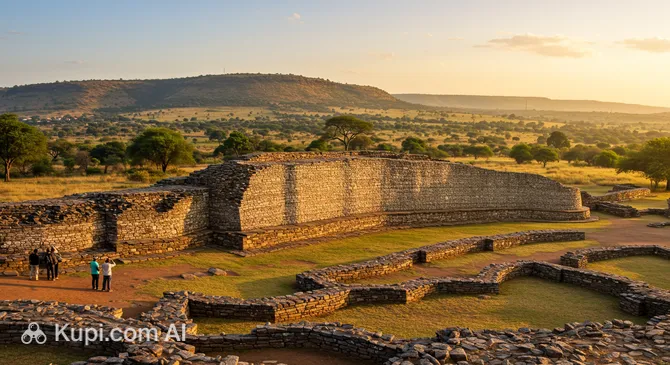
Masvingo. Illustration.
Source: Kupi.com AI

The fascinating history of Masvingo attracts many travelers, as the legendary ruins of Great Zimbabwe—one of the most mysterious and ancient monuments on the continent—are located just 30 kilometers from the center. Beyond its archaeological treasures, the region is famous for its nature: tourists can relax on the scenic shores of Lake Mutirikwi or go on a safari in national parks to see wild Africa in all its glory.

Masvingo is worth visiting for its authentic atmosphere and the sincere hospitality of the locals. Leisurely walks through shaded streets and visits to colorful markets will allow you to feel the true spirit of the country. This is a city where the past meets the present, and every corner holds its own unique secret, inspiring new discoveries.

Weather Overview

The climate in this region can be described as moderately warm, which makes traveling comfortable for most of the year. The hottest period falls in October, November, and December, when daytime temperatures often reach +29°C. With the arrival of the main rainy season, the heat subsides slightly, bringing fresh greenery and filling the rivers.

The winter months, from June to August, are characterized by dry and clear weather. During this time, the weather in Masvingo becomes noticeably cooler: the average temperature drops to +15°C, and at night the thermometer can fall to +8°C. There is practically no precipitation during this season, which is ideal for outdoor sightseeing.

Overall, expect warm summers with occasional rain and cool, dry winters. If you plan a trip at the height of the wet season (January–February), be prepared for frequent precipitation, as it can rain for more than 15 days a month.

Average monthly temperature

Average monthly precipitation

Interesting Facts

Beyond its main attractions, Masvingo holds many fascinating secrets that make a trip here truly memorable. Here are a few facts that reveal this city and its surroundings from a new perspective:

  • Architectural Mystery. Masvingo is proud to be near Great Zimbabwe—a mysterious stone city built without a single gram of cement. This complex is considered the second oldest structure in Africa after the Egyptian pyramids, and the Hill Complex, where the Royal Palace is located, offers mesmerizing panoramas of the savanna.

  • Shona Craftsmanship. The city and its surroundings are home to the guardians of ancient traditions—the descendants of the Shona people. Masvingo is famous for its skilled stone carvers who create unique sculptures in a style rooted in deep antiquity.

  • A Man-made Wonder. Near the city lies Lake Mutirikwi, which was created artificially and became one of the largest bodies of water in Zimbabwe. It is an ideal place for boating, picnicking by the water, or simply enjoying a picturesque sunset.

  • Close to Wilderness. Another feature of the region is its proximity to Gonarezhou National Park. This gives travelers an excellent opportunity to go on safari and see elephants, lions, buffaloes, and other inhabitants of the African expanses in their natural habitat.

How to Get There

When planning a trip to the ruins of Great Zimbabwe, it is important to think through the logistics in advance, as the city is located away from the hustle and bustle of the capital. You can find out more about how to get to Masvingo on a separate page, but most travelers choose a combined route: a flight to a major international hub followed by a land transfer.

Since Masvingo itself does not have a large airport receiving international flights, the main gateway for tourists is Harare International Airport (IATA: HRE). It is located in the country's capital, Harare, which is about 238 km from Masvingo. This is the country's main aviation hub with high passenger traffic. The journey by car or taxi from here takes about 3.5–4 hours, passing through picturesque landscapes.

An alternative is Bulawayo Airport (IATA: BUQ), located in the country's second-largest city, Bulawayo. It is slightly closer, about 232 km from Masvingo. This is a regional hub with medium passenger traffic, convenient for those combining a visit to Masvingo with a trip to the western part of the country. Travel time by land transport is about 3–3.5 hours.

For clarity, here is a summary of the main airports:

AirportPassenger trafficDistance
Bulawayo Airport200 000232 km
Harare International Airport1.3 mln238 km
Chimoio Airport30 000291 km

Regarding rail transport, regular passenger service to Masvingo is not currently a popular tourist option. The railways in the region are primarily used for freight, and passenger train schedules can be irregular. Therefore, relying on the train as a primary method of arrival is not recommended.

Roads remain the most reliable and common way to reach the city from the arrival airports. Comfortable intercity buses ("luxury coaches") run between Harare, Bulawayo, and Masvingo, and car rentals and private transfer services are also available. The route follows paved highways and allows you to enjoy views of the real African savanna.

Main Attractions

The main jewel of the region, for which tourists come from all over the world, is undoubtedly the Great Zimbabwe National Monument. This archaeological complex, located just a few dozen kilometers from the city, comprises the ruins of an ancient capital that flourished between the 11th and 15th centuries. Visitors are struck by the massive stone walls built using the dry stone method without mortar, and the mysterious Conical Tower. This place is steeped in mysticism and history, offering a unique chance to touch the heritage of a great African civilization.

Nature lovers should head to Lake Mutirikwi (formerly known as Kyle Dam). It is one of the largest man-made reservoirs in the country, surrounded by picturesque granite hills and wooded shores. People come here to enjoy the tranquility, have a picnic by the water, or go fishing. The landscapes here are especially mesmerizing at sunset when the water’s surface is painted in golden tones, creating ideal conditions for panoramic photos.

On the northern shore of the lake lies Kyle Recreational Park. This is a reserve where rare white rhinos, as well as giraffes, zebras, buffaloes, and many species of antelope, live in their natural environment. The park is unique because, in addition to traditional game drives, walking safaris accompanied by guides are popular here. A walk through the wilderness of Zimbabwe allows you to see animals from a safe distance, but without the glass of a car window.

Another interesting, though smaller-scale, attraction is the Italian Chapel of St. Francis of Assisi. It was built by Italian prisoners of war held in the area during World War II. This small but elegant structure is decorated with stunning frescoes and mosaics created by the prisoners' hands using materials at their disposal. The chapel serves as a touching monument to history and human craftsmanship.

Local Cuisine

A gastronomic journey in Masvingo is an immersion into the culinary traditions of the Shona people. Local cuisine is simple, filling, and incredibly soulful. The foundation of almost any meal here is sadza (or pap)—a thick porridge made from white cornmeal, similar to polenta. It is traditionally eaten with the hands, rolled into small balls and dipped into aromatic side dishes: stewed meat, greens, or a rich peanut butter sauce. Every home and cafe has its own secret to making the perfect sadza, so you can try it endlessly.

For those ready for culinary experiments, Masvingo's markets offer a true African delicacy—mopane worms. These large caterpillars are usually dried or fried until crunchy and seasoned with spices. Locals value them as an important source of protein and call them a "superfood," while for a tourist, it’s a chance to experience entirely new taste sensations.

Street food in the city is a pleasure all its own. Walking through the streets, it's impossible to pass by the smell of roasted maize on the coals or appetizing meat skewers. Various flatbreads are also popular here and are perfect for a quick snack. Fresh tropical fruits and vegetables, which abound on local stalls, make an excellent addition to lunch.

Speaking of drinks, one cannot fail to mention the traditional beer chibuku. This thick, low-alcohol beverage is made from fermented maize or sorghum. Its taste might seem unusual—with a slight sourness and bready notes—but chibuku is a constant attribute of local holidays, family celebrations, and friendly gatherings accompanied by live music.

Travel Tips

Welcome to Masvingo! To ensure your journey to the heart of Zimbabwean history is as comfortable and safe as possible, we have prepared a list of practical recommendations. These tips will help you feel confident in any situation, from walking through ancient ruins to interacting with locals.

  1. Clothing and Gear. Masvingo has a warm climate, so you'll be comfortable in light clothing made of natural fabrics (cotton, linen) during the day. However, evenings can be cool, so be sure to bring a fleece jacket or windbreaker. For visiting the ruins of Great Zimbabwe, comfortable closed shoes with flat soles are critical—you'll be walking a lot, often on uneven stony paths. Also, don't forget a hat, sunglasses, and a power adapter (British Type G is used here).
  2. Transport. Public transport in the city mainly consists of overcrowded minibuses, which aren't always convenient for a tourist with luggage. The best way to get around is by official taxi. Important: negotiate the fare in advance, before you get into the car, as meters are rarely used. If you want freedom of movement and plan to visit Lake Mutirikwi, consider renting a car, but remember to drive on the left.
  3. Finances. De facto, the primary currency for tourists is the US dollar. It's crucial to have a supply of cash in small denominations ($1, $5, $10), as finding change for large bills is a major problem. International cards (Visa, Mastercard) are accepted in large hotels and supermarkets, but terminals can be unreliable, and ATMs often do not dispense foreign cash. Tips of 5-10% are appreciated but at your discretion.
  4. Health and Safety. Drink only bottled water and avoid ice in drinks at small cafes. Although Masvingo is considered a low-malaria-risk zone compared to low-lying areas, using repellent is mandatory, especially in the evening. The city is quite safe, but you should not walk alone in unlit outskirts at night or leave valuables unattended. Pharmacies are available in the center, but it's better to bring specific medications with you.
  5. Communication. English is the official language and is spoken by most of the population, so communication won't be an issue. For stable connection and internet, we recommend buying a local SIM card (e.g., Econet or NetOne) immediately upon arrival—hotel Wi-Fi isn't always fast. Download offline maps of the region in advance, as network coverage can drop outside the city.
  6. Local Etiquette. Zimbabweans are very polite and hospitable people. It is customary to say "Hello" or "How are you?" even to strangers before asking a question. When shaking hands, locals often support their right arm with their left hand as a sign of special respect—you can do the same. Always ask for permission before photographing people.
  7. What to Avoid. It is strictly forbidden to photograph government buildings, police stations, military personnel, or motorcades—this can lead to serious legal trouble and confiscation of your camera. Also, avoid political discussions with locals; it's better to focus on neutral topics like nature, sports, or family.
  8. Beware of Monkeys! Many baboons and monkeys live around the attractions, especially near the ruins and the lake. They may look funny, but they often behave boldly. Never feed them and do not leave food in plain sight. Keep car windows closed and bags tightly zipped to avoid theft of your snacks or belongings.

By following these simple tips, you can fully immerse yourself in the atmosphere of ancient Africa without being distracted by everyday trifles. Masvingo is a welcoming city ready to reveal its secrets if you show it a little respect and attention!

Entertainment & Nightlife

Nightlife in Masvingo is significantly different from the noisy parties in the capital, Harare. You won't find neon signs of huge night clubs on every corner, but that doesn't mean the city sleeps after sunset. Evening entertainment here is more relaxed and intimate, perfect for discussing impressions after a trip to the ruins of Great Zimbabwe. The bars at major hotels and a few local pubs traditionally become the center of attraction for tourists and the local elite.

Main activity is concentrated in the central part of the city and its adjacent areas. For travelers, the safest and most comfortable way to immerse themselves in the evening atmosphere is through the venues at well-known hotels. Here, you can expect quality service, imported drinks, and a calm crowd. The dress code in most places is casual, which is appropriate everywhere; however, beachwear is best left for the poolside.

If you are looking for proven places to spend a pleasant evening, consider the following establishments:

Chevron Hotel. This is one of the most famous spots in the city, serving not only as a hotel but also as a center of social life. Expats and tourists often gather in the local bar. Here, you can have dinner in a restaurant with a pleasant atmosphere, enjoy a cocktail, and listen to music. It tends to be livelier on weekends, sometimes hosting themed nights.

Flamboyant Hotel. Another popular point on Masvingo's entertainment map. The hotel bar offers a relaxed setting, ideal for couples or small groups. It’s a great place to try the local Zambezi beer or imported wines in a safe and cozy environment.

For those who want to feel the real local flavor, there are so-called "bottle stores" and open-air bars where meat is grilled (braai) and loud African music plays. The atmosphere there is very friendly and boisterous, but it's better to visit such places with a local guide or acquaintances to feel more confident.

Safety and Transport. Masvingo is a relatively quiet city, but walking on unlit streets at night is not recommended. Public transport practically doesn't run late. The best way to get to your hotel or a bar is to call an official taxi. Arrange with the driver in advance to pick you up, or ask the venue staff to call a car for you. Always have small US dollar cash on hand, as cards may not be accepted.

As for daytime entertainment, the city offers more than just historical tours. Culture lovers can visit the Charles Austin Theatre—the city's cultural center, which regularly hosts productions by local theater troupes, music concerts, and community events. It’s also worth stopping by the small parks in the center for a quiet rest or visiting museums that tell the story of the region's rich heritage.

Parks & Museums

Masvingo, being the oldest colonial settlement in Zimbabwe, offers tourists a fascinating blend of natural recreation areas and a deep dive into history. The city and its surroundings are not just about ancient ruins, but also well-kept gardens, protected areas, and museums housing unique artifacts of African civilizations.

Natural Areas and Parks

While the city center itself is quite compact, the real natural treasures are found in its immediate vicinity. The region's main green oasis is Kyle Recreational Park. This is not just a place for safari, but also a magnificent landscape zone with diverse vegetation. Here, you can find specially equipped picnic sites under the shade of sprawling msasa trees, offering peaceful views of the lake's water. The park is ideal for those who want to take a break from the city bustle surrounded by wildlife.

Another popular spot for walks is the Mutirikwi Dam Gardens. The area around the dam wall is landscaped with neat lawns and flower beds. This is a favorite location for both locals and tourists for Sunday strolls. The site is particularly charming due to the views of the engineering structure holding back millions of cubic meters of water, contrasted with the soft greenery of the gardens and the rugged granite hills on the horizon.

Museums and Cultural Heritage

A central part of any traveler's cultural program is the Great Zimbabwe Museum, located at the foot of the famous archaeological complex. This is one of the most significant museums in the country. Its exhibition is dedicated to the history and daily life of the people who inhabited the ancient city. The star exhibits here are seven of the eight original Zimbabwe Birds—soapstone carvings that have become a national symbol and are depicted on the country's flag. The museum is small but very informative, allowing one to understand the scale and grandeur of the ancient Shona civilization.

Next to the museum is the Karanga Village Reconstruction. This is an open-air museum recreating traditional 19th-century life. Visitors can enter huts, learn about the lifestyle of the locals' ancestors, and see potters and blacksmiths at work. Dance troupes and "nganga" (traditional healers) often perform here, turning the visit into a vivid and interactive immersion into the culture.

Historical Monuments of the City

In the heart of Masvingo, an important historical site remains—The Bell Tower, part of the old Fort Victoria founded in 1890. This is the oldest colonial-era stone building in the country. The tower stands as a reminder of the early period of the city's foundation and is a popular spot for a quick photo session while walking through the center.

Insider Tip

Don't miss the small stone sculpture galleries located along the road to Great Zimbabwe. Masvingo is home to many talented sculptors working in the "Shona art" style. Unlike formal museums, here you can not only view contemporary works of art but also talk to the masters and purchase a piece you like as a unique souvenir.

Getting Around

The public transport system in Masvingo differs significantly from what residents of major metropolises are used to. Here you won't find subways, trams, or trolleys. The city is quite compact, and its transport network is simple and primarily oriented toward road transport. For a tourist, this means choosing between an authentic experience of traveling with locals and the comfort of a private transfer.

The main and practically only form of public transport is the minibus taxi, which locals call "kombis." These are vans, usually white, seating about 15–18 passengers. They run between the city center, residential areas, and surrounding settlements. Kombis do not have a fixed schedule: they depart from terminals only when the cabin is completely full. This can take anywhere from 5 minutes to an hour depending on the destination and time of day.

Stops are often not marked with signs. In the city center, there are specific transport hubs (ranks) where the minibuses gather. To stop a vehicle on the street, simply raise your hand. The destination is usually displayed on the windshield, but it's safer to ask the driver or conductor (windy boy) exactly where the bus is going before boarding.

The payment system in Masvingo's public transport is exclusively cash. No transit cards, contactless payments, or mobile apps are provided. Payment is made to the conductor inside the cabin. The fare within the city is fixed and low, usually ranging from $0.50 to $1 USD per trip. It is crucial to have small bills ($1) or coins, as issues with change are common.

For tourists, a more convenient and safer alternative is taxis. They can be found at ranks near major hotels and supermarkets, or called by phone (apps like Uber or Bolt are not available or poorly developed here). Unlike kombis, taxis will take you directly to the door of your hotel or attraction. It's important to remember that meters are rarely used, so the fare should be negotiated with the driver in advance, before boarding.

Car rental is a popular choice among travelers who want to visit the ruins of Great Zimbabwe or Lake Mutirikwi at their own pace. There are several rental agencies in the city, but it's better to book a car in advance. Driving in Zimbabwe is on the left, and road quality within the city is acceptable, though potholes can be found on the outskirts.

Walking is also an excellent way to get around, especially in the central business district (CBD), where shops, banks, and administrative buildings are located. Masvingo's center is small and easily covered on foot in half an hour. However, it's best to refrain from walking after dark and use a taxi instead.

Practical tips for passengers:

  • If you decide to use a kombi, be prepared for crowded conditions and loud music. It's a colorful but not the most comfortable experience.
  • Public transport is active from early morning (around 6:00 AM) to early evening (6:00 PM – 7:00 PM). After sunset, catching a kombi becomes difficult.
  • When taking a taxi, always have small US dollar bills, as drivers often cannot give change for large notes ($10, $20, $50, or $100).
Accommodation

The choice of accommodation in Masvingo and its surroundings is diverse enough to satisfy the needs of both budget tourists and those looking for comfort and a unique atmosphere. Travelers can choose between classic city hotels, cozy lodges in the savanna, guesthouses, and organized campsites in the heart of nature.

In terms of location, accommodation options are clearly divided into two main groups. The City Center is convenient for those passing through Masvingo, traveling on business, or preferring to be within walking distance of shops and transport hubs. Colonial-era hotels and modern mid-range hotels predominate here. The second and most attractive zone for tourists is the area around the ruins of Great Zimbabwe and Lake Mutirikwi (about 25–30 km from the city). Staying here allows you to enjoy the silence, picturesque views of the granite hills, and proximity to the main attractions.

In the resort area near the lake and ruins, you can find atmospheric lodges whose architecture often echoes the style of the ancient stonework of Great Zimbabwe. Many offer accommodation in comfortable chalets or traditional round houses (rondavels) with thatched roofs. For lovers of more rustic stays, campsites are equipped on the shores of the lake where you can safely pitch a tent, have a barbecue, and watch the sunrise by the water.

Booking Tips and Prices. The price range in the region can be described as moderate. There are budget options for backpackers and self-drive tourists, as well as "comfort" and "standard" category hotels. The premium segment is represented by several exclusive lodges, but ultra-expensive luxury is practically non-existent here. It is worth booking accommodation, especially lodges with views near the Great Zimbabwe monument, in advance, as demand significantly exceeds supply during holidays and peak seasons. Major hotels are listed on international aggregator sites, but for booking small guesthouses or campsites, it is often more effective to contact the management directly.

Nearby Cities

For those who want to explore the surroundings, Masvingo serves as an excellent starting point for day trips to several interesting nearby locations:

The closest city is Gweru—the capital of the Midlands province. The road there takes about two hours, making it an ideal option for an easy trip. Gweru is known for its Military Aviation Museum, as well as its proximity to the private "Antelope Park" reserve, where you can have a unique experience observing lions and elephants. It’s an excellent choice for those who want to combine travel with active outdoor recreation.

History and urban culture lovers should visit Bulawayo. This is the country's second-largest city, featuring wide shaded avenues and beautiful colonial architecture. It is home to the Natural History Museum of Zimbabwe—one of the best on the continent. A one-way trip takes about 3–3.5 hours, so it's best to leave early in the morning to fully enjoy the atmosphere of this cultural hub.

If you are drawn to mountain landscapes, look towards Mutare. The city is located in a picturesque valley and serves as the gateway to the Eastern Highlands. Although it's a long journey, the views of the misty Bvumba Mountains and a visit to the botanical gardens will be a worthy reward. This place differs strikingly from the savannas around Masvingo with its cool air and lush greenery.

CityPopulationDistance
Zvishavane35 22986 km
Shurugwi22 900100 km
Chivhu10 263117 km
Gweru141 260126 km
Buffalo Range127 km

These nearby destinations provide insight into the diverse culture and landscapes of the region.

Shopping & Souvenirs

Shopping in Masvingo can hardly be called a typical tourist activity in the usual sense: you won't find multi-story malls with global brands or luxury boutiques here. However, for a traveler looking for unique souvenirs and wishing to immerse themselves in local life, this city opens up interesting opportunities. Trade here is concentrated in colorful markets, small artisan shops, and supermarkets that provide everything necessary.

The main pride of the region is stone products. Since the province is considered the birthplace of the famous Shona sculpture, this is exactly where you can purchase authentic works of art. Along the road leading to the ruins of Great Zimbabwe, as well as at the entrance to the archaeological complex itself, there are numerous souvenir stalls. Local masters offer elegant figurines made of soapstone and serpentinite, depicting animals, spirits, or abstract figures. Buying here is advantageous because you often purchase directly from the artist, bypassing middlemen, and can hear the story behind each work.

In addition to stone carving, look out for the following goods:

  • Pottery—painted pots and bowls with traditional geometric patterns characteristic of the "Great Zimbabwe" culture.
  • Textiles—vibrant "chitenje" fabrics, which local women use as clothing or slings. They make excellent tablecloths or bedspreads.
  • Woven items—handmade baskets and mats made from palm leaves or reeds, which will serve as a stylish interior element.

If you want to feel the real rhythm of the city, head to Chitima Market. This is a huge, noisy, and chaotic space where literally everything is sold: from the freshest farm vegetables and fruits to clothing and household items. This is the place to buy seasonal fruits—mangoes, avocados, or bananas—which are incredibly flavorful and cheap by European standards. Be prepared for the market to be very crowded, and keep an eye on your belongings.

For purchasing familiar groceries, bottled water, hygiene products, or restocking before a safari, it's best to use chain supermarkets in the city center, such as OK or TM Pick n Pay. These stores have fixed prices, accept cards (though terminals may occasionally fail), and are air-conditioned. They are islands of stability and cool in the middle of a hot city.

Tips for Shoppers:

  • Bargain. In markets and souvenir shops, bargaining is not just appropriate; it is expected. The initial price for a tourist can be 2–3 times higher. Smile, be polite, but firm.
  • Cash is King. Small shops and markets do not accept cards. Always carry small denominations of US dollars ($1, $5, $10), as finding change for $20 or $50 is often impossible.
  • Support the locals. By buying souvenirs from street artisans, you make a direct contribution to the economy of local families, for whom tourism is often the only source of income.

Reached the end of the page?

That means the route is fully explored