Support

Mutare

About

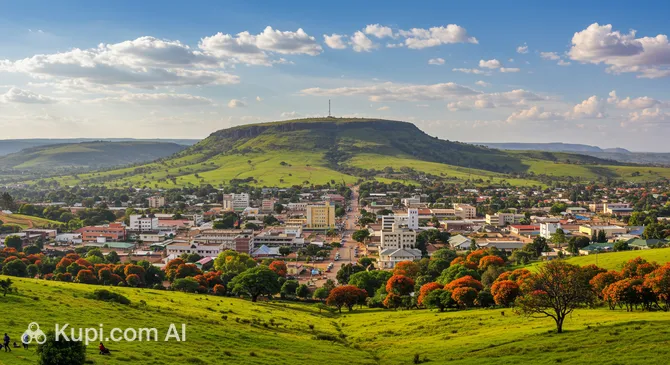
Mutare is a true gem, nestled at the foot of the Eastern Highlands mountains, right on the border with Mozambique. This picturesque city is often called the "gateway" to one of the continent's most beautiful regions, as it is literally integrated into a landscape of green hills and valleys.

As the fourth-largest settlement in Zimbabwe and the administrative center of Manicaland Province, Mutare surprisingly combines the rhythm of modern life with the tranquility of nature. Home to over 200,000 people, the city greets you with cozy streets and a relaxed, friendly atmosphere instead of the usual urban hustle and bustle.

Mutare. Illustration.
Source: Kupi.com AI

The city is rightfully considered a "garden city" thanks to its abundance of green parks and flowering alleys. The history of Mutare and its colonial past have left their mark on the architecture, creating a unique mix of tradition and modernity. Walking through the center, you can find both colorful markets and modern cafes where you can relax after a day of sightseeing.

The main attraction of Mutare lies in its surroundings. The city serves as an ideal starting point for exploring national parks and reserves located within easy reach. Tourists come here to enjoy panoramic views from observation decks, breathe in the fresh mountain air, and immerse themselves in the authentic culture of the region.

A visit to Mutare will be an unforgettable experience for those seeking harmony between nature and civilization. This is a place where you can rest your soul and discover an unexplored but welcoming side of Africa.

Weather Overview

The city's climate is largely determined by its location in the mountainous area of Manicaland Province, which makes conditions here milder and more comfortable compared to the country's lowland regions. To choose the ideal time for your trip, we recommend checking what the weather in Mutare will be like during your visit. In general, there is no extreme heat here, making the city pleasant to visit year-round.

The period from November to March is considered the local summer and coincides with the rainy season. During this time, the air warms up to an average of +26°C, with December and January being the warmest months. However, you should be prepared for frequent precipitation: for example, about 20 rainy days are recorded in January. High humidity promotes lush greenery, turning the surroundings into a veritable garden.

From May to August, a dry and cooler season sets in. This period is characterized by clear days and almost a complete absence of precipitation (rain is very rare in June and July). Daytime temperatures remain comfortable, around +20...+23°C, but nights can be brisk: in June and July, the temperature often drops to +8...+9°C.

Expect a warm summer with occasional rain and a cool, dry winter. If you are planning a trip in the middle of the year, be sure to bring warm clothes for evening walks, whereas for a summer visit, an umbrella or raincoat will come in handy.

Average monthly temperature

Average monthly precipitation

Interesting Facts

In addition to picturesque landscapes and mountain panoramas, Mutare holds many fascinating stories and features that make it unique. Here are a few facts to help you get to know this colorful corner of Africa better.

  • Royal Delight. One of the city's hallmarks is the Prince of Wales View observation deck. According to legend, it received its name after a visit from the Prince of Wales, who was so struck by the beauty of the surrounding landscapes and hills that the spot was named in his honor.

  • Historical Crossroads. The city was founded in the late 19th century as a strategically important trading post on the route between Zimbabwe and Mozambique. Thanks to its favorable location, it quickly transformed into a major economic and transport hub in the eastern part of the country.

  • Garden City. Local residents are proud of Mutare's unofficial status as one of the greenest cities in the country. Tourists often note not only the abundance of gardens and park areas but also the particular cleanliness and tidiness of the streets, which creates a very cozy atmosphere for walks.

  • Regional Treasure Trove. A unique museum is located in the vicinity, showcasing a rich collection of artifacts. Here, you can study the history and culture of the region in detail and see exhibits dedicated to the rare flora and fauna of the Eastern Highlands.

How to Get There

Planning a trip to this picturesque corner of the Eastern Highlands requires attention to logistics, as there are no direct flights specifically to the city. However, Mutare is an important transport hub, and you can get here in various ways, enjoying magnificent African landscapes along the way. We provide detailed information about all the ways to get to Mutare on a separate page, but here we will highlight the main routes.

For most travelers heading to Zimbabwe from afar, the capital serves as the main point of entry. Harare International Airport (HRE) is the country's largest aviation hub, receiving regular flights from all over the world. It is located about 200 kilometers from your destination. The journey from the airport by car or bus takes place on a high-quality highway and lasts about three to four hours.

Geographically, Chimoio Airport is the closest to the city, located just 82 kilometers away. However, keep in mind that it is in neighboring Mozambique, which will require crossing an international border and fulfilling the relevant visa formalities. Another alternative in the same direction is Beira Airport, located on the Indian Ocean coast.

AirportPassenger trafficDistance
Chimoio Airport30 00082 km
Harare International Airport1.3 mln203 km
Beira Airport198 269253 km

Ground transport links to Mutare are well-developed. An asphalt road leads from Harare through the picturesque Christmas Pass, offering spectacular views of the valley. Tourists often use comfortable intercity buses that run on schedule or rent cars to have the freedom to move around Manicaland Province.

Main Attractions

Mutare is often called the "gateway" to the Eastern Highlands, and this title is well-deserved. The city and its surroundings offer a wonderful combination of wildlife, rich history, and art. Here, you can see elephants just a couple of kilometers from the central streets or walk through misty forests that look like something out of a fairy tale. Here is a list of places you should definitely include in your travel itinerary.

Cecil Kopje Nature Reserve
This unique place is literally on the city's doorstep, just a few kilometers from the center. The reserve allows you to plunge into the world of African fauna without traveling far from civilization. Here, against the backdrop of picturesque mountains, giraffes, zebras, antelopes, and even elephants roam freely. The area by the dam is particularly popular, where you can have a picnic while watching the animals at the watering hole. It's an ideal option for those who want to feel the spirit of a safari but are limited on time.

Mutare Museum
One of the best national museums in Zimbabwe, it will surprise even seasoned travelers. Its pride is a unique collection of vintage vehicles, including rare cars, steam engines, and wagons used by the first settlers. In addition to machinery, there are exhibitions dedicated to the archaeology, ethnography, and nature of the region. A small zoo with birds and snakes, as well as dioramas recreating local ecosystems, make the museum interesting for both adults and children.

Vumba Botanical Gardens
Located about a 30-minute drive from the city, these gardens are often called the "Mountains of Mist." It is an oasis of cool and greenery where you can see rare species of orchids, tree ferns, and ancient trees. Walking trails wind through blooming azaleas and begonias, while observation decks offer breathtaking views of the valleys and neighboring Mozambique. Samango monkeys, local inhabitants of the forest, are often seen curiously watching the tourists.

National Gallery of Zimbabwe in Mutare
Art lovers should visit this atmospheric place located in the historic Kopje House. Built in 1897, the house itself is an architectural monument—it once housed the city's first hospital. Today, its walls display works by talented local artists and sculptors. The gallery serves as an excellent platform for getting acquainted with the contemporary culture of the region and buying authentic souvenirs.

Local Cuisine

Mutare's culinary scene is a colorful reflection of the cultural crossroads at which the city stands. Proximity to the border has brought bright notes of neighboring Mozambique's cuisine into local traditions, seamlessly weaving them with authentic recipes from the people of Manicaland Province. The staple of any meal here remains sadza—a thick and filling porridge made from white cornmeal. On its own, it has a neutral taste, so it is almost always served with rich accompaniments: stewed meat, leafy greens, or thick, aromatic peanut-based sauces.

Meat lovers should try the goat or chicken, cooked over coals with a generous addition of spicy herbs—this method of roasting gives the food a unique smoky aroma. Thanks to the rivers flowing nearby, fresh fish is often found on the menus. A special treat for tourists is the seasonal fruit: local stalls are always filled with juicy mangoes, papayas, and passion fruit, which are sold in abundance here.

Street food in Mutare is not just a quick snack but an important part of city culture. Walking through the busy markets, it's impossible to pass by the aroma of roasted corn on the cob and fresh flatbreads. Be sure to try samosas with savory fillings and crispy sweet potato chips. The city's atmosphere is best felt at the markets and in small street cafes: they are always noisy, fun, and provide a great opportunity to observe the daily life of local residents.

Among the drinks, mahewu deserves special attention—it's a traditional non-alcoholic beverage made from fermented corn that quenches thirst perfectly and is considered very nutritious. If your trip to Zimbabwe falls during the harvest season, you will have the chance to visit food fairs and festivals where farmers offer tastings of the best homemade preserves and regional delicacies.

Travel Tips

Welcome to Mutare! To ensure your trip to the "gateway of the Eastern Highlands" is as comfortable as possible and leaves only warm memories, we have prepared a list of useful recommendations. These tips will help you feel confident and avoid common mistakes in this hospitable city.

  1. Clothing and Equipment. The climate here is milder and cooler than in other regions of the country due to its mountain location. It can be warm during the day, but evenings often bring a chill, so layering is your best friend. Be sure to bring comfortable shoes for walking on hilly terrain and a light jacket or fleece. During the rainy season (November to March), definitely bring a reliable raincoat.
  2. Transport. Local "combi" minibuses run around the city, but they are often overcrowded, drive chaotically, and are not always convenient for tourists with luggage. For comfortable travel, it is better to use official taxis. Important: agree on the price of the trip in advance, before getting into the car, as meters are rarely used. If you plan to explore the surroundings, renting a car (preferably an SUV) is the wisest decision.
  3. Financial Matters. In Zimbabwe, the US dollar is the de facto primary currency. We strongly recommend having a supply of cash, specifically small bills (1, 5, 10 dollars), as vendors and taxi drivers often don't have change for large notes. International cards are accepted in large supermarkets and hotels, but terminals can be intermittent due to connectivity or electricity.
  4. Health and Safety. Mutare is a peaceful city, but basic precautions are necessary: do not walk alone in unlit areas at night and keep an eye on your belongings in markets. Drink only bottled water. Although the risk of malaria is lower in the mountains than in the lowlands, using repellents in the evening is essential. There are pharmacies in the center, but few are open 24 hours, so it's best to bring your own personal first-aid kit.
  5. Connectivity and Communication. English is the official language and is fluently spoken by the vast majority of locals, so you won't experience a language barrier. For mobile internet, we recommend buying a local SIM card (popular operators are Econet or NetOne) at an official office—you will need your passport for registration. Wi-Fi is available in cafes and lodges, but the speed isn't always high.
  6. Local Etiquette. Residents of Manicaland Province are very polite and appreciate respectful behavior. Greeting is an important ritual here: it is customary to say hello even to strangers, asking "How are you?" before asking your question. Do not rush; showing impatience can be perceived as rudeness. Always ask permission before taking photos of people.
  7. What to Avoid. Categorically avoid wearing clothing with a camouflage print—it is strictly prohibited by law for civilians and can lead to confiscation of items or a fine. Also, refrain from photographing any government buildings, police posts, military sites, and convoys.
  8. Caution on the Roads. If you decide to go into the mountains (for example, to the Vumba area), be prepared for sudden and very thick fogs, which locals call "gati." Visibility can drop to a couple of meters in minutes. In such conditions, it is better to stop in a safe place and wait it out, or move with extreme caution with your headlights on.

Mutare charms with its calm pace and proximity to wildlife. By following these simple practical tips, you can relax, avoid unnecessary hassle, and fully enjoy the unique atmosphere of this green corner of Africa.

Entertainment & Nightlife

The nightlife in Mutare differs from the noisy and endless parties of the capital. You won't find massive metropolitan clubs with world-renowned DJs here, but that doesn't mean the city sleeps once the sun goes down. Evening leisure in the "gateway to the Eastern Highlands" is primarily about a cozy atmosphere, lively conversation, and the chance to immerse yourself in the local flavor without unnecessary pretense.

The hubs for evening life for tourists are traditionally the bars and restaurants located within major hotels. These are the safest and most comfortable locations, maintaining high service standards. The crowd here is a mix of travelers, expats, and affluent locals. The dress code in these places is usually "smart casual"—neat everyday style—though there are rarely strict restrictions at the entrance.

If you are looking for specific spots for evening relaxation, consider the Golden Peacock Villa Hotel. On weekends, it often boasts a lively atmosphere with discos, karaoke nights, and entertainment programs. It is one of the few places in the city that resembles a nightclub format. Another classic option is the bar at the Holiday Inn Mutare. This is the perfect place for a quiet evening where you can enjoy a cocktail in a respectable setting and discuss your travel impressions.

For those who want to see the "real" Zimbabwe, there are so-called "bottle stores" and open-air pubs in the city center and suburbs. On Fridays and Saturdays, locals gather here in large groups to grill meat (braai), listen to loud African music, and socialize. The atmosphere is very casual and noisy. However, tourists are advised to visit such places only when accompanied by a local guide or acquaintance to feel comfortable and avoid misunderstandings.

Practical Tips and Safety:

  • Transport: Public transport practically stops running at night. To move between venues and your hotel, always use an official taxi. Do not hitchhike on the street and avoid walking after dark, even if the distance seems short.
  • Prices: The cost of leisure in Mutare is quite affordable. A glass of local beer in a bar will cost an average of $2–4, and cocktails are slightly more expensive. Most establishments prefer cash (US dollars in small denominations).
  • Opening Hours: Hotel bars usually stay open until midnight or 1:00 AM, while local pubs might close later, especially on weekends.

If night adventures aren't your thing, Mutare offers excellent daytime leisure options to round out your trip. In addition to the previously mentioned museums and galleries, the city has several cinemas and shopping centers where you can escape the midday heat. But the main entertainment remains nature: short picnic trips to parks or visiting coffee plantations in the Vumba area will give you a boost of energy before your evening rest.

Parks & Museums

Mutare rightfully earns its title as Zimbabwe's "garden city": green zones here are not just decoration but an integral part of the urban environment, harmoniously coexisting with cultural institutions. For tourists, this opens up a great opportunity to combine walks in the fresh air with an immersion in the region's history without leaving the city limits.

Mutare Main Park
Located in the heart of the city, this park is a favorite relaxation spot for locals and a peaceful oasis for travelers. Of particular value is the aloe garden, which houses an impressive collection of these succulents, including many endemic species. During the flowering period, which usually falls in the winter months (June-July), the park is painted in bright fiery red and orange tones, creating a stunning backdrop for photos. Well-maintained paths and artificial ponds make it an ideal place for a leisurely afternoon stroll.

Murahwa’s Hill Nature Reserve
If you want to experience wildlife without traveling far from civilization, head to the base of Christmas Pass. This reserve combines natural beauty with historical mystery. Here, among the dense forest, many rare species of birds and butterflies live, attracting naturalists. Additionally, traces of ancient settlements and rock paintings left by the ancestors of the region's modern residents can be found on the hill. This spot is great for a short hike and a picnic in the shade of the trees.

Utopia House Museum
One of the city's hidden gems is a historic house built in 1897. It once belonged to Kingsley Fairbridge, a famous poet and social activist of the colonial era. The thatched-roof building itself is an architectural monument that preserves the atmosphere of the late 19th century. Inside, the interior of that time has been recreated, and the exhibition tells the story of the first settlers and the city's development. A visit to "Utopia" allows you to look at Mutare through the prism of time and learn about the individuals who shaped its appearance.

Cross Kopje
Speaking of historical monuments, one cannot fail to mention the massive stone cross rising on a hill above the city. This monument was erected in memory of Black soldiers from East Africa who died in the First World War. A trail leads to the monument, and the climb is worth the effort not only as a tribute to history but also for the panorama. The summit offers perhaps the best view of the city and the valley, especially in the rays of the setting sun.

Insider Tip: If you are interested in architecture and art, take a look at the Kopje House building. Although it now houses part of the National Gallery's collection, the building itself (formerly the city's first hospital) is interesting for its stonework and design. And for the best introduction to the flora, be sure to ask local guides about the blooming time of the jacaranda trees—during this period, the streets around the parks turn into lilac tunnels.

Getting Around

The transport system in Mutare is significantly different from what residents of megacities are used to. You won't find a metro, trams, or city trains here. The city is quite compact, and its transport network is entirely based on road travel. For a tourist, this means choosing between an authentic but chaotic local experience and the comfort of a private transfer.

The primary means of transport for most local residents are minibuses, which are called "combis" here. These are vans with a capacity of about 15–18 people that run between the city center and residential suburbs. They have fixed routes but no set schedule: the vehicle departs when all seats are filled. Stops often occur at the request of passengers or at informal gathering points.

The fare payment system in public transport is extremely simple and traditional: only cash is accepted. There are no transport cards, mobile apps, or validators. Payment is made to the conductor or driver upon boarding. It is very important to have small bills (1 dollar denominations or local coins if in circulation), as the driver may simply not have change for large banknotes. The fare for travel around the city is usually fixed and very low.

For tourists, taxis remain the most convenient and safe option. Global aggregators like Uber are not common in Mutare, so a car is usually ordered through the hotel reception or found at special stands in the center. It is critical to agree on the fare before getting into the car, as taximeters are rarely used. Choose officially registered taxis (often with appropriate markings), avoiding private drivers in regular cars for safety reasons.

If you plan to explore not only the city center but also the picturesque surroundings like the Vumba Mountains, the best solution is to rent a car. There are several rental agencies in the city offering SUVs, which are ideal for the local terrain. This will give you complete freedom of movement and eliminate the need to adjust to the unpredictable schedule of public transport.

The central part of Mutare, where the main shops, banks, and administrative buildings are located, is compact enough to explore on foot. This is a great way to feel the city's atmosphere; however, after dark, it is better to refrain from walking and take a taxi, even if the distance seems insignificant.

Accommodation

The choice of accommodation in Mutare will pleasantly surprise you with its diversity: there are no massive skyscrapers with hundreds of rooms, but there is an abundance of cozy options harmoniously integrated into the natural landscape. Tourists can choose between classic city hotels, atmospheric colonial-style lodges, and budget guesthouses, which are very popular in Zimbabwe.

If being within walking distance of shops, banks, and transport hubs is important to you, consider staying in the Central Business District (CBD). This is where you'll find the main business hotels offering standardized service and reliable infrastructure. However, many travelers prefer to stay in the green suburbs such as Murambi or Greenside. These areas are just a 5–10 minute drive from the center but offer a completely different level of quiet, safety, and comfort, often featuring rooms with garden or mountain views.

The hospitality sector in the city is represented by both local and international brands. In the mid-range and high-end categories, you can find hotels offering swimming pools, conference rooms, and on-site restaurants—an excellent choice for those accustomed to European standards of comfort. Small boutique hotels and lodges located on the way out of town toward the Vumba Mountains add a special charm to the region. Staying there allows you to combine the convenience of city infrastructure with a sense of complete unity with nature.

Booking Tip: Mutare is a popular destination not only for foreign tourists but also for locals, especially during school holidays and public holidays (Easter, Christmas, Heroes' Day). During these times, demand for quality accommodation rises sharply, so we strongly recommend booking your rooms several weeks, or even months, in advance.

The price range varies from budget options ($30–50 USD per night) in simple guesthouses to mid-range and high-end segments ($80–150 USD and above) in respectable hotels and resort lodges. Large hotels are generally available on international booking platforms; however, for reservations at small private guesthouses, it is often more effective to contact the owners directly through their websites or messaging apps.

Nearby Cities

For those who want to explore the surrounding area, Mutare serves as an excellent starting point for day trips to several interesting nearby locations:

One of the most attractive destinations for cultural and historical tourism is Masvingo. Although the journey takes some time, the trip is well worth it, as the ruins of Great Zimbabwe—a UNESCO World Heritage site—are located near this city. This is a unique archaeological complex with massive stone walls built without mortar, allowing you to touch the greatness of ancient African civilizations.

If the rhythm of a big city calls to you, you can head to the country's capital, Harare. This is a dynamic metropolis with wide avenues, modern shopping centers, and a rich cultural life. Here, you should visit the National Gallery, stroll through the famous gardens, or stop by Mbare Market to buy souvenirs and feel the contrast between peaceful mountain Mutare and the capital's bustle.

For those interested in the life of local communities, Chitungwiza can be an interesting point of interest. This is a rapidly growing satellite city of the capital, known for its energy and creative potential. Many artisans and artists live here, and visiting local workshops can be a great way to get acquainted with contemporary art and the daily life of Zimbabwe's urban residents.

CityPopulationDistance
Sakubva50 0003 km
Manica4 00021 km
Rusape37 90676 km
Chimoio238 97685 km
Catandica29 052114 km

These nearby destinations provide an insight into the diverse culture and landscapes of the region.

Shopping & Souvenirs

Shopping in Mutare is more about immersion in local flavor and everyday life than a hunt for global brands. As it is a border city (near Mozambique), trade is brisk but has a very specific character. Tourists shouldn't expect huge glossy malls; instead, the city offers functional shopping centers, supermarkets, and, most importantly, colorful markets where you can find unique handmade products.

Main Shopping Streets
The heart of the city's commercial life is Herbert Chitepo Street. This is the main artery of the central business district, lined with banks, pharmacies, clothing stores, and electronics shops. A walk along this street allows you to combine shopping with a look at colonial architecture. It is always crowded, and this is where you can find everything you need for your trip—from batteries to hiking gear.

Shopping Centers
There are virtually no large Western-style shopping and entertainment complexes in Mutare. The role of malls is played by shopping plazas and supermarket chains such as TM Pick n Pay and OK Supermarket. They are located in the city center and offer a wide range of food, drinks, and basic household goods. These are the best places to buy bottled water, snacks, and high-quality local products at fixed prices.

Markets
For a true taste of Africa, visit the Sakubva Market, also known as Musika WeSakubva. This is a huge, noisy, and chaotic bazaar where literally everything is sold: from fresh fruits and vegetables to spare parts. Of particular interest to tourists is the second-hand clothing and fabric section. If you are looking for souvenirs, it's better to look for small informal markets and artisan stalls along the road leading to the Vumba Mountains—the atmosphere there is calmer, and the goods are geared toward travelers.

Souvenirs
From a trip to Mutare and Zimbabwe, you should bring back items that reflect the region's culture. Look out for:
1. Shona Sculpture: World-famous stone carvings depicting spirits or animals.
2. Coffee and Tea: Mutare is located at the foot of the Eastern Highlands, home to the country's best plantations. A bag of local "Vumba" coffee makes a great gift.
3. Woven Baskets and Mats: Local masters create surprisingly durable and beautiful items from reeds and palm leaves.
4. Fabrics: Bright pieces of cloth with African patterns that can be used as tablecloths or for sewing clothes.

Opening Hours and Payment
Most shops in the center are open from 08:00 to 17:00 on weekdays and until 13:00 on Saturdays. Sunday is a day off for most retail outlets, except for large supermarkets. The most reliable way to pay is cash US dollars. It is crucial to have small bills (1, 5, 10 dollars) with you, as change is a perpetual problem. Visa and Mastercard are accepted in large supermarkets and hotels, but terminals may not work due to connectivity issues.

Tax Free
The country has a VAT refund system for foreign tourists when purchasing certain goods. If you buy expensive souvenirs or electronics in official stores, look for the "Tax Free Shopping" sign and ask for the special Form 1. The tax refund (usually 15%) is processed when leaving the country at the airport, for example, in Harare, upon presentation of receipts and the goods. This system does not work in small shops and markets in Mutare.
Reached the end of the page?

That means the route is fully explored