Support

Arayayama Shrine

About

Arayayama Shrine (Arayama Jinja) is a peaceful Shinto shrine located on the scenic slopes of Mount Araya in the city of Fujikawaguchiko, Yamanashi Prefecture, Japan. This location attracts not only pilgrims but also tourists thanks to its setting, which offers breathtaking views of majestic Mount Fuji and serene Lake Kawaguchiko. Visiting the shrine provides a unique opportunity to touch Japanese spirituality and enjoy the beauty of nature.
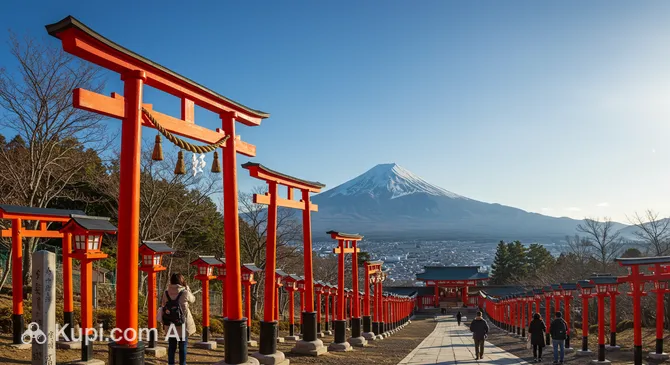
Arayayama Shrine. Illustration.
Source: Kupi.com AI

Traveller photos:

One of the most recognizable features of Arayayama Shrine is its bright red torii gates. These traditional Japanese gates create a striking contrast with the surrounding greenery and serve as a frame for the magnificent view of Mount Fuji, making this place particularly photogenic. A walk through the shrine grounds allows you to feel the peace and harmony characteristic of Japanese sanctuaries.

Arayayama Shrine is especially popular in spring, when the mountain slopes are covered with delicate cherry blossoms, and in autumn, during the Momiji season, when the maple leaves turn crimson. As part of the cultural landscape of the Fuji Five Lakes area, the shrine deeply reflects the traditional Japanese spiritual connection with nature and, of course, with the sacred Mount Fuji. It is a place where you can not only admire nature but also reflect on the eternal.

Contacts

To get up-to-date information about visiting Arayayama Shrine, you can contact the Kawaguchiko Tourist Information Center or visit the website of the Fujikawaguchiko Tourism Association. While the shrine itself may not have a direct official website, these resources will help you plan your visit.

How to contactContact
Address4-chōme-2-2 Araya, Fujiyoshida, Yamanashi 403-0006, Japan
Phone+81 555-24-0932
Websitewww.yamajinja.jp

What to Do

Visiting Arayayama Shrine offers a unique experience of immersion in Japanese traditions. Here, you can participate in a Shinto prayer ritual, which begins with washing your hands and mouth with water from a special source. Then, following custom, you can ring the bell, clap your hands in front of the altar, and bow to show your respect. Additionally, you can purchase traditional omamori amulets on the shrine grounds, which are believed to bring luck, health, or help in fulfilling cherished wishes.

One of the main reasons that attracts visitors here is the opportunity to take truly spectacular photographs. The famous red torii gates serve as a natural frame for the majestic Mount Fuji, creating unforgettable shots. Many photographers and beauty lovers strive to reach Arayayama Shrine at sunrise, when the first rays of the sun paint the peak of Fuji in delicate pink tones. This sight leaves an indelible impression.

In addition to spiritual practices and photo hunting, the surroundings of the shrine offer pleasant walks. Small paths winding around allow you to enjoy different perspectives of the surrounding landscapes and Mount Fuji itself. Arayayama Shrine takes on a special charm during the cherry blossom season, usually from late March to early April, and during the riot of autumn colors, which falls in late October to early November. In these seasons, the shrine becomes especially picturesque and attracts many guests wishing to enjoy the beauty of Japanese nature.

Getting There

You can reach Arayayama Shrine in several convenient ways. If you prefer public transport, buses run regularly from Kawaguchiko Station on the Fujikyu Line. You'll need to get off at the "Arayama" stop – the journey takes about 15-20 minutes. From there, a pleasant 10-15 minute walk to the shrine itself allows you to enjoy the surroundings.

For those traveling by car, there is a small parking lot near Arayayama Shrine, making this a very comfortable option. If you are traveling from the capital of Japan, Tokyo, you can reach the city of Fujikawaguchiko by express bus. These buses depart from Shinjuku or Tokyo stations, with a travel time of about 2 hours. Upon arrival in Fujikawaguchiko, you can use local transport or take a taxi to the shrine.

Additionally, many tourists prefer to visit Arayayama Shrine as part of organized tours. These tours often cover the entire scenic Fuji Five Lakes area and depart not only from Tokyo but also from other major cities in Japan. This is an excellent option for those who want to maximize their experience without worrying about logistics.

Nearest city: Fujikawaguchiko

History & Facts

Arayayama Shrine boasts a centuries-old history dating back to the distant past. According to some accounts, it was founded over 1,000 years ago, making it one of the oldest Shinto shrines in the Fujikawaguchiko region. Originally, its existence was closely linked to the worship of majestic Mount Fuji, which is revered in the Shinto religion as a sacred site possessing a divine essence.

Arayayama Shrine gained particular significance during the Edo period (1603-1868). At this time, it became an important point for pilgrims climbing the sacred Mount Fuji. Travelers would stop here to offer prayers and seek blessings before the difficult ascent. This tradition highlights the deep spiritual connection between the shrine and the mountain that has been maintained for centuries.

In 2013, Mount Fuji and its surrounding cultural sites were granted high recognition, being added to the UNESCO World Heritage list under the name "Fujisan, sacred place and source of artistic inspiration." Although Arayayama Shrine itself is not directly included in this list, it is undoubtedly an integral part of the rich cultural landscape inextricably linked to Mount Fuji and its spiritual heritage in Japan.

Time Needed

To fully experience Arayayama Shrine and its atmosphere, the average visitor is recommended to set aside about 1-2 hours. This time is usually enough to leisurely explore the entire shrine grounds, including its main buildings, perform traditional Shinto rituals if you wish, and, of course, take some memorable photos against the backdrop of the magnificent scenery.

However, if you plan for a deeper immersion or are an avid photographer, your stay may take longer. For example, if you want to walk through the scenic surroundings of the shrine, enjoying views of Mount Fuji from different angles, or if you aim to capture Arayayama Shrine in special light, such as at sunrise or sunset, you should plan for extra time. In such cases, a visit can easily last up to 3 hours or even longer, allowing you to fully enjoy the beauty and tranquility of the place.

Working Hours

Arayayama Shrine, like many Shinto shrines in Japan, is typically open to visitors 24 hours a day. This allows guests to come here for prayer or simply to enjoy the atmosphere at any convenient time. However, if you plan to purchase amulets or catch the main services, you should aim for the period roughly from 9:00 AM to 5:00 PM. During this time, all the main services of the shrine are generally available.

It is important to remember that operating hours may change, especially during holidays or special ceremonies. Therefore, to avoid misunderstandings and be sure of the latest information, it is highly recommended to check the latest data on the official website (if one exists) or inquire at local tourist information centers in Fujikawaguchiko before your visit to Arayayama Shrine. Advance booking or registration for a regular visit is generally not required.

9:00 – 16:00

Nearby

A visit to Arayayama Shrine will certainly leave a lasting impression, but exploring its surroundings can make your trip to Fujikawaguchiko even more fulfilling and memorable. The area around the shrine and the city itself offer many interesting places, from other ancient sites to modern entertainment complexes and natural beauty.

Exploring nearby attractions will allow you to dive deeper into the culture and atmosphere of this unique corner of Japan, complementing the spiritual experience of visiting the shrine with new discoveries and emotions. Below is a list of some interesting places located near Arayayama Shrine.

NameDistance
Fujiyoshida Coffeehouse1.3 km
Kanadorii Gate1.8 km
Fuji-Q Highland2.7 km
Naruto & Boruto Fuji Hidden Leaf Village2.7 km
Yamanashi Prefectural Fuji Spring Water and Forest Aquarium2.7 km
Oshino Hakkai3.3 km
Arakura Fuji Sengen Shrine3.7 km

Reached the bottom of the page?

Looks like you know this route inside out

We use cookies and services to collect user information. This is essential for the functioning of the site and for marketing purposes. You can find out more in .