Support

National Historical Museum

About

The National History Museum (Albanian: Muzeu Historik Kombëtar), located on the famous Skanderbeg Square in Tirana, is the largest and most important museum in Albania. This iconic cultural institution offers visitors a deep dive into the country's rich and multi-layered history, showcasing an extensive collection of artifacts spanning millennia.
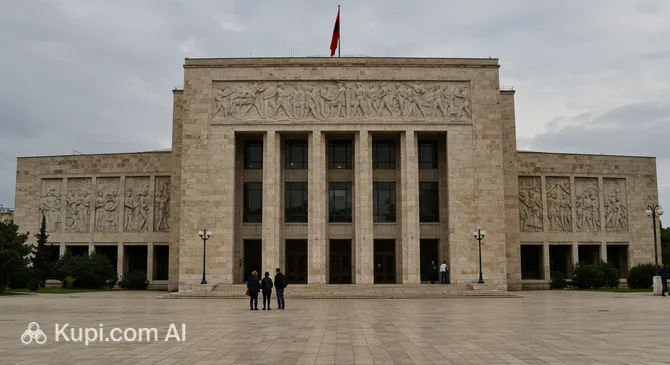
National Historical Museum. Illustration.
Source: Kupi.com AI

Traveler photos:

The museum building itself is a notable example of socialist realism architecture. Its facade is adorned with an impressive mosaic called "The Albanians," created by the artist Josif Droboniku. This monumental piece of art depicts the people of Albania through various historical eras, symbolizing the continuity of national identity and culture.

Inside the museum, the exhibition is divided into several themed pavilions, each dedicated to a specific period or aspect of Albanian history—from antiquity to the modern era. Visitors can trace the nation's development by studying archaeological finds, medieval relics, ethnographic items, and documents related to key events in the country's life. Of particular interest is the Ethnographic Pavilion, where you can see unique artifacts discovered in the ancient tombs of Selca, dating back to the 3rd century BC.

A visit to the National History Museum is a fascinating journey through time, allowing for a better understanding of the cultural heritage and historical path of Albania. It is a must-visit for anyone interested in the history of the Balkans who wants to get a deeper look at this amazing country.

Contacts

To get the most up-to-date information about the National History Museum, including visiting hours, ticket prices, and any potential schedule changes, we recommend consulting the official tourism portals of Tirana or directly contacting tourist information centers in Albania. Detailed information can often be found on specialized travel websites and forums.

How to contactContact
AddressSheshi Skënderbej 7, Tiranë 1001, Albania
Phone number+355 4 222 3977
Websitewww.mhk.gov.al

What to Do

Visiting the National History Museum in Tirana is a fascinating immersion into the rich history and culture of Albania. Here, you can explore an extensive collection of exhibits that detail the country's journey through the centuries. The museum offers several themed pavilions, each dedicated to a specific period: from antiquity and the Middle Ages to the struggle for independence and a unique collection of icons.

The Ethnographic Pavilion often draws particular attention from visitors. It features artifacts found in the ancient tombs of Selca, which provide insights into the daily life, beliefs, and traditions of the ancient Albanians. Another iconic part of the museum is the impressive "The Albanians" mosaic on its facade. This monumental work of art is a historical narrative in its own right, reflecting key moments and the country's cultural diversity.

As you stroll through the museum's halls, you can see how Albania's cultural and historical heritage was shaped under the influence of various civilizations and empires, including the Roman, Byzantine, and Ottoman. This is not just a tour of exhibits, but an opportunity to gain a deeper understanding of the roots of modern Albanian identity and appreciate the multi-layered nature of its history.

Getting There

Reaching the National History Museum in Tirana is quite easy, as it occupies a prime location in the heart of the city—on the famous Skanderbeg Square. Thanks to this central position, the museum is within walking distance of many other key attractions in the capital of Albania, making it a convenient stop to include in your city sightseeing itinerary.

Tirana is a relatively compact city, so many interesting spots, including the National History Museum, can be reached on foot while enjoying the city's atmosphere. If you prefer public transport, there are bus routes available that will take you to the center or the stops closest to the museum. Check the current routes and schedules upon arrival to plan your journey most efficiently.

Alternatively, you can always use taxi services. A taxi ride from most hotels in central Tirana to the National History Museum will be quick and usually not too expensive. Just tell the driver "National History Museum" or "Skanderbeg Square," and they will take you right to the destination.

Nearest city: Tirana

History & Facts

The National History Museum in Tirana, which opened its doors on October 28, 1981, is one of Albania's most significant cultural institutions. Its location on the central Skanderbeg Square was chosen deliberately to highlight its status as a key center for preserving and promoting the country's history. Since its founding, the museum has played a major role in the cultural life of the capital and all of Albania, offering visitors a unique opportunity to connect with the past.

The museum building itself is an interesting artifact, designed in the characteristic style of socialist realism, reflecting the architectural trends of its era. This architectural style gives it a recognizable look and serves as a reminder of the period in which it was created. The museum's main mission is the careful preservation and display of Albania's rich historical heritage. It was conceived as an integral part of the country's cultural infrastructure, designed to introduce both locals and visitors to the centuries-old history of the Albanian people.

The museum's exhibits span various periods of Albania's history, from ancient times to the present, featuring artifacts, documents, and works of art. Visitors can trace how different civilizations and empires influenced the country's development, leaving their mark on its culture and traditions. The museum's collections help provide a deeper understanding of Albania's historical path and how the past has shaped its current identity. It is a place where history comes alive, offering a fascinating journey into the past for all who are interested.

Time Needed

When planning a visit to the National History Museum in Tirana, it is worth setting aside enough time to fully enjoy its rich collection. On average, exploring the main exhibits and pavilions takes from 2 to 4 hours. This is usually enough time to get a general overview of the history of Albania presented in the museum.

However, if you are deeply interested in specific historical periods or prefer to study each exhibit in detail, your visit may take longer. For example, a quick look at the most significant artifacts might take just a couple of hours, but for a thoughtful immersion into the country's history through the museum's collections, it is best to plan for at least three to four hours. Keep in mind that the museum features many pavilions covering different eras, from antiquity to the present day.

Working Hours

The National History Museum in Tirana is generally happy to welcome visitors during the daytime. Based on common practice for museums in Albania, you can expect the museum doors to be open from approximately 9:00 AM until 5:00 PM or 6:00 PM. However, as opening hours can vary depending on the season, day of the week, or special events, it is highly recommended to check the current schedule on the museum's official website or at local tourist information centers just before your visit. This will help you avoid potential inconveniences and plan your time effectively.

As for advance ticket booking, it is usually not required for individual visitors. However, if you are planning a visit with a large group or want to join a special guided tour, it is better to contact the museum administration in advance. The museum is generally open year-round, but it is always useful to verify this information, especially if your trip coincides with national holidays. Checking the details beforehand will ensure a pleasant and educational immersion into the history of Albania.

Nearby

Visiting the National History Museum in Tirana is a wonderful opportunity to immerse yourself in the rich history of Albania. However, to make your trip even more fulfilling, it's worth exploring the attractions located in the immediate vicinity. Exploring the surrounding area will allow you to better understand the city's cultural context and see more interesting sites without spending much time traveling.

Many of Tirana's iconic sites are within walking distance of the National History Museum, making it an excellent starting point for further exploration. You can easily combine a museum visit with a tour of other cultural and historical monuments, cozy cafes, or green spaces.

NameDistance
Skanderbeg Square0.1 km
Et'hem Bey Mosque0.2 km
Palace of Culture0.2 km
Bitter Bistro Bar & Restaurant0.3 km
Bunk'Art 20.3 km
House of Leaves Museum0.3 km
Resurrection of Christ Orthodox Cathedral0.3 km

Have you reached the end of the page?

So the route has been studied inside and out