Support

Old Bazaar

About

The Old Bazaar, also known as Stara Čaršija, is the historical heart and soul of Skopje, the capital of North Macedonia. This unique trading quarter, stretching across the eastern bank of the Vardar River at the foot of the ancient Kale Fortress, is considered the largest bazaar in the Balkans outside Istanbul. Its history as a center of bustling trade began back in the 12th century, and since then, this place has never lost its importance.

Stepping into this place is like traveling back in time, immersing yourself in the unique atmosphere of the Ottoman era. The Old Bazaar is not just a market, but a whole labyrinth of cobbled streets where you encounter ancient mosques, caravanserais, hammams, and craft workshops at every turn. It is a place where history literally comes alive, and the air is filled with the aromas of spices, freshly brewed coffee, and traditional pastries.
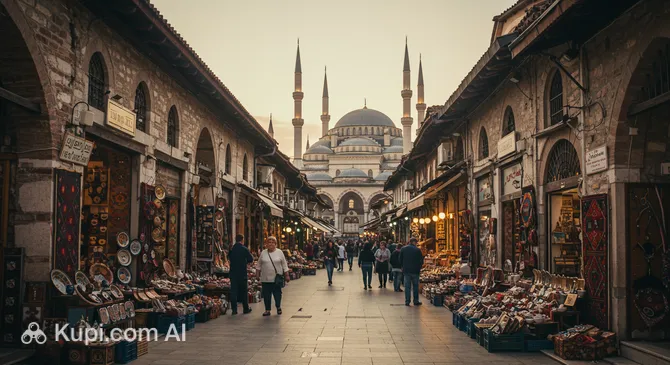
Old Bazaar. Illustration.
Source: Kupi.com AI

Traveler photos:

Today, the Old Bazaar is officially recognized as a national cultural reserve, highlighting its immense historical value. For travelers, it is the perfect place to purchase authentic handmade souvenirs, taste local cuisine, get to know traditional crafts, and simply enjoy a leisurely walk through one of the city's most colorful districts.

Contacts

Old Bazaar is a vast historical district, so it does not have a single contact center, phone number, or email address. It is located in the heart of Skopje, on the eastern bank of the Vardar River, and is easily accessible on foot from anywhere in the city center. For up-to-date tourist information, maps, or answers to specific questions, it is recommended to contact the city's tourist information centers.

How to contactContact
AddressMK, Shkupi 1000, North Macedonia

What to Do

A walk through the Old Bazaar is a true immersion into history. Here you can wander for hours through the winding cobbled streets, soaking up the atmosphere of the Ottoman era and admiring unique architectural monuments. Be sure to visit the surviving caravanserais—ancient inns where merchant caravans once stopped. The entire district is an open-air museum where historical buildings, including ancient mosques and churches, are found at every turn, creating the unique character of this place.

Among the many attractions, several key ones stand out. Look out for the Mustafa Pasha Mosque, also known as the Marble Mosque. This is one of the most significant and beautiful monuments of Islamic architecture in the Balkans, built in 1492. Equally important is the famous Stone Bridge (Kamen Most). Built in the mid-15th century by order of Sultan Mehmed II, it connects the Old Bazaar with the modern Macedonia Square on the other bank of the Vardar River, symbolizing the connection between eras and cultures.

Getting There

Getting to the Old Bazaar in Skopje is very easy as it is located in the heart of the city. The most pleasant and popular way is on foot. If you are in the modern part of the center, for example, on Macedonia Square, you just need to cross to the eastern bank of the Vardar River via the famous Stone Bridge. This path is not only short but also very scenic, allowing you to immediately feel the connection between the old and new parts of the capital of North Macedonia.

For those who prefer public transport or are traveling from distant areas, there is a convenient network of city buses. Several bus stops are just a few minutes' walk from the entrances to the historic quarter. Skopje's public transport system is well-developed, and you can use online maps or ask at your hotel which route will best get you to the center.

Of course, you can always take a taxi. This is a fast and comfortable way to reach the Old Bazaar from anywhere in the city, including the airport. Simply ask the driver to take you to the entrance of the Old Bazaar (Stara Čaršija) or to the Stone Bridge, and you will arrive without any hassle, ready to immerse yourself in the unique atmosphere of this historical site.

Nearest city: Skopje

History & Facts

The historical appearance and significance of the Old Bazaar were formed during the Ottoman era, which lasted in North Macedonia from the 15th to the early 20th century. This period was the golden age for the Bazaar: the quarter became the largest trade and craft center in the region. At its peak, there were more than 30 mosques, many caravanserais for resting merchants, hammams, and hundreds of shops where life was in full swing. It is the Ottoman heritage that gives this district of Skopje its unique character, which has been preserved to this day.

One of the most striking witnesses of that era is the Mustafa Pasha Mosque, built in 1492. Its construction was funded by an influential vizier of Sultans Bayezid II and Selim I, who owned lands near the city. Besides the mosque itself, the complex included Mustafa Pasha's tomb, his daughter's sarcophagus, an ablution fountain, and the remains of a madrasa—a Muslim educational institution. This monumental structure remains one of the most beautiful Islamic monuments in the Balkans today.

The history of the Old Bazaar is full of not only prosperity but also dramatic events. The area has suffered repeated destruction, including the powerful 1963 earthquake that caused serious damage to the entire city. The Mustafa Pasha Mosque was also damaged, but thanks to meticulous restoration completed by 2011, its former glory was restored. This underscores the care with which local residents treat their rich cultural and historical heritage.

Time Needed

When planning a visit to the Old Bazaar in Skopje, you should consider your interests and the amount of free time you have. For a general introduction to this colorful area and its unique atmosphere, allocating 2-3 hours will be enough. During this time, you can take a leisurely stroll through the main streets, take photos at the most famous landmarks, peek into a few souvenir shops, and feel the historical spirit of this amazing place in North Macedonia.

However, if you want to truly immerse yourself in the life of the Old Bazaar, you should plan for at least half a day, or better yet, a full day. This will allow you to explore historical monuments such as ancient caravanserais and hammams without rushing, visit the museums and galleries located here, and enjoy a traditional lunch in one of the many cafes. Detailed exploration of craft workshops and leisurely shopping also require extra time, turning your bazaar visit into a complete cultural adventure.

Working Hours

The Old Bazaar in Skopje is an open historical quarter, not a single site with a ticket office, so entry to its streets is free and available 24/7 on any day of the week. No tickets or advance booking are required to walk through the bazaar itself. Most shops, craft stalls, and workshops open around 9-10 AM and operate until 6-7 PM. Note that activity in the bazaar may be lower on Sundays. Cafes and restaurants, especially during the warmer months, often stay open until late evening, around 9:00 PM.

It is important to remember that individual attractions located within the Old Bazaar, such as museums, mosques, or hammams, have their own opening hours and may charge an admission fee. If you plan to visit a specific place, such as the Museum of Macedonia or the Mustafa Pasha Mosque, it is recommended to check their working hours and visiting conditions in advance on official websites or at Skopje's tourist information centers. This will help you plan your visit and avoid any unpleasant surprises.

Open 24 hours

Nearby

Visiting the Old Bazaar is just the beginning of discovering the multifaceted capital of North Macedonia. Thanks to its central location, this historic quarter serves as the perfect starting point for exploring other iconic landmarks in Skopje. A walk through the surrounding area will show you how closely Ottoman heritage, Byzantine history, and modern life are intertwined in the city.

Exploring nearby attractions will enrich your experience and help you form a complete picture of the city. Just a few minutes' walk from the bustling market streets, you will find museums, ancient bridges, and grand squares, each telling its own unique story. This is a wonderful opportunity to combine an immersive experience in an oriental market with visits to the capital's key cultural sites.

NameDistance
National Gallery – Čifte Hammam0.1 km
Mustafa Pasha Mosque0.2 km
Museum of the Macedonian Struggle0.4 km
Museum of Contemporary Art Skopje0.5 km
Stone Bridge0.5 km
Bella Vista Lounge Bar & Restaurant0.6 km
Macedonia Square0.6 km

Have you reached the end of the page?

So the route has been studied inside and out