Support

In Guezzam

About

Welcome to In Guezzam, a fascinating destination located in the deep south of Algeria. Situated right on the border with Niger, this town serves as a crucial gateway between North and Sub-Saharan Africa. It offers a unique atmosphere characterized by its remoteness and the raw beauty of the Sahara Desert, making it a point of interest for those venturing across the continent.
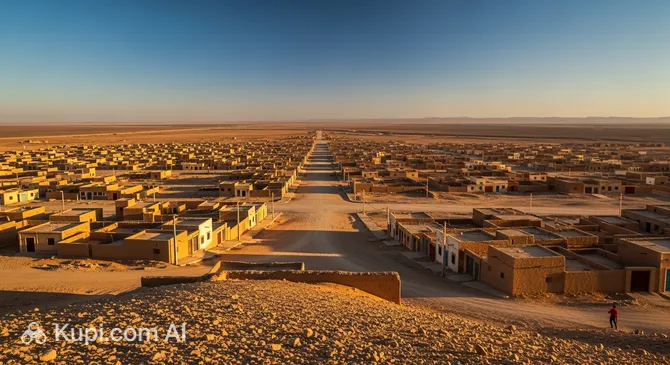
In Guezzam. Source: Kupi.Binoculars

Geographically, In Guezzam is positioned in an arid zone known for its vast sand dunes and endless horizons. The climate here is a hot desert type, with sunny days and clear, starlit nights that captivate visitors. With a population of approximately 7,000 residents, it is a small but significant community where travelers can witness the resilience of life in such an extreme environment.

The history of In Guezzam is deeply intertwined with the ancient trade routes that have crossed the Sahara for centuries. Originally a stopping point for caravans, the town retains a sense of timelessness. Visitors can experience the local culture, which is influenced by the nomadic traditions of the region, and explore the stark, dramatic landscapes that surround the settlement.

For the adventurous soul, In Guezzam offers an authentic glimpse into the heart of the desert. Whether you are passing through on a trans-continental journey or seeking to understand the vastness of the Algerian south, this border town provides a memorable backdrop. We invite you to discover the quiet solitude and unique geographic significance of In Guezzam.

Weather Overview

In Guezzam features a classic hot desert climate, defined by intense heat, abundant sunshine, and extreme aridity. The region remains dry throughout the year, with virtually no rainfall recorded in most months, ensuring clear skies for travelers venturing into this remote part of the Sahara.

The summer months, particularly from June to August, are sweltering, with average temperatures hovering around 35°C and daily highs frequently exceeding 40°C. In contrast, the winter season offers much milder conditions; January and December see average temperatures between 18°C and 20°C, though nights can be cool with lows dipping to around 11°C. For a more detailed forecast to help plan your journey, you can check the current weather in In Guezzam.

Interesting Facts

Beyond the main attractions, In Guezzam holds many fascinating secrets hidden within its vast desert landscape. This remote outpost is more than just a transit point; it is a testament to human resilience and a crossroads of ancient cultures.

  • A Continental Link: The city serves as a critical strategic node on the famous Trans-Sahara Highway. This massive infrastructure route is designed to connect Algiers on the Mediterranean coast all the way to Lagos in Nigeria, bridging the immense expanse of the desert.

  • Surviving the "Land of Thirst": In Guezzam is situated in the heart of the deep Sahara, a region often feared by travelers of the past for its extreme lack of water and landmarks. The town's continued existence and growth in such a formidable environment is considered a modern geographic marvel.

  • The Battle Against Sand: One of the unique challenges of living here is the constant phenomenon of sand encroachment. The local community and authorities frequently implement measures, such as planting green belts and erecting physical barriers, to prevent the shifting dunes from burying the city's infrastructure.

  • Cultural Fusion: Due to its immediate proximity to the border with Niger, the town exhibits a vibrant blend of traditions. Unlike northern cities, the daily life here reflects a seamless mix of Algerian heritage and Sub-Saharan influences, visible in everything from the local dialect to the colorful attire of its residents.

How to Get There

Reaching In Guezzam takes you to the southern frontier of the Algerian Sahara, situated directly on the border with Niger. Due to the immense distances from the northern coast, air travel is the most practical option for most visitors. The town is served by In Guezzam Airport (IATA: INF), which typically handles domestic flights connecting to regional hubs like Tamanrasset. Flight schedules can be sporadic, so it is wise to confirm availability in advance. For a complete guide on transport options, you can check how to get to In Guezzam.

For those seeking an overland adventure, the town lies on the route of the famous Trans-Sahara Highway. Driving here requires a sturdy off-road vehicle and careful preparation for the harsh desert conditions. While the road connects to Tamanrasset, the journey is long and demanding. Travelers should note that there is no railway infrastructure in this deep desert region, so trains are not an option for reaching the city.

Main Attractions

In Guezzam is a destination defined by its extreme isolation and its role as a sentinel on the southern frontier. Unlike traditional tourist hubs filled with museums and monuments, the appeal here lies in the sheer magnitude of the Sahara. It offers an immersive experience of the desert's raw power, serving as a gateway for those undertaking the intrepid journey between Algeria and the Sahel.

The surrounding environment provides a stunning backdrop for exploration, characterized by endless horizons and shifting sands. Visitors are often struck by the profound silence of the open desert plains that stretch out in every direction. The terrain varies from flat, gravelly expanses to soft dunes that change color with the setting sun, offering photographers and nature lovers a chance to witness the desert in its most unadulterated form.

Despite the arid conditions, the landscape is not entirely devoid of life. Travelers moving through the area may encounter patches of hardy vegetation, including scattered acacia trees that stand as symbols of resilience against the harsh climate. These pockets of greenery offer a stark and beautiful contrast to the golden sands, providing rare shade and a glimpse into how nature adapts to this challenging environment.

The town itself pulses with the unique energy of a border crossing. Located on the route of the Trans-Sahara Highway, it is a place where cultures converge. The movement of goods and travelers creates a dynamic atmosphere that reflects the modern nomadic lifestyle. Watching the flow of cross-continental transport and observing the daily rhythms of this remote community offers an authentic look at life on the edge of the desert.

Local Cuisine

The local cuisine of In Guezzam offers a distinct taste of the deep Sahara, reflecting the town's position as a crossroads between Algeria and the Sahel. The food here is hearty, simple, and deeply rooted in Tuareg traditions, designed to sustain travelers and locals in the harsh desert climate. Visitors will find a culinary scene that relies heavily on locally available ingredients like wheat, dates, milk, and meat, prepared with time-honored methods that have survived for centuries.

The most iconic dish to try is Taguella, often described as the "bread of sand." This thick, unleavened flatbread is traditionally baked in the hot embers and sand of a desert fire, giving it a unique texture and a smoky flavor. It is rarely eaten alone; instead, it is crumbled into small pieces and covered with a rich sauce made from tomatoes, vegetables, and meat—typically goat, lamb, or occasionally camel. Another staple is Couscous, which in this southern region is often served with camel meat, considered a delicacy and a key source of protein for the nomadic population.

Beverages are central to the social life of In Guezzam, with the Tuareg tea ceremony being the absolute highlight. This is not just a drink but a ritual of hospitality involving three rounds of green tea: the first is "bitter as life," the second "sweet as love," and the third "soft as death." The tea is brewed strong, heavily sweetened, and poured from a height to create a thick, frothy foam. For a non-caffeinated option, fresh or fermented camel milk (known as Lben) is a traditional refreshment that offers a cool respite from the desert heat.

The food culture in In Guezzam is informal and communal, centered around hospitality rather than fine dining. You won't find fancy restaurants here; instead, locals and travelers usually eat at small roadside eateries or "gargottes" that serve generous platters meant to be shared. Meals are typically eaten from a common bowl with the right hand, fostering a sense of connection and community. Whether you are sharing a simple stew or sipping tea under the stars, the gastronomic experience here is an authentic glimpse into the resilient lifestyle of the Sahara.

Travel Tips

Preparing for a trip to In Guezzam requires careful planning due to its remote location on the southern edge of the Sahara and its unique cultural landscape. To ensure a safe and respectful journey into this fascinating border region, we have compiled a set of essential guidelines to help you navigate the desert environment and local customs with ease.

  1. Clothing and Gear: Given the extreme desert climate, pack lightweight, loose-fitting clothing made of breathable fabrics like cotton or linen to handle the heat. However, desert nights can be surprisingly cold, so bring a warm layer or jacket. Modesty is important in Algeria; both men and women should wear clothes that cover shoulders and knees. A chèche (traditional headscarf) is highly recommended to protect your face from sun and blowing sand, along with high-quality sunglasses and sturdy, closed-toe shoes suitable for walking on hot sand and gravel.

  2. Transportation: Public transport options like buses or taxis are very limited within the town itself, and there are no metros or trams. The most practical way to get around In Guezzam and the surrounding desert is by hiring a 4x4 vehicle with a local driver. Navigating the sandy terrain requires experience, so self-driving is not recommended unless you are an expert in off-road desert driving. Arrange your transport in advance, often through a local guide or agency.

  3. Finances: The local currency is the Algerian Dinar (DZD). In Guezzam is a cash-based economy, and credit cards are rarely accepted, even in hotels or larger shops. ATMs may be scarce or occasionally out of service due to connectivity issues in this remote area. It is crucial to carry sufficient cash for your entire stay. Exchange your money in larger northern cities or at the airport before arriving in the south.

  4. Health and Safety: Pharmacies are available for basic needs, but supplies can be limited. Bring a well-stocked personal first-aid kit, including any prescription medications, rehydration salts, and painkillers. The primary safety concern is the environment; dehydration and sunstroke are real risks, so drink plenty of bottled water and seek shade during midday. Always travel with a certified guide when venturing outside the town limits to ensure safety in the vast desert.

  5. Communication: The main languages spoken are Arabic and local Tuareg dialects (Tamasheq). French is widely understood for business and official matters, but English is not commonly spoken. Learning a few basic phrases in Arabic (like "Salam Alaykum" for hello) or French will be very helpful. Mobile network coverage is available in the town (providers like Mobilis, Djezzy, or Ooredoo), but signal can be spotty in the open desert. Buying a local SIM card is recommended for staying connected.

  6. Local Etiquette: Hospitality is a cornerstone of life here. Greetings are taken seriously; a handshake (using the right hand) and a polite inquiry about one's well-being are standard. If you are invited for tea, accept it graciously, as the tea ceremony is a sign of friendship and respect. When sitting on the floor in a traditional setting, try not to point the soles of your feet directly at anyone.

  7. What to Avoid: As In Guezzam is a sensitive border zone, strictly avoid taking photographs of government buildings, military installations, police checkpoints, or border crossings. This is a serious rule and violating it can lead to confiscation of equipment or legal trouble. Additionally, never photograph local people, especially women or Tuareg men, without asking for their explicit permission first.

  8. Travel Documents: Because this is a border town, security checkpoints are common. Always keep your passport and visa (or certified copies) easily accessible. You may be asked to show identification more frequently here than in other parts of the country, so keeping your papers organized will make your movements much smoother.

Visiting In Guezzam offers a rare opportunity to witness the raw beauty of the Sahara and the resilience of its people. by following these practical tips and approaching the local culture with an open heart, you are sure to have an unforgettable and enriching experience in the deep south.

Entertainment & Nightlife

Nightlife in In Guezzam offers a stark and peaceful contrast to the bustling cities of the north. In this remote border town, you will not find Western-style nightclubs, bars, or discos. Instead, the evening entertainment is deeply rooted in local Tuareg traditions, characterized by a slower pace and a focus on community and conversation. The "nightlife" here is defined by the warmth of a campfire, the ritual of tea, and the breathtaking clarity of the desert sky.

The social heart of the town after dark can be found in the small, informal cafés and tea houses lining the main thoroughfare, which is part of the trans-continental National Road 1. These venues are where locals gather to exchange news and relax. The atmosphere is calm and conservative; alcohol is generally not served or consumed in public spaces in accordance with local customs. Visitors are welcome to join in, though you will find the crowd is predominantly male. A respectful and modest demeanor is key to enjoying these interactions.

For a truly authentic experience, the best "venue" is the open desert itself. Under the guidance of a local expert, spending an evening at a traditional desert camp is the highlight of any trip here. The absence of light pollution makes In Guezzam one of the best places in the world for stargazing. Sitting on the sand while sipping the froth-topped Tuareg tea—served in three rounds symbolizing life, love, and death—is the quintessential way to spend a night in this region.

If you are looking for activity within the settlement, the area around the Central Market often remains lively into the early evening. While it is not a "night market" in the tourist sense, it is a place where you can observe the daily rhythm of trade before the town goes to sleep. Shops here may stay open later than expected to accommodate travelers passing through the border. Prices for tea or snacks are very low, and cash is the only method of payment.

Safety is a primary consideration at night. In Guezzam is a sensitive border zone, so it is strictly advised to avoid wandering into unlit areas or the outskirts of town alone. Stick to the Town Center and well-populated streets. If you need to move around, do not hail random cars; instead, arrange transport through your host or guide. The town is small enough that "districts" are not distinct, but staying near the main administrative and commercial buildings is your safest bet.

During the daylight hours, the entertainment shifts to exploration of the unique landscape. The region is known for its prehistoric heritage, including fascinating Rock Carvings (gravures rupestres) that depict the area's ancient history. Nature lovers should also ask guides about the Acacia Forest, a resilient patch of greenery that defies the arid surroundings. These sites offer a glimpse into the rich history and geology of the Algerian Sahara before you settle in for a quiet evening under the stars.

Parks & Museums

In Guezzam offers a different perspective on leisure and culture compared to the northern cities of Algeria. You will not find manicured botanical gardens or conventional indoor museums here. Instead, the region serves as a vast, open-air sanctuary where the "parks" are endless stretches of pristine sand and the "museums" are ancient galleries carved directly into the rock, reflecting millennia of human history.

Key Parks and Green Spaces

The Acacia Green Belts represent the city's most significant effort to create green space amidst the arid environment. Planted to combat desertification and stop the encroachment of sand, these groves of resilient acacia trees act as the town's natural lungs. They provide rare and precious shade in the scorching heat, creating a stark, beautiful contrast against the orange sands. These areas are peaceful spots where visitors can witness how life flourishes in extreme conditions.

The Great Dunes function as the region's primary natural playground. While not a park in the traditional sense, the undulating fields of sand surrounding the town are where the locals go to connect with nature. These vast expanses are particularly majestic at sunset, when the shifting light turns the landscape into a canvas of deep reds and purples. It is an ideal setting for meditation, photography, or simply appreciating the profound silence of the Sahara.

Museums and Galleries

Open-Air Rock Art Galleries: The true historical archives of In Guezzam are found in the surrounding desert. The region is dotted with sites featuring gravures rupestres (rock engravings) that date back thousands of years. These ancient artworks depict cattle, wild animals, and hunting scenes from a time when the Sahara was a lush savannah. Visiting these sites with a guide is like walking through a gallery that predates modern civilization, offering a direct link to the Neolithic era.

The Living Museum of Culture: Lacking a formal building for artifacts, the town itself serves as a dynamic cultural exhibition. The daily life here showcases a vibrant blend of Tuareg traditions and Sub-Saharan influences. From the intricate leatherwork and jewelry worn by residents to the traditional music that often fills the evening air, the local culture is preserved through practice and oral history rather than in glass display cases.

Historical and Architectural Sites

Traditional Saharan Architecture: A stroll through the older residential quarters reveals the unique architectural adaptation to the desert climate. Houses are typically low, thick-walled, and painted in earth tones to deflect heat and blend seamlessly with the environment. This functional style reflects the ingenuity of desert dwellers and offers an interesting subject for architectural enthusiasts interested in sustainable, vernacular building methods.

Authentic Experiences/Insider Tips

For a truly unique experience, ask a local guide to take you to a desert tea ceremony near one of the rock art sites at dusk. There is something profoundly moving about sipping traditional tea while surrounded by prehistoric art, realizing that humans have gathered in these exact spots for thousands of years to share stories and rest.

Getting Around

The public transport system in In Guezzam is reflective of its status as a small, remote border town in the deep Sahara. Unlike the bustling northern cities, there is no formal network of metros, trams, or municipal buses here. The town's infrastructure is modest, designed to serve a small population and transient travelers crossing the border. Visitors should adjust their expectations accordingly; getting around is less about navigating complex route maps and more about arranging informal transport or walking.

The primary mode of motorized transport within the town consists of taxis and informal private drivers. These are not always the marked yellow vehicles found in larger cities; often, they are standard cars operating as "clandestins" (unmarked taxis). They do not run on fixed schedules or routes but can be flagged down on the main street or, more commonly, arranged through your accommodation or a local contact. For travel to nearby settlements or the border post, shared taxis (louages) are the standard, departing only when all seats are full.

Walking is a viable option for navigating the town center, as the footprint of In Guezzam is quite small and most key services—shops, administration, and eateries—are concentrated along the main road. However, this is only recommended during the cooler hours of the early morning or late evening. During the heat of the day, when temperatures can soar, walking is physically demanding and potentially dangerous due to the risk of dehydration and sunstroke.

Regarding payment, cash is the only accepted method. There are no travel cards, mobile apps, or electronic ticketing systems. You must pay the driver directly in the local currency. For a ride within the town, prices are generally low and often fixed by custom, but it is essential to agree on the fare before getting into the vehicle to avoid misunderstandings. Small change is appreciated, as drivers may not always have bills to break large denominations.

For tourists wishing to explore the surrounding desert landscapes or visit specific sites outside the immediate town limits, relying on standard taxis is not advisable. The terrain requires sturdy vehicles, so the best alternative is to hire a 4x4 vehicle with a driver. This is typically done as a private charter for a half-day or full-day excursion. These arrangements should be made through a reputable local guide or agency to ensure the vehicle is equipped for sand and the driver is experienced in desert navigation.

A practical tip for travelers is to plan your movements around the sun. Transport activity is highest in the morning and slows significantly during the midday "siesta" hours when the heat is at its peak. If you need to travel to the border crossing, be aware that transport availability often aligns with the opening hours of the customs post, so it is wise to start your journey early in the day.

Accommodation

Accommodation options in In Guezzam are reflective of its status as a remote border town in the deep Sahara. Visitors should adjust their expectations, as the tourism infrastructure here is very modest compared to the northern coastal cities. You will not find luxury resorts, international hotel chains, or extensive amenities. Instead, the available lodging consists primarily of basic hotels, state-run youth hostels, and simple guesthouses designed to provide a functional overnight stop for travelers crossing the desert or the border.

The most convenient area to stay is within the Town Center, particularly along or near the National Road 1 (Trans-Sahara Highway). Staying in this central zone ensures you are close to essential services such as the police station, customs, small eateries, and shops. Given the small size of the settlement, most locations are within walking distance of the main administrative buildings, though the heat often makes transport necessary.

When selecting a place to stay, the most critical amenity to check for is air conditioning. Due to the extreme desert temperatures, ensuring your room has a working cooling system is essential for a comfortable night's sleep. Facilities are generally "no-frills," often offering shared bathrooms and simple furnishings. Water scarcity is a reality in the region, so water pressure or availability may vary, and hot water is not always guaranteed.

Booking and Prices

The price range for accommodation in In Guezzam is typically budget-friendly. Prices are low by international standards, reflecting the basic nature of the services. However, the booking process is decidedly old-school. You are unlikely to find these properties listed on major international booking platforms or travel apps.

Booking Tip: Arrangements are usually made in person upon arrival or, if you have local contacts, via phone in advance. Since the town is a transit point, availability can fluctuate depending on the flow of cross-border traffic. It is highly recommended to carry sufficient cash in Algerian Dinars, as credit cards are almost never accepted for payment at local lodgings.

Nearby Cities

Exploring the region around In Guezzam requires a shift in perspective, as distances in the Sahara are measured in hundreds of kilometers. Rather than offering quick excursions, the neighboring cities serve as vital waypoints and major hubs on the trans-desert journey north. These destinations provide essential services and a deeper look into the diverse cultures of the Algerian deep south.

As the closest major settlement, Tamanrasset acts as the administrative and cultural capital of the region. Situated near the Hoggar Mountains, it is the heart of Tuareg culture and the primary gateway for travelers moving from the border into the central desert. The city offers a cooler climate and serves as a crucial base for logistics and exploring the surrounding volcanic landscapes.

Located in the Touat region, Adrar is renowned for its striking red earth architecture and traditional foggara irrigation systems. It stands as a historical oasis that showcases the agricultural ingenuity needed to survive in the sands. For travelers, it offers a fascinating contrast to the rocky terrain found in the extreme south of the country.

Although situated much further north, Ghardaia is a key destination on the route towards the coast. Famous for the M'zab Valley and its fortified hilltop cities, this UNESCO World Heritage site preserves the unique medieval architecture and social structure of the Mozabite people, representing a mesmerizing blend of religion and urban design.

City Population Distance (km)
Tamanrasset 76,000 357
Adrar 68,276 1,108
Hassi Messaoud 45,147 1,344
Ouargla 133,024 1,372
Ghardaia 120,000 1,447

Shopping & Souvenirs

Shopping in In Guezzam is an experience defined by necessity and tradition rather than luxury. As a remote border town in the deep Sahara, the retail scene is modest and functional, catering primarily to the local population and travelers passing through on the Trans-Sahara Highway. You will not find high-street brands or glossy storefronts here; instead, commerce is characterized by small, independent vendors and a vibrant cross-border trade that blends trade goods from Algeria with products from the Sahel.

The main commercial activity is concentrated along the National Road 1, which serves as the town's primary thoroughfare. This busy strip is lined with general stores ("alimentation générale"), kiosks, and supply shops that stock essential provisions. It is the best place to find bottled water, dry goods, and equipment necessary for desert travel. The atmosphere here is bustling with the arrival and departure of trucks and 4x4s, offering a glimpse into the logistics of life on the edge of the desert.

Travelers should note that there are no shopping malls or large department stores in In Guezzam. The town's infrastructure is small-scale, and the concept of recreational shopping in a modern complex does not exist here. All transactions take place in individual shops or open-air settings, reflecting the traditional way of life in the region.

The most authentic shopping experience can be found at the local Souk (market). While it is smaller than the grand markets of the north, it is the social and economic hub of the community. Here, you can find fresh produce like onions, potatoes, and dates, often sold alongside goods imported from neighboring Niger. It is a fascinating place to observe the local culture, where Tuareg nomads and traders negotiate prices in a friendly, communal atmosphere.

For those looking to take home a memento, the options are limited but unique. The best souvenirs are Tuareg handicrafts, particularly items made from leather such as sandals, bags, or amulets. You may also find the indigo-dyed cotton fabric used to make the traditional chèche (headscarf), which is both a practical item for protection against the sun and a symbol of local identity. Silver jewelry with geometric engravings is another specialty of the region, though availability can vary.

Store hours in In Guezzam are dictated by the desert climate. Shops typically open early in the morning, around 8:00 AM, but almost everything shuts down during the peak heat of the day, usually from 12:00 PM to 4:00 PM. Business resumes in the late afternoon and continues into the evening when the temperature drops. Regarding payment, the economy operates entirely on cash. Credit cards and digital payments are not accepted anywhere, so it is essential to carry sufficient Algerian Dinars for all your purchases.

Tax-free shopping and VAT refunds are not available in In Guezzam. The region does not have the infrastructure for tourist tax schemes, so the price you see is the final price you pay.

Reached the end of the page?

That means the route is fully explored