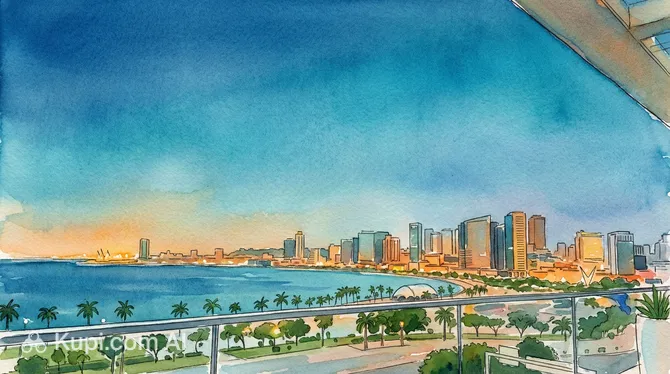
Belas is a dynamically developing municipality in Luanda Province, representing the modern face of Angola. Officially established in 2011, this area has become a symbol of urbanization and prestigious living. Belas. Illustration.
Source: Kupi.com AI
Although it is predominantly a residential zone, Belas attracts travelers with its orderly development and status as one of the most well-developed suburbs of the capital.
Geographically, the city is located on the Atlantic coast, which largely dictates its mild tropical climate. The population of this densely populated hub exceeds one million people, making it an important demographic center for the region. Special attention in Belas is given to the modern Talatona district, which concentrates fashionable villas, office centers, and advanced infrastructure.
For tourists, Belas is primarily interesting as a starting point for exploring the country's modern life. The main catalyst for the territory's development was the opening of the nation's first large-scale shopping mall, which remains a major attraction for locals and visitors alike. By studying the historical heritage of the municipality's formation, one can trace how, over a few decades, deserted coastal zones have transformed into a thriving urban center.
Visiting Belas is an excellent opportunity to see Angola from a different perspective: away from the hustle and bustle of the historical center, but with the comfort of modern services. We invite you to explore this district to feel the rhythm of the country's new era of development.
Weather Overview
The climate of Belas is characterized by typical tropical features, softened by the Atlantic Ocean. It remains quite warm throughout the year, with average temperatures ranging between 25–28°C. If you want to learn more about temperature records and monthly precipitation, explore the city's climate in more detail.
There are two distinct seasons in the region. The wet period lasts from November to April, during which most of the rainfall occurs, and humidity rises significantly. April is usually the wettest month, with rainfall sometimes exceeding 100 mm. During this time, expect short but intense downpours followed by bright sunshine.
The dry season arrives in May and lasts until October. During these months, precipitation is virtually non-existent, and the sky is often covered by a light haze. Temperatures during this period become slightly cooler and more comfortable, especially in July and August, when the mercury can drop to 19–20°C at night. This is the best time to visit Belas if you are sensitive to extreme heat and high humidity.
Average monthly temperature
Average monthly precipitation
Interesting Facts
The municipality of Belas was officially created quite recently—on March 31, 2011, as part of a major administrative reform of Luanda Province.
It was here in 2007 that Belas Shopping opened—the first modern shopping center in the history of Angola, occupying an impressive area of about 120,000 m².
The population density in the municipality is striking: it is over 1,200 people per square kilometer, making it one of the most populated areas in the country.
The Talatona district, part of the municipality, is considered the "Beverly Hills" of Angola due to the high concentration of luxury real estate and modern business facilities.
How to Get There
Transport accessibility to Belas is closely linked to its position within the capital metropolitan area. The main flow of tourists arrives from the central districts of Luanda, covering a distance of about 15–20 kilometers. To learn more about the region's logistics, you can explore information on how to plan a trip to this area.
For international travelers, the capital's air hubs remain the main gate. The nearest major hub is Quatro de Fevereiro International Airport (LAD). It is located approximately 30–50 kilometers from the residential quarters of Belas. A taxi transfer from the airport usually takes from 40 minutes to an hour, depending on traffic intensity, which can be quite high during morning and evening hours.
Rail service within the municipality itself is currently not developed, so the main burden falls on the highways. Modern motorways connect Belas with other parts of the province, making travel by private car or taxi the most preferred and comfortable method for foreigners.
Station
Passenger traffic
Distance
Bungo station
4
33 km
Within the district, it is most convenient to move around using official taxi apps (such as Taxi Luanda), which ensures safety and a fixed trip cost. Using private "candongueiros" minibuses is possible but requires good knowledge of the city and a willingness to handle crowded interiors.
Main Attractions
While Belas may not possess ancient architectural monuments, it offers tourists a look at modern Angolan urban planning. The heart and main attraction of the district is the Belas Shopping Mall. This is more than just a place to shop; it was the country's first world-class shopping center and has become a symbol of economic growth. Tourists come here for a comfortable stroll, to visit cinemas, and to see how affluent residents spend their leisure time.
Another point of interest is the Talatona residential area itself. A walk along its central streets allows you to appreciate modern architecture and a level of development untypical of many other districts in Luanda. Here, you will find embassies, business centers, and elite residential complexes with well-maintained grounds that create an atmosphere of peace and security.
Fans of industrial aesthetics will find it interesting to see the large-scale infrastructure of the municipality, which continues to expand. Despite the lack of classical museums, Belas provides a unique insight into the transformation of suburban zones into fully-fledged modern cities focused on comfort and business.
Local Cuisine
The gastronomic map of Belas is an interesting blend of authentic Angolan traditions and international influence. In local restaurants, you must try muamba—a fragrant stew with okra and palm oil—as well as the famous funge, a thick cornmeal porridge that serves as the base for many dishes. Poultry lovers will enjoy moamba de galinha—tender chicken in a special sauce.
Since Belas is a modern district, European and Portuguese cuisines are widely represented. In the shopping centers and hotels of Talatona, you can find excellent coffee shops with Portuguese-style pastries and restaurants offering fresh seafood from the Atlantic. Food courts provide a wide range of choices—from fast food to exotic dishes—which is convenient for families with children.
As for drinks, locals prefer the famous Angolan beer brand Cuca, which is a national icon. For those who want to try something truly local, it's worth looking for palm wine, though it is harder to find in Belas itself than in rural areas. The dining culture here is modern: having lunch at a restaurant or cafe is a common practice for office workers and residents of nearby condominiums.
Travel Tips
A trip to Belas will be comfortable and safe if you follow a few practical tips. We have gathered recommendations to help you better navigate life in this modern district of Angola.
Clothing and Essentials: Choose light clothing made from natural fabrics, as tropical humidity prevails in Belas. Don't forget sunscreen and comfortable shoes for walking around shopping centers and modern neighborhoods.
Transport: The best way to get around is by official taxi called via an app. Avoid independent trips with illegal carriers and be prepared for heavy traffic jams during peak hours.
Finances: Cards are accepted in large shopping malls and hotels, but for small purchases and taxis, be sure to carry cash in Kwanzas. It is best to exchange currency at official banks or legal exchange offices.
Safety: Belas and the Talatona area are considered relatively safe, but it is better to avoid the outskirts and walking alone at night. Always keep your valuables under supervision.
Communication: The official language is Portuguese. English is understood by staff in major hotels and shops, but knowing a few basic phrases in Portuguese will be very helpful in communication.
Local Etiquette: Angolans are polite and value friendliness. Always say hello when entering an establishment, and before photographing locals, be sure to ask for permission.
What to Avoid: Do not photograph government buildings and military facilities—this can lead to problems with the police. It is also not recommended to drink tap water; use only bottled water.
Health: Check vaccination requirements in advance (Yellow Fever is mandatory) and take care of insurance. There are modern private clinics in Belas that can provide assistance to tourists.
Following these simple rules will make your visit to Belas pleasant and leave only positive impressions of modern Angola.
Entertainment & Nightlife
Entertainment in Belas is generally quiet and family-oriented, differing significantly from the noisy capital center. The primary leisure hub is the shopping mall, where modern cinemas, bowling, and children's play areas are concentrated. It is a popular spot for evening relaxation, where families and young people gather after the workday.
As for traditional nightlife, there are almost no bars or clubs within the municipality itself. Belas is considered a residential and business district, so for vibrant parties and dancing until dawn, locals and tourists usually head to the center of Luanda. A taxi ride takes about 20–40 minutes, making it easy to combine a peaceful stay in Belas with the active nightlife of the capital.
During the day, you can find cozy cafes and restaurants located in the business centers of Talatona. The crowd here is mostly business-oriented or affluent, which dictates the style of the establishments—elegant and understated. If you are looking for a place for a quiet dinner in a safe environment, Belas offers some of the best options in the province.
Parks & Museums
Being a young and densely built-up municipality, Belas does not yet boast an abundance of its own museums or extensive park areas. The greenery here is more decorative and is concentrated mainly around elite residential complexes and business centers in the Talatona district. This is a typical modern suburb where the emphasis is on commercial development rather than public recreational spaces.
If you are looking for cultural enrichment, you will have to head to neighboring Luanda for classical museums and historical galleries. The country's main exhibitions, showcasing the history and art of Angola, are located there. In Belas itself, the role of "cultural center" is often taken by the lobbies of modern hotels and shopping galleries, where local exhibitions by contemporary Angolan artists are sometimes held.
Nevertheless, the proximity to the ocean gives residents and guests of Belas the opportunity to enjoy the sea breeze during walks along the coast. Despite the lack of large-scale parks, the well-maintained streets of the district's modern center offer a pleasant atmosphere for an evening promenade, which in itself is a rarity for many other parts of the capital province.
Getting Around
The transport system of Belas reflects its status as a fast-growing suburb. The main means of transport for most residents are candongueiros—white and blue minibuses. They connect the municipality with the center of Luanda and other districts but can be overcrowded, especially during rush hours. Municipal buses also run along the main roads, operating more regularly during daylight hours.
For a tourist, the most convenient and safe way to get around is by using a private car or taxi. Belas has a well-developed road network, and modern highways allow for quick travel to key locations in Talatona. However, it should be noted that traffic jams are common in this region, so plan your trips with extra time, especially if you need to go to the airport.
Payment for public transport is made in cash in the local currency (Kwanza). If you use taxis via mobile apps, you can link an international card, which significantly simplifies transactions. There are no metro or tram systems in the city, but the development of road infrastructure remains a priority for local authorities, making travel around the district more comfortable every year.
Accommodation
The hospitality sector in Belas is primarily focused on business travelers and expats. In the Talatona area, you can find high-end hotels from international chains offering modern comfort, conference rooms, and swimming pools. This is the best choice for those who value safety and a European level of service.
For longer stays, apartments in gated condominiums are popular. These housing options provide autonomy and access to private infrastructure, including secure parking and fitness centers. Property prices in Belas are considered among the highest in the country due to the district's prestigious status.
There are practically no budget hostels in the municipality itself, so budget-conscious tourists should consider accommodation closer to the center of Luanda or book private apartments in advance. During peak periods of business activity, it is recommended to book several weeks ahead, as demand for quality housing in this area is consistently high.
Nearby Cities
Thanks to its location, Belas is an excellent starting point for exploring the central part of Luanda Province and its coastal areas. The developed road network allows for easy planning of short trips outside the municipality, revealing new facets of life in Angola.
Just 19 kilometers away is the Talatona district, which is formally part of the metropolitan area but stands out for its business activity and luxury development. If you crave culture and history, a trip to the capital, the city of Luanda, will take no more than 40 minutes. There, forts, museums, and the famous Marginal promenade await you.
For those who want to see coastal life, trips to Cacuaco or the slightly further Barra do Dande are ideal, where you can enjoy ocean views and river landscapes. It is also worth noting the town of Caxito, which is about an hour and a half drive away and offers a calmer atmosphere far from the capital's bustle.
We recommend not limiting yourself to just one district and using Belas as a convenient base for short excursions around the surrounding areas to fully experience the diversity of this region of Angola.
Shopping & Souvenirs
Shopping in Belas is one of the main reasons residents from all over the province come here. The municipality has firmly established itself as a commercial hub thanks to Belas Shopping. In this giant complex, you can find everything from a Shoprite supermarket to boutiques featuring international clothing brands, electronics stores, and home goods. It is a modern and safe shopping space with a familiar European level of comfort.
For those looking for authentic goods, there are often stalls in the shopping centers selling local handicrafts. It is worth looking out for high-quality African fabrics with bright prints, wood carvings, and traditional jewelry. Unlike street markets, purchases in shopping malls guarantee fixed prices and the possibility of paying by bank card.
Local food markets in Belas are geared more toward the daily needs of residents than tourists, but fresh tropical fruits can be found there as well. Shops usually operate from 9:00 or 10:00 AM until 9:00 or 10:00 PM without breaks. Remember that Tax-Free shopping is not yet a common practice for tourists in Angola, so the prices on the receipt are final.