Support

Benguela

Attractions

About

Benguela is one of the most vibrant and historically significant cities in Angola, situated on the picturesque Atlantic coast. Founded in 1617 by the Portuguese as São Filipe de Benguela, it served for a long time as a key trading hub connecting Africa's interior with maritime routes. The city's rich colonial heritage is still visible today in the architecture and layout of its central districts.

Geographically, the city is located 430 km south of the capital, Luanda. It is home to over 624,000 people, making it the tenth-most populous city in the country. Benguela is surrounded by fertile lands that supply local markets with coffee, maize, sisal, and sugarcane, creating the atmosphere of a bustling commercial center.
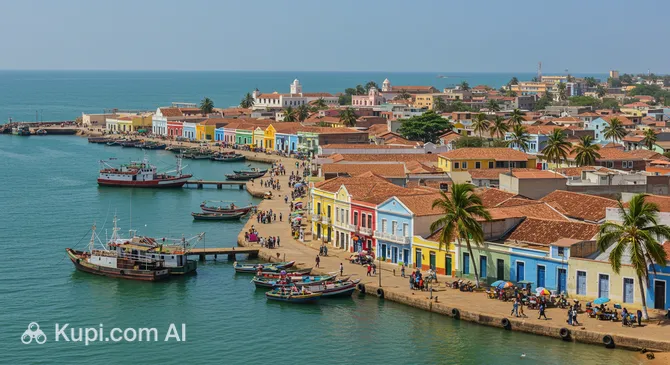
Benguela. Illustration.
Source: Kupi.com AI

For travelers, the city is attractive for its unique atmosphere, where Portuguese traditions blend with African temperament. Key highlights include ancient buildings from the colonial era, noisy markets, and proximity to magnificent Atlantic beaches. Although Benguela is better known as an administrative and commercial hub, its leisurely pace of life by the ocean is charming from the very first moments.

Visiting this city is an opportunity to see the real Angola, not hidden behind the glitz of modern skyscrapers, and to experience its authentic culture. We invite you to explore the streets of this port and feel the breath of history on the ocean shore.
Weather Overview

The weather in Benguela is largely determined by its location on the Atlantic coast and the influence of the cold Benguela Current. Thanks to this current, the climate here is more temperate and dry than in the interior of the country. For most of the year, the city experiences comfortable warm weather, which is excellent for sightseeing walks.

The typical temperature range throughout the year fluctuates from 18°C at night during the cool season to 30°C during the day in the summer months. The hottest period falls in March and April, when the thermometer often reaches 29-30°C. Rainfall occurs mainly from January to April, although even then, rains are rarely prolonged. You can study the city's climate in more detail in the dedicated section.

The winter months (from June to August) are characterized by dry and cooler weather with minimal rainfall and a pleasant sea breeze. This time is considered very comfortable for visiting Benguela for those who do not tolerate intense heat well. Overall, when planning your trip, expect a warm summer with occasional rain and very dry, mild winters.

Average monthly temperature

Average monthly precipitation

Interesting Facts

Benguela hides many surprising stories and features that make it a unique spot on the map of Africa. Here are a few facts to help you get to know the city better:

  • A name for the ocean: The city gave its name to the famous Benguela Current—a cold Antarctic current that flows along the southwestern coast of Africa and significantly influences the climate of the entire region.

  • An ancient outpost: Benguela was founded as early as 1617 as the Portuguese outpost São Felipe de Benguela, making it one of the oldest European settlements in this part of the continent.

  • Trading heart: For centuries, the city served as a vital link between the Atlantic coast and the country's interior, handling major flows of coffee, maize, and tobacco.

  • Scale of the municipality: The city's area covers an impressive 2,100 km², making it one of the most extensive and densely populated municipalities in the province.

  • Center for crafts: Traditional production of ceramics and handmade soap still flourishes in the city's surroundings and is highly valued throughout Angola.

How to Get There

The transport accessibility of Benguela makes it an important logistics hub in western Angola. Most travelers arrive here via Luanda, using both air travel and ground routes. You can find more details about routes on the how to get to Benguela page.

The city's main air gateway is Benguela Airport (IATA: BUG). It is located just a few kilometers from the center, ensuring a quick transfer to your hotel. Regular flights connect the city with the capital, and the flight from Luanda takes about one hour, which is much more convenient than a long car journey.

AirportPassenger trafficDistance
Catumbela Airport75 00014 km
Huambo256 km
Lubango Airport380 000259 km

For those who prefer ground transport, Benguela is connected to other regions by a network of highways. A trip from Luanda by bus or car takes between 6 to 8 hours, depending on road conditions and traffic when leaving the capital. From the neighboring city of Lobito, Benguela can be reached in just one hour.

Rail service in the region is represented by the Benguela Railway, which has historically played a massive role in the economy. While passenger services may be limited today, the stations in this area remain important architectural and logistical landmarks.

Main Attractions

Benguela is a city where history meets the bustle of daily trade. While it may not have classic world-class tourist "hits," the city charms with its atmosphere and preserved examples of Portuguese architecture. A stroll through the historic center allows you to see old buildings that harken back to the days when the city was an important outpost on the West African coast.

One of the main points of interest is the central markets, where real life happens. These are not just places to shop, but true cultural hubs where you can see the full variety of local products—from fresh coffee to traditional handicrafts. It is also worth visiting the municipal squares, which serve as gathering and relaxation spots for the townspeople.

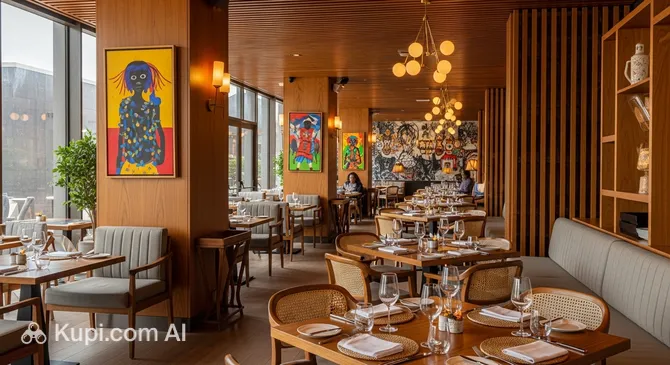
For those who want to experience local gastronomy and hospitality, we recommend stopping by Tudo na Brasa—a popular spot to feel the city's rhythm. Another interesting location is Espaço Gourmet, which offers a modern take on the region's culinary traditions.

Espaço Gourmet. Illustration.
Source: Kupi.com AI

Traveler photos:

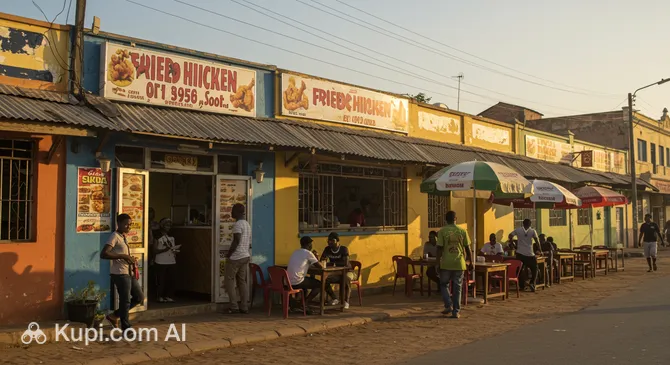
If you are looking for something more familiar, there is a fried chicken restaurant in the city that has become a popular spot for a quick bite. Overall, Benguela serves as an excellent transit point on the way to the magnificent Atlantic beaches located a few dozen kilometers from the center.

Local Cuisine

The culinary traditions of Benguela are an appetizing mix of Angolan identity and Portuguese influence. Thanks to the proximity of the Atlantic, fish and seafood form the basis of the local diet. Be sure to try funje (a traditional porridge made from corn or cassava flour) paired with grilled fish—it's a classic of the local table.

Meat dishes also hold an important place on the menu. It's worth trying mucuta—a hearty fried meat dish served with various spicy sauces. The city's gastronomic scene is represented by everything from simple street cafes in the markets to more refined establishments. For example, at Espaço Gourmet, you can enjoy dishes in a more modern interpretation.

Espaço Gourmet. Illustration.
Source: Kupi.com AI

Traveler photos:

For a quick snack, locals and tourists often choose familiar formats, such as the fried chicken restaurant, which serves popular poultry dishes. If you want to experience true local flavor, head to Tudo na Brasa, where food is often prepared over an open fire.

Tudo na Brasa. Illustration.
Source: Kupi.com AI

Traveler photos:

As for drinks, palm wine, known as quidji, is popular in Benguela, along with the local Cuca beer, which has become a national symbol. Don't forget to try the local coffee—beans grown in the province's interior have a rich aroma and deep flavor highly prized by connoisseurs.

Travel Tips

A trip to Benguela will give you unforgettable impressions if you prepare for it in advance. Here are some practical tips to help make your trip comfortable and safe.

  1. Clothing and Essentials: Choose light clothing made from natural fabrics, as the climate here is warm. Be sure to bring sunglasses, a hat, and comfortable walking shoes. For visiting official institutions or churches, it is better to choose more modest attire. Don't forget a universal power adapter (types C and F are usually used).
  2. Transport: For moving around the city, it is best to use taxis. Public transport (minibuses) can be too overcrowded for an unaccustomed tourist. If you plan to explore the surroundings, consider renting a car with a driver.
  3. Finances: The local currency is the Angolan Kwanza (AOA). It is recommended to carry a supply of cash, as cards are not accepted everywhere, and ATMs may not always work with international cards. Tipping in restaurants is welcomed, usually around 5-10% of the bill.
  4. Health and Safety: A yellow fever vaccination is mandatory. Drink only bottled water and avoid ice in drinks in questionable places. Follow general precautions: do not walk alone at night in remote areas and keep an eye on your personal belongings in the markets.
  5. Communication: The official language is Portuguese. English is not widely spoken, so learn a few basic phrases or use an offline translator. For connectivity, it's best to buy a local SIM card (such as Unitel or Movicel)—this will ensure you have access to navigation.
  6. Local Etiquette: Angolans are very friendly and appreciate a polite greeting. It is customary to shake hands when meeting. Always ask for permission before photographing local residents or administrative buildings.
  7. What to Avoid: You should not openly display expensive jewelry or large sums of money. Also, avoid discussing political topics and photographing military installations or bridges—this can attract unnecessary attention from authorities.
  8. Extra Tip: Try to get to the local market in the morning—it's the best time to buy fresh coffee and see the city's life in all its diversity before the midday heat sets in.

We wish you a pleasant and vibrant journey to this amazing corner of the Atlantic coast!

Entertainment & Nightlife

The entertainment scene in Benguela is characterized by the tranquility and coziness typical of coastal regional centers. You won't find massive nightclubs here, but the city offers soulful evening relaxation. Most activity is concentrated in the bars and cafes along the coast, where live musicians often perform on weekends, playing Angolan music with characteristic notes of "saudade."

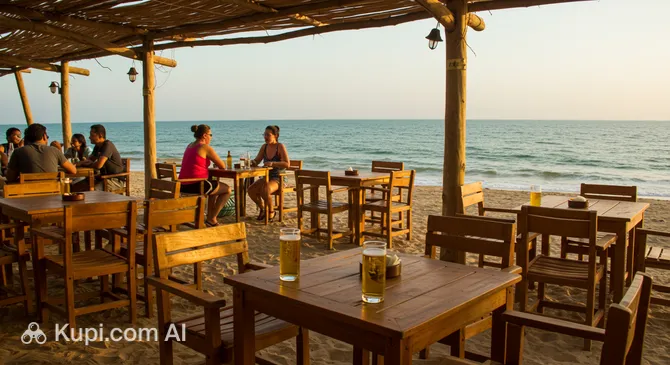
One of the popular spots for evening leisure is the Tudo na Brasa bar, which has a laid-back atmosphere and attracts both locals and expats. It is a great place to try local drinks and enjoy the cool ocean breeze to the sound of rhythmic melodies.

Tudo na Brasa. Illustration.
Source: Kupi.com AI

Traveler photos:

If you are looking for a more vibrant nightlife with dancing until dawn, locals often recommend a short trip to neighboring Lobito, located 55 km away, which is famous for its beach bars. In Benguela itself, evenings are best spent over a leisurely dinner at venues like Espaço Gourmet, watching the city sink into twilight.

For daytime leisure, the city offers walks through the central squares and visits to local markets, which turn into social hubs by evening. For tourist safety, it is recommended to use taxis for moving between venues after dark.

Parks & Museums

The cultural and natural space of Benguela is closely tied to its coastal location and colonial past. While the city lacks large-scale museum complexes, the historic center itself acts as an "open-air museum" with its old Portuguese buildings. History buffs will enjoy walking the streets, examining the architectural details of facades that hold the memory of centuries of Portuguese presence.

Small local exhibitions dedicated to the region's history and the colonial period can be found in the city, though they are more often private or niche in nature. The main "green" spaces for residents and visitors are the embankments and squares in the central part, decorated with palms, where you can take a break from the city bustle and heat.

The main natural "park" for Benguela remains the Atlantic coast. Endless beaches located in close proximity to the city limits offer opportunities for walks and watching sunsets. Despite the lack of large national parks within the city, the combination of the vast ocean and old buildings creates a unique recreational zone.

For a more enriched gastronomic and cultural experience, you can visit Espaço Gourmet, which often becomes a hub for those seeking aesthetics and comfort in the urban environment. An evening spent at Tudo na Brasa will also add vivid impressions to your cultural program in Benguela.

Tudo na Brasa. Illustration.
Source: Kupi.com AI

Traveler photos:

Getting Around

The public transport system in Benguela is typical of large African cities and requires some flexibility from the tourist. The main means of transport for most citizens are candongueiros—blue and white minibuses that run on specific routes. This is the cheapest, but often overcrowded, way to get from one district to another.

Regular buses and taxis also operate in the city. For tourists, the most comfortable and safest option is calling a taxi or renting a car with a driver. This will save you from having to navigate the confusing minibus routes, especially if you need to reach the outskirts of the city, which covers an area of over 2,100 km².

Payment for public transport is made in cash directly to the driver or conductor. There are no unified travel cards here, so it is always worth having small denominations of local currency. The fare for candongueiros is fixed and very affordable, while the price for a taxi ride is negotiated in advance.

In the central part of the city, you can get around on foot while viewing the colonial architecture; however, you should take into account the hot climate and the dust on the roads. Bicycles are not very popular due to traffic and weather conditions. For trips to neighboring cities like Lobito, it is best to use intercity buses or private taxis.

Accommodation

The hotel infrastructure in Benguela is primarily geared toward business travelers and those passing through the city. Mid-range hotels (3-4 star level) predominate, located near the administrative center and the airport. These establishments offer the basic comfort necessary for resting after a flight or a long journey.

For tourists, the most convenient areas to stay are the central part of the city and the coastal zone. By staying in the center, you will be within walking distance of the markets and colonial architecture, while coastal hotels allow you to enjoy the sea breeze. Apartments are also popular in the city, often chosen by expats and specialists visiting for long-term stays.

Since Benguela is not a mass tourist destination, there are few large beach resorts within the city itself. However, cozy guesthouses and small hotels provide a decent level of service. If you are planning a visit, it is recommended to book accommodation in advance through international services or directly, especially during periods of high business activity.

The price range here is average by national standards. Keep in mind that quality housing is in demand among the business community, so the best options in the city center may be occupied. Look for establishments like Espaço Gourmet, which can suggest the best nearby accommodation options.

Espaço Gourmet. Illustration.
Source: Kupi.com AI

Traveler photos:

Nearby Cities

Benguela serves as an excellent starting point for exploring the coastal and inland areas of the province, offering travelers a chance to get to know the diverse landscapes of Angola. The city's surroundings are rich in both natural beauty and important industrial centers.

One of the most popular day-trip destinations is Lobito, located just 28 km to the north. This port city is famous for its unique sand spit, the Restinga, where the region's best beaches, restaurants, and bars are concentrated. The drive takes no more than an hour, making it an ideal place for seaside relaxation.

It is also worth noting neighboring Catumbela, known for its historic bridge and picturesque views, as well as Baía Farta, where you can observe the life of fishing communities. For those wishing to go deeper inland, routes lead to agricultural areas like Caimbambo and Bocoio, where the famous Angolan coffee is grown.

CityPopulationDistance
Baia Farta107 84124 km
Catumbela175 80524 km
Lobito393 07928 km
Caimbambo90 83880 km
Bocoio164 68583 km

Exploring these cities will allow you to see different facets of regional life—from the dynamic port of Lobito to quiet farming settlements. Each of these destinations complements the overall picture of your journey along the Atlantic coast.

Shopping & Souvenirs

Shopping in Benguela is primarily about experiencing local flavor and traditional markets. The city is not famous for huge shopping malls with global brands, but it offers something more authentic. The main commercial activity is concentrated in the open-air markets in the city center, which are the true economic heart of the region.

At the local markets, it is worth looking for the fresh products the province takes pride in: aromatic Angolan coffee, maize, and tobacco. You can also find ceramic items created by local craftsmen and handmade soap. These goods make excellent and original souvenirs that capture the spirit of this land.

If you need familiar goods or a quick bite while shopping, there is a fried chicken restaurant in the city, as well as modern venues like Espaço Gourmet where you can relax after your shopping. For major purchases of clothing or electronics, locals usually head to the capital, as the selection of such items in Benguela is limited.

Fried Chicken Restaurant, Benguela. Illustration.
Source: Kupi.com AI

Traveler photos:

Shops and stalls generally operate from early morning until evening, with a lunch break during the hottest time of day. Payment is most often made in cash using the local currency (Kwanza), though larger establishments are beginning to accept bank cards. Remember that polite bargaining is appropriate and even encouraged at the markets.

Reached the end of the page?

That means the route is fully explored