Support

Jabiru

About

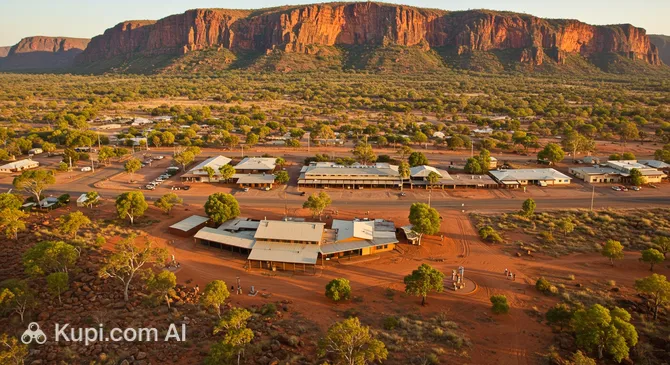
Jabiru is a tiny yet surprisingly picturesque town located in the far north of the continent, in the heart of the Northern Territory. It is literally embraced by tropical jungles on the lands of the famous Kakadu National Park. For many travelers, this settlement serves as the gateway to the wild and unexplored nature of Australia, where modern adventure meets ancient traditions.

Jabiru. Illustration.
Source: Kupi.com AI

Despite its modest size and population of about 1,700 people, Jabiru plays a vital role as the region's tourist and logistics hub. You won't find the usual city bustle and noise here. Instead, guests are greeted by a slow pace of life, lush greenery, and the feeling of the true outback. Although the town itself was built relatively recently, Jabiru's history is inextricably linked to the Aboriginal lands inhabited for thousands of years.

The atmosphere of the place is permeated with a spirit of adventure. People come here seeking unique experiences: going on a jeep safari, seeing saltwater crocodiles in their natural habitat, or touching ancient rock art. If you dream of seeing incredible sunsets and a starry sky that feels closer than anywhere else, be sure to include Jabiru in your itinerary.

Weather Overview

The climate of Jabiru can be described as hot tropical, with a distinct division into dry and wet seasons. Air temperatures remain high throughout the year: average daily maximums range from 32°C in "cool" June to 37°C in hot October. Nights in the winter period (June to August) bring pleasant freshness, when the thermometer drops to 18–19°C.

From May to September, absolute drought reigns in the region: according to statistics, the number of wet days during this period is zero, making the dry season the most comfortable for tourism. In contrast, the period from November to March is characterized by high humidity and regular precipitation; for example, up to 27 rainy days are recorded in January. Expect a sultry summer with frequent rain and a dry, sunny winter with comfortable evenings.

To choose the ideal time for safaris or excursions in Kakadu Park, we recommend checking what weather in Jabiru is forecast for your travel dates.

Average monthly temperature

Average monthly precipitation

Interesting Facts

Beyond its main attractions, Jabiru holds many fascinating secrets revealed only to curious travelers. This town is not just a point on the map, but a living tapestry of modern history and ancient traditions.

  • A Symbolic Name. The town was named after a local celebrity — the black-necked stork, known as the Jabiru. This majestic bird is often seen in the park's floodplains and has become an integral part of the local character.

  • Double UNESCO Heritage. Jabiru is located within Kakadu National Park, which is honored with a place on the World Heritage List for two criteria: its unique nature and its cultural richness. This is a rare occurrence globally, highlighting the exceptionality of the location.

  • A Living Gallery of Antiquity. In the vicinity of the town are caves with rock art dating back over 40,000 years. These are not just museum pieces: local Aboriginal people have regularly updated the drawings, turning the rocks into a chronicle where hunting scenes and depictions of spirits connect the past with the present.

  • Architecture with Meaning. The urban development here also has its peculiarities. For example, the local government building is shaped like a turtle. For indigenous peoples, this image serves as a symbol of wisdom and longevity, harmoniously integrating the modern structure into the cultural context.

  • Town Transformation. Jabiru originated as a worker's settlement for the Ranger uranium mine but managed to radically change its image. From an industrial outpost, it quickly transformed into the main base for eco-tourists and researchers seeking to uncover the secrets of the wilderness.

How to Get There

Jabiru is located in the heart of Kakadu National Park, far from noisy metropolises. Traveling here is already the start of a great adventure across the Northern Territory. Since the town is located deep within the continent, most tourists first arrive at major regional transport hubs and then continue their journey by land. You can find out more about how to get to Jabiru by studying all available routes and modes of travel.

There is no airport in Jabiru itself that accepts regular passenger flights. The nearest major air hub is Darwin International Airport (DRW), located in the city of Darwin. This is the main gateway for international and domestic tourists wishing to visit Kakadu Park. The airport is approximately 214.5 km from Jabiru. The journey by rental car or tourist bus along scenic highways takes about 3.5–4 hours, depending on stops and weather conditions. Given the high passenger traffic, you can always find a transfer or rent a car here.

There are also small regional airports in the area, such as Maningrida Airport (MNG) in the town of Maningrida and Tindal (KTR) in the town of Katherine. Maningrida is closer at 167.1 km from Jabiru, while Tindal is 210.1 km away. However, these airports serve significantly lower passenger volumes and are more often used for local flights or charter services, so planning a route through them is only advisable for specific needs.

For clarity, here is a summary of the main airports:

AirportPassenger trafficDistance
Maningrida Airport20 000167 km
Tindal15 000210 km
Darwin International Airport1.8 mln214 km
Milingimbi6 500233 km

Rail travel in this part of Australia is developed in a specific way and oriented toward famous tourist routes. There is no railway station in the town of Jabiru itself. The nearest major access point for trains is the Darwin Railway Station (XJG), located in the city of Darwin, approximately 234.1 km from Jabiru. This is the arrival point for the legendary "The Ghan" train, which crosses the continent from south to north. From the station to Jabiru, you will need to travel by bus or car, which takes about 4 hours.

Below is information about the nearest railway station:

StationPassenger trafficDistance
Darwin Railway Station60 000234 km

Main Attractions

Jabiru serves as the main cultural and tourist center of the region, and it is the most convenient place to start exploring the wonders of the national park. The town itself and its immediate surroundings are home to places where you can learn more about indigenous traditions, admire unusual architecture, and prepare for a journey into the wild.

The Bowali Visitor Centre is the first place worth stopping by upon arrival. Located just a few minutes from the town center, this complex serves as the main information hub. The building is designed to resemble traditional Aboriginal rock shelters, blending harmoniously into the landscape. Inside, you will find cool galleries with interactive exhibits telling the story of the park's unique ecosystems and the culture of its inhabitants. Here you can get maps, ranger advice, and see an impressive skeleton of a massive saltwater crocodile.

It is impossible to talk about Jabiru without mentioning its most recognizable architectural landmark — the Mercure Kakadu Crocodile Hotel. This unique structure, built in the shape of a giant crocodile 250 meters long, is the town's calling card. even if you are staying elsewhere, it is worth a visit to appreciate the scale of the construction, which is considered one of the most unusual buildings in Australia. The hotel lobby often displays works by local artists, adding cultural value to the visit.

For deep immersion into the region's creativity, be sure to visit the Marrawuddi Arts & Culture gallery. This vibrant and welcoming space, located in a renovated building in the center of Jabiru, has become the heart of community life. Here, you can not only purchase authentic paintings, painted fabrics, and carvings created by masters from local tribes but also observe the process of art creation. The gallery is also famous for its excellent coffee, providing a cozy atmosphere to relax after long walks.

Local Cuisine

In Jabiru, the gastronomic experience is inextricably linked to the surrounding wilderness and ancient Aboriginal traditions. The basis of local culinary life is "bush tucker" — food sourced from the wild environment. Travelers should prepare for bold experiments: menus often feature dishes made from crocodile and kangaroo meat. The real pride of the region is barramundi, a fish prepared here with masterly skill. Most often, it is served grilled with a crispy crust, seasoned with lemon and local pungent herbs.

The town's culinary scene is centered around small, cozy cafes and pubs with a relaxed atmosphere. It is customary here to eat slowly, enjoying the conversation. Regarding drinks in the hot tropical climate, fresh juices made from mango, papaya, and passion fruit are particularly popular for quenching thirst. In the evening, tourists and locals often order a cold Australian beer or wine, perfectly complementing a hearty dinner after a day spent in the national park.

For those who prefer fresh produce, local farmers' markets will be a true discovery. Stalls here abound with tropical fruits, vegetables, and spices grown in the vicinity. Be sure to try home-baked goods, jams, and honey prepared according to old recipes. Periodically, Jabiru hosts gastronomic festivals that offer a unique chance to experience the authentic cuisine of Australia and hear stories about how nature and culture intertwine in every dish.

Travel Tips

Welcome to the heart of the Northern Territory wilderness! To ensure your trip to Jabiru is as comfortable as possible and leaves only pleasant memories, we have prepared a list of important practical recommendations tailored to the specifics of this unique, remote corner.

  1. Clothing and Gear. Given the hot tropical climate, choose loose clothing made of natural breathable fabrics (cotton, linen) in light colors. Be sure to bring a wide-brimmed hat, high-quality sunglasses, and strong sunscreen. For walking in Kakadu Park, you will need sturdy and comfortable closed shoes (trekking boots). Don't forget repellents: in the tropics, insects can be very persistent, especially at sunset.

  2. Transport. There is no public transport in Jabiru in the usual sense (subway or city buses). The only reliable way to get around is a rental car. It is highly recommended to choose an off-road vehicle (4WD), as roads to many waterfalls and attractions may be unpaved and difficult to navigate. Taxi services are poorly developed, and common ride-hailing apps may not work.

  3. Finance. The currency is the Australian dollar (AUD). In the town itself, at the supermarket, gas station, and hotel, Visa and Mastercard are accepted without issues. However, there are few ATMs, and cash may be required in remote art centers or small shops. Be prepared for the fact that food and fuel prices here are higher than in major cities due to the region's remoteness.

  4. Health and Safety. The main safety rule in this region is "Be Crocwise" (be careful with crocodiles). Never approach the water's edge and do not swim in water bodies unless there is a sign permitting it. There is a medical center (Clinic) in town, but it does not operate 24/7 and only provides basic care; serious cases require evacuation to Darwin. Always have a supply of drinking water with you to avoid dehydration.

  5. Communication. The official language is English. Mobile service in town is stable, but the best coverage in the region is provided by Telstra; other networks may disappear as soon as you leave the settlement. Wi-Fi is available in hotels and the visitor center, but speeds may be low. We recommend downloading offline maps of the area in advance.

  6. Local Etiquette. Jabiru is on Aboriginal land, so showing respect for their culture and traditions is mandatory. Do not enter fenced sacred areas and always ask permission before photographing local residents. A friendly "G'day" will help you connect with any Australian.

  7. What to Avoid. Categorically avoid driving at night outside the town. At dusk and night, kangaroos, wallabies, and even buffalo often come onto the roads, creating a high risk of accidents. Also, do not feed wild animals — it can be dangerous for both you and them.

  8. Important Detail. To visit Jabiru and its surroundings, you will need a Park Pass (Kakadu National Park pass). It is best to purchase it online in advance on the park's website to avoid wasting time on-site. The pass is valid for several days and provides access to all the region's natural wonders and cultural sites.

Following these simple rules will allow you to safely enjoy the incredible beauty of the Australian outback. Jabiru is a place where nature dictates its own laws, and by accepting them, you will discover an amazing world of ancient legends and breathtaking landscapes.

Entertainment & Nightlife

Entertainment and nightlife in Jabiru are fundamentally different from what you might see in Australia's major metropolises Australia. Here, you won't find noisy nightclubs with neon signs or red-light districts. Evening leisure in this remote corner of the Northern Territory is imbued with the spirit of the real "outback": it is relaxed, friendly, and centered around socializing after a long day spent in nature.

The center of social life in the town, where both locals and tourists gather, is the Jabiru Sports & Social Club (often simply called "JSC"). This is a classic Australian venue that combines the functions of a pub, club, and restaurant. The atmosphere here is as casual as it gets: people come in shorts and sandals to play pool, watch sports broadcasts, and discuss the latest news over a cold beer. On weekends, there is sometimes live music or themed nights, making the club the main meeting spot in town.

If you are looking for a slightly quieter and more refined setting, head to the bar at the Mercure Kakadu Crocodile Hotel. This establishment offers an excellent selection of Australian wines and cocktails in an air-conditioned room, which is particularly pleasant after a hot tropical day. You can often meet travelers from all over the world here, exchanging impressions of their trips through Kakadu Park. The bar's interior is decorated with Aboriginal art elements, creating a special cultural context for evening relaxation.

An important part of "nightlife" in Jabiru is nature itself. Thanks to its remoteness from big cities and the absence of light pollution, the town offers incredible conditions for stargazing. Simply by stepping outside or driving slightly away from the residential area (while taking safety precautions), you will see the Milky Way as bright as it is rarely seen in the civilized world. Many tourists prefer to spend their evenings this way — in silence under the endless southern sky.

Regarding daytime entertainment, Jabiru offers great opportunities for active recreation. The town is home to the Jabiru Swimming Pool, an Olympic-sized pool that is the perfect place to safely cool off, as swimming in the region's natural waterways is often prohibited due to crocodiles. There is also a 9-hole golf course where you can play surrounded by wildlife, sometimes literally sharing the lawn with kangaroos and wallabies.

Practical tips for an evening out:

  • Dress code: Casual. In most establishments, including restaurants, an informal style of clothing is accepted. Comfortable shoes and light shirts are perfectly appropriate.
  • Safety: Jabiru is a safe place in terms of street crime, but the main threat is the wildlife. Do not walk in unlit outskirts and never approach water in the dark.
  • Transport: Public transport does not run at night, and taxi services may be unavailable or inconsistent. Since the town is small, you can often walk between major locations (town center, hotels), but having a car is more comfortable and safer.
  • Opening hours: Kitchens in pubs and restaurants often close quite early, around 8:30 PM – 9:00 PM, so plan your dinner in advance.

Parks & Museums

Jabiru is a unique spot on the map where the boundaries between urban infrastructure and wild nature are virtually non-existent. Since the town is located directly within the national park, its "green zones" are not just squares, but part of an ancient ecosystem. Cultural life here is inextricably linked with the heritage of indigenous peoples, which is vividly reflected in local galleries and educational centers.

Although the town itself is small, it offers several scenic spots for outdoor relaxation. Lake Jabiru Park is the town's central recreational area. The man-made lake is surrounded by shady trees and lawns where locals love to have picnics and barbecues. A convenient walking path is laid out around the water, ideal for morning jogs or quiet evening strolls. However, it is important to remember that swimming here is strictly prohibited due to the risk of saltwater crocodiles, as warned by numerous signs.

Since Jabiru is in the heart of the national park, its natural extension is the surrounding landscapes. Just a few minutes' drive from the residential area, trails lead into the wilderness of Australia. These areas, though not city parks in the traditional sense, serve as the region's main "green lungs," where you can watch birds and enjoy views of the tropical savanna right from your hotel doorstep.

For immersion into the region's history and ecology, a visit to the Bowali Visitor Centre is a must. It is not just an information point, but a full-fledged museum of natural history and culture. The center's cool galleries feature displays explaining the complex ecosystems of the wetlands and the geological processes that shaped the landscape over millions of years. Special attention is paid to Aboriginal culture: here you can learn about the significance of the seasons in the indigenous calendar and see impressive specimens of local fauna.

The heart of the town's artistic life is the Marrawuddi Arts & Culture center. This gallery plays a key role in preserving and promoting the art of the Arnhem Land region. Works executed in traditional techniques are exhibited here: bark painting, weaving, and wood carving. Visiting the center is interesting because it is a living creative space: tourists can often find artists at work, observing how unique pieces filled with deep sacred meaning are created.

If you want to feel like a true explorer, go for a walk around Lake Jabiru at dawn. At this time of day, you can see many birds, including the famous black-necked stork after which the town is named, and the soft morning light creates perfect conditions for photography.

Getting Around

The town of Jabiru lacks the public transport system typical of large metropolises. You won't find a subway, trams, trolleybuses, or even regular city bus routes here. It is a small settlement geared toward independent travelers and organized tour groups, so transport logistics here have their own specific character.

The primary and virtually only comfortable way for tourists to get around is by rental car. Without private transport, exploring the surroundings and moving even between sites within the region becomes extremely difficult. There are car rental points in the town itself, but selection may be limited, so many travelers rent their vehicle upon arrival in the region. It is highly recommended to choose four-wheel drive (4WD) vehicles, as many roads outside the main highway are unpaved.

Taxi services are available in Jabiru, but they do not operate on a "hail-on-the-street" basis. There are few cars on the line, and you cannot simply stop one by waving your hand. Trips must be booked in advance by phone or by asking for assistance at your hotel's reception. Popular international ride-hailing and car-sharing apps generally do not function here due to the remote location and lack of drivers.

Within the residential area of the settlement, it is quite feasible to get around on foot or by bicycle. Jabiru is very compact: from most accommodations, you can reach the supermarket, pool, or lake in 15–20 minutes along shaded paths. Some hotels may provide bicycles for rent to guests, which is an excellent eco-friendly alternative for short trips around town.

Since there is no public transport as such, there is no system of passes or transport cards. Taxis are paid by meter or fixed agreement, and both cash and bank cards are accepted. However, tourists are advised to always have a small supply of cash, as payment terminals in remote areas can be intermittent due to unstable connections.

An important alternative for those not planning to drive is tourist transfers and organized excursions. Many operators offer tours in comfortable buses or off-road vehicles that pick up travelers right from their hotel doors. This effectively replaces intercity transport, allowing you to reach key natural attractions without any hassle.

Accommodation

Accommodation options in Jabiru, while not vastly diverse, fully capture the spirit of adventure in the Northern Territory. The town offers tourists a choice between comfortable full-service hotels, cozy tourist lodges, and well-equipped campsites. You won't find high-rise hotels or ultra-luxury resorts here; the emphasis is on functionality, proximity to nature, and the atmosphere of the Australian outback.

Location-wise, staying directly within the town limits is the most strategically advantageous decision. By staying in Jabiru, you get quick access to vital infrastructure: the only supermarket in the area, a gas station, a bakery, and a medical center. It is an ideal base for day trips to the main attractions of Kakadu Park, such as Ubirr Rock or the wetlands, which can be reached from here in 20–40 minutes.

Among specific accommodation sites, the absolute leader in popularity is the Mercure Kakadu Crocodile Hotel. This is a famous hotel built in the shape of a giant crocodile, which has become a true symbol of the town. It offers a level of comfort that meets international standards: spacious rooms, a courtyard pool, and a restaurant, making it an excellent choice for those who are not ready to sacrifice convenience even in wild conditions.

Another popular option is the Aurora Kakadu Lodge. This complex is geared toward more budget-friendly holidays and offers a wide range of accommodation: from individual air-conditioned cabins to spots for parking campervans and setting up tents. The lodge's grounds, with tropical gardens and a large lagoon-style pool, create a relaxed atmosphere where travelers often gather in the evenings by the BBQ area.

Booking Tip: When planning your trip, it is critical to consider seasonality. During the "dry season" (May to September), when the weather is most favorable for tourism, Jabiru's hotels and campsites reach 100% occupancy. It is highly recommended to book accommodation 3–6 months before your intended visit to guarantee availability.

The price range for housing here varies from medium to high. Due to the region's remoteness and limited supply, the cost of a hotel night or even a campsite spot is usually higher than in major cities in Australia. You can book accommodation through popular international online aggregators or directly on the accommodation sites, which sometimes allows you to find better special offers.

Nearby Cities

For those looking to explore the surrounding area, Jabiru serves as an excellent starting point for regional travel, though it's worth noting that the concept of "nearby" in the Northern Territory is measured in hundreds of kilometers. Here are a few settlements reachable from the town:

CityPopulationDistance
Cooinda42 km
Gunbalanya1 00044 km
Goulburn Island380132 km
Pine Creek328167 km
Maningrida2 300167 km

Darwin is the capital of the Northern Territory and the nearest major civilized center. Although a round trip takes a full day (about 3.5–4 hours one way), it is well worth it. The city offers a stark contrast to the silence of the national park: here you will find the bustling Mindil Beach Sunset Markets, excellent waterfront restaurants, military history museums, and the chance to swim in protected lagoons. Darwin is where tropical relaxation meets modern comfort.

Maningrida, located east of Jabiru, is one of the largest Aboriginal communities in Arnhem Land. This destination is suitable for those deeply interested in indigenous culture. The settlement is famous for its Maningrida Arts & Culture center, where unique woven items, sculptures, and bark paintings are created. A trip here requires planning (an entry permit for Arnhem Land is often necessary) but allows you to see the region's authentic life and purchase genuine art.

McMinns Lagoon is more of a rural suburb of Darwin, but it is interesting for nature lovers. The area retains an "outback" atmosphere and is known for its wetlands, which attract many birds. It is a good intermediate stop on the way to the capital, where you can enjoy a picnic in a peaceful setting without entering city traffic.

These nearby destinations provide insight into the diverse culture and landscapes of the region, from modern cityscapes to the ancient traditions of Arnhem Land.

Shopping & Souvenirs

Shopping:

General Overview: Shopping in Jabiru has its own unique characteristics, dictated by its location deep within the national park. Do not expect fashion boutiques, large outlets, or endless shopping rows typical of metropolises. The town's commercial sphere is highly functional and oriented towards two main groups: local residents needing essentials and tourists looking for authentic mementos of their trip. The primary value of local shopping is the opportunity to purchase unique Aboriginal art and high-quality equipment for wilderness travel.

Main Shopping Areas: All commercial life in this compact settlement is concentrated in one place — around the Town Plaza. This is the heart of the town, where the main shops and services are within walking distance of each other. Tourists won't have to wander long to find the goods they need: simply reach the center to find everything from food to souvenirs and beach supplies.

Shopping Centers: The only shopping complex in town is Jabiru Plaza. This is a small, single-story open-air building that brings together a supermarket, post office, pharmacy, and newsagent under one roof. It houses the only major supermarket in the region, where you can restock on food and water, and buy insect repellent and sunscreen before heading deeper into the park. Despite its modest size, the range is wide enough to satisfy travelers' basic needs.

Markets and Art Spaces: There are no traditional flea or farmers' markets in Jabiru in the usual sense. Their role is successfully filled by cultural centers, which serve as the main venues for trading local crafts. The Marrawuddi gallery space deserves special attention as it operates like an art market: here you can buy works directly from artists from the Arnhem Land region. This is not just a shop, but a meeting place of cultures where every item has its own story.

Souvenirs: From Jabiru, you should bring back authentic works by local craftsmen rather than Chinese-made magnets. The main souvenir is Aboriginal art: bark paintings, woven baskets, carved wooden figures, and didgeridoos. Books about the flora and fauna of Kakadu Park, high-quality photo albums, and textiles with traditional patterns are also popular. In souvenir shops at hotels and in the visitor center, you can find cosmetics based on local plants (such as Kakadu plum) and clothing suitable for safaris.

Opening Hours and Payment: Shops in Jabiru live by the relaxed rhythm of the tropics. The supermarket is usually open from early morning until evening (around 7:00 PM – 8:00 PM) seven days a week. Specialized souvenir shops, the post office, and the bank operate on standard hours: 9:00 AM to 5:00 PM on weekdays and are often closed or have reduced hours on weekends. Bank cards (Visa, Mastercard) are accepted almost everywhere, but having a small supply of cash in Australian dollars is useful for small purchases.

Tax Free: Since Australia maintains a Tourist Refund Scheme (TRS), you can reclaim 10% of the purchase price when leaving the country. This is especially relevant if you decide to buy expensive artworks in Jabiru galleries. To take advantage of this, you must buy goods totaling 300 AUD or more from a single store (can be across different receipts) and present them along with the tax invoice at the departure airport before boarding an international flight.
Reached the end of the page?

That means the route is fully explored