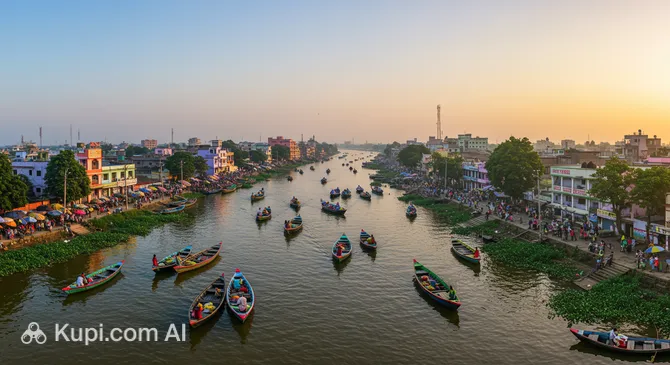
Khulna is a dynamic industrial and commercial hub, proudly holding the title of the third-largest city in Bangladesh. Located on the banks of the Rupsha River in the southwest of the country, the city serves as a vital link between industrial zones and the region's natural treasures. For travelers, Khulna is primarily known as the main "gateway" to the legendary Sundarbans mangrove forest and the strategic port of Mongla.
The city's atmosphere is infused with the energy of a South Asian working center: dense urban development sits alongside active river logistics, while modern factories neighbor historical quarters. The rich history of Khulna was shaped at the crossroads of trade routes, creating a unique multicultural environment where Islamic mosques and Hindu temples harmoniously coexist.
Khulna. Illustration.
Source: Kupi.com AI
Despite its industrial character, the city attracts tourists with the opportunity to see the authentic, unpolished life of Bangladesh. This is the starting point for the most exciting wildlife expeditions, and the proximity to major shipyards and jute mills adds a special local flavor to any trip. Visiting this city is an invitation to the heart of the country's business life, where genuine local hospitality is hidden behind the noise of the streets.
Weather Overview
Khulna features a typical tropical monsoon climate with distinct seasons. One of the main characteristics is the high humidity caused by its proximity to the river delta. If you are planning a trip, it is worth checking the current weather in Khulna to choose your wardrobe correctly.
Summers here are hot and humid: in April and May, temperatures often exceed +34…+36 °C, which feels even more intense due to the high humidity. From June to September, the monsoon season arrives, bringing heavy rains (August sees up to 329 mm of precipitation). Winter (December–February), on the other hand, is very mild and comfortable: average temperatures are around +18…+22 °C, and rain is very rare during this period.
The best time to visit the city is between November and March, when the weather is dry and sunny. This is a comfortable time for long walks and river expeditions. During periods of extreme heat or monsoon rains, it is recommended to plan activities for the morning hours and always carry a supply of drinking water.
Average monthly temperature
Average monthly precipitation
Interesting Facts
Khulna hides many fascinating stories and features that make this industrial giant truly unique.
The name "Khulna" itself has sacred roots: historians associate it with the local deity Khulleshwari, whose cult flourished in these lands for centuries.
In the Middle Ages, this territory was known by the resonant name Jahanabad and was part of the powerful ancient kingdoms of Vanga and Samatata.
The city is home to Khulna Shipyard—one of the country's largest and oldest shipyards, founded in 1957, which cemented Khulna's status as the industrial heart of the region.
In the 20th century, the city became a world center for the jute industry; it is here that giant factories process this "golden fiber" for export to many countries around the world.
It is the main gateway to the Sundarbans—the largest mangrove forest on the planet and a UNESCO World Heritage site, home to the famous Bengal tiger.
How to Get There
The city's accessibility is due to its status as a major transport hub in the southwest of the country. Since there is no international airport directly within the city limits, travelers usually fly into the capital and then choose the most convenient option to explore all the ways to get to Khulna. The journey from Dhaka by bus or private car takes about 6–8 hours, passing through picturesque river crossings.
Domestic flights are available to the nearest airport in Jessore (Jashore), from where the center of Khulna can be reached by taxi in about an hour and a half to two hours. This significantly reduces travel time for those who value comfort. The city is also connected to ports in the south, making it accessible for those arriving by river transport from the direction of Mongla.
Railway communication is one of the most reliable and popular ways to travel. Comfortable trains run regularly between Dhaka and Khulna station, with travel times ranging from 7 to 9 hours. A train journey allows you to avoid road congestion and enjoy views of the Bangladeshi countryside from your window.
Main Attractions
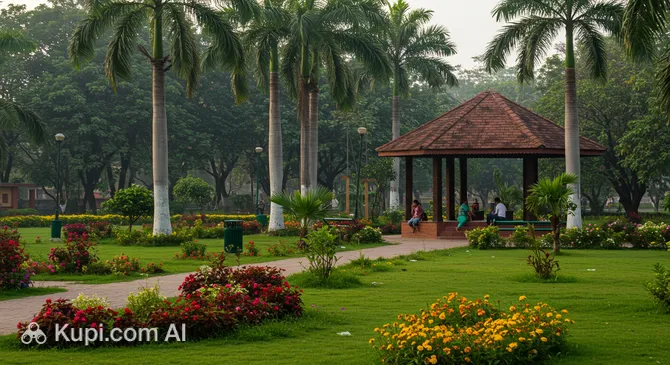
Although Khulna is primarily considered an industrial center, it boasts several iconic sites that every visitor should see. In the heart of the city lies Shaheed Hadis Park—a favorite leisure spot for locals with well-maintained paths and a majestic memorial commemorating important stages of the country's struggle for independence.
Shahid Hadis Park. Illustration.
Source: Kupi.com AI
Traveler photos:
For those interested in the region's past, the Khulna Divisional Museum is a must-visit. Its galleries house archaeological finds and historical artifacts that tell the story of ancient kingdoms and the cultural heritage of the southwestern part of the country. Fans of industrial aesthetics will find it interesting to observe the life of the river port and the Khulna Shipyard, where shipbuilding work is constantly in full swing.
Many travelers use Khulna as a base for trips to UNESCO World Heritage sites. Just an hour's drive away is the historic city of Bagerhat with its famous Sixty Dome Mosque (Shait Gumbad Mosque), considered the pinnacle of medieval Islamic architecture in the region. Upon returning to the city after your excursions, be sure to stroll along the Rupsha embankments to watch the sunset and the endless flow of boats on the river.
Local Cuisine
The cuisine of Khulna is a true paradise for seafood lovers. Thanks to its proximity to rivers and the Bay of Bengal, the staple of the local diet is fish, especially the famous hilsa (or ilish). It is prepared in thick spicy curry sauces, deep-fried, or simmered with mustard. Be sure to try the prawns in coconut milk—this dish is considered a signature of regional Bengali cuisine.
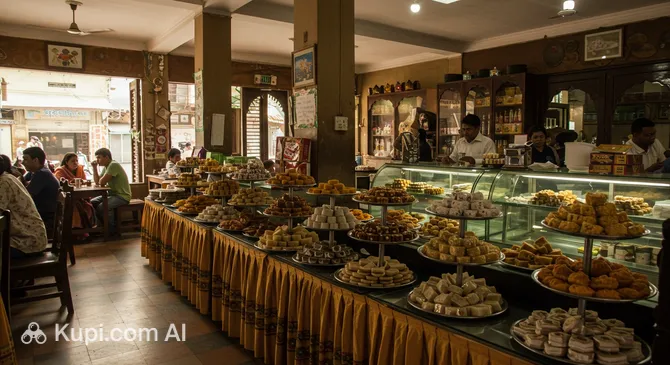
The city's gastronomic scene is represented by many affordable eateries and street stalls. If you are looking for a tried-and-tested flavor, visit the Kacchi Bhai restaurant, famous for its aromatic kacchi biryani. For those with a sweet tooth, a visit to Indramohan Sweets is a must, where traditional milk-and-sugar-based Bengali sweets have been made for decades.
Indramohan Sweets. Illustration.
Source: Kupi.com AI
Traveler photos:
The food culture in the city is simple and sincere: locals love to spend time in tea stalls, sipping sweet milk tea and snacking on fresh samosas or pakoras. Alcohol is not served in public places, in accordance with local traditions. Finish your meal with traditional mishti doi (sweet yogurt)—the perfect way to soothe the heat of the spices and experience the true taste of Bengali hospitality.
Travel Tips
Visiting Khulna will give you unforgettable impressions if you prepare for the pace of life in this industrial giant. Here are some tips to help make your trip comfortable and safe:
Clothing and Dress Code: Choose light clothing made of natural fabrics (cotton, linen), as the city can be very hot and humid. Remember modesty: when visiting mosques and residential quarters, shoulders and knees should be covered. Comfortable shoes are a must for walking through busy streets and markets.
Intra-city Transport: The main way to get around is by rickshaws. Always negotiate the price in advance before getting into the vehicle. For longer distances, it is better to call a motor rickshaw via an app or ask for assistance at the hotel reception.
Finances: The official currency is the Bangladeshi Taka. There are many ATMs in the city, but they do not always accept foreign cards, so always carry a supply of cash with you. Tipping in local eateries is not mandatory but is welcomed in larger restaurants.
Health: Drink only bottled water and avoid ice in drinks on the street. Carry a basic first-aid kit and insect repellent, especially if you plan to travel toward the Sundarbans.
Communication: The primary language is Bengali. English is understood in hotels and large offices, but in the markets, knowing a few phrases in the local language ("How much is it?", "Thank you") will earn you a genuine smile and respect.
Local Etiquette: Greet people with a slight nod or the words "As-salamu alaykum." Remember that the right hand is considered clean—it is the hand used for passing money, food, and shaking hands.
What to Avoid: Do not take photos of people without their permission, especially in residential areas. Avoid discussing political topics and show respect for religious practices.
Connectivity: Buy a local SIM card (such as Grameenphone or Robi) upon arrival; you will need your passport and a photo for this. Wi-Fi in hotels usually works stably, but do not rely on it while out in the city.
Be open to new experiences, show patience with the chaotic traffic, and Khulna will reveal its hospitable soul and the amazing beauty of the Ganges Delta!
Entertainment & Nightlife
The entertainment scene in Khulna is predominantly local and geared toward quiet evening leisure with family or friends. Nightlife in the Western sense—with clubs and bars—is virtually non-existent here due to cultural and religious traditions. In the evening, the main activity moves to tea houses, small restaurants, and the embankments, where residents enjoy the coolness by the water.
One of the most popular places for a stroll is Shaheed Hadis Park, where lights turn on and young people gather in the evenings. For those who prefer cultural activities, local cinemas show the latest in Bengali cinematography. If you are looking for gastronomic experiences, it is worth checking out popular spots like Kacchi Bhai, where you can sample traditional festive dishes in a lively atmosphere.
Daytime entertainment includes visiting shopping areas like the KDA New Market or walking through local parks. It is important to remember that the city quiets down quite early, so it is best to plan active recreation for the first half of the day or early evening. Safety in the central districts is good, but for night travel, it is always recommended to use taxi services or motor rickshaws called through your hotel reception.
Parks & Museums
The green zones and cultural institutions of Khulna reflect the proud and complex history of this region. The main place for a stroll within the city limits is Shaheed Hadis Park. This well-kept square serves not only as a recreational area but also as an important memorial space dedicated to the heroes who gave their lives for the freedom of their people.
The museum life of the city is focused on preservation and education. The 1971 Genocide and Torture Archive and Museum deserves special attention. This site makes a powerful impression, documenting historical events, and is a must-visit for those wishing to understand Bengali national identity. It is also worth seeing the Gollamari Memorial, erected on the site of significant historical events.
For a broader introduction to the art and past of the region, the Khulna Divisional Museum is open, featuring archaeological collections. Although there are few world-scale parks within the city itself, the proximity to mangrove forests and river embankments more than compensates for the need for contact with nature, turning the entire region into a kind of open-air museum.
Getting Around
The public transport system in Khulna is typical of a large Bangladeshi city and is based on road communication. The main means of transport for locals and tourists are rickshaws and motor rickshaws (CNGs). These are the most maneuverable vehicles, allowing easy access to narrow streets and shopping areas where buses cannot always pass.
Route buses connect the central districts with the outskirts and industrial zones. They are very inexpensive but are often overcrowded during peak hours. Travelers are advised to confirm the route with the conductor or driver in advance. For more comfortable city travel, you can use taxi hailing services or rent a car with a driver through your hotel, which is particularly convenient for out-of-town trips.
The city's railway station is a key transport hub, providing links to Dhaka and other regions. Fares for city transport are usually paid in cash directly to the driver or conductor. When using rickshaws, it is important to agree on the price beforehand to avoid misunderstandings at the end of the journey. During the monsoon season, allow more time for travel due to potential congestion and the impact of weather conditions on traffic.
Accommodation
The hotel sector in Khulna is primarily focused on business travelers and those using the city as a transit point before heading to the mangrove forests. There is a decent selection of mid-range hotels and budget guesthouses. The most comfortable accommodation options are found in the central part of the city, near the main thoroughfares, providing easy access to transport and restaurants.
For tourists who value authenticity, there are numerous local hotels. While there are few luxury five-star international chain resorts here, local hotels offer the basic set of amenities necessary for a comfortable stay. If you plan to visit places like Shaheed Hadis Park, look for accommodation within a few kilometers of it to save time commuting around the city.
It is recommended to book rooms in advance, especially if your trip coincides with the Sundarbans visiting season or major business events in the region. Prices are quite affordable, and payment is mostly made in cash, although larger hotels accept international bank cards. Apartment rentals are less common and usually require personal arrangements with the owners.
Nearby Cities
Khulna serves as an excellent starting point for exploring the southwestern region of the country, offering travelers access to unique cultural and historical sites. One of the most popular destinations is a trip to nearby Bagerhat, where you can see ancient UNESCO-listed mosques, making this route a must for architecture enthusiasts.
If you want to see more regional centers, head to the city of Jessore, located just 50 kilometers away and connected to Khulna by a busy highway. Also of interest is Satkhira—another important hub that opens the way to southern natural areas. For those interested in the history of the country's political leaders, a trip to the city of Tungipara is fitting.
In addition to major cities, the surroundings of Khulna offer many scenic river routes and the opportunity to visit the port of Mongla. Each of these directions allows for a deeper understanding of Bangladesh's diversity, a glimpse of the traditional rural way of life, and a chance to enjoy peace away from the noisy metropolis.
Shopping & Souvenirs
Shopping in Khulna is an immersion into the atmosphere of traditional South Asian markets, where you can find both everyday goods and unique creations by local artisans. Being the center of the jute industry, the city offers a huge selection of "golden fiber" souvenirs: from elegant bags and rugs to decorative interior elements that make excellent mementos of your trip.
For a more familiar shopping format, head to the KDA New Market, considered one of the city's main shopping venues. Here, shops selling clothing, textiles, and electronics are gathered under one roof. If you prefer modern spaces, visit the Khulna Shopping Complex, which features national brands and a wide range of goods for the whole family.
KDA New Market. Illustration.
Source: Kupi.com AI
Traveler photos:
The food markets have a special charm, where the air is filled with the aromas of fresh spices and tropical fruits. In shops and markets, it is customary to pay in cash (local taka), and operating hours usually span from morning until late evening, except during Friday prayer times. Don't forget to look out for high-quality Bengali cotton and hand-embroidered items, which are famous for their durability and beauty.