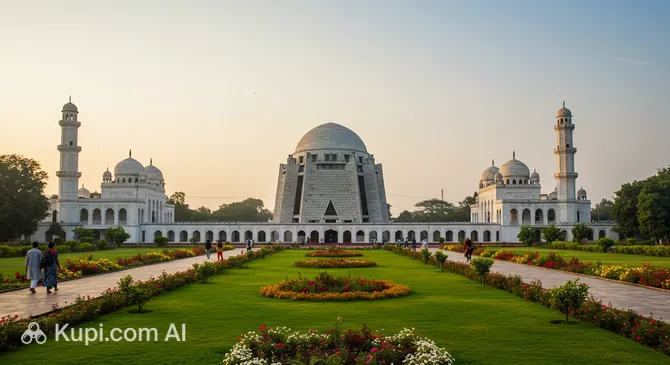
Tungipara, being a city with deep historical roots, offers guests a unique combination of cultural heritage and natural beauty. You won't find the massive amusement parks of megacities here, but the city charms with its well-kept memorial gardens and picturesque natural areas where you can escape the hustle and touch the history of Bangladesh.
Green Zones and Parks
The central place among the city's green spaces is the Memorial Complex Park. This space, surrounding the tomb of the "Father of the Nation," is a model of landscape design with neatly trimmed lawns, flower beds, and shaded alleys. Tourists come here not only for the history but also to enjoy the peace and quiet. Walking along the park paths allows you to feel an atmosphere of serenity, and the benches in the shade of trees are perfect for relaxing after a tour.
For nature lovers, Borni Baor is a true discovery — an extensive wetland that can be called a natural wild park. This place attracts ecotourists and bird-watching enthusiasts. There are no paved paths here, but there is an opportunity to see the untouched beauty of Bengali nature, observe herons and kingfishers, and enjoy fresh air away from urban development.
Another important natural area is the Madhumati Riverfront. Although not a park in the traditional sense, the shoreline serves as a favorite walking spot for locals and visitors alike. Green slopes descending to the water and majestic trees provide pleasant coolness even on hot days. It is an ideal location for a leisurely promenade at sunset when the river is tinted with golden tones.
Museums and Cultural Centers
The cultural heart of the city beats in the Sheikh Mujibur Rahman Museum, located within the memorial complex. The museum's exhibition carefully preserves the memory of the nation's leader: rare photographs, archival documents, and personal belongings telling the story of his life and political journey are presented here. For tourists, this is a unique opportunity to gain a deeper understanding of the history of independent Bangladesh's formation through the lens of one person's destiny.
Equally interesting is the Sheikh Family Ancestral Home, which is an open-air museum in its own right. This building is a fine example of traditional Bengali architecture, preserving the spirit of the last century. Visitors can examine the interior furnishings, everyday items of that era, and learn how a wealthy family lived in the countryside. The complex's library is of particular value, housing an extensive collection of books on the history and culture of the region.
Architectural Accents and Tips
From an architectural standpoint, the Mausoleum itself is the city's dominant feature. The structure made of white marble with an elegant dome combines elements of modern and Islamic architecture, creating a solemn and majestic image. Latticed windows and high arches add lightness and airiness to the building, making it one of the most photographed objects in the region.
Insider Tip: If you want to see something special, head to the place known as Hizal Tala. This is a historical area by a pond with ancient trees that has been restored and turned into a cozy corner for reflection. There are fewer tourists here than at the main memorial, allowing you to fully experience the authentic atmosphere of old Tungipara.