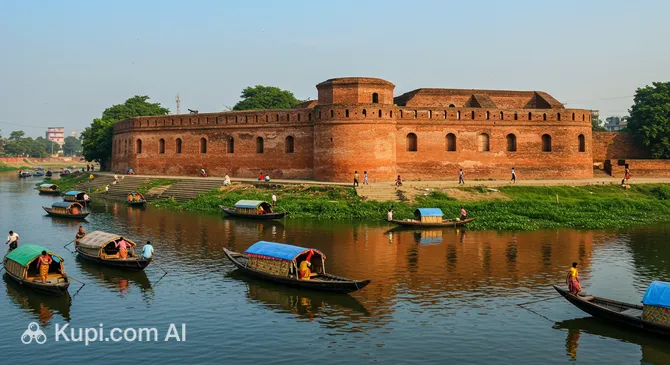
Narayanganj is a dynamic and densely populated city located in the heart of Bangladesh. As the country's fifth-largest metropolis, it serves as a vital industrial and commercial hub, earning it the evocative nickname "The Dundee of Bangladesh." The city is permeated with an atmosphere of industrial progress, which intertwines closely with the leisurely pace of life along the banks of the wide Shitalakshya River.
Geographically, the city is situated just 19–20 kilometers from the capital, Dhaka, making it a key transport link for the region. Located at an elevation of only 3 meters above sea level, Narayanganj's life is inextricably linked to the water. Home to over 1.5 million people, it creates an incredibly vibrant and energetic flow of daily hustle and bustle, typical of major South Asian centers.
The city's rich heritage dates back to the 18th century, and the history of Narayanganj's founding is closely tied to the Hindu leader Bicon Lal Pandey. For tourists, the city is primarily attractive for its historic forts and ancient mosques, as well as the opportunity to see the country's authentic industrial life from the inside. A visit here is an invitation to immerse yourself in the real, unembellished life of modern Bangladesh.
Narayanganj. Illustration.
Source: Kupi.com AI
Weather Overview
The climate in Narayanganj is typical of the tropical regions of South Asia and is characterized by three main seasons: a hot summer, a monsoon season, and a mild winter. The average annual temperature stays around 26°C, however, high humidity due to the proximity of the Shitalakshya River makes the heat feel more intense.
The winter months, especially December and January, are considered the most comfortable for visiting: average temperatures are around 18–20°C, and rain is very rare during this time. Warming begins in March, and by April, the thermometer can rise to 34–36°C. From June to October, the city is under the sway of monsoons, which bring heavy rains that refresh the air but can make travel difficult.
If you are planning a trip, be sure to check the detailed weather forecast in Narayanganj to choose your wardrobe correctly. Overall, you can expect a very warm summer with frequent rains and a dry, pleasant winter, ideal for long walks and sightseeing.
Average monthly temperature
Average monthly precipitation
Interesting Facts
Narayanganj is more than just an industrial center; it is a city full of surprising details that often escape the average tourist's eye. Here are a few curious facts that reveal the true face of this place:
The city was named after the Hindu leader Bicon Lal Pandey (known as Lakshmi Narayan Thakur), who leased the land in 1766 and dedicated its proceeds to the god Narayan.
Due to its historical role in the global jute trade, the city gained international recognition and the status of "The Dundee of Bangladesh," named after the Scottish city of Dundee, the world leader in the jute industry of the past.
The river port of Narayanganj is officially considered one of the oldest and most significant in the country, playing a key role in the region's economy for over two centuries.
The city is located in a lowland area, and the average elevation of its center is only 3 meters above sea level, making it highly sensitive to the water level of the Shitalakshya River.
Narayanganj consistently ranks among the top five largest cities in Bangladesh by population, surpassing many regional administrative centers.
How to Get There
Narayanganj's accessibility is due to its proximity to the capital, making it an easy destination for any traveler. Most tourists arrive via the country's main gateway located in neighboring Dhaka. If you are looking for detailed information on routes, we recommend checking the section on how to get to the city.
Hazrat Shahjalal International Airport (IATA: DAC) is the largest airport in Bangladesh, receiving flights from most global hubs. It is located approximately 30-40 kilometers from Narayanganj. The most convenient way to reach the city from the airport is by taxi or ride-sharing apps, with travel time ranging from one to one and a half hours depending on traffic. You can also use buses that regularly run from the terminals towards the southern suburbs.
Rail travel is another popular and budget-friendly way to get around. Narayanganj Railway Station is the terminus of the line from central Dhaka (Kamalapur Station). Trains run frequently, and the journey takes about 45–60 minutes, allowing you to avoid the capital's notorious traffic jams. Additionally, the city is famous for its river port, where ferries and boats arrive from various regions of the country, offering a scenic water route.
Station
Passenger traffic
Distance
Kamalapur railway station
11
12 km
Airport railway station
6
25 km
Agartala railway station
10
82 km
Shaistaganj Junction railway station
5
121 km
Jashore Junction railway station
5
142 km
Main Attractions
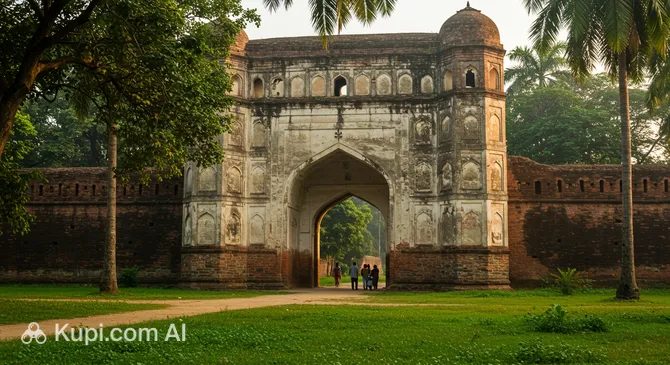
Narayanganj carefully preserves monuments from various eras, offering tourists a unique look at the region's defensive architecture. One of the most significant landmarks is Hajiganj Fort. This impressive Mughal-era structure once protected river routes from pirate raids. Walking along its ancient walls, it is easy to imagine sentries on watch, gazing out over the river surface.
Hajiganj Fort. Illustration.
Source: Kupi.com AI
Traveller photos:
The city's spiritual life is reflected in its numerous mosques, such as Sonakanda Boro Jame Mosjid and Dokhhin Para. These architectural gems serve not only as places of prayer but also as centers of local culture. Their elegant minarets and domes create a unique city skyline, especially beautiful in the rays of the setting sun.
For those interested in industrial history, Narayanganj offers a unique experience visiting old jute mills, including the famous Adamjee Jute Mills. The Shitalakshya River itself is a living attraction: a boat trip on its waters allows you to see one of the country's oldest river ports in action, observing the movement of ships and the bustle of port workers.
Local Cuisine
The gastronomy of Narayanganj is a true feast for lovers of rich flavors and aromatic spices. The foundation of the local diet, as in all of Bangladesh, is rice and river fish, which the Shitalakshya River provides in abundance. Be sure to try biryani—a fragrant pilaf with meat or vegetables, prepared here using special recipes with local spices.
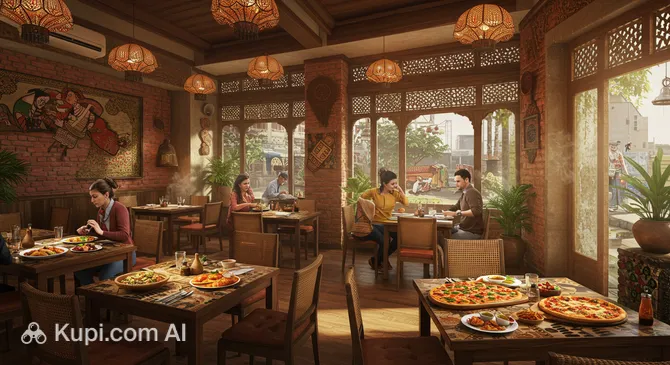
Street food in the city deserves special attention. In markets and squares, you can often find stalls selling fuchka—crispy dough balls filled with potatoes, chickpeas, and spicy chutney sauce. If you prefer a more familiar setting, visit the PizzaBurg restaurant, which offers a modern interpretation of popular dishes, or visit the Grand Hall Restaurant and Convention for a formal dinner.
PizzaBurg. Illustration.
Source: Kupi.com AI
Traveller photos:
Tea culture is widespread in Narayanganj. Small tea shops (cha-er dokan) are the primary social hubs. Here, you'll be offered strong black tea with milk and plenty of sugar, often with added ginger or cardamom. This is a great way to meet locals and enjoy the city's authentic atmosphere. For dessert, it's worth trying local milk-and-sugar-based sweets, such as roshogolla.
Travel Tips
Preparing for a trip to Narayanganj requires attention to detail to ensure your journey is comfortable and leaves only pleasant impressions. Here are some practical tips from experienced travelers:
Clothing and Dress Code: Choose light clothing made from natural fabrics, as the city is almost always humid and hot. Remember local etiquette: when visiting mosques and historical sites, shoulders and knees should be covered. Comfortable closed shoes are essential for walking along busy streets and port areas.
Transport: The fastest way to get around inside the city is by rickshaw, but for trips to Dhaka, it's better to use the train to save time. Install ride-hailing apps (e.g., Uber or Pathao) to ensure transparent pricing.
Finance: The official currency is the Bangladeshi Taka. Exchange money in Dhaka or at major banks in Narayanganj. Cards are only accepted in large hotels and chain restaurants, so always carry cash. Tipping in small cafes is not mandatory but appreciated.
Health: Drink only bottled water and avoid ice in drinks. There are many pharmacies in the city, but it's better to bring specific medications with you.
Communication: The main language is Bengali. English is understood by bank staff and young people, but it's helpful to learn a couple of phrases: "Dhonnobad" (Thank you) and "Koto?" (How much?). You can buy a SIM card at any mobile shop with your passport.
Local Etiquette: Greet people with a slight nod or the words "Assalamu alaikum." Remember that the left hand is considered "unclean," so pass money and food with your right hand.
What to Avoid: Do not photograph strategic objects (bridges, security posts) or people without their prior consent. Also, you should not drink tap water.
Extra Tip: Be sure to take a short boat trip on the Shitalakshya River at sunset—it's the best way to see the city from its most beautiful perspective.
Following these simple rules will help you adapt faster and fully enjoy the hospitality and flavor of this unique industrial center.
Entertainment & Nightlife
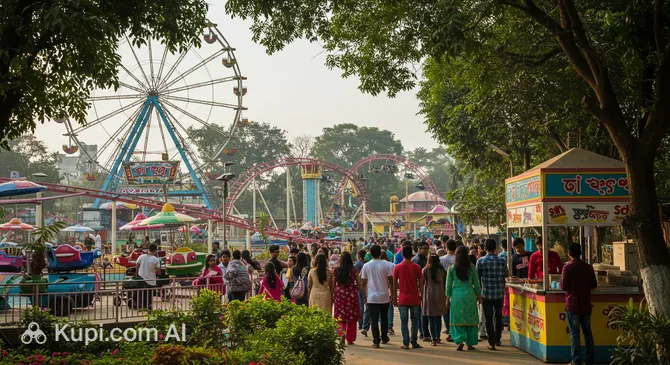
Entertainment in Narayanganj is predominantly family-oriented and low-key, as the city is primarily focused on industrial activity. A popular spot for locals and visitors alike is Chowrongee Fantasy Park. Here, you can enjoy the rides or simply take a stroll through the greenery, escaping the noise of the central streets.
Chourongi Fantasy Park. Illustration.
Source: Kupi.com AI
Traveller photos:
Nightlife in the classical Western sense—with clubs and bars—is virtually non-existent here due to local cultural traditions. Evening activity is centered around the river embankments and numerous tea stalls. Locals love to gather by the Shitalakshya River to enjoy the cool breeze and socialize over a cup of strong masala tea. This is the best time to experience the authentic atmosphere of the city.
For those interested in cultural leisure, religious holidays and festivals held at venues like Mahamud Nagor Eidgah can be of interest. In the evening, restaurants such as Grand Hall become magnets for those wanting to enjoy a delicious dinner in pleasant company. Safety in central areas during the evening is generally good, but it is better to use verified taxi services for getting around.
Parks & Museums
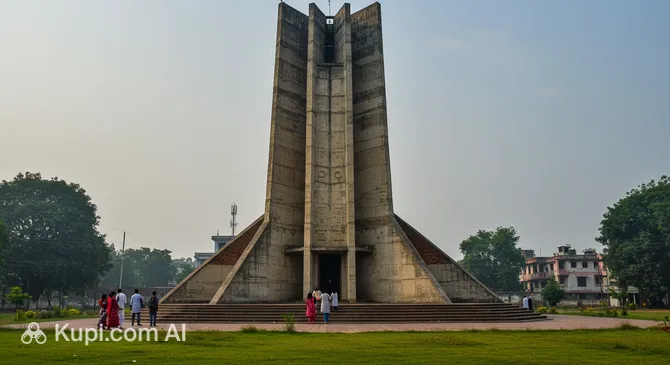
Despite its industrial status, Narayanganj offers places for cultural and memorial rest. Of particular importance to the citizens is the Torkarmat Shahid Minar—a monument dedicated to the heroes of the Bengali Language Movement. This site is not only an architectural object but also an important symbol of national identity, where solemn events are often held.
Tokkarmath Shaheed Minar. Illustration.
Source: Kupi.com AI
Traveller photos:
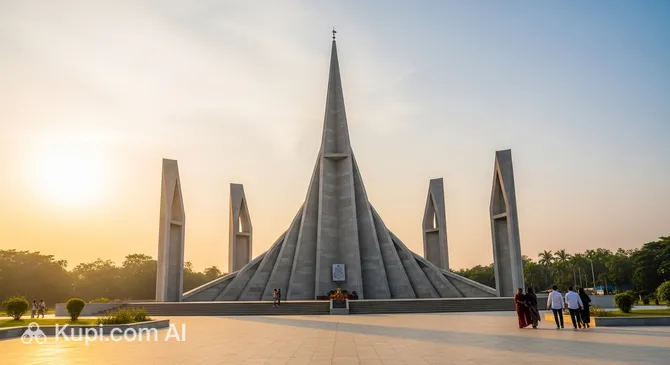
Another iconic location is the Language Movement 71 Martyrs Memorial. This memorial serves as a reminder of the liberation struggle and the resilience of the local population's spirit. The areas around such monuments are often landscaped and serve as quiet oases amidst the noisy urban development, where one can rest and reflect in a peaceful environment.
There are not many park zones in the very center; however, the embankments of the Shitalakshya River serve as the main recreational spaces. Walks along the water allow you to enjoy the river breeze and observe port life. Those looking for larger exhibitions should head to nearby Sonargaon, home to the magnificent Folk Art and Crafts Museum, offering a deep dive into the region's history and crafts.
Language Movement Martyrs' Memorial Pillars 71. Illustration.
Source: Kupi.com AI
Traveller photos:
Getting Around
The public transport system in Narayanganj reflects its status as a major trading hub and is closely linked to the neighboring capital. The main means of transportation for locals and tourists are buses and minibuses. They connect Narayanganj with Dhaka and other cities in the region, running from early morning until late evening. Tickets are usually purchased from the conductor, and prices remain some of the most affordable in the region.
A special place in the transport system is occupied by river transport. Ferries and small traditional boats known as "lowka" constantly ply the Shitalakshya River, transporting people and cargo. For a tourist, this is not just a way to get from one part of the city to another, but also a great opportunity to see the industrial landscape from the water. The fare for the crossing is usually fixed and very small.
For short trips around the city, rickshaws and auto-rickshaws (tuk-tuks) are indispensable. This is the most maneuverable type of transport, capable of navigating narrow streets. You should always agree on the price of the trip in advance. Additionally, taxi services and mobile ride-hailing apps operate in the city, providing extra comfort and safety for long-distance travel. The railway line to Dhaka remains a reliable alternative for those wishing to avoid road congestion.
Accommodation
The choice of accommodation directly in Narayanganj is quite specific. Since the city is a major industrial center, most available lodging options are geared towards business travelers and locals. You can find several budget hotels and guesthouses, primarily located near the port area and main transport arteries.
For tourists who value comfort and a wide range of services, experienced travelers often recommend considering hotels in Dhaka. Given the short distance, many prefer to stay in the capital and visit Narayanganj on day trips. However, if you decide to stay in the city, look for mid-range guesthouses that offer basic amenities such as air conditioning and Wi-Fi.
It is best to book accommodation in advance through international services or by phone, especially during the peak tourist season from November to February. The price range here is significantly lower than in the capital, making Narayanganj attractive for budget travelers. Before checking in, it is always useful to confirm the availability of a backup generator, as power outages are not uncommon in the region.
Nearby Cities
Narayanganj is an excellent starting point for exploring the central part of the country, offering travelers easy access to neighboring cities with their unique character. Just a few kilometers away are interesting locations that can easily be visited as part of a day trip using local buses or auto-rickshaws.
Very close by is Siddhirganj, which can be reached in 15 minutes. This city is interesting for its industrial landscapes and the opportunity to see major power facilities against the backdrop of river branches. For those seeking a quieter experience, Faridabad (not to be confused with its Indian namesake) is a good choice, where you can take a boat trip and observe the traditional lifestyle of Bangladeshi riverside communities.
Of course, the main destination remains the majestic Dhaka. The capital of Bangladesh is just 19 kilometers away and offers an endless list of attractions: from the pink Ahsan Manzil Palace to the bustling bazaars of Old Dhaka. Reaching it is easiest by suburban train or a regular bus, which depart every few minutes.
We highly recommend not limiting yourself to just the center of Narayanganj. Surrounding sub-districts, such as Sonargaon with its folklore museum and the ancient city of Panam Nagar, will enrich your trip with vivid historical images and help you better understand the cultural code of this amazing region.
Shopping & Souvenirs
Shopping in Narayanganj is primarily an introduction to the rich traditions of textile production. The city is famous for its fabric and ready-made garment markets, as it is home to a vast number of factories. Tourists can find cotton and silk products here at very attractive prices, as well as the famous Bangladeshi jute, which is used to make bags, rugs, and decorative items.
Shopping areas are concentrated mainly in the river port district and along the central streets. There are no huge Western-style malls, but there are many colorful markets where you can haggle and find unique handmade items. For those who prefer a modern format, medium-sized shopping centers and brand stores of local clothing labels are open in the city.
As souvenirs from Narayanganj, it is worth bringing back traditional handicrafts: baskets woven from straw or jute, clay pottery, and, of course, local sweets. Shops usually operate from 10:00 to 20:00, and Friday is often a day off. Payment in most stalls is made in cash in the local currency (Taka), so it's always worth having a small supply of bills with you.