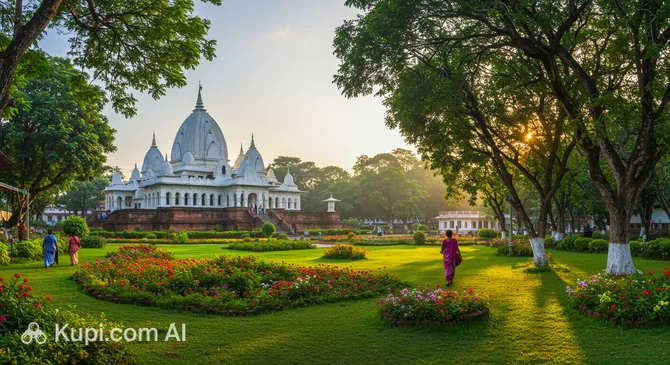
Comilla is one of the oldest and most distinctive cities in eastern Bangladesh. Located on the banks of the picturesque Gumti River, this city serves as an important administrative and industrial center of the Chittagong Division. With a population of about 296,000, Comilla retains the charm of provincial comfort while remaining a key transport hub on the busy highway between Dhaka and Chittagong.
Comilla. Illustration.
Source: Kupi.com AI
The city is famous for its rich historical heritage, dating back to ancient times when these lands were part of the Kingdom of Tripura. Its geographical location in a flat alluvial zone defines the nature of local life: the fertile lands around the city abound with plantations of jute, rice, and tropical fruits such as jackfruit and bananas.
For the traveler, Comilla reveals itself not through grand facades, but through the quiet atmosphere of old quarters, ancient Buddhist ruins in the vicinity, and confectionery shops famous throughout the country. It is a place where you can touch authentic Bengali life, see traditional crafts — from "khadi" textile weaving to reed basket weaving — and feel the rhythm of life in real, non-tourist Bengal.
Weather Overview
The climate in Comilla is classified as subtropical monsoon, which means a clear change of seasons. The hottest time of the year lasts from March to May, when air temperatures can rise to +34...+35°C. During this period, humidity gradually increases, preparing the city for the arrival of the monsoons.
From June to October, torrential rains dominate the region. At this time, the weather in the city is characterized by frequent downpours: for example, in June and August, about 300 mm of precipitation falls monthly. The proximity of the Gumti River and the flat terrain can lead to local flooding, so travelers should consider this when planning trips.
The best time to visit Comilla is considered the cool season from November to February. At this time, dry and sunny weather sets in with average temperatures ranging from +18°C to +24°C, and nights bring a pleasant coolness (down to +12°C). Winter is an ideal period for visiting archaeological sites and long walks around the city.
Average monthly temperature
Average monthly precipitation
Interesting Facts
City of Water Bodies: There are more than 400 reservoirs and ponds in and around Comilla. The most famous of them, Dharma Sagar, has a diameter of about 1.6 km and was excavated more than 500 years ago by order of the Raja of Tripura.
Unique Appearance: Researchers note that among the indigenous inhabitants of Comilla, people with green or hazel eyes are found more often than in other regions of the country, which is associated with the historical influence of Afghan and British settlers.
Sweet Capital: Comilla is considered the birthplace of the world's best dessert, "rosomalai." The authentic delicacy is produced in the historic Manoharpur district, and foodies from all over the country come here specifically for these delicate cheese balls in cream.
Ancient Heritage: The city once served as the capital of the ancient Kingdom of Tripura, and its history as an administrative unit began as early as 1790 under the British name Tipperah.
Khadi Textiles: Comilla is one of the few places where "khadi" is still produced by hand — a special type of homespun cotton that has become a symbol of the region's movement for independence and self-sufficiency.
How to Get There
Comilla occupies a strategic position on the country's main transport artery connecting Dhaka and Chittagong, making it very accessible for travelers. The most popular way to get to the city is by intercity bus. The trip from the capital usually takes 2 to 3 hours, although this time can increase during peak hours due to high traffic density.
The city's own airport does not currently serve regular commercial flights, functioning instead as an export industrial zone. Therefore, the nearest air hubs remain Dhaka International Airport and Chittagong Airport. From there, Comilla can be reached by taxi or bus.
Railway service is an excellent alternative to road transport, allowing you to avoid traffic jams. Express trains on the Dhaka–Chittagong and Sylhet–Chittagong routes pass through the Comilla railway station. The train journey from the capital is comfortable and takes about 3 hours.
Station
Passenger traffic
Distance
Agartala railway station
10
39 km
Kamalapur railway station
11
83 km
Airport railway station
6
91 km
Shaistaganj Junction railway station
5
96 km
Chattogram University railway station
4
125 km
Main Attractions
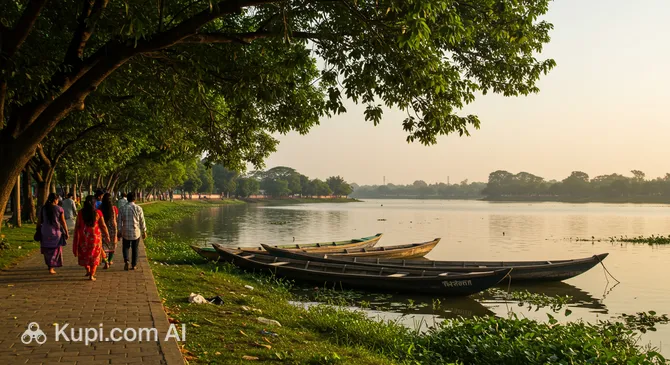
Although Comilla is not a mass tourist center, its surroundings hide real treasures for history buffs. One of the main gems of the region is the Dharmasagar reservoir, created back in the 15th century. It is not just a huge artificial body of water, but a favorite place for walks, around which the city's cultural life is concentrated.
Dharmasagar. Illustration.
Source: Kupi.com AI
Traveler photos:
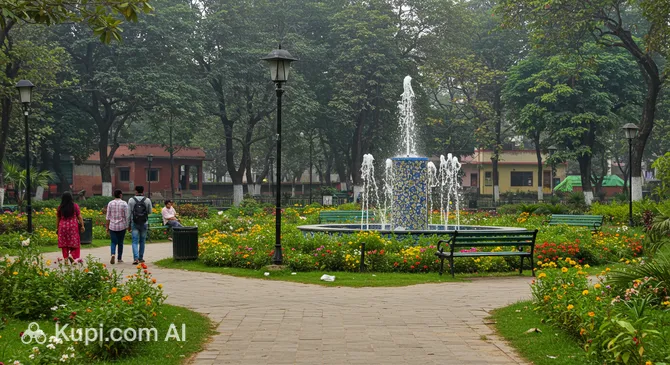
For those looking for a relaxing break within the city, Comilla City Park is open. This cozy green space allows you to briefly escape from the city noise and bustle, enjoying the shade of trees and the slow pace of local life.
Comilla City Park. Illustration.
Source: Kupi.com AI
Traveler photos:
The archaeological sites of Mainamati, located nearby, deserve special attention. Here lie the ruins of ancient Buddhist monasteries, such as Shalban Vihar and Rupban Mura. These sites house artifacts from the eighth century and allow one to imagine the greatness of the ancient civilizations that flourished on these lands long before modern times.
Local Cuisine
A gastronomic journey to Comilla is impossible to imagine without tasting the local sweets. The city is rightfully considered the "dessert capital" of the region. The main hit is rosomalai, the most delicate curd balls soaked in thick sweet cream with the aroma of cardamom. For this delicacy, it is best to go to the historic shops of the Manoharpur district.
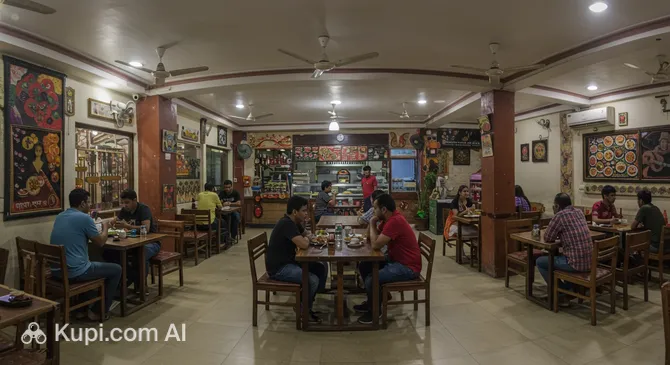
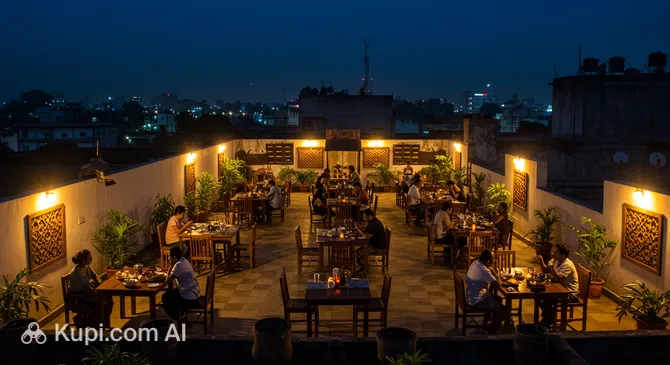
In addition to desserts, local cuisine offers a rich selection of fresh river fish dishes caught in the Gumti River. It's worth trying traditional Bengali biryani or pitha — rice cakes that are especially popular during the winter period. If you want familiar international cuisine, you can drop into establishments such as PizzaBurg, which offers modern fast food.
PizzaBurg. Illustration.
Source: Kupi.com AI
Traveler photos:
For a more refined dinner, Fuoco Cumilla restaurant is suitable, offering a variety of dishes in a pleasant setting. Street food is also an important part of the culture: be sure to try samosas and hot milk tea at the markets, which Bengalis are ready to drink at any time of the day.
Fuoco Cumilla. Illustration.
Source: Kupi.com AI
Traveler photos:
Travel Tips
Comilla is a friendly city, but preparing for your trip will help make your journey as comfortable and enjoyable as possible. Here are some practical tips from experienced travelers:
Clothing and Essentials: Choose lightweight clothing made from natural fabrics, as the region has high humidity and heat. During the monsoon season (June–October), be sure to bring an umbrella and a raincoat. For visiting temples and mosques, choose modest clothing that respects local traditions.
Transport: Cycle rickshaws are best for moving around the center. If you need to go far, call a CNG auto-rickshaw. Be prepared for traffic jams during peak hours, especially at the city entrances.
Finance: The main currency is the Bangladeshi Taka. Cards are only accepted in large shopping malls and hotels, so always carry a supply of small-denomination cash to pay for rickshaws and market purchases.
Health: Drink only bottled water and avoid ice in street drinks. During the monsoon, use repellents to protect against insects.
Communication: The main language is Bengali. English is spoken in hotels and banks, but knowing a few phrases like "Kemon achen?" (How are you?) will bring a genuine smile to the locals' faces.
Local Etiquette: It is customary to remove your shoes when entering homes and religious sites. Try to use your right hand for eating and passing objects.
What to Avoid: Do not photograph people without their consent, especially women. Also, avoid walking alone in unlit industrial zones (EPZ) late at night.
Sweet Tip: Be sure to buy rosomalai at the Matri Bhander shop in the Manoharpur district — it is the most famous and authentic sweet shop in the city.
Comilla will open its heart to you if you show a little patience for its noisy rhythm and a sincere curiosity for its rich culture!
Entertainment & Nightlife
The entertainment scene in Comilla has a quiet, family-oriented character, reflecting the conservative and provincial way of life in the city. You won't find noisy nightclubs or bars in the Western sense here — evening life is mainly concentrated around central squares, markets, and the banks of the Gumti River, where locals gather to socialize and taste the famous sweets.
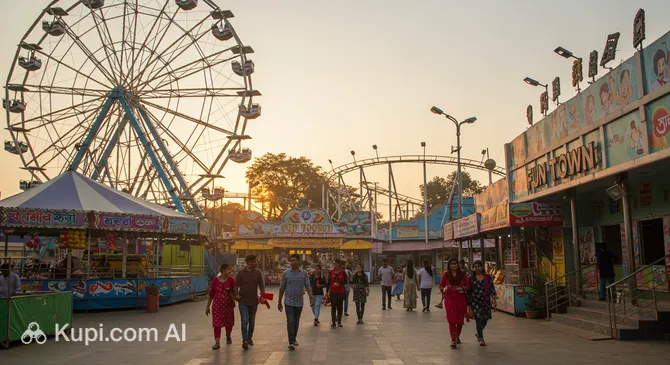
For family vacations and active leisure, the Fan Town amusement park is excellent. This is a popular place with rides that becomes especially crowded on weekends and holidays. Daytime leisure can also be supplemented by visiting local cinemas or walking along the banks of the reservoirs, which are illuminated in the evening, creating a pleasant atmosphere.
Fun Town. Illustration.
Source: Kupi.com AI
Traveler photos:
The main cultural events of the city are related to religious festivals and seasonal fairs. If you want a more dynamic nightlife or large-scale concert venues, locals recommend heading to Dhaka or Chittagong, which are a few hours' drive away. In Comilla itself, the main "night" activities remain late dinners in restaurants and walks under the stars by the shores of Dharma Sagar.
Parks & Museums
The parks of Comilla are primarily the areas around its famous reservoirs. Dharmasagar serves as the main city garden: its shores are landscaped for walking, there is plenty of greenery, and you can go boating on the water. It is an ideal place to observe the locals and enjoy the coolness on a hot day.
If you are interested in ancient culture, be sure to visit the Mainamati Archaeological Museum. It is located next to the Shalban Vihar Buddhist monastery. The museum houses a unique collection of terracotta plaques, ancient coins, bronze Buddha figurines, and everyday objects found during excavations. It is the best place to learn about the history of the region during the Deva and Chandra dynasties.
For family vacations in the fresh air, Comilla City Park is also excellent. Although there are not many large forests in the densely built-up city, such local green zones and roadside alleys along the Gumti River create the necessary comfort and provide space for relaxation amidst the city bustle.
Getting Around
The transport system in Comilla is typical of most major cities in Bangladesh and is based on a combination of buses, rickshaws, and motorized CNG auto-rickshaws. The most colorful and popular way to travel short distances is by cycle rickshaw. There are a huge number of them here, and it is the best way to maneuver through the narrow streets of the central quarters.
For faster trips around the city and to the suburbs, it is better to use CNGs (three-wheeled gas-powered taxis). The price of the trip should be negotiated in advance, as meters are rarely used. Local buses also run along the main roads, but they are often overcrowded and can be inconvenient for a tourist with luggage.
Fares are paid exclusively in cash in the local currency (Taka). If you are planning a trip to neighboring cities, it is most convenient to use the railway station — trains run on schedule and allow you to avoid traffic jams on the busy Dhaka–Chittagong highway. In rainy weather, movement can slow down, so always allow extra time for your journey.
Accommodation
The hotel sector in Comilla is primarily oriented toward business travelers and transit passengers, so there are practically no luxury five-star hotels here. The foundation of the local offerings consists of budget guesthouses and mid-range hotels offering the necessary minimum of amenities: air conditioning, Wi-Fi, and breakfast.
Most popular accommodation options are concentrated along the main highway and in the central part of the city, not far from the railway station and markets. For those planning to stay in the city for a long time (for example, specialists working in the EPZ industrial zone), apartment rentals in modern residential complexes in the center are available.
When planning a trip during major religious holidays or festivals, it is recommended to book accommodation in advance, as the city is an important transit hub and rooms in decent hotels can run out quickly. Payment in most small hotels is preferred in cash in the local currency, although larger establishments may accept international cards.
Nearby Cities
Thanks to its location at the intersection of important routes, Comilla serves as an excellent starting point for exploring the eastern part of the country. Nearby are small settlements such as Bharella and Barura, where you can see the traditional rural way of life in Bangladesh and endless fields of jute.
Just 20 kilometers away is the town of Brahmanpara, and a little further south is Chauddagram. These destinations are ideal for short day trips to experience local markets and the region's natural landscapes. For fans of cross-border travel, the proximity to the Indian state of Tripura, the border with which passes very close to the city, may be of interest.
Exploring the surroundings of Comilla allows you to see the country without embellishment: from the ancient archaeological sites of Mainamati to the bustling roadside bazaars where trade is in full swing. Don't miss the opportunity to look into neighboring districts to collect a full set of impressions from eastern Bangladesh.
Shopping & Souvenirs
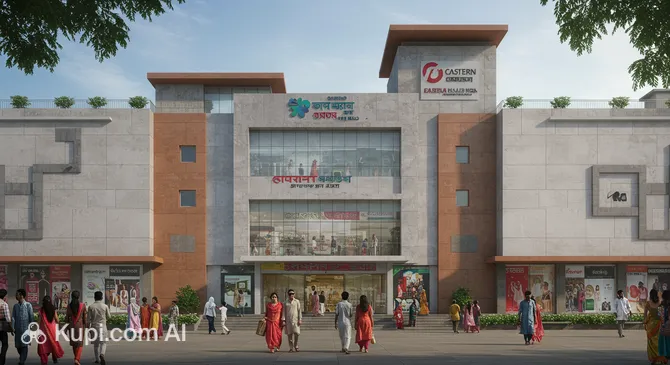
Shopping in Comilla is an exciting combination of modern shopping complexes and bustling traditional bazaars. One of the city's main shopping venues is Eastern Yakub Plaza, where you can find clothing, electronics, and daily necessities in comfortable conditions.
Eastern Yakub Plaza. Illustration.
Source: Kupi.com AI
Traveler photos:
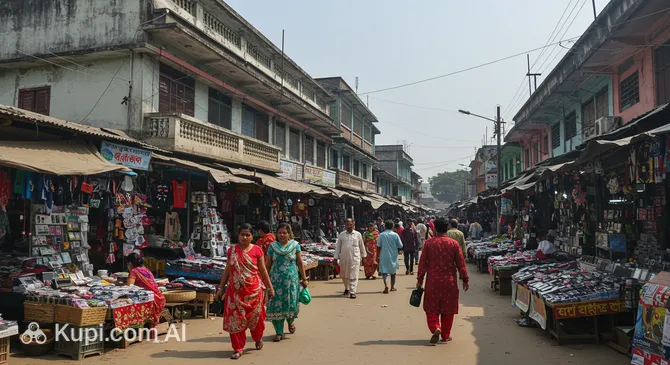
Another popular spot among citizens and guests is the Sattar Khan Complex. It features a wide range of locally produced goods, including textiles. Don't forget to pay attention to the unique "khadi" fabric — it is the region's hallmark, and items made from it make excellent and practical souvenirs.
Sattar Khan Complex. Illustration.
Source: Kupi.com AI
Traveler photos:
For authentic items, head to the local markets in search of pottery from Bijoypur or woven reed baskets. Most shops are open from morning until late evening (usually from 10:00 to 20:00), and it is customary to pay in cash at the markets. In large shopping centers, cards are accepted more often, but a small supply of local currency — Taka — should always be at hand.