Support

Kushtia

About

Kushtia is a city where the East meets poetry and music, and the past lives in every brick of its ancient streets. Located in western Bangladesh, in the Khulna Division, this city sits cozily on the banks of the picturesque Jalangi River. Due to its favorable location, Kushtia has always been an important commercial and cultural center for the region, bridging the traditions of different peoples and eras.
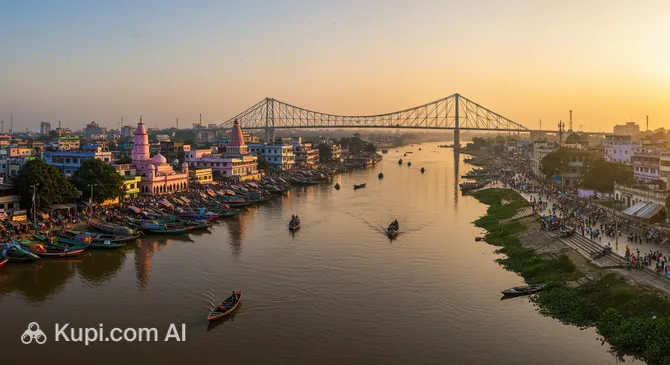
Kushtia. Illustration.
Source: Kupi.com AI

With a population of about 418,000 people, Kushtia is considered a major city and the administrative center of the district of the same name. Urban life here is bustling: noisy bazaars, street cafes, colorful markets, and numerous artisan workshops create a special atmosphere of comfort and creative inspiration. Although the municipality was founded relatively recently, in 1969, the city's history is rooted deep in the past.

The main draw of Kushtia is its rich cultural heritage. The city is known as the cradle of Bengali poetry and music, as it was here that outstanding figures such as the philosopher and poet Lalon Shah, whose shrine is a place of pilgrimage, created their works. Kushtia is also closely linked to the life of Nobel laureate Rabindranath Tagore; his former estate, Kuthibari, is now an important museum and cultural center. The city's atmosphere is permeated with the melodies of Baul songs and deep philosophy, making it a truly unique place for culture enthusiasts.

A trip to Kushtia is an opportunity to immerse yourself in authentic Bengali culture, discover a rich history, enjoy the beauty of local nature, and feel like part of a grand Eastern celebration of life. The city awaits those ready to open their hearts to new impressions and discover the real Bengal!

You can find more interesting facts on the Kushtia city history page.

Weather Overview

The weather in Kushtia is characterized by a strong monsoon influence, resulting in hot and humid summers and milder, drier winters. Average annual temperatures fluctuate significantly: from a cool 18.0°C in January to a hot 30.0°C in June. Expect hot summers with frequent, though not always heavy, rains, especially between May and September, when the number of rainy days reaches 20-27 per month, and relatively dry and warm winters from November to February.

The highest temperatures are observed from April to June, when daytime thermometers can rise above 33-34°C. The most rainfall occurs from June to September, with July and August being the wettest months in terms of rainy days. The winter months, especially January and November, are the driest, with almost no precipitation. To find out more details, explore the detailed Kushtia climate.

Average monthly temperature

Average monthly precipitation

Interesting Facts

In addition to its famous landmarks, Kushtia holds many fascinating stories and cultural features that make this city truly unique. Here are just a few interesting facts that will help you see Kushtia from a new perspective:

  • Kushtia is the spiritual center of Baul culture and the birthplace of the legendary mystic and musician Lalon Shah. His mausoleum, Fakir Lalon Shah Mazaar, attracts pilgrims, and twice a year the city comes alive with a three-day festival in his honor, filled with music, dancing, and philosophical discussions.

  • The city is closely linked to the name of Rabindranath Tagore, the first non-European Nobel laureate in literature. It was at the Shilaidaha Kuthibari estate, located near Kushtia, that Tagore created many of his famous works. Today, this site is a popular house-museum.

  • In Kushtia, the unique traditions of the Bauls — wandering philosopher-musicians — are still very much alive. Their performances, celebrating freedom of spirit and the search for truth, can be heard not only at festivals but also in cozy street venues across the city, where they share their rich cultural heritage.

  • The Kushtia region boasts significant historical and architectural monuments, such as the ancient Bagha Mosque and the Puthia Temple Complex. These structures reflect the centuries-old religious and cultural diversity of the area.

How to Get There

When planning a trip to this colorful corner of Bangladesh, it is important to think about logistics in advance, as there are no direct flights to the city itself. You can find out all ways to get to the city, including ground transport, on our detailed page, and below we look at the main air gateways located nearby.

There is no airport in the city of Kushtia itself, so most travelers arrive via the capital or neighboring regional centers. The main international gateway is Hazrat Shahjalal International Airport (DAC), located in Dhaka. It is about 130 km from Kushtia. This is the country's largest airport, receiving flights from all over the world. The journey from the airport to Kushtia by taxi or intercity bus takes about 3.5–4 hours, depending on traffic and the chosen route.

For those already in Bangladesh or who prefer domestic flights, a convenient option is Jessore Airport (JSR), located in the city of Jessore. It is one of the closest regional hubs, situated about 80 km from Kushtia. Traveling by car from here takes about 2 hours 20 minutes. You can also use Rajshahi Airport (RJH) in the city of Rajshahi (about 78 km), which takes approximately the same amount of time.

For convenience, here is a summary of the main airports:

AirportPassenger trafficDistance
Rajshahi Airport350 00078 km
Jessore Airport175 59680 km
Hazrat Shahjalal International Airport12.5 mln130 km
Netaji Subhas Chandra Bose Airport21.2 mln155 km
Barisal Airport46 767172 km

Rail travel is another popular and atmospheric way to reach the region. Although there may not be a major terminal in the very center of the city, Kushtia is well integrated into the country's railway network through nearby junctions such as Poradaha Junction. Trains from Dhaka, Khulna, and Rajshahi run regularly in this direction. Train travel is often more comfortable and predictable in terms of time than the bus, allowing you to enjoy picturesque views of rural Bengal. From the station, you can easily reach your hotel by auto-rickshaw or taxi.

Bus services are also well-developed. Comfortable air-conditioned buses and simpler options depart from Dhaka (usually from the Gabtoli or Kalyanpur terminals) and other major cities. Thanks to the bridge over the Padma River, travel time from the capital has been significantly reduced, making the bus a more accessible and convenient alternative.

Main Attractions

The city of Kushtia, located in Bangladesh, is famous for its rich cultural and historical heritage. Travelers will find several iconic sites here, each telling its own unique story and providing a deeper understanding of the region's culture.

One of the main shrines and cultural centers of Kushtia is the Lalon Shah Mausoleum. This is the resting place of the great Bengali mystic, philosopher, and songwriter Lalon, whose work had a huge impact on the music and spiritual life of Bengal. The mausoleum attracts not only pilgrims and followers of his teachings but also everyone interested in traditional Baul music and the unique atmosphere of this place.

An equally significant attraction is Rabindranath Tagore's Shilaidaha Kuthibari, located near Kushtia. This was the former country house of the Nobel laureate in literature, Rabindranath Tagore, where he spent a significant part of his life and created many of his famous works. Today, it houses a museum where you can see the poet's personal belongings, manuscripts, and everyday items, immersing yourself in the atmosphere of his creativity and era. A visit to Kuthibari is an opportunity to touch the legacy of one of the world's greatest writers.

For those interested in engineering and history, the Hardinge Bridge is a must-see. This impressive steel railway bridge across the mighty Padma River was built in the early 20th century and was considered a marvel of engineering at the time of its opening. The Hardinge Bridge remains an important transport artery and one of the most recognizable landmarks in the region, attracting tourists with its monumentality and scenic views of the river.

Local Cuisine

The culinary scene in Kushtia is a true immersion into the authentic flavors of Bangladesh, where traditions and hospitality create unforgettable impressions. The local cuisine will delight both lovers of hearty main courses and fans of exquisite sweets. Here you can try dishes you won't find anywhere else, such as the famous Baul treats, which are simple but full of deep flavor.

The foundation of many dishes is rice, served here with various accompaniments. A special place is held by bhat (rice) with machh (fish), prepared according to old recipes with aromatic spices and fresh herbs. This dish is the region's signature. Those with a sweet tooth must try the local shondesh — a delicate dessert made from curd and sugar, as well as misti doi — a sweet yogurt with a pleasant caramel note. These treats are traditionally prepared for family celebrations, but they are easy to find on ordinary days as well.

Street food in Kushtia is a vibrant chapter of the culinary journey. On busy streets and in markets, you'll find appetizing samosas with spicy fillings, fried eggplants, fresh roti flatbreads, and various piquant chutneys. Markets also abound with fresh fruit, exotic spices, and, of course, aromatic tea. It is customary here to drink tea from small clay cups, enjoying the moment and leisurely conversation. As for alcoholic beverages, they are not a feature of traditional local cuisine; the focus is on non-alcoholic refreshing drinks and tea.

The food culture in Kushtia is closely linked to street markets and small local eateries, where life is always buzzing and a spirit of hospitality prevails. Tourists, like locals, can enjoy authentic dishes in such places. The city is also famous for its food festivals, during which the streets fill with vendors offering traditional treats and local chefs put on real culinary shows. A trip to Kushtia is always a feast of flavor, where everyone will find something to their liking.

Travel Tips

Welcome to Kushtia, the cultural heart of Bangladesh! To make your journey through this charming city as comfortable and memorable as possible, we have prepared some practical tips. They will help you find your way and enjoy every moment of your stay.

  1. Clothing and Essentials:

    Bangladesh has a tropical monsoon climate, so for Kushtia, choose light, breathable clothing made from natural fabrics like cotton or linen, especially during the hot and humid season (March to October). The monsoon season lasts from June to October, so don't forget a raincoat or umbrella. Be sure to bring comfortable walking shoes. When visiting religious sites, such as mosques or the Lalon Shah Ashram, choose modest clothing that covers shoulders and knees; women may need a headscarf. A universal travel adapter for electronics is also useful.

  2. Transport:

    The most convenient way to get around Kushtia is by rickshaw (cycle and motor rickshaws, known as "CNG"). This is the most common and authentic way for short trips. There are also local buses, but they can be crowded and difficult to navigate without knowing the language. Taxis in the classical sense are less common than CNGs. Ride-hailing apps, if they work, are not as widespread as in the capital. Car rental is generally not recommended for tourists due to the specifics of local traffic.

  3. Finances:

    The local currency is the Bangladeshi Taka (BDT). You can exchange currency at banks or authorized exchange points. Credit and debit cards are accepted mainly in large hotels and some shops, but cash is extremely important for daily expenses, markets, and small establishments. ATMs exist, but not all can handle international cards, so it's better to have a reserve of cash. An approximate daily budget might be 2000-4000 BDT (excluding expensive accommodation). Tipping is welcomed but not always mandatory: 5-10% in restaurants, small amounts for porters and drivers.

  4. Health and Safety:

    There are pharmacies in Kushtia, but 24-hour ones may be few. It is recommended to bring a basic first-aid kit. For serious medical assistance, contact local hospitals or clinics; be sure to have travel insurance with medical coverage. As in any city, be vigilant, especially after dark and in crowded places. Do not openly display valuable items. Drink only bottled water.

  5. Communication:

    The main language is Bengali (Bangla). English is understood and spoken in the tourism sector and among the educated population, but overall knowledge is limited. Learn a few phrases in Bengali: "Assalamu Alaikum" (greeting), "Dhonnobad" (thank you), "Kemon achen?" (how are you?). This is greatly appreciated by the locals. A SIM card with internet access can be purchased from local operators (Grameenphone, Robi, Banglalink). Wi-Fi is available in most hotels and some cafes.

  6. Local Etiquette:

    The common greeting is "Assalamu Alaikum." Use your right hand for eating, and for passing money and objects — the left hand is considered unclean. Avoid pointing at people or objects with your index finger; it is better to use an open palm. Public displays of affection are not accepted. Dress modestly, especially women. Always ask for permission before taking photos of people.

  7. What to Avoid:

    Do not publicly criticize local customs, religion, or politics. It is strictly recommended not to use the left hand for eating or passing items. Also, try not to get into loud arguments and remain calm in any situation.

  8. Special Tip for Kushtia:

    Kushtia is a city with a rich cultural heritage, closely linked to the names of the great mystic poet Lalon Shah and Rabindranath Tagore. Be sure to visit Tagore's estate "Kuthibari" and Lalon's ashram (Lalon Akhra). If possible, try to catch a performance by Baul musicians — it is a unique and unforgettable experience that will allow you to deeper appreciate the spirit of this amazing place.

We hope these tips make your journey to Kushtia even more pleasant and fulfilling. Enjoy the hospitality, unique culture, and beauty of this Bangladeshi city!

Entertainment & Nightlife

Evening and night life in Kushtia offers a unique experience, immersing you in an authentic local atmosphere far from the hustle and bustle of megacities. Here you won't find rows of fashionable Western-style nightclubs, but after sunset, the city comes alive in its own way, offering cozy and soulful entertainment centered around socializing and local culture.

Main evening activity is concentrated in busy areas such as the surroundings of the Kushtia Municipal Market and along main streets like N.S. Road. In Kushtia, it is difficult to single out specific nightclubs or bars with big names known to international tourists. The charm of the city at night lies in immersing yourself in the local flavor. Instead of looking for internationally famous venues, we recommend exploring places popular with the townspeople themselves. For example, on N.S. Road and its adjacent side streets, look for restaurants specializing in traditional Bengali cuisine. These can be small family-run cafes or more spacious establishments where groups gather in the evenings to enjoy aromatic dishes and conversation. The atmosphere here is usually lively yet relaxed, often accompanied by soft local music.

A special place in Kushtia's evening life is occupied by chaer dokan (tea stalls). They are particularly numerous in the Municipal Market area and stay open late. These tea stalls are not just places to drink tea; they are true social hubs where friends gather over a cup of aromatic tea and local snacks to discuss the news and enjoy slow conversation. Each stall has its own unique atmosphere, and the choice depends on your preference — from quiet corners to noisier, more vibrant spots. This is an excellent opportunity to observe the flow of local life and feel like a part of it.

Practical tips for evening leisure:

  • Time: The most activity on the streets and in establishments is usually observed after 7:00 PM - 8:00 PM, when the daytime heat subsides and locals come out for a walk or dinner.
  • Prices: The cost of food and drinks in local restaurants and tea stalls is generally very affordable, allowing you to enjoy the evening without significant spending.
  • Transport: At night, the main modes of transport for moving around the city are rickshaws and CNGs (auto-rickshaws). Always agree on the fare in advance before getting in. You can also ask hotel or restaurant staff for help calling for transport.
  • Safety: After dark, it is recommended to stick to well-lit and crowded streets, especially in central areas, around markets, and along main roads. Traveling in a group will be more comfortable and safer. As always, keep an eye on your personal belongings.

During the day, Kushtia also offers interesting opportunities to get to know the region's culture. The city is known for its historical connection with the great Bengali poet Rabindranath Tagore; his former estate, Shilaidaha Kuthibari, located nearby, is one of the main attractions. For a peaceful break, you can visit local parks such as Kushtia Municipal Park. Occasionally, cultural events or traditional music evenings reflecting the local flavor are held in the city — it's worth asking locals or checking tourist information points, if available. These daytime experiences will perfectly complement your introduction to life in this corner of Bangladesh.

Parks & Museums

Kushtia, often referred to as the cultural capital of Bangladesh, invites travelers to not only experience its rich heritage but also enjoy the tranquility of its green spaces. The city and its surroundings offer a unique combination of natural beauty and sites that preserve the memory of great thinkers and poets.

One of the most iconic places where history intertwines with nature is Rabindranath Tagore's Shilaidaha Kuthibari. Although primarily a historical site, the extensive and well-maintained grounds surrounding the estate, with its shady trees and peaceful atmosphere, are a wonderful place for walks and quiet reflection. Here, one can feel the inspiration that the great poet drew from this land. Additionally, the city has other public parks and gardens where locals and tourists can escape the city bustle, enjoying the greenery and fresh air.

The main cultural magnet of Kushtia is undoubtedly the museum at the Kuthibari estate. Visitors can see Rabindranath Tagore's personal belongings, manuscripts, and household items that tell the story of his life and creative period in this place. This is a true immersion into the era of one of the world's greatest literary figures. Equally significant is the Lalon Shah Complex (Lalon Akhra), dedicated to the mystic poet and philosopher Lalon. It houses his mausoleum as well as a museum with exhibits related to his life, teachings, and the musical tradition of the Bauls, of which he was a follower. This place attracts not only tourists but also pilgrims, researchers, and music lovers.

For those interested in the region's literary heritage, the Mir Mosharraf Hossain Memorial Museum, dedicated to another prominent Bengali writer, may be of interest. It introduces the life and work of this important literary figure, whose works had a significant impact on the culture.

While not a park or museum in the traditional sense, a landmark structure in the Kushtia area is the Hardinge Bridge — an impressive railway bridge over the Padma River, which is itself a monument to early 20th-century engineering. Its scale and history attract many. A visit to the banks of the Padma River also offers beautiful views and a chance to see the daily life of the local population, closely tied to this great river.

For a truly authentic experience, try to attend a performance of Baul music, which is often heard near Lalon Akhra, especially during festivals. Also, browse the local markets to experience the flavor of Kushtia's daily life and perhaps find unique handmade souvenirs that will serve as a pleasant reminder of your trip.

Getting Around

Getting around Kushtia is possible using several types of public transport, which offer both economical and more comfortable ways to explore the city. The basis of the transport system consists of local buses and the ubiquitous rickshaws.

Buses are the most common and cheapest way to travel medium and long distances within the city and its surroundings. The route network is quite developed, although the buses themselves can be overcrowded, especially during peak hours. Stops are not always clearly marked, so sometimes it is easier to ask locals where the best place to catch a specific route is. Fares are usually paid in cash directly to the conductor on the bus.

Rickshaws are an integral part of urban life in Kushtia. There are two main types: cycle rickshaws and auto-rickshaws (often called "CNGs" due to their use of compressed natural gas). Cycle rickshaws are ideal for short trips through narrow streets and offer an authentic experience. Auto-rickshaws are faster and more convenient for longer distances. It is important to agree on the fare with the rickshaw driver in advance, before starting the journey, as there are usually no fixed tariffs.

The fare payment system in Kushtia is primarily based on cash payments. There are generally no specialized transport cards or mobile apps for paying fares on public transport. It is recommended to have small bills with you for convenience, especially on buses and with rickshaws.

Practical tips for tourists:

  • For bus trips, check the route and boarding location with locals or at bus stations. Be prepared for a possible lack of air conditioning and a large number of passengers.
  • When using rickshaw services, always negotiate the price before the trip starts to avoid misunderstandings. Do not hesitate to bargain, but do so respectfully.
  • Public transport usually starts operating early in the morning and ends late in the evening, however, traffic intensity may decrease during night hours.

As an alternative to public transport in Kushtia, you can consider:

  • Taxis: Private taxi drivers can be found in the city. Trip conditions and costs should also be discussed in advance. Mobile ride-hailing apps may be available, but their prevalence should be checked upon arrival.
  • Walking: For exploring central areas and attractions located close to each other, walking can be a pleasant option.
  • Car rental with a driver: For more comfortable trips around the city or for excursions outside its limits, you can consider renting a car with a local driver.

Kushtia does not have any unique or historical modes of transport, such as an old metro or cable cars, but the existing system allows for quite efficient movement around the city.

Accommodation

In the city of Kushtia, travelers will find a variety of accommodation options, primarily represented by local guesthouses and small hotels that reflect the region's authentic character. While large international hotel chains and luxury resorts are rare here, you can count on comfortable mid-range housing, as well as many budget options for thrifty tourists. Local establishments generally focus on cleanliness, providing basic amenities, and traditional hospitality.

When choosing a place to stay in Kushtia, you should look for areas near major transport hubs, such as bus stations, or in the central part of the city, from where it will be convenient to reach the sites you are interested in. Traditionally, accommodation can be found along main streets, as well as near major markets (bazaars) and administrative buildings, providing good access to shops, local cafes, and points of interest. For those seeking a quieter environment, options in residential neighborhoods slightly removed from noisy highways but still with acceptable transport accessibility may be suitable.

When planning a trip to Kushtia, especially during local festivals, significant cultural events, or public holidays, it is recommended to book accommodation in advance. This will help ensure the best choice and potentially better prices. Most hotels and guesthouses can be booked through popular online travel platforms, or by contacting the management directly — sometimes this allows you to find unique offers or get more detailed information. The price range varies from very affordable budget options to mid-range, allowing most travelers seeking an authentic experience to find suitable accommodation.

Nearby Cities

For those looking to explore the surrounding area, Kushtia serves as an excellent starting point for day trips to several interesting nearby locations:

CityPopulationDistance
Pabna190 31717 km
Padma10 78723 km
Ishurdi200 00025 km
Harinakunda17 53330 km
Jhenida252 50041 km

These nearby destinations provide insight into the diverse culture and landscapes of the region.

Shopping & Souvenirs

Shopping in Kushtia offers tourists a chance to dive into the authentic atmosphere of Bangladeshi towns, where local markets and small shops prevail over large shopping centers. The city is not famous for any specific exclusive goods, but you can find high-quality products from local artisans, textiles, and traditional foods here.

Main commercial activity in Kushtia is concentrated along the main streets and in lively neighborhoods. Here you will find many small shops offering clothing, shoes, electronics, household goods, and more. Specific shopping streets may not have official names, but locals will always tell you where the most popular places to shop are located. These are often areas around central mosques or bus stations.

Large modern shopping malls in the Western sense may be absent in Kushtia or represented by small complexes. Shopping here is more traditional, centered on local markets and standalone shops. However, you can find several larger stores or department stores in the city that offer a wider range of goods under one roof.

Markets play a vital role in the commercial life of Kushtia. Be sure to visit the local bazaars, where you can buy fresh fruits, vegetables, spices, fish, and meat. Besides food, markets often sell household items, inexpensive clothing, and handicrafts. The atmosphere in these markets is very colorful and allows for a deeper introduction to the daily life of the townspeople.

As souvenirs from Kushtia and Bangladesh in general, it is worth looking at jute products (bags, mats), cotton and silk fabrics (especially saris and lungis), ceramics, and bamboo or wooden crafts. Traditional musical instruments or items related to the region's culture, such as the legacy of philosopher and poet Lalon Shah, whose shrine is located nearby, may also be of interest.

Shops in Kushtia are usually open from the morning (around 9:00-10:00 AM) and work until the evening (7:00-8:00 PM), though some may close for a lunch break. On Fridays, the holy day for Muslims, many shops may be closed or operate on a reduced schedule. Cash (Bangladeshi Taka) is the primary method of payment in small shops and markets. Larger stores may accept bank cards, but it is always best to have enough cash with you.

The Tax Free refund system for tourists in Kushtia, as in Bangladesh overall, is not widely practiced for regular purchases. If you make a large purchase in a specialized store, you can ask the seller about the possibility of processing documents for a tax refund, but this is the exception rather than the rule.

Reached the end of the page?

That means the route is fully explored