Support

Museu de História Natural De Mato Grosso

About

Imagine a place where ancient legends of the land and the mysteries of tropical forests come to life. The Mato Grosso Natural History Museum is the heart of scientific life in the city of Cuiabá, offering guests a unique journey through the ages. Housed in the historic Casa Dom Aquino building, the museum is the state's most important educational center, where Brazil safeguards its natural treasures.
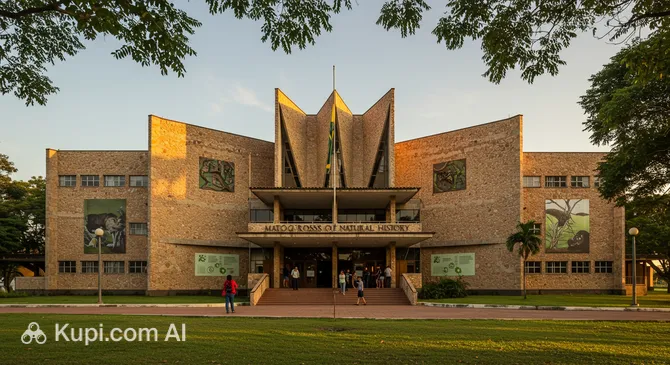
Mato Grosso Museum of Natural History
Mato Grosso Museum of Natural History. Иллюстрация. Источник: Kupi.com AI

Within the walls of this institution are impressive collections dedicated to the rich flora and fauna of two great ecosystems—the Amazon and the Cerrado savannas. Visitors can see rare minerals, geological formations, and extensive herbaria. The paleontological finds, which tell the story of the creatures that inhabited this region millions of years ago, are particularly captivating.

Thanks to its high ratings and the love of local residents, the museum has become a must-see for those wanting to understand the true character of the state of Mato Grosso. Here, modern presentation harmoniously blends with the atmosphere of an old mansion, creating ideal conditions for family leisure and a deep dive into the world of natural sciences.

Contacts

To inquire about special exhibitions or organize group tours, you can contact the museum administration directly. Current contact details are provided below:

How to contactContact
AddressAv. Manoel José de Arruda, 2000 - Jardim Europa, Cuiabá - MT, 78025-190, Brazil
Phone+55 65 3634-4858
Websitemuseuhistorianaturalmt.com.br

What to Do

Immersion into the natural world begins with an exploration of the halls featuring masterfully prepared taxidermy of rare animals. Here, you can encounter majestic jaguars, tapirs, and exotic birds that inhabit the dense forests. These displays allow you to observe the jungle's inhabitants in details that are difficult to catch in the wild.

Geology and antiquity enthusiasts should spend time in the fossil and mineral sections. Huge sparkling crystals extracted from the state's depths are striking in their form and color, while paleontological finds literally transport you millions of years back in time. It is an excellent opportunity to see the "witnesses" of the region's prehistoric era.

For those who prefer active learning, the museum offers interactive tours. Experienced guides share fascinating stories about the biodiversity of the Pantanal and the museum's role in ecology. Families with children will particularly enjoy the educational zones and temporary exhibitions, where they can participate in environmental workshops or take vibrant photos in themed photo areas.

Getting There

The attraction is conveniently located in the Jardim Europa neighborhood, nearly on the riverbank. If you are staying in the center of Cuiabá, the simplest and fastest way to reach the museum is by taxi or using the Uber app. The trip takes about 10–15 minutes, with the distance from the central districts being approximately 5 kilometers.

For those arriving from other regions via Marechal Rondon Airport (CGB), the drive takes 15 to 20 minutes depending on traffic. The museum provides free parking for visitors, making a visit by rental car very convenient. The area is considered safe and has a well-developed road infrastructure.

If you prefer public transportation, several bus routes pass through the Jardim Europa neighborhood. Stops are within walking distance of the museum entrance. However, tourists are most often recommended to use a taxi to save time and get directly to the gates of Casa Dom Aquino.

Ближайший город: Cuiabá

History & Facts

The history of this site is inextricably linked to the period of colonization and the 18th-century gold rush. Cuiabá, founded in 1719, quickly became an important center that attracted not only gold seekers but also natural scientists from around the world. The museum is housed in a historic building known as Casa Dom Aquino, which is itself an architectural monument and a piece of the region's cultural heritage.

The famous G.I. Langsdorff expedition in the 1820s played a particularly significant role in the history of Mato Grosso's exploration. Russian scientists and artists collected a colossal amount of material here—ranging from rare insects to botanical specimens—which later enriched the collections of the Academy of Sciences. These early scientific endeavors laid the foundation for the museum's modern collections, which strive to preserve the legacy of these pioneering naturalists.

Over the decades, the museum transformed from private, scattered collections into the state's leading scientific institution. Today, it serves not only as a repository for artifacts but also as an active research center that continues to study the biodiversity of the Amazon and the Cerrado. The museum's evolution reflects humanity's desire to understand and protect the unique nature of central Brazil.

Time Needed

To leisurely explore all the themed halls and enjoy the collections, most visitors need about 2–3 hours. This is sufficient time to study the fossil displays, examine the minerals, and learn about the region's biodiversity, whether with a guide or on your own.

If you plan to participate in interactive programs or study the information on each historical expedition in detail, your visit may last half a day. The museum is ideal for a relaxed morning or afternoon visit, allowing you to combine a cultural program with a walk around the city.

Working Hours

When planning your visit to the Mato Grosso Natural History Museum, please note that the institution welcomes visitors from Wednesday to Sunday. This convenient schedule allows you to choose either a weekday for a quiet tour or a weekend for a family outing.

The museum is open during the following hours:

  • Monday and Tuesday: Closed;
  • Wednesday — Sunday: 08:00 – 18:00.

DayWorking hours
ПонедельникЗакрыто
ВторникЗакрыто
Среда8:00 – 18:00
Четверг8:00 – 18:00
Пятница8:00 – 18:00
Суббота8:00 – 18:00
Воскресенье8:00 – 18:00

Nearby

Exploring the museum's surroundings can significantly enrich your trip. There are many entertainment zones and parks nearby that perfectly complement a scientific stroll with active recreation, especially if you are traveling with family.

NameDistance
Musiva1 km
Arsenal Cultural Center2.3 km
Nerd Armchair Bar2.6 km
Ipiranga Square2.7 km
Geodesic Center of South America2.9 km
Cathedral Basilica of the Good Lord Jesus3 km
Morro da Caixa D’Água Velha Museum3.1 km

Reached the end of the page?

That means the route is fully explored