Support

Museu do Morro Da Caixa D’Água Velha

About

Perched atop a hill in the historic center of Cuiabá is a unique attraction — the Morro da Caixa D’Água Velha Museum. This site is a remarkable example of 19th-century industrial architecture transformed into a modern cultural space. For 142 years, it served as the city's main reservoir and the only source of centralized water supply in this part of Brazil.
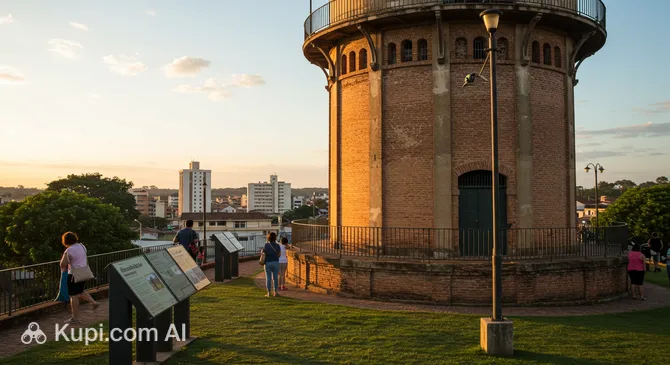
Morro da Caixa D’Água Velha Museum
Morro da Caixa D’Água Velha Museum. Иллюстрация. Источник: Kupi.com AI

The museum's architectural style is reminiscent of ancient Roman aqueducts. The structure consists of two impressive underground galleries, 45 meters long, with walls made of canga stone and brick. The masonry reaches half a meter in thickness, allowing the structure to withstand the colossal pressure of 1 million liters of water without the use of concrete or metal reinforcement.

Today, this site is recognized as a cultural heritage landmark. The museum harmoniously combines the rugged beauty of antique engineering with the dynamics of modern exhibitions, offering guests not only historical insights but also magnificent panoramic views of the city.

Contacts

To check the latest information on exhibitions or organize group tours, you can use the museum's official contact details.

How to contactContact
AddressRua Comandante Costa, s/n, esquina com a - Praça do Morro da Caixa D'Água Velha - R. Nossa Sra. de Santana - Centro Sul, Cuiabá - MT, 78020-400, Brazil
Websitewww.camaracba.mt.gov.br

What to Do

The highlight of visiting the museum is the opportunity to descend into the underground galleries. With vaults reaching 7 meters in height, the space feels monumental and grand. Inside, you can see the original cast-iron pipes, massive valves, and taps that once managed the water flow for the entire city.

In addition to the permanent historical and technical exhibition, the museum's halls often host rotating exhibitions. Here, you'll find works by talented artists and craftsmen from the state of Mato Grosso, infusing the industrial space with creative energy. It is a wonderful chance to discover the region's contemporary art in a truly unique setting.

Outside, in the square in front of the museum, take a moment to enjoy the panoramic views of downtown Cuiabá. The area is perfect for a leisurely stroll, exploring information panels about the city's infrastructure development, and, of course, taking striking photos. The museum appeals to history and architecture buffs as well as families with children, thanks to its unusual atmosphere.

Getting There

The museum is located in the heart of the historic Centro Sul district of Cuiabá. Thanks to its central hilltop location, it is easily accessible for tourists. If you are staying downtown, a walk to Rua Comandante Costa is a pleasant route that allows you to admire the city's architecture along the way.

For those who prefer comfort, a taxi or ridesharing apps are the best options. The trip from Marechal Rondon Airport takes about 30–40 minutes, depending on traffic. If you use public transport, look for bus routes heading to the Praça do Morro stop or the Centro Sul district.

For travelers with a rental car, there are parking spaces nearby, though it is worth noting that traffic in the center can be heavy during peak hours. Using GPS coordinates will help you easily find the entrance to this architectural landmark.

Ближайший город: Cuiabá

History & Facts

The story of this site began in the 19th century under the initiative of Colonel José Maria de Alencastro. Building the reservoir was a vital project to solve water supply issues for the growing capital of the state of Mato Grosso. It officially opened in November 1882, and the system served the city flawlessly for many decades.

The engineering solutions of the time were remarkable: water was drawn from the Cuiabá River, pumped using steam engines, and then distributed by gravity through cast-iron pipes to 14 public fountains (chafarizes) in the city center. The reservoir held over 1 million liters of water, meeting the needs of thousands of residents.

The construction techniques deserve special mention. The 50-centimeter-thick walls were built from canga stone and solid bricks using sand and crystals. Remarkably, the structure was created without the use of modern cement or reinforcement, yet it has remained perfectly sturdy for over a century.

In 1991, the site was recognized as part of the city's cultural heritage. Following a major restoration in 2007, the old reservoir took on a new life as a museum, becoming a symbol of engineering progress and a testament to the preservation of municipal history.

Time Needed

To leisurely explore the museum's internal galleries and exhibitions, 1–2 hours is usually enough for most visitors. This gives you plenty of time to study the old engineering components, read the information displays, and take atmospheric photos in the underground halls.

If you also plan to spend time in the adjacent square and enjoy the panoramic city views from the hill, budget a bit more time. A visit to the museum pairs perfectly with a walk through the historic center, making for an enriching cultural route.

Working Hours

The museum is open to visitors on weekdays, making it easy to include in your sightseeing tour of the city. Please note the operating hours to plan your visit in advance:

  • Monday — Friday: 08:00 – 17:00
  • Saturday and Sunday: Closed
DayWorking hours
Понедельник8:00 – 17:00
Вторник8:00 – 17:00
Среда8:00 – 17:00
Четверг8:00 – 17:00
Пятница8:00 – 17:00
СубботаЗакрыто
ВоскресеньеЗакрыто

Nearby

After diving into the history of Cuiabá's water supply, you can continue exploring the city at nearby locations. The museum's surroundings offer both educational sites and places for active family fun.

Within walking distance or a short drive, you will find modern amusement parks and sports facilities that will add a splash of excitement to your cultural itinerary.

NameDistance
Geodesic Center of South America0.2 km
Ipiranga Square0.5 km
Deville Prime Cuiabá Restaurant0.6 km
Cathedral Basilica of the Good Lord Jesus0.6 km
Alencastro Square0.7 km
Tatu Bola Bar0.8 km
Arsenal Cultural Center1.1 km

Reached the end of the page?

That means the route is fully explored