Support

Joacaba

About

Joaçaba is a vibrant and welcoming city located in the western part of the state of Santa Catarina. Situated on the banks of the Rio do Peixe river, this town combines the cozy feel of provincial life with the dynamics of an important regional center. Travelers arriving in this part of Brazil are greeted by picturesque hilly landscapes and a comfortable subtropical climate with warm summers and cool winters.

Despite its relatively small population of about 27,000 people, the city has a unique character. The fascinating history of Joaçaba is inextricably linked to the traditions of Italian and German immigrants, whose influence is still clearly felt in the local gastronomy, architecture, and the lifestyle of the citizens.
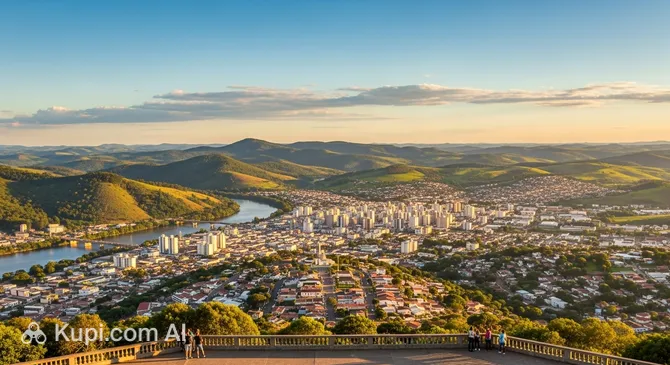
Joaçaba. Illustration.
Source: Kupi.com AI

The city's tourist appeal is largely built on its colorful cultural events and iconic landmarks. Joaçaba is widely known for its grand Carnival, which is considered one of the best and most colorful in the south of the country, rivaling the celebrations in major metropolises. Another important attraction is the Frei Bruno Monument—a majestic statue towering over the city, with an observation deck offering a breathtaking panorama of the valley.

A visit to Joaçaba is an excellent choice for those who want to discover the authentic atmosphere of the country's interior. This place is perfect for both quiet walks to soak in the local flavor and participating in unforgettable festive parades.

Weather Overview

The climate in Joaçaba can be described as pleasant and temperate, making the city accessible for visiting all year round. There are clearly defined seasons, so the nature of your vacation will largely depend on the month you choose.

The summer period, lasting from December to March, is characterized by warm weather. In January, the average temperature is about 22.3°C, and during the day, the air often warms up to 26.6°C. However, this is also the wettest time of year: the number of rainy days can reach 22 per month, so an umbrella is a must-have accessory.

Winter (June to August) brings a noticeable coolness. The coldest month is July, when nighttime temperatures can drop to 9.3°C, and average daytime values stay around 14.4°C. During this time, it rains less frequently—only about 8–9 rainy days per month.

Expect warm summers with occasional rain and cool, drier winters. To plan your trip as comfortably as possible and choose the right clothing, we recommend checking the detailed weather in Joaçaba for your travel dates.

Average monthly temperature

Average monthly precipitation

Interesting Facts

In addition to its well-known attractions, Joaçaba hides surprising facts that make this cozy city a truly unique spot on the state map.

  • Carnival Fame. Joaçaba is officially recognized as the carnival capital of the state of Santa Catarina. Despite the city's modest size, local samba schools organize such grand and technically complex parades that the event is considered one of the most significant celebrations in Brazil, second in scale only to major metropolises.

  • Monumental Scale. The Frei Bruno statue, which became the city's symbol, reaches 37 meters in height. This makes it one of the tallest monuments in the Americas, only slightly shorter than the famous Christ the Redeemer, yet it is dedicated to a humble Franciscan monk who lived in the region.

  • Name Change. Until 1943, the city was named Cruzeiro. The modern name "Joaçaba" has roots in the Tupi-Guarani language and poetically translates as "crossroads" or "meeting place," which perfectly reflects the city's role as a regional commercial and cultural hub.

  • Historical Boundary. These lands were at the center of the "Contestado War" (1912–1916)—a significant historical conflict over disputed territories. The events of those years played a decisive role in the final formation of the borders between the states of Paraná and Santa Catarina.

How to Get There

When planning a trip to the western part of Santa Catarina, it is important to note that there are no direct flights to the city itself. Travelers will need a combined route: a flight to one of the neighboring regional centers followed by ground transportation. To plan your logistics in detail, we recommend studying all ways to get to the city, where comprehensive route information is collected.

One of the most convenient options for arrival is Chapecó Airport (IATA: XAP). It is important to note that it is located not in Joaçaba, but in the city of Chapecó, about 114 km away. This is a fairly busy regional hub. A trip from the airport to your destination by taxi or rental car will take approximately 3 hours and 10 minutes. You can learn more about the terminal on the Chapecó Airport page.

Another popular option is Passo Fundo Airport (IATA: PFB), located in the neighboring state of Rio Grande do Sul, in the city of Passo Fundo. It is approximately 143 km from Joaçaba. This is a small airport, but it may be convenient depending on your departure city. The estimated travel time by car from here is about 4 hours. Details can be found here: Passo Fundo Airport.

For your convenience, here is a summary of the main airports located relatively nearby:

AirportPassenger trafficDistance
Chapeco Airport617 000114 km
Correia Pinto Regional Airport25 000125 km
Passo Fundo Airport284 551144 km
Hugo Cantergiani Regional Airport449 388226 km
Comte Antonio Amilton Beraldo Airport11 394259 km

Main Attractions

Despite its compact size, Joaçaba offers guests several iconic locations that provide a better understanding of the region's culture and spirit. A walk through the city will introduce you to unique architecture and monuments reflecting the faith and creative potential of the local people.

The undisputed landmark and symbol of the city is the Frei Bruno Monument. This massive 37-meter statue is dedicated to a Franciscan monk who was highly respected in the region. The complex is located on a hill, providing tourists with a magnificent observation deck. Once at the top, you can enjoy the best panoramic view of the urban landscape and the scenic Rio do Peixe river valley. There is also a museum where you can learn more about the history of the monk and the monument itself.

In the city center, the Santa Teresinha Cathedral is well worth your attention. This is Joaçaba's main Catholic church, which stands out for its modern and austere architecture. Inside, an atmosphere of peace prevails, with colorful stained glass windows and artistic altar decorations adding a special charm to the interior. The cathedral is an important spiritual center and a great place for a quiet break while walking through the busy streets.

Art lovers and fans of unusual buildings should see the Alfredo Sigwalt Theater. It is not just a venue for plays and concerts, but an architectural landmark: the building's facade is styled like a grand piano, making it one of the most photographed objects in the city. The theater serves as the heart of cultural life, regularly hosting performances by local and visiting artists, so it is worth checking the current schedule before your visit.

Local Cuisine

The gastronomic scene in Joaçaba is a delicious reflection of the region's history, where the traditions of Italian and German immigrants have harmoniously blended with the flavors of Brazil. The cuisine here is hearty, homemade, and based on high-quality local products. Travelers should expect large portions and the warm hospitality that is an integral part of any meal in Santa Catarina.

The main dish that every tourist must try is undoubtedly churrasco. It’s not just meat grilled over charcoal; it’s a real cult. In local steakhouses (churrascarias), meat is often served in the "espeto corrido" format, where waiters continuously bring different types of freshly prepared beef, pork, and chicken directly on skewers, carving juicy pieces onto the guest's plate.

Strong Italian influence is seen in the popularity of galeto—small chickens marinated in herbs and grilled. They are traditionally served with homemade pasta, fried polenta, and a radicchio salad with bacon. For pastry lovers, pay attention to cuca—a German-style pie with a crunchy sweet crumble (streusel) and fruit fillings, perfect with morning coffee or an afternoon snack.

A unique cultural experience is visiting a café colonial. This traditional Southern Brazilian meal format resembles a buffet but with an emphasis on pastries and snacks. For a fixed price, you will be offered dozens of types of homemade bread, cheeses, sausages, jams, pies, and cakes. It’s a great way to experience the full variety of local flavors in one sitting.

As for drinks, the symbol of the region is chimarrão—a hot infusion of yerba mate. Locals drink it from a special gourd through a metal straw almost everywhere: in parks, at home, and at work. Regarding alcoholic beverages, try local craft beer or wine, the production of which is actively developing in the region, as well as a classic caipirinha.

Dining culture in Joaçaba is very casual. Locals love to gather in large families at restaurants on weekends. In addition to à la carte establishments, "pay-by-weight" restaurants (comida a quilo) are popular, where you serve yourself from a buffet and pay by the plate's weight—a great and inexpensive lunch option. In the evenings, pizzerias become the main gathering spots, often featuring a "rodízio" system with unlimited servings of various types of pizza.

Travel Tips

A trip to Joaçaba promises an immersion into the authentic culture of southern Brazil. To ensure your journey is as comfortable and carefree as possible, we have gathered several practical recommendations to help you navigate local realities and avoid common mistakes.

  1. Clothing and Seasonality. Since the seasons are clearly defined in the state of Santa Catarina, your suitcase should depend on your travel dates. In summer (December–March), it is hot and humid—bring light natural fabrics and a raincoat. In winter (June–August), the temperature drops, so a jacket, sweater, and closed shoes are mandatory. Note that the city is hilly, so comfortable flat shoes are necessary for walks to the Frei Bruno statue or around the center.

  2. Transport Nuances. Joaçaba is a compact city but with significant elevation changes. Public transport consists of buses, but their schedule can be unusual for a tourist. The most convenient way to move around is by using taxi apps (Uber or 99) or renting a car, especially if you plan to explore neighboring towns. Parking in the center during business hours is paid (the "Rotativo" system).

  3. Finances and Cash. The official currency is the Brazilian Real. Cards are widely accepted in supermarkets and restaurants, but it's better to have cash for small purchases at kiosks or fairs. Currency exchange in a small town can be an issue: there are few specialized exchange offices, and banks have limited hours (usually 10:00 to 15:00). It's better to withdraw cash from an ATM or exchange money upon arrival at a major airport.

  4. Health and Safety. Joaçaba is considered a quiet and safe city compared to the country's metropolises; however, basic precautions don't hurt: do not leave your belongings unattended. Tap water is treated, but tourists are strongly advised to drink only bottled or filtered water. Pharmacies (Farmácias) are easy to find in the center, and some stay open late.

  5. Communication and Language. The main language is Portuguese; few people speak English, mostly staff in high-end hotels. Download an offline translator—it will make life much easier. Local SIM cards (Vivo, TIM, Claro) can be bought at pharmacies or mobile stores, but a passport is required for registration. Wi-Fi is available in almost all cafes and hotels.

  6. Local Etiquette. People in the south are very friendly and hospitable. Handshakes are common when meeting, and a light kiss on the cheek is acceptable between women or mixed-gender acquaintances. When entering a shop or getting into a taxi, always say hello ("Bom dia"—good morning, "Boa tarde"—good afternoon). Politeness is highly valued here.

  7. What to Avoid. Be careful with gestures: the "OK" sign (a ring of thumb and index finger) is considered offensive and indecent in Brazil. Also, try not to show impatience in lines or while being served—the pace of life here is more relaxed, and rushing may be perceived as rudeness.

  8. Business Hour Specifics. Remember that Joaçaba follows a traditional lifestyle. Many shops close for a lunch break (roughly 12:00 to 13:30), and on Sunday afternoon, the city practically shuts down, with only large supermarkets and duty pharmacies remaining open. Plan your shopping in advance.

Following these simple rules will allow you to focus on the main thing—enjoying the scenic views of the Rio do Peixe river valley and getting to know the unique flavor of this corner of the country. We wish you a pleasant and safe journey!

Entertainment & Nightlife

Joaçaba is a city with a young soul, thanks in large part to the presence of major educational institutions. The nightlife here doesn't have the scale of a capital or 24-hour raves, but it offers a cozy and friendly atmosphere characteristic of the Brazil interior. Evening leisure is mainly concentrated in the central district (Centro) and along the city's main artery—Avenida XV de Novembro.

The primary format for evening entertainment is "choperias" (beer houses) and bars with live music. Given the region's strong German traditions, the culture of consuming high-quality draft beer is exceptional. Establishments often feature sertanejo (a local version of country music), pagode, or covers of global rock hits. The dress code in most places is casual. The crowd is diverse and open, ranging from students relaxing after lectures to families.

Among the specific places that shape the city's evening scene, Vila Brollo stands out. It is a gastronomic landmark of Joaçaba with a long history, combining the atmosphere of a restaurant and a lively pub where you can have a great dinner and spend time with friends. For those who prefer cultural leisure after sunset, the main center of attraction is the Alfredo Sigwalt Theater (Teatro Alfredo Sigwalt). In the evenings, it hosts concerts, theatrical productions, and dance performances, drawing full houses of art lovers.

In terms of safety, Joaçaba is one of the calmest cities in the region. The central streets are well-lit and suitable for walking until late in the evening. However, to return to your hotel at night, it is recommended to use popular taxi apps or order a car through the venue's staff. Prices in bars and clubs are moderate and noticeably lower than in the state's popular coastal areas.

The daytime entertainment program in the city is more relaxed. Travelers should visit the Frei Bruno Museum to dive deeper into the region's history or head to the Municipal Park (Parque Municipal Ivan Oreste Bonato). This is a green area with a lake and walking paths, ideal for picnics and a peaceful rest before an eventful evening.

Parks & Museums

The cultural and natural life of Joaçaba harmoniously complements its business rhythm. The city offers tourists cozy green zones for outdoor relaxation and several iconic cultural institutions that carefully preserve the region's history and the creative heritage of its residents.

The main oasis of tranquility within the city is the Ivan Oreste Bonato Municipal Park (Parque Municipal Ivan Oreste Bonato). This is a favorite spot for citizens of all ages. The park features a well-maintained area with a picturesque lake surrounded by convenient paths for walking and jogging. It is equipped with modern playgrounds, sports areas, and picnic spots. Tourists should stop by to rest in the shade of the trees and observe the steady pace of local life away from the urban noise.

While the area around the Frei Bruno Monument is technically part of a memorial complex, it serves as an important observation deck and walking area. Rising up this hill, travelers find themselves surrounded by nature and silence. The spacious area at the base of the statue is ideal for contemplating the panorama of the Rio do Peixe river valley and for photo sessions, especially during sunset when the city is bathed in golden hues.

Among the museums, the central place is held by the Frei Bruno Museum, located at the base of the eponymous monument. The exhibition is dedicated to the life and work of the Franciscan monk Bruno Linden, whom many in the region consider a saint. The collection includes personal belongings of the monk, religious artifacts, photographs, and documents describing his contribution to the development of the community. A visit to the museum allows for a deeper understanding of the region's spiritual traditions and the reasons for the residents' deep respect for this historical figure.

The Alfredo Sigwalt Theater (Teatro Alfredo Sigwalt) is also noteworthy, serving not only as a stage but as a major cultural center. Art exhibitions, displays by local craftsmen, and temporary installations are often held in its lobby and halls. The building itself, with a facade shaped like a stylized grand piano, is already a kind of open-air exhibit that attracts fans of unusual architecture.

For those looking for less obvious experiences, keep an eye on the small squares in the center, such as the one near the Cathedral. On weekends, there is often a special atmosphere here: local artisans may display their work, and street musicians might hold impromptu concerts, creating a lively and authentic backdrop for getting to know the city.

Getting Around

The public transport system in Joaçaba is quite compact and consists exclusively of bus routes. There are no subways, trams, or trolleybuses in the city, as the terrain and city size make motor transport the most optimal solution. A feature of the local transport network is its close integration with the neighboring towns of Herval d'Oeste and Luzerna, which effectively form a single urban area. Buses run not only through Joaçaba's districts but also cross the Rio do Peixe river, connecting the center with the residential neighborhoods of neighboring municipalities.

The main transport operators are local companies such as Estrelatur and Joaçabense. The route network is designed to link major points of interest: the city center, the UNOESC university campuses, and the bus station. Intervals depend on the time of day: buses run frequently during peak hours, but wait times may increase in the middle of the day. The buses themselves are generally in good condition, clean, and safe.

For tourists, public transport fares are paid primarily in cash (Brazilian Reals) directly to the conductor or driver upon entry. The fare is fixed and comparable to average rates across the state. Electronic transit cards are mostly used by locals and company employees, so there is no need for travelers to purchase them for a short visit. It is recommended to always carry small bills and coins, as getting change for large banknotes can be an issue.

As a convenient alternative to buses, taxi-hailing services like Uber and 99 are widely available in Joaçaba. This is especially relevant for tourists, as the city is located on hills, and walking outside the flat center can be tiring due to steep climbs. Taxi or app-based rides are relatively inexpensive here, and cars are available 24/7, making them the best choice for returning to your hotel in the evening or traveling with luggage.

It is important for travelers to consider the transport schedule. Bus service is active on weekdays from early morning until evening (around 22:30). However, on weekends, especially Sundays and holidays, the number of trips is sharply reduced, and some routes may not run at all. Therefore, if you plan to travel on the weekend, it is better to check the schedule in advance or rely on taxis and rental cars.

Accommodation

The choice of accommodation in Joaçaba perfectly reflects its status as a cozy regional center and an important transport hub in western Santa Catarina. You won't find massive five-star resorts or international luxury hotel chains here. The hotel stock primarily consists of mid-range city hotels and small budget guest houses catering to both business travelers and tourists. The hospitality here is home-like, and the service is high-quality and unobtrusive.

In terms of location, the most convenient and popular area to stay is the City Center (Centro). By staying here, you will be within walking distance of the main attractions, including the Cathedral and the Rio do Peixe riverfront. This is a strategically sound choice: during the day, you can easily reach shops and banks, and in the evening, you can walk to the restaurants and bars on Avenida XV de Novembro without needing a taxi.

The most important booking tip concerns your travel dates. If you plan to visit the famous Joaçaba Carnival (usually held in February or March), you must start looking for accommodation 4–6 months before the event. During this period, the city hosts thousands of guests, and available rooms within a radius of dozens of kilometers sell out instantly. At other times of the year, especially on weekdays, finding a room is not difficult, although early booking always guarantees the best price.

The price range in the city can be described as affordable and moderate. The cost of living here is noticeably lower than in the state's coastal resort areas. Most hotels offer breakfast (the famous "café da manhã" with local pastries) included in the room rate. Booking is available through popular international online platforms, though many small family-run hotels also readily accept reservations by phone or through messaging apps.

Nearby Cities

For those looking to explore the surroundings, Joaçaba serves as an excellent starting point for day trips to several interesting nearby locations. The region is rich in history and natural beauty, easily accessible thanks to a well-developed road network.

Just 40 km from the city is Videira, known as the "grape and wine capital" of Santa Catarina. This destination is perfect for gastronomic tourism: here you can visit wineries, learn about the legacy of Italian immigrants, and taste local products. Another interesting option is Concórdia, located 52 km away. The city is famous for its modern architecture and cozy parks, and it is also an important center for the region's food industry.

History buffs should head to Caçador (66 km). This city houses an important museum dedicated to the Contestado War, providing a deeper understanding of this part of Brazil's past. Additionally, Caçador attracts tourists with its museums and cultural centers detailing the development of the wood processing industry and the lives of early settlers.

CityPopulationDistance
Erval d'Oeste21 2391 km
Catanduvas10 16719 km
Capinzal20 76922 km
Bela Vista24 22328 km
Campos Novos32 82437 km

These nearby destinations offer a glimpse into the diverse culture and landscapes of the region, making your trip through Santa Catarina even more rewarding.

Shopping & Souvenirs

Shopping in Joaçaba is calm and steady, matching the lifestyle of this cozy regional center. The city does not claim to be a fashion capital; however, as a commercial hub for the entire west of Santa Catarina, it offers an excellent range of products. Here you can find both familiar chain stores and unique shops with local products reflecting the cultural heritage of Italian and German immigrants.

The heart of the city's commercial life is Avenida XV de Novembro. This main street, which runs through the entire center parallel to the Rio do Peixe river, is literally dotted with shops selling clothing, shoes, cosmetics, and electronics. Walking along it is the best way to combine shopping with viewing the city's architecture. Local brand boutiques offering high-quality knitwear and leather goods at very attractive prices are concentrated here.

The city lacks giant capital-scale malls, but fans of comfortable shopping should visit the Havan department store. Recognizable by the Statue of Liberty at the entrance, this store is a landmark in its own right and a popular spot for locals. It gathers a huge selection of home goods, clothing, toys, and electronics under one roof. It is a convenient place for those who want to buy everything they need quickly and comfortably.

Special attention should be paid to places selling local products. While Joaçaba does not have a large historical market, producer fairs are regularly held in the city. Tourists should look for signs saying "Produtos Coloniais". These shops sell fresh cheeses, homemade salami, jams, honey, and cookies produced by farmers from the surrounding settlements. This is not just food, but a piece of the region's gastronomic culture.

When choosing souvenirs from Joaçaba, focus on authenticity. Local wines and sparkling drinks make excellent gifts, as winemaking is actively developing in the region. Handmade items made of wood and wool are also popular. If you visit the city during the Carnival period, be sure to look for colorful holiday memorabilia—masks and decorations that will serve as a bright reminder of your trip.

Shops in the center typically operate Monday through Friday from 09:00 to 18:30, often with a lunch break. On Saturday, trade is active in the first half of the day, until 12:00 or 13:00. However, on so-called "Sábado D" (special shopping Saturdays, usually at the beginning of the month), shops may stay open until evening. The primary payment method is credit and debit cards, which are accepted almost everywhere. Cash may only be needed at street fairs or for small purchases.

The Tax Free system in Brazil works differently than in Europe, and it is not available to tourists in regular retail stores in Joaçaba. The prices on the tags are final, so you should not count on a VAT refund when leaving the country.

Reached the end of the page?

That means the route is fully explored