Support

Videira

About

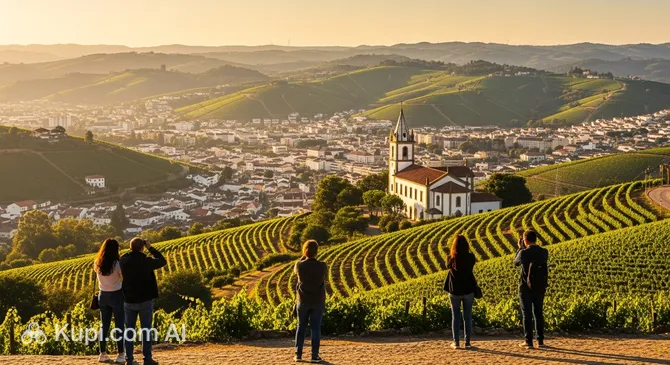
Videira is a picturesque city in the state of Santa Catarina, often called the "grape capital." This cozy corner, home to about 47,000 people, attracts travelers with its unique atmosphere, where southern hospitality and strong European traditions are harmoniously intertwined.

Videira. Illustration.
Source: Kupi.com AI

Located in the south of a colorful country like Brazil, Videira is famous for its mild climate and the fertile lands of the Rio do Peixe valley. It was the geographical location and the cultural influence of immigrants that made this city an important agro-industrial center. The fascinating history of Videira is inextricably linked with Italian settlers, whose legacy is still felt in the architecture, cuisine, and, of course, the love for winemaking.

Visitors to the city should pay attention to several iconic spots. One of the main attractions is the Wine Museum (Museu do Vinho), located in a historical building where you can learn about the stages of viticulture development in the region. Also of interest is the Domingos Forlin Astronomical Observatory, offering a unique view of the starry sky. Videira invites you to enjoy a peaceful pace of life, delicious food, and the scenic landscapes of the Brazilian south.

Weather Overview

The climate in this region is mild, which creates comfortable conditions for visiting at any time of year. Typical weather in Videira is characterized by warm but not sweltering summers and fairly cool winters. In the warmest months, from December to February, the air warms up to an average of 21–22°C, and daily maximums rarely exceed 26°C. Travelers should keep in mind that summer here is also the wettest season: for example, in January there can be up to 21 rainy days.

With the onset of autumn, the temperature gradually decreases, reaching a minimum in July, when average figures are around 13.8°C, and at night the air can cool down to 8–9°C. The winter period (June to August) is drier compared to summer: the number of days with precipitation decreases to 8–10 per month. Spring brings gradual warming, and by November the average temperature returns to the 19.5°C mark.

Average monthly temperature

Average monthly precipitation

Interesting Facts

Videira is not just about picturesque hills and vineyards; this city holds amazing success stories and possesses a unique status that reveals its character from a new side.

  • Birthplace of an industrial giant. Few people know that the famous Perdigão company (now part of the global BRF holding) was born here in 1934. What started as a modest business by two families of Italian immigrants grew into one of the largest food producers in the world, forever inscribing the city's name in the economic history of Brazil.

  • Capital of Grapes and Sparkling Wine. The city holds the official and honorary title of "Capital of Grapes and Sparkling Wine" of the state of Santa Catarina. Local winemaking traditions are extremely strong, but this is not the only pride of the agrarians: Videira is also a major center for the production of natural grape juice, processing huge volumes of the harvest to create this healthy drink.

  • A Glimpse into the Sky. An important scientific and tourist site in the city is the Domingos Forlin Astronomical Observatory. This place has become a true center of attraction for space enthusiasts: modern equipment is installed here, allowing residents and guests of the city to study the starry sky of the Southern Hemisphere in detail.

How to Get There

When planning a trip to this cozy corner of Santa Catarina, it is important to think about logistics in advance, as the city is located away from capitals and major metropolises. You can learn more about how to get to Videira by studying all available routes and types of transport.

Videira itself does not have its own airport that accepts regular passenger flights. The nearest convenient hub is Chapecó Airport (IATA: XAP), located in the city of Chapecó. The distance to Videira is approximately 150 km. This is a regional airport that receives flights from major Brazilian cities. A trip from the airport to the center of Videira by taxi or rental car will take about 4 hours, while a bus may take a bit longer.

If you are looking for more flight options, consider Navegantes Airport (IATA: NVT) in the city of Navegantes. This is a large international airport with high passenger traffic, offering a wide choice of flights. However, it is located significantly further away—approximately 249 km from Videira. The drive by car will take about 6.5 hours, considering the local terrain and traffic.

For clarity, here is a summary of the main airports through which you can reach the region:

AirportPassenger trafficDistance
Correia Pinto Regional Airport25 000105 km
Chapeco Airport617 000150 km
Passo Fundo Airport284 551180 km
Comte Antonio Amilton Beraldo Airport11 394226 km
Hugo Cantergiani Regional Airport449 388243 km

Railway communication in this region of Brazil is not developed for passenger transport, so getting to Videira by train is not possible. The main way to travel between cities remains comfortable intercity buses or rental cars. Videira's bus station (Rodoviária de Videira) connects the city with major centers in the state and neighboring regions, offering scenic routes through the valleys and hills of Santa Catarina.

Main Attractions

Despite its modest size, Videira offers travelers a rich cultural program. The city carefully preserves the heritage of Italian immigrants and surprises visitors with scientific and educational sites unexpected for a provincial town. Here are the places that are definitely worth including in your walking itinerary.

Mário de Pellegrin Wine Museum (Museu do Vinho Mário de Pellegrin). This is the city's main historical treasure, located in an old house built in 1931 for local priests. The museum's exhibition details the daily life of the first Italian settlers and the evolution of winemaking in the region. Here you can see antique grape presses, field tools, household utensils, and photographs documenting the rise of the "grape capital." It is the perfect place to understand the spirit of the city and its people.

Domingos Forlin Astronomical Observatory (Observatório Astronômico Domingos Forlin). Videira is proud of this facility, which is rarely found in small Brazilian towns. The observatory is equipped with powerful telescopes and a modern digital planetarium. Visitors can not only admire the stars of the Southern Hemisphere but also attend fascinating lectures. This place is especially popular with families and anyone interested in space.

Church of the Immaculate Conception (Igreja Matriz Imaculada Conceição). This majestic temple, located in the city center, is a beautiful example of religious architecture. The building draws attention with its stained-glass windows and strict yet elegant lines, reminiscent of the European roots of the local population. It is not only the spiritual center of the community but also one of the most photographed landmarks in Videira, surrounded by an atmosphere of serenity.

Santa Augusta Winery. A trip to Videira would be incomplete without a visit to one of the local wineries. Santa Augusta is an excellent example of combining tradition and modern technology. Tourists can stroll through picturesque vineyards, learn the secrets of local wine production, and, of course, take part in a tasting. It is an opportunity to literally taste the flavor of the Rio do Peixe region.

Local Cuisine

Videira's gastronomic scene is a vivid reflection of its history, where the culinary traditions of Italian immigrants play the leading role. The food here is distinguished by a special home-like coziness, generous portions, and the use of the freshest farm products. Since the city is officially recognized as the "grape capital" of the state, any lunch or dinner here becomes part of a larger cultural program, inextricably linked with winemaking.

At the heart of the local menu is classic Italian cuisine adapted to Brazilian flavor. Travelers should definitely try galeto (galeto al primo canto)—small chickens marinated in herbs and grilled over charcoal. Traditionally, this dish is served accompanied by homemade noodles and polenta. Polenta in Videira is a real cult: it is prepared soft, fried into crispy sticks (polenta frita), or grilled (brustolada). Given the city's history as the birthplace of major meat processing enterprises, pork dishes are also excellently prepared here, including a variety of homemade sausages.

Among the drinks, wine is the undisputed leader. Videira is in the heart of the winemaking region, so tasting local varieties is a mandatory item on the program. A special pride of the city are the sparkling wines (espumante), which are not inferior in quality to famous European brands. For those who prefer non-alcoholic drinks, natural whole grape juice has become the hallmark of the region—thick, rich, and very healthy, it can be found in almost any establishment.

The eating culture in Videira encourages leisurely meals. Locals and tourists often visit family-run cantina restaurants where the owners personally greet guests. A unique gastronomic experience is visiting the "Colonial Cafe" (Café Colonial). This is a traditional meal format popular in the south of the country, featuring a huge buffet with dozens of types of pastries, fruit "cuca" pies, cheeses, jams, and cold cuts. It is the perfect way to get acquainted with the full variety of flavors of this hospitable corner of Brazil in one go.

Travel Tips

Videira is an incredibly welcoming city, but as with any trip, knowing the local nuances will make your journey much more comfortable and peaceful. We have compiled a list of practical recommendations to help you easily navigate the "grape capital" and avoid common tourist mistakes.

  1. Dress for the season. The weather in the region is changeable, so the principle of layering works best here. In summer (December to March), be sure to bring light clothes made of natural fabrics and a raincoat, as downpours are frequent. If you are traveling in winter (June-August), be prepared for the cold: temperatures can drop to +8°C, so a warm jacket and sweater will be necessary. For visiting wineries, choose comfortable closed shoes.
  2. Transport freedom. Public transport in the city is represented by buses, but they do not run very often and may not cover remote tourist sites. To fully explore the surroundings and wineries, it is highly recommended to rent a car. Ride-hailing apps (Uber or 99) work, but wait times can be longer than in megacities, so have the contacts of local taxi services handy.
  3. Financial matters. The national currency is the Brazilian Real (BRL). Although Brazil is a country with a developed banking system and cards are accepted almost everywhere (including hotels and restaurants), always have some cash with you. It will be useful for buying souvenirs at fairs, paying for small services, or tipping. Tipping culture here is standard: restaurants usually include a 10% service fee (taxa de serviço) in the bill.
  4. Health and safety. Videira is a quiet and safe city; the crime rate here is significantly lower than in large state capitals. However, basic precautions should be observed: do not leave your belongings unattended. Pharmacies (Farmácia) are easy to find in the center, many work until late evening. Drinking tap water is not recommended; it is better to buy bottled water.
  5. Language barrier. The primary language of communication is Portuguese. In this region, many residents understand Italian (or the local Talian dialect), but do not count on English—it is mostly spoken by the staff of large hotels. Download an offline translator and a map of the region in advance. SIM cards from local operators (Vivo, Claro, TIM) can be purchased at supermarkets or mobile shops; a passport is required for registration.
  6. Local etiquette. Residents of southern Brazil are very friendly and tactile. When meeting, it is customary to shake hands, and a light kiss on the cheek (sometimes two) is acceptable between women or friends of different genders. When entering a shop or restaurant, it is customary to greet the staff ("Bom dia" or "Boa tarde"). Refusing a treat, especially in family wineries, can be seen as disrespectful.
  7. What to avoid. Do not try to communicate with locals in Spanish, assuming it is the same as Portuguese. Although the languages are similar, Brazilians prefer it when tourists try to say a few words in broken Portuguese or use a translator rather than listen to fluent Spanish. Also, avoid the "OK" gesture (a ring made with the thumb and index finger)—in Brazil, it is considered offensive.
  8. Business hours features. Keep in mind that Videira is a city with a steady pace of life. Many shops and small institutions close for a lunch break (usually from 12:00 to 13:30). Plan shopping and important visits for the morning hours or the second half of the day to avoid encountering closed doors.

By following these simple tips, you can focus on the main thing—enjoying the magnificent landscapes, delicious cuisine, and the unique atmosphere of the Brazilian south. Videira is waiting for you with an open heart and a glass of excellent local wine!

Entertainment & Nightlife

Nightlife in Videira differs from the noisy raves of megacities: here, an atmosphere of coziness, live music, and gastronomic delights prevails. The city, steeped in Italian traditions, offers tourists a relaxation format close to the European "aperitivo"—long evenings with conversations, a glass of wine, and delicious snacks. Most activity occurs at the end of the week when locals fill bars and pubs to unwind after work.

The epicenter of evening life is the Central District (Centro). Most popular establishments are within walking distance of each other here. As twilight falls, the streets come alive: signs light up, and the sounds of acoustic guitar or the rhythms of Sertanejo music, popular in Brazil, drift from the doorways. The dress code in the city is casual—casual style will be appropriate almost everywhere.

For immersion in local flavor, be sure to visit Estação Bistrô. This establishment is unique for its location—it is situated in an old railway station building. Here, history meets modernity: high ceilings, brickwork, and retro decor elements create a unique ambiance. It is the perfect place to start the evening with a tasting of regional wines or craft beer in an atmospheric setting.

Fans of more energetic relaxation should check out Sierra Pub or similar places in the center, where local rock groups and cover bands often perform. Here you can not only listen to live music but also try excellent cocktails. Those who prioritize gastronomy will enjoy Bartô Gastrobar, where the focus is on a combination of signature dishes and drinks in a stylish modern interior.

Safety in Videira is at a decent level, and evening walks in the center are considered peaceful. Nevertheless, the streets empty out closer to night. To return to your hotel, it is most convenient to use a taxi or mobile apps (Uber or 99), although the car arrival time may be slightly longer than in large cities. Prices in bars and restaurants will pleasantly surprise you: the average check here is noticeably lower than in the state capital or resort areas.

If you are interested in more tranquil cultural leisure, look out for the modern Grupo Cine cinema chain, which screens world premieres. It is also worth following the local Cultural Center's schedule: theatrical performances and exhibitions revealing the creative potential of this hospitable region take place there periodically.

Parks & Museums

Videira offers its guests a pleasant balance between urban comfort and the opportunity to relax in nature. Although the city is primarily known for its agro-industry, there are cozy green zones for walks and cultural institutions that carefully preserve the region's history and the traditions of Italian settlers.

The heart of public life and the main green artery of the city is the Rio do Peixe Park (Parque Rio do Peixe), often called the Grape Park by locals. This is a spacious area where major city celebrations are held, including the famous harvest festival. On ordinary days, it is an ideal place for morning runs, walks with children, or picnics in the fresh air. It is also worth visiting Nereu Ramos Square (Praça Nereu Ramos). Located in the very center, this square with well-kept flowerbeds and shady trees serves as a great place for a short rest while sightseeing in the city.

The cultural landscape of the city cannot be imagined without the Mário de Pellegrin Wine Museum. This is not just an exhibition space, but a true keeper of the memory of how Videira's identity was formed. The museum's exhibition immerses visitors in the daily life of the first colonists, demonstrating winemaking tools and household items from the early 20th century. Another important cultural and educational center is the Astronomical Observatory, which functions as a science museum, revealing the mysteries of space to tourists through modern telescopes and educational programs.

Among architectural monuments, the Church of the Immaculate Conception (Igreja Matriz) draws special attention. This majestic structure dominates the city center and impresses with its strict beauty and elegant stained-glass windows. Near the church, you can see historical buildings that have preserved features of colonial architecture, which recall the city's European roots and create a unique atmosphere of old Brazil.

For those looking for off-the-beaten-path experiences, we suggest heading a little further from the center into the countryside (interior). There you can find small chapels (capitéis) built by farmers by the roads—these are touching monuments of faith and tradition that rarely make it into official guides but speak volumes about the soul of this region.

Getting Around

The transport system in Videira is simple and clear, which corresponds well to the size and rhythm of life in this small city. You won't find a metro, trams, or trolleybuses here. The main and practically only type of public transport is city buses. The route network is designed to connect residential areas (bairros) with the central part of the city and industrial zones. For a tourist, this means that getting to the main attractions or the bus station can be quite budget-friendly, though not always fast.

The central hub of the system is the urban terminal (Terminal Urbano), located in the center. Most routes arrive here, and it is the most convenient place to transfer if you need to get from one end of the city to another. Buses run according to a schedule, which is followed quite strictly on weekdays, however, on weekends and holidays, the service intervals increase significantly. In the evening, the number of trips also decreases, so you should not plan to return to your hotel by bus after a late dinner.

The fare payment system in Videira is conservative and guest-friendly. Locals often use refillable transport cards, but it doesn't make sense to get one for a short-term visit. You can pay the fare in cash (reals) directly upon entering the bus. The driver or conductor takes the money. It is recommended to have small bills or coins, as there may not be change for large banknotes. The fare is fixed and does not depend on the route length.

An important nuance of using buses: boarding is through the front door, and exit is through the back. To make the bus stop at your required stop, you must signal the driver with your hand—simply standing at the stop is not enough, the vehicle may pass by. Inside the cabin, you must press the signal button or pull a special cord stretched along the handrails in advance to get off.

Given Videira's hilly terrain, walking can be tiring, so taxis and ride-hailing services are popular alternatives to buses. Uber and 99 apps operate in the city, but the wait time for a car can be 10–15 minutes, which is longer than in megacities. Classic taxis can be found at specialized stands (Ponto de Táxi) located near the main squares and the bus station. This is the most reliable way to get around in the evening and at night.

Bicycles are mostly used in the city by sports enthusiasts rather than as a means of transport due to the significant elevation changes. It is possible to rent a bicycle, but there are no specialized city bike rentals with automatic stations here. If you plan to move around the city and its surroundings a lot, especially to visit remote wineries, the most comfortable option remains renting a car or using a taxi.

Accommodation

Videira, being an important business and agro-industrial center, offers tourists a functional and comfortable choice of accommodation. You are unlikely to find luxury five-star resorts of world chains here; the basis of the hotel fund consists of mid-range hotels and cozy budget guesthouses. Many of them are oriented towards business travelers, which guarantees high standards of cleanliness, stable Wi-Fi, and quality service. Apartment rentals are also gaining popularity, which is convenient for those planning to stay in the city for a longer period.

In terms of logistics, the most convenient area to stay is the Center (Centro). By staying here, you will be within walking distance of the main gastronomic spots, the Wine Museum, and the Church of the Immaculate Conception. This is especially relevant for tourists without a car, as the central location allows for easy access to the bus station and minimizes the use of taxis. Along the banks of the Rio do Peixe, you can also find accommodation options with pleasant views of the city landscapes.

Booking Tip: Keep in mind that on weekdays, hotels are often filled with business travelers visiting local enterprises. If your trip falls on the dates of major events, such as the Grape Harvest Festival (Festa da Uva), it is necessary to book accommodation at least a month in advance, as demand during this period rises sharply and available rooms sell out very quickly.

The price range in Videira can be described as budget and mid-range. The cost of living here is generally lower than in the coastal tourist cities of Santa Catarina. You can book a room through popular international online platforms; however, many small family-run hotels and inns (pousadas) still prefer direct booking via messaging apps or by phone, often offering better conditions.

Nearby Cities

For those who want to explore the surroundings, Videira serves as an excellent starting point for day trips to several interesting nearby places. This region of Santa Catarina, known as the "Valley of Friendship," is famous for its European heritage and agrotourism.

Special attention should be paid to the neighboring city of Fraiburgo, located just 23 km away. It is called the "Land of the Apple" (Terra da Maçã) and attracts tourists with the opportunity to visit blooming orchards or participate in the harvest. Another interesting destination is Caçador, where you can learn about the region's rich history and visit museums dedicated to culture and local traditions. These trips allow you to dive deeper into the atmosphere of the Brazilian south without traveling far from Videira.

CityPopulationDistance
Fraiburgo35 94223 km
Bela Vista24 22329 km
Cacador70 76229 km
Erval d'Oeste21 23938 km
Joaçaba27 02040 km

These nearby destinations offer insight into the diverse culture and landscapes of the region.

Shopping & Souvenirs

Shopping in Videira is not so much a chase for global brands as it is an opportunity to touch local traditions and flavors. Since the city holds the title of "grape capital," purchases here often have a gastronomic tint. Tourists don't take magnets from here, but bottles of magnificent sparkling wine, natural juices, and homemade delicacies prepared according to old recipes of Italian immigrants.

Main Shopping Districts and Streets

The heart of the city's commercial life is Saul Brandalise Street (Rua Saul Brandalise). This lively artery runs through the center and gathers most of the clothing and shoe stores, pharmacies, and banks. A walk along it will allow you to find everything you need: from everyday goods to specialized boutiques. There is an atmosphere of a typical Brazilian provincial center here—noisy, dynamic, and friendly.

Shopping Centers

For those who prefer comfort and variety under one roof, the main place of attraction is Videira Shopping. This is a modern complex located on the same Saul Brandalise Street. Although it cannot boast the giant size typical of megacities, it has everything for quality leisure: popular clothing and cosmetic stores, a food court with diverse cuisine, a cinema, and even bowling. This is a great place to take a break, go shopping, and have fun with the whole family.

Markets

To feel the true flavor of the region, it is worth visiting the Farmer's Fair (Feira do Produtor Rural). It usually takes place in the city center and offers the freshest products straight from the garden. Here you can buy seasonal fruits (including the famous local grapes during the harvest period), homemade cheeses, sausages, honey, and traditional pastries. This is not just a market, but a meeting place for citizens where you can talk with producers and learn the secrets of local recipes.

Souvenirs: What to Bring Back

The main souvenir from Videira is, undoubtedly, wine and sparkling wines (espumantes). Local wineries produce high-quality products that are often hard to find in other regions of the country. Also pay attention to natural whole grape juice in glass bottles—a delicious and healthy gift. Fans of unique things should look for products by local artisans from the ArtVide association: knitted items, embroidery, and wooden crafts reflecting the immigrant culture.

Opening Hours and Payment

Street shops usually operate Monday to Friday from 09:00 to 18:30 or 19:00, and close earlier on Saturdays—around 13:00 or 16:00. Videira Shopping is open longer: shops operate until 22:00, and on Sundays, the food court and entertainment areas are available in the afternoon. Credit and debit cards (Visa, Mastercard) are accepted almost everywhere, as well as cash in reals. In small market stalls, it is preferable to have cash on hand.

Tax Free

The tax refund system (Tax Free) in Videira, as in most small cities in a country like Brazil, is not common. Tourists should not count on a VAT refund for purchases, so the prices indicated on price tags are final.
Reached the end of the page?

That means the route is fully explored