Support

Museu Arqueológico de Sambaqui de Joinville

About

Imagine a place where time seems to have stood still three thousand years ago. The Archaeological Museum of Sambaqui in Joinville is a unique space in the very heart of Joinville, dedicated to the mysterious ancient peoples who inhabited the coast that today belongs to Brazil. The museum's main focus is the study of sambaquis — artificial mounds of mollusk shells that served as the foundation for settlements and ritual structures of prehistoric communities.
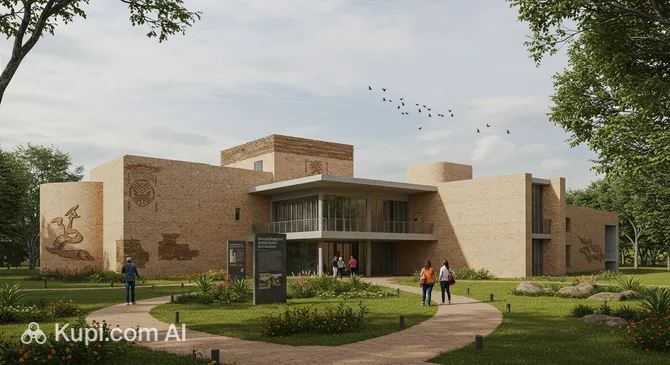
Sambaqui Archaeological Museum of Joinville
Sambaqui Archaeological Museum of Joinville. Иллюстрация. Источник: Kupi.com AI

The museum's collection is impressive in its scale and includes more than 40,000 items. It houses not only archaeological finds but also ethnographic artifacts: from stone and bone tools to skeletal remains and jewelry. The exhibition clearly demonstrates how thousands of years ago people built their daily lives, engaged in fishing, and created a complex social organization fully integrated into the region's marine ecosystem.

The MASJ museum at R. Dona Francisca, 600 is not just a repository of antiquities, but a modern educational center. It offers visitors a look at the history of Santa Catarina state through the prism of the daily lives of hunter-gatherers whose legacy is still studied by scientists from around the world. Thanks to its accessibility and the availability of virtual tours, this place is open to everyone who wants to touch the secrets of the distant past.

Contacts

To inquire about special exhibitions or group visits, you can contact the museum administration directly.

How to contactContact
AddressR. Dona Francisca, 600 - Centro, Joinville - SC, 89201-220, Brazil
Phone+55 47 3433-0114
Websitewww.joinville.sc.gov.br

What to Do

In the museum's halls, a fascinating journey into the world of past marine cultures awaits you. You can see fishing tools used by ancient inhabitants, remarkable bone instruments, and mysterious zooliths — stone animal sculptures often found at burial sites. Particular attention should be paid to the stratigraphic sections, which show how shell mounds grew decade after decade, reaching enormous sizes.

Visitors are invited to explore not only everyday objects but also reconstructions of ancient hearths where food was prepared, and learn about the whale hunting methods practiced here thousands of years ago. Interactive elements and detailed explanations from the staff help visitors understand how the community's social life was organized and what rituals accompanied their daily existence. If you prefer modern technology, virtual tours are available at the museum, allowing you to examine the exhibits in detail at your own pace.

For those interested in anthropology, the museum provides a rare opportunity to see evidence of the health, diet, and genetic heritage of prehistoric people. It is an excellent place for a family visit: the visual nature of the exhibition makes history clear and interesting even for the youngest explorers, turning an ordinary walk into a real scientific adventure.

Getting There

The museum is located in the heart of the city at R. Dona Francisca, 600, making it easily accessible for tourists. If you are staying in city center hotels, the walk to the building will only take a few minutes. For those using public transport, bus routes heading to the Dona Francisca stop are ideal.

Travelers arriving from Joinville-Lauro Carneiro de Loyola Airport will find it most convenient to use a taxi or the Uber app. The approximately 15-kilometer trip takes about 20 to 30 minutes, depending on traffic. For those traveling by private or rental car, the main landmarks are the city's key thoroughfares leading to the Centro district.

If you are planning a visit from neighboring metropolises like São Paulo or Florianópolis, the route follows the BR-101 federal highway. Joinville is a major transport hub, so reaching it by intercity bus is also easy, and you can take a quick taxi ride from the bus station to the museum.

Ближайший город: Joinville

History & Facts

The museum largely owes its existence to the enthusiasm of Guilherme Tiburtius. Between the 1940s and 1960s, this researcher conducted large-scale excavations in the city's surroundings, gathering a unique collection of thousands of artifacts. His work allowed for the documentation of the lives of the people who left behind sambaquis — colossal mounds of mollusk shells that served simultaneously as homes and burial sites.

Research shows that the sambaqui culture was surprisingly complex and perfectly adapted to the marine environment. Scientists have found evidence that the region's ancient inhabitants began whale hunting about 5,000 years ago — a full millennium earlier than previously thought. The layers of the shell mounds, formed over hundreds of years, hold the history of changing generations, their diet, illnesses, and social rituals.

During excavations, including the famous work of 1968, not only tools but also numerous burials were discovered. In some areas, the number of individuals found reached 89, and burial rites often included offerings of jewelry and tools. Today, the museum is the primary guardian of this fragile heritage, protecting it from the effects of the region's rapid urbanization.

Time Needed

A standard tour of the museum's main exhibition usually takes from 1 to 2 hours. This time is quite sufficient to leisurely explore the key halls, examine ancient tools, and read the information stands.

If you decide to take advantage of the virtual tours or wish to ask the qualified staff about the details of recent finds, your stay may be longer. History and archaeology buffs are recommended to set aside a bit more time to dive into the study of mound stratigraphy and the unique zooliths.

Working Hours

The museum welcomes visitors throughout the week, except for Monday, which is the day off. The schedule is stable and convenient for planning daytime excursions.

Operating hours:

  • Tuesday — Sunday: 10:00 AM – 4:00 PM
  • Monday: Closed
DayWorking hours
ПонедельникЗакрыто
Вторник10:00 – 16:00
Среда10:00 – 16:00
Четверг10:00 – 16:00
Пятница10:00 – 16:00
Суббота10:00 – 16:00
Воскресенье10:00 – 16:00

Nearby

A visit to the museum can be perfectly combined with a walk to other interesting city landmarks. The central district is rich in small parks and specialty shops that help you get a deeper feel for the atmosphere of this corner of Brazil.

Below are sites located within walking distance or a short drive from the museum:

NameDistance
Quiero Café0.4 km
Cau Hansen Events Center0.4 km
Aquaprime Aquarium0.5 km
Joinville Central Bus Terminal0.6 km
Joinville Zoo and Botanical Gardens0.7 km
National Museum of Immigration and Colonization0.8 km
Palm Tree Street0.8 km

Reached the end of the page?

That means the route is fully explored