Support

Macae

About

Macaé is a sunny and energetic city located on the coast of the state of Rio de Janeiro. It is often called the "oil capital" of the region due to its developed industry; however, for travelers, it reveals a completely different, resort-oriented side. This is a place where the dynamic pace of a modern business center harmoniously intertwines with the relaxed atmosphere of seaside life, offering guests a unique balance of comfort and natural beauty.

Geographically, the city is situated in the heart of the southeastern part of a country as colorful as Brazil, approximately 180 kilometers from the famous Rio. Washed by the waters of the Atlantic Ocean, Macaé attracts ecotourism enthusiasts with its picturesque landscapes, green hills, and lakes. The city's population is about 234,000 people, which allows it to maintain the coziness and friendliness typical of small settlements despite its economic significance.
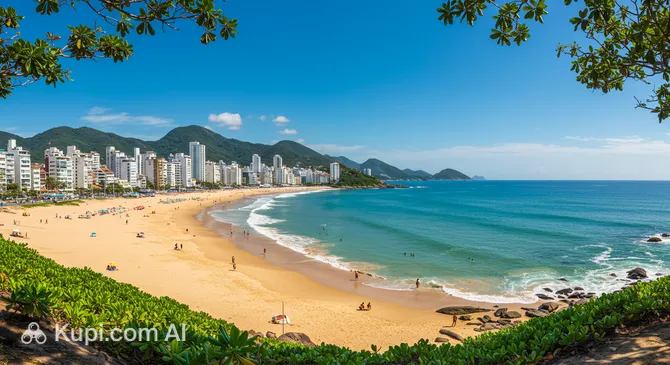
Macaé. Illustration.
Source: Kupi.com AI

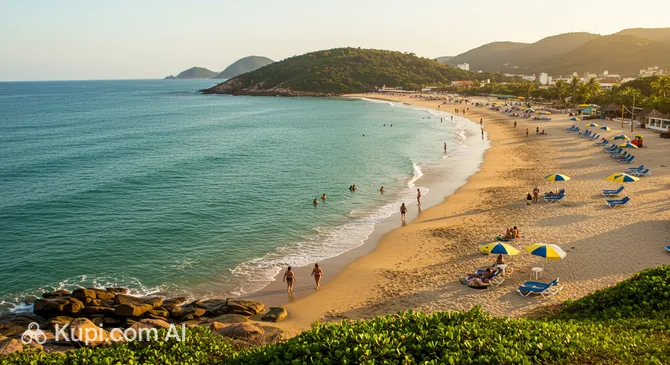
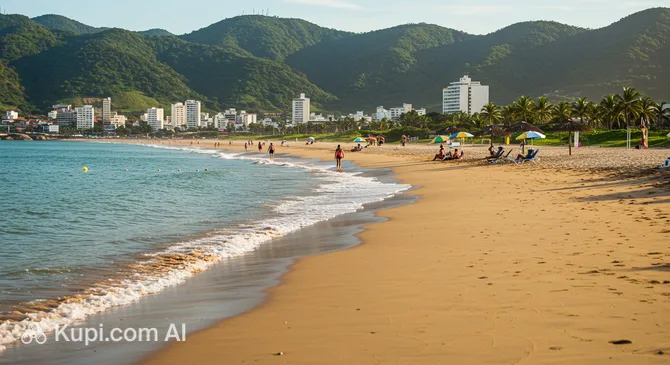
The city's magnificent beaches deserve special attention. The most popular of them, Praia dos Cavaleiros, is famous for its stylish restaurants, bars, and lively nightlife. For those seeking privacy, Praia do Pecado is ideal—here you can enjoy the silence and the sound of the ocean waves. To better understand the character of this place and its development path, it will be interesting to learn about Macaé's historical past, which shaped its modern appearance.

Macaé is an excellent choice for those who want to see the authentic side of the country without huge crowds of tourists. The combination of developed infrastructure, rich nature, and sincere Brazilian hospitality makes this city a wonderful stop on any traveler's itinerary.
Weather Overview

The climate in Macaé can be characterized as warm and tropical, making the city comfortable to visit almost year-round. Summer here, lasting from December to March, is the hottest period. The average temperature during these months is about 26°C, and during the day the air often warms up to 29°C. However, travelers should take high humidity into account: this season records the highest amount of precipitation, with up to 20–22 rainy days per month.

With the arrival of winter (June–August), the weather becomes milder and drier. The exhausting heat recedes, average figures drop to 20–21°C, and at night it can cool down to 16–17°C. This time of year is characterized by a minimum amount of precipitation—only 5–6 rainy days per month, which is excellent for walks and excursions. To plan your trip as accurately as possible, we recommend studying the weather in Macaé by month in advance.

Expect a warm, humid summer with frequent rains and a mild, comfortable winter with a predominance of dry and sunny days.

Average monthly temperature

Average monthly precipitation

Interesting Facts

Beyond its status as a major industrial center, Macaé holds many fascinating secrets and natural riches. This city surprisingly combines the dynamics of a modern "oil capital" with the charm of a place with deep historical roots.

  • Rapid Transformation. Even in the first half of the 20th century, Macaé was a modest fishing village. Rapid development only began after the discovery of major oil fields, which quickly turned it into one of the fastest-growing and most modern municipalities in the state of Rio de Janeiro.

  • Cosmopolitan Spirit. Thanks to its status as an "oil city," the offices of the world's largest companies are located here. This has attracted specialists from all corners of the globe, turning Macaé into a true melting pot of cultures, which is reflected in the city's gastronomy and atmosphere.

  • A Telling Name. According to one local legend, the city's name comes from the indigenous word "Macaé," which translates as "place with many fish." It is symbolic that despite industrialization, fishing remains an important part of the local culture and economy.

  • Natural Records. The city's surroundings are famous for unique natural sites. For example, here lies the picturesque Imboassica Lake, separated from the ocean only by a narrow strip of sand, which is a popular spot for kayaking and bird watching.

  • A Center of Inspiration. Macaé is known as the birthplace of many talented musicians and artists. The city regularly serves as a venue for music festivals and street performances, proving that industrial progress can harmoniously coexist with creativity.

Cavaleiros Beach. Illustration.
Source: Kupi.com AI

Traveler photos:

How to Get There

When planning a trip to the coast of Rio de Janeiro state, it is important to think about logistics in advance, as direct flights to the city itself are not always available. You can find more details on how to get to Macaé, including land routes, on a separate page of our guide. The main flow of tourists arrives through the major aviation hubs of neighboring metropolises, from where the journey continues by bus or car.

The most popular option for international travelers is Galeão - Antônio Carlos Jobim International Airport (IATA: GIG). It is located in the city of Rio de Janeiro, approximately 156 km from Macaé. This is the largest airport in the region with a massive passenger flow, receiving flights from all over the world. A trip from the terminal to Macaé by taxi or transfer will take about 4 hours and 15 minutes.

Another convenient option, especially if you are flying domestic airlines, is Santos Dumont Airport (IATA: SDU). It is also located in the city of Rio de Janeiro, at a distance of about 153 km from your destination. The drive along the scenic coast or highway will take approximately 4 hours and 10 minutes.

If you are looking for a closer option, consider Cabo Frio International Airport (IATA: CFB). It is located in the city of Cabo Frio, just 67 km from Macaé. Although this airport is significantly smaller than the capital's hubs and serves fewer flights, the journey from there to the city center will only take about 2 hours.

For clarity, here is a summary of the main airports:

AirportPassenger trafficDistance
Cabo Frio International Airport60 00067 km
Bartolomeu Lisandro Airport43 80091 km
Marica Municipal Airport110 000123 km
Santos Dumont Airport6.5 mln153 km
Galeão Antonio Carlos Jobim International Airport14.5 mln156 km

Main Attractions

Macaé offers travelers an interesting blend of natural beauty and modern urban infrastructure. Although the city is primarily known as a business hub, there are places here where you can relax perfectly, enjoy ocean views, and feel the rhythm of local life.

The undisputed center of attraction for both tourists and locals is Cavaleiros Beach. This is the city's liveliest waterfront, where life buzzes from early morning until late at night. During the day, people engage in sports and sunbathe on the wide sandy strip, and in the evening, the area transforms into a gastronomic center with many restaurants and bars. It is the perfect place to try fresh seafood and enjoy the sea breeze in a comfortable setting.

For those who prefer a quieter atmosphere and are interested in history, Imbetiba Beach is worth a visit. Located near the city center, it is famous for its picturesque sunrises and calm waters. The beach promenade is a popular spot for morning jogs and leisurely walks. Here you can feel the historical spirit of Macaé, as this is the area where the city's port life began.

Imbetiba Beach. Illustration.
Source: Kupi.com AI

Traveler photos:

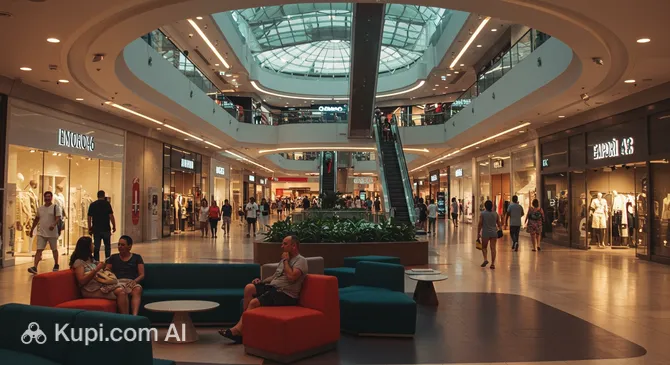
Shopping and entertainment enthusiasts should check out Shopping Plaza Macaé. This is a large, modern shopping complex featuring popular Brazilian and international brands. In addition to shopping, you can visit the cinema or grab a bite at the large food court. The shopping center often becomes a refuge for tourists on rainy days or during hot midday hours, offering comfortable relaxation in air-conditioned surroundings.

Local Cuisine

Macaé cuisine is a true paradise for foodies, where fresh seafood takes center stage. Due to its coastal location, you can always find shrimp, squid, oysters, and the morning's catch on local menus. The hallmark of the gastronomic scene is moqueca—a thick and aromatic fish stew prepared with coconut milk, tomatoes, cilantro, and spices. Traditionally, this dish is served with rice and manioc flour, creating a hearty and memorable combination of flavors.

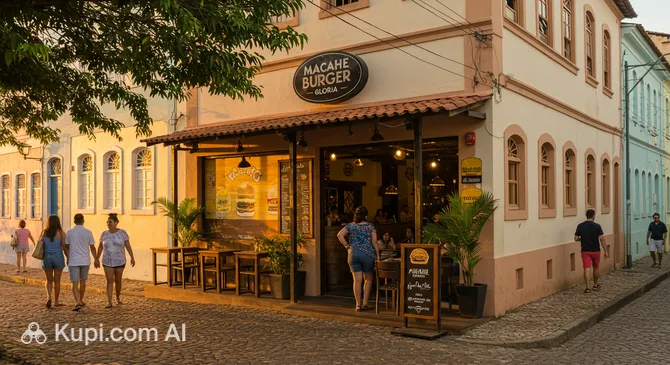
Street food is an integral part of the eating culture and can be found on waterfronts and markets. It's definitely worth trying pastel—crispy fried pies with various fillings, from cheese to meat. Another popular snack is acarajé, which consists of balls made from bean dough, deep-fried in oil and stuffed with shrimp and hot spices. These dishes are great for satisfying hunger during long walks around the city.

Macahé Burger – Glória. Illustration.
Source: Kupi.com AI

Traveler photos:

For those with a sweet tooth, Macaé offers famous Brazilian desserts. Cafes and pastry shops serve brigadeiro—delicate chocolate truffles, and tapioca couscous with coconut. For drinks, locals prefer fresh-pressed juices from exotic fruits and, of course, ice-cold coconut water, which perfectly refreshes on a hot day. In the evening, you can enjoy traditional cocktails in one of the numerous bars.

The city's gastronomic life is not limited to traditional recipes. Food festivals are held regularly, where you can explore the region's culinary diversity. For those who want a break from fish dishes and want to snack on something more familiar and filling, modern establishments like Make-Burger – Glória open their doors. Such variety allows every tourist to find a treat to their liking, whether it's an exquisite dinner with an ocean view or a quick bite in a cozy cafe.

Travel Tips

A trip to Macaé promises to be eventful, as it is a city where the business energy of an oil capital meets relaxed beach leisure. To make your visit as comfortable and carefree as possible, we have prepared a list of useful practical recommendations that will help you feel confident in any situation.

  1. Clothing and Essentials. The climate here is hot and humid, so the basis of your wardrobe should be light clothing made of natural breathable fabrics (cotton, linen). Be sure to bring comfortable sandals for the beach and closed shoes for city walks. Don't forget sunscreen with a high SPF and a hat—the sun in Brazil is very active. A plug adapter will also come in handy: types N and C (often with three pins) are used here.

  2. Transport. The city bus system can seem confusing and crowded for a tourist during peak hours. The most convenient and safe way to get around is by using taxi apps (Uber or 99). This will save you from language barrier problems and guarantee a transparent price. If you plan to explore the surrounding beaches and lakes on your own, renting a car is a great solution.

  3. Finances. The official currency is the Brazilian Real (BRL). Bank cards are accepted almost everywhere, including restaurants and supermarkets. However, for buying coconuts on the beach or souvenirs from street vendors, it's better to have some cash in small bills. In restaurants, a 10% tip is often already included in the bill as a taxa de serviço, but an additional gratuity is always welcomed.

  4. Health and Safety. Macaé is calmer than the megacities, but you shouldn't let your guard down: don't leave things unattended on the beach and avoid walking in deserted areas after dark. Drink only bottled water. It is also recommended to use repellents, especially if you plan to walk near the Imboassica lagoon at sunset.

  5. Communication. The main language is Portuguese. Despite its status as an international business center, staff in shops and taxi drivers rarely speak English. Download an offline translator and learn a couple of phrases, such as "Obrigado" (thank you) and "Bom dia" (good morning). It's best to buy a local SIM card (Vivo, Claro, or TIM) immediately upon arrival at an official mobile store with your passport.

  6. Local Etiquette. Brazilians are open and tactile people. Handshakes are common when meeting and saying goodbye (even with acquaintances), and among women, light kisses on the cheek are typical. The most popular gesture is a thumbs up, which means "everything is fine," "thank you," or "hello." On beaches, it is customary to wear swim trunks and bikinis; sunbathing topless is strictly not recommended.

  7. Things to Avoid. Be careful with the "OK" gesture (a ring made of the thumb and index finger). In Brazil, it is considered extremely rude and offensive. Also, avoid displaying expensive jewelry and electronics on the street to avoid attracting unnecessary attention.

  8. Planning Tip. Consider the specifics of the "oil capital": on weekdays, city hotels are often filled with business travelers, and prices may be higher. If your goal is tourism, plan your trip to include the weekend: the city becomes quieter, and accommodation prices may be more pleasant.

By following these simple tips, you will be able to avoid minor troubles and fully immerse yourself in exploring this dynamic Brazilian city. We wish you bright impressions, delicious discoveries, and a safe trip to sunny Macaé!

Entertainment & Nightlife

The nightlife in Macaé is a vivid reflection of the city's dual nature: by day, business activity thrives, and as the sun sets, it’s time for relaxed leisure and fun. The main rhythm for evening entertainment is set by oil company employees and locals who appreciate quality downtime after a workday. You won't find the 24-hour madness of Carnival-era Rio here, but you will discover many cozy bars with live music, stylish pubs, and casual dance floors.

The epicenter of nightlife is undoubtedly the Cavaleiros beach district. It is here, along the ocean promenade, that most establishments are concentrated. In the evening, the street turns into a lively boardwalk: sounds of samba, pagode (a variation of samba), and classic rock drift from open windows. The crowd here is diverse, but the prevailing style is "sport-chic" or relaxed casual. The dress code in most places is democratic, though you might not be allowed into nightclubs in beach flip-flops.

If you want to dive into the atmosphere of true Brazilian fun, it's worth visiting Empório 46. This is a popular spot that combines the features of a bar and a nightclub, where local bands and DJs often perform. It offers a great selection of drinks and an energetic atmosphere that invites dancing until dawn. In such establishments, it is customary to arrive closer to midnight, although the "warm-up" starts around 10:00 PM.

Emporio 46. Illustration.
Source: Kupi.com AI

Traveler photos:

For those who prefer a quieter evening, visiting Tropical Plaza is an excellent option. This place is suitable for evening shopping, going to the movies, or dining in a calm environment. Here you can escape the loud music and enjoy comfort, which is especially relevant for couples or travelers with children.

Practical tips for the tourist:

  • Opening hours: Bars usually fill up by 7:00–8:00 PM (happy hour), while clubs come alive after 11:00 PM.
  • Prices: The average bill in bars on the promenade is higher than in the city center. A glass of beer can cost from 10 to 15 reals, and cocktails start from 25–30 reals.
  • Safety: The Cavaleiros area is considered safe for night walks due to the large number of people and patrols. However, walking away from the well-lit promenade deep into residential neighborhoods is not recommended.
  • Transport: The best way to get to your hotel at night is to call a taxi through an app (Uber or 99). Hailing a car on the street is not common and is less safe.

While Macaé is famous for its evenings, cultural life during the day also deserves attention. The city has a Municipal Theater that hosts plays and concerts, and the Solar dos Mellos cultural center—a museum housed in a beautiful historical building where you can learn more about the region's heritage. This combination of daytime culture and nighttime drive makes a trip to Macaé rich and memorable.

Parks & Museums

Macaé is not just a dynamic business center, but also a city where natural riches and historical heritage are carefully preserved. For tourists wishing to escape the hustle and bustle and immerse themselves in the region's culture, there are picturesque green oases and informative museum sites that reveal the soul of this coast.

Nature lovers should definitely visit the Restinga de Jurubatiba National Park (Parque Nacional da Restinga de Jurubatiba). This unique protected area located on the outskirts of the city preserves the ecosystem of sandy coastal plains ("restinga"). The park is famous for its chain of 18 picturesque dark-water lagoons surrounded by rich vegetation. It is an ideal spot for ecotourism: here you can go kayaking, observe rare birds, or simply walk along wild beaches, enjoying the silence and union with nature.

Another green spot worth noting is the Atalaia Municipal Park (Parque Municipal Atalaia). Located in the mountainous part of the municipality, it represents a preserved section of the Atlantic Forest. The park is an important source of drinking water for the region and attracts travelers with its shady trails, variety of tropical plants, and the chance to see wild animals in their natural habitat. It's a wonderful location for hiking and picnics away from the hot coast.

The cultural heart of the city is rightfully considered Solar dos Mellos—the Museum of the City of Macaé. It is housed in a beautiful 19th-century mansion with elegant architecture. The museum regularly hosts exhibitions dedicated to the region's history, archaeological finds, and local art. Visiting this museum will allow you to understand more deeply how a small fishing village turned into a modern "oil capital" without losing its identity.

Among the architectural monuments, a special place is held by the Church of Sant'Anna (Igreja de Sant'Anna). Built by Jesuits in 1630, this temple is one of the oldest buildings in the city. The church stands on an elevation and, besides its historical value, attracts tourists with magnificent panoramic views. From here, the mouth of the Macaé River, the ocean expanses, and the city blocks are visible as if in the palm of your hand.

Insider tip: head to the Church of Sant'Anna closer to the evening. At this time, the temple gates are usually open, and the observation deck in front of it offers perhaps the best view of the sunset in the city, when the sun colors the waters of the Atlantic and the roofs of the houses in golden tones.

Getting Around

The public transport system in Macaé, unlike in megacities, is structured quite simply and is based exclusively on bus services. There are no subways or tram lines here, but the city bus network (SIT — Sistema Integrado de Transporte) covers almost all areas, including popular beaches, the center, and industrial zones. Buses run regularly, connecting the main residential quarters with the central terminal, which serves as the main transfer hub.

For tourists, it is important to know the specifics of the payment system. The city has a discounted fare program for 1 real, but it is only available to locals who have a special resident card. Travelers will have to pay the full fare. Payment is made in cash to the conductor or driver upon entry. It is highly recommended to have small bills and coins on hand, as change for large banknotes may not be available.

If you plan to use buses, download navigation apps like Moovit or Google Maps to your smartphone. Stops in the city are not always clearly marked, and schedules can change. To catch a bus on the street, you definitely need to raise your hand—otherwise, the driver might drive past. It is customary to enter through the front door and exit through the back. Be prepared for the fact that during rush hours (early morning and the end of the workday), transport may be overcrowded with oil company employees.

The most popular and comfortable alternative to public transport is mobile taxi apps such as Uber and 99. They work very stably in Macaé and ensure trip safety, price transparency, and the absence of a language barrier. Given the hot climate, traveling in an air-conditioned car is often the best choice for moving between beaches and restaurants.

For those who want freedom of movement, car rental is widely developed in the city. This is especially relevant if you plan to visit remote natural attractions or neighboring resorts. Also along the waterfronts, especially in the Cavaleiros beach area, cycling is popular—the flat terrain of the coastline makes for pleasant bike rides with an ocean view.

Accommodation

The choice of accommodation in Macaé directly reflects its dual status as a resort town and a business capital. A wide range of lodging options is presented here: from large business-class hotel chains and comfortable apartments to small cozy guesthouses (pousadas) and budget hostels. Thanks to the developed oil industry, the level of service in local hotels generally stays at a high level, meeting international standards.

For tourists, the Cavaleiros coast is considered the most attractive area to stay. By staying here, you will be at the epicenter of resort life: the beach will be across the road, and the best restaurants and bars will be within walking distance. This is an ideal choice for those who want to combine a comfortable stay with evening entertainment. Another popular option is the Imbetiba district. It is closer to the historical center and the port, offering a quieter atmosphere and picturesque sunrise views, which is suitable for lovers of peace and morning jogs.

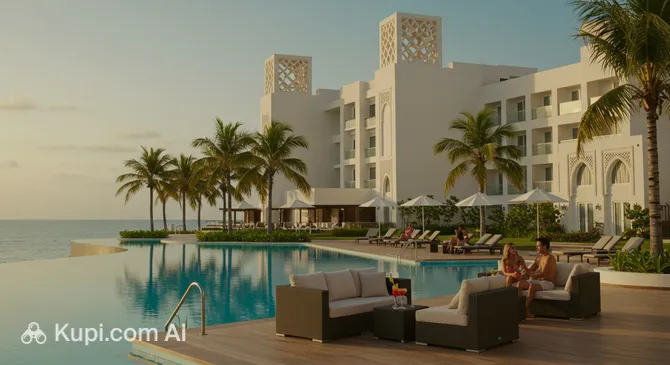
Dubai Macaé. Illustration.
Source: Kupi.com AI

Traveler photos:

Among the well-known accommodation options, Dubai Macaé stands out. This resort-style hotel offers guests a high level of comfort and a wide range of services, making it an excellent choice for both business trips and a relaxed vacation. The presence of such complexes confirms that the city is ready to welcome the most demanding travelers.

An important feature of booking in Macaé is its "work" schedule. Unlike typical resorts, peak occupancy here often occurs on weekdays (Monday through Thursday) when business travelers arrive in the city. At these times, prices may be higher and vacant rooms run out faster. A tip for tourists: plan your trip for the weekend when business activity subsides; on these days, hotels often offer discounts, and the city becomes quieter and cozier.

The price range varies from budget to above average, depending on the hotel category and the season. Booking accommodation is most convenient through popular international online platforms widely used in Brazil. This guarantees transaction security and allows you to read reviews from other guests in advance.

Nearby Cities

For those who want to explore the surroundings, Macaé serves as an excellent starting point for day trips to several interesting nearby locations. The city's location allows you to change the scenery in just an hour or an hour and a half: from bustling neighboring resorts to cool mountain peaks.

Just a half-hour drive away is Rio das Ostras—the closest neighbor and a popular holiday destination with the picturesque Costa Azul coastline and a famous jazz festival. A bit further south is Cabo Frio, famous for its white sand dunes, the historic Fort São Mateus, and crystal-clear water that attracts divers from all over the country. If you want to swap the beach heat for mountain freshness, head to Nova Friburgo—this mountain town, founded by Swiss immigrants, charms with its European architecture, waterfalls, and gastronomic delights.

CityPopulationDistance
Rio das Ostras141 11723 km
Carapebus13 35925 km
Conceição de Macabu21 21134 km
Buzios34 47742 km
Quissamã20 24244 km

These nearby destinations provide a glimpse into the diverse culture and landscapes of the region, making your trip even more rich and memorable.

Shopping & Souvenirs

Shopping in Macaé is a pleasant addition to beach holidays and business trips. The city doesn't claim to be a fashion capital like neighboring Rio de Janeiro; however, excellent conditions for comfortable shopping have been created here. Tourists will find a harmonious combination of modern air-conditioned shopping centers and lively shopping streets where they can experience true Brazilian flavor. The selection ranges from famous international brands to products by local artisans and high-quality beachwear.

The heart of street commerce is the City Center (Centro). Special attention should be paid to the pedestrian zone on Avenida Rui Barbosa, known as "Calçadão." It is a noisy and dynamic place where life buzzes from morning to night. Dozens of clothing, shoe, electronics, and cosmetics stores are located here. A walk through this area allows not only for some great purchases but also for observing the daily life of the locals.

For those who prefer shopping in a more relaxed and cool environment, the shopping malls open their doors. The largest and most popular complex is Shopping Plaza Macaé. It is a modern space with many boutiques, a large food court, and a cinema. Here you can find everything you need: from beach accessories to evening wear. Another well-known center is Tropical Plaza, which, although smaller in size, offers a good selection of shops and services, convenient for quick purchases.

Shopping Plaza Macaé. Illustration.
Source: Kupi.com AI

Traveler photos:

Local markets are of particular interest to travelers. Be sure to visit the Municipal Fish Market (Mercado Municipal de Peixes). Even if you don't plan on buying fresh seafood, it's worth coming here for the atmosphere: to see the day's catch, chat with the expressive vendors, and take colorful photos. Also, craft fairs are periodically held in the city and on the boardwalks, where you can find unique handmade items.

As souvenirs from Macaé, beach gear is most often brought back. Brazilian swimwear (bikinis) and trunks are famous for their quality and bright designs. Don't forget the famous Havaianas flip-flops—here they cost significantly less than in Europe, and the choice of models is enormous. Also popular are shell crafts, local coffee, cachaça (sugar cane spirit), and sweets, for example, goiabada (guava marmalade).

Business hours for shops are standard for the region. Shopping centers are usually open from 10:00 AM to 10:00 PM daily, including Sundays (though some shops may open later on Sunday). Street stalls in the center work from 9:00 AM to 6:00 PM on weekdays and until 1:00 PM on Saturdays; Sunday is usually a day off. Credit and debit cards are accepted almost everywhere, but for purchases at markets or from street vendors, it is recommended to have some cash in reals.

The Tax Free system in Macaé, as in many smaller cities in Brazil, is practically non-existent and is not a common practice for tourists. You shouldn't count on a VAT refund for purchases here, so focus on the current price tags, which are often quite attractive for foreigners due to the exchange rate difference.

Reached the end of the page?

That means the route is fully explored