Support

Rio das Ostras

About

Rio das Ostras is a true gem on the Atlantic coast, located in Brazil in the state of Rio de Janeiro, about 170 kilometers from the famous city of Rio. The town stretches along a picturesque coastline surrounded by tropical greenery and mangroves, creating a special atmosphere of seclusion and tranquility.

Rio das Ostras. Illustration.
Source: Kupi.com AI

Thanks to its mild climate and gentle ocean breezes, the air here is always fresh and pleasant, making it an ideal destination for those tired of the urban bustle and dreaming of reconnecting with nature. With a population of about 141,000 people, Rio das Ostras retains the charm of a small resort town while offering all the modern amenities for a comfortable stay. The city is developing rapidly, becoming an increasingly popular destination for both Brazilians and international visitors, and is part of the economically important Costa do Sol region—the "Sun Coast."

The main highlight of Rio das Ostras is its unique beaches, such as Praia do Centro or Costa Azul, and its relaxed, welcoming atmosphere. No one is in a hurry here: in the evenings, the streets are filled with the aroma of grilled seafood, and groups gather on the beaches to watch the sunset to the accompaniment of live music. The city also attracts nature lovers with its scenic mangrove forests and opportunities for water sports.

Rio das Ostras is perfect for family vacations, romantic getaways, and anyone seeking peace in the heart of nature. It is worth visiting at least once to experience the magic of the Atlantic, enjoy the local cuisine, and discover a culture where the traditions of indigenous peoples and European settlers are closely intertwined. Rio das Ostras is a city that knows how to surprise and make you fall in love at first sight.

You can find more interesting facts on the Rio das Ostras history page

Weather Overview

The weather in Rio das Ostras is characterized by a warm climate year-round. The hottest months are January, February, and March, when the average temperature stays around 26°C, and maximum values can reach nearly 30°C. This period also sees a higher amount of precipitation, especially in December and February, when the number of rainy days can exceed 20. The coolest but still warm months are June, July, and August, with an average temperature of about 21°C and minimum nightly temperatures around 17-18°C. June and July are also the driest months, with minimal rainfall. Overall, expect a warm, humid summer and a mild, drier winter. For a more detailed forecast and monthly information, you can visit the Rio das Ostras climate page.

Average monthly temperature

Average monthly precipitation

Interesting Facts

Beyond its sunny beaches and hospitable atmosphere, Rio das Ostras hides many curious details and stories that make it truly special. Here are some interesting facts about this Brazilian city:

Whale Square. Illustration.
Source: Kupi.com AI

Traveler photos:

  • Historically, Rio das Ostras was a small fishing village. Its name literally translates as "River of Oysters," and this is no coincidence: the local waters were once teeming with oysters and other seafood delicacies, which brought the city fame among gourmets throughout Brazil.

  • The city is widely known for its annual jazz festival, which attracts talented performers and music lovers from all over the world. The creative and festive atmosphere is complemented by original bronze sculptures of musicians adorning the waterfront. One of the iconic public spaces where cultural events often take place is Whale Square.

  • In the vicinity of Rio das Ostras lies a unique natural attraction—Iriry Lagoon (Lagoa de Iriry). It is famous not only for its crystal-clear water but also for its healing muds, which, according to locals, have rejuvenating and health-boosting properties.

  • In Rio das Ostras, maritime traditions are treated with great respect. Every year, colorful festivals and celebrations are held here dedicated to the patrons of fishermen and sailors, reflecting the city's deep connection with the ocean and its history.

How to Get There

When planning a trip to Brazil's "Sun Coast," it is important to think through your route in advance. Rio das Ostras is conveniently located relative to the state's major transport hubs, allowing you to combine a flight with a bus or car trip. You can find out more about how to get to Rio das Ostras on the dedicated page, while below we will look at the main air gateways and land routes.

There is no airport in the city of Rio das Ostras itself that accepts regular passenger flights. Most tourists arrive via the state capital or neighboring resort towns. One of the main hubs is Galeão International Airport - Antonio Carlos Jobim (IATA: GIG). It is located in Rio de Janeiro, about 135 km from Rio das Ostras. This is the region's largest airport, accepting flights from all over the world. The journey from here by taxi or transfer will take about 3 hours and 45 minutes.

Another popular option is Santos Dumont Airport (IATA: SDU), also located in Rio de Janeiro, approximately 132 km from the destination. This airport primarily handles domestic flights and is closer to downtown Rio. The travel time to the resort will be roughly 3 hours and 40 minutes.

For those who want to fly as close as possible, there is Cabo Frio International Airport (IATA: CFB). It is located in the city of Cabo Frio, only 45.6 km from Rio das Ostras. This is a small airport with a limited number of flights, but if you manage to find a convenient flight, the journey to your hotel will take only about 1 hour and 30 minutes.

For clarity, here is a summary of the main airports:

AirportPassenger trafficDistance
Cabo Frio International Airport60 00046 km
Marica Municipal Airport110 000101 km
Bartolomeu Lisandro Airport43 800113 km
Santos Dumont Airport6.5 mln132 km
Galeão Antonio Carlos Jobim International Airport14.5 mln135 km

There is no direct rail connection for passengers to Rio das Ostras. Roadways remain the primary land method for reaching the resort. Comfortable intercity buses (ônibus) depart regularly from Rio de Janeiro. The bus trip usually takes 3 to 4 hours, depending on traffic leaving the capital. Buses arrive at the city bus station, which is conveniently located relative to the city center. Renting a car is also a popular option, allowing you to enjoy the scenic coastal views along the way.

Main Attractions

Rio das Ostras, a charming coastal city in Brazil, is famous for its magnificent beaches and cozy atmosphere. Everyone will find something to their liking here, from relaxing on golden sands to exploring local cultural sites. Here are a few key attractions worth visiting in this city.

One of the most popular spots is Costa Azul Beach. This is a lively beach with well-developed infrastructure, including numerous kiosks, bars, and restaurants, as well as a beautiful boardwalk for strolls. It is ideal for families, swimming, and sunbathing. In the evenings, various events and concerts are often held here, creating a festive mood.

Costa Azul Beach. Illustration.
Source: Kupi.com AI

Traveler photos:

You should definitely visit Whale Square (Praça da Baleia). This iconic location is adorned with an impressive whale sculpture that has become a symbol of the city. The square is a favorite place for photos, relaxation, and enjoying the beautiful ocean view. Cozy cafes and souvenir shops can be found nearby.

Whale Square. Illustration.
Source: Kupi.com AI

Traveler photos:

For those seeking a quieter and more secluded spot, Abricó Beach is an excellent choice. This picturesque beach is surrounded by lush greenery and offers visitors crystal-clear water and a serene atmosphere. It is a wonderful place for relaxation and enjoying nature away from the city's hustle and bustle.

Praia do Abricó. Illustration.
Source: Kupi.com AI

Traveler photos:

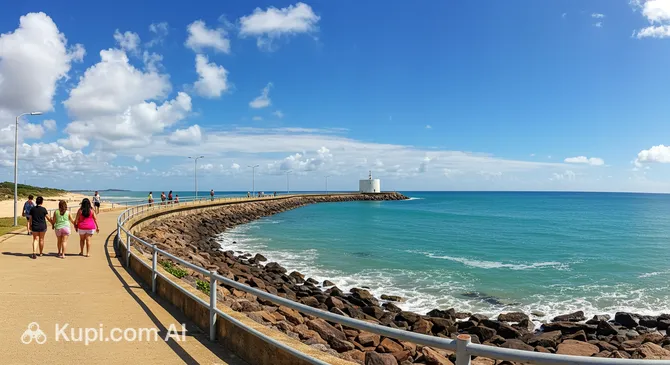
Another interesting attraction is the Submarine Outlet (Emissário Submarino). This long pier extending far into the ocean was originally a technical structure, but over time, it turned into a popular spot for walking, fishing, and admiring sunsets. The pier offers breathtaking panoramic views of the coastline and the vast expanses of the Atlantic Ocean.

Submarine Outfall. Illustration.
Source: Kupi.com AI

Traveler photos:

Local Cuisine

The gastronomy of Rio das Ostras is a real feast for seafood lovers. The city's name, which translates as "Oyster River," speaks for itself: fresh oysters are the main delicacy here. In addition to them, the menus of local restaurants and cafes abound with dishes made of mussels, shrimp, and various fish, prepared in many ways—from simple frying to exquisite casseroles. A special point of pride in the local cuisine is moqueca—a traditional Brazilian seafood stew simmered in coconut milk with dendê palm oil and aromatic spices. This dish, prepared according to old recipes, is a must-try for every guest of the city.

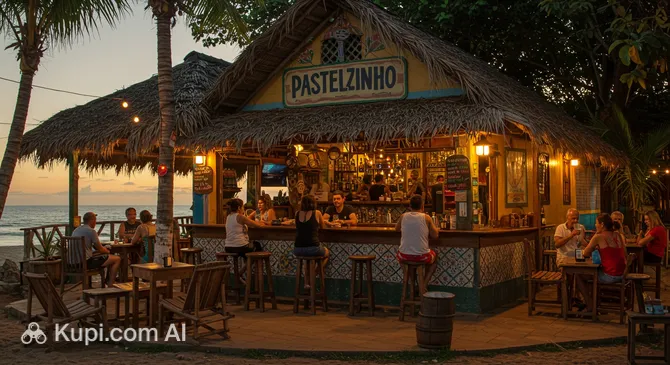
In addition to fine restaurant dishes, a vibrant street food culture thrives in Rio das Ostras. Be sure to try the crispy pastel pastries with a variety of fillings—from cheese and meat to heart of palm. This is a popular snack that can be found in many corners of the city, for example, at Pastelzinho. You should also look out for acarajé—appetizing deep-fried balls of mashed black-eyed peas with shrimp. For dessert or a snack, açaí is perfect—a thick, chilled cream made from acai palm berries, usually served with granola, banana, and honey.

Pastelzinho. Illustration.
Source: Kupi.com AI

Traveler photos:

Among the drinks, the undisputed favorite is the caipirinha—the national Brazilian cocktail based on cachaça (sugar cane spirit), lime, and sugar. This refreshing drink is perfect for hot days on the coast. Among non-alcoholic options, besides the aforementioned açaí, fresh juices from exotic fruits—of which there are a great many in Brazil—are very popular.

The food culture in Rio das Ostras is focused on fresh products and a relaxed atmosphere. Locals and tourists love to have lunch and dinner in the many restaurants overlooking the ocean, small family establishments (botequins), and, of course, try street food right on the waterfronts and busy streets. Farmers' markets offer a rich selection of fresh fruits, vegetables, local cheeses, and pastries. The culmination of the city's gastronomic life is the annual Oyster and Seafood Festival, which attracts thousands of gourmets and top chefs, turning Rio das Ostras into the true culinary capital of the Costa do Sol coast.

Travel Tips

Welcome to sunny Rio das Ostras! To ensure your journey through this charming Brazilian resort is as comfortable as possible and leaves only pleasant impressions, we have prepared a few practical tips.

  1. Clothing and Essentials:

    Rio das Ostras has a tropical climate, so it is warm and sunny most of the year. Bring light, breathable clothing made of natural fabrics (cotton, linen), shorts, T-shirts, and sundresses. Swimwear, high-SPF sunscreen, a hat, and sunglasses are a must. For walking around town and the beach, comfortable sandals or flip-flops are suitable, but for longer excursions, bring light closed shoes. In the evening, a light sweater or wrap might come in handy. If you plan to visit churches, show respect by covering your shoulders and knees, although strict requirements are usually absent. Don't forget an adapter for electrical appliances if your plugs differ from the Brazilian standard (Type N).

  2. Transport:

    The most convenient way to get around Rio das Ostras is by local buses, which connect the main districts and beaches. Taxi services and popular ride-hailing apps like Uber or 99 are also available. Renting a car might be justified if you plan to explore the surroundings and more remote beaches; however, keep in mind that parking in popular spots can be difficult, especially during the high season.

  3. Finances:

    The local currency is the Brazilian Real (BRL). You can exchange money at banks or exchange offices (casas de câmbio); the rate at the airport is usually less favorable. Credit and debit cards (Visa, Mastercard) are accepted in most hotels, restaurants, and shops. Before traveling to Brazil, it is recommended to notify your bank of your trip. ATMs (caixa eletrônico) are quite common. A 10% tip (gorjeta) is often already included in restaurant bills as "serviço." If not, leaving 10% is appropriate. Small tips are also welcomed for minor services.

  4. Health and Safety:

    Pharmacies (farmácias) are easy to find, and some operate 24/7 (look for the "Plantão" sign). Be sure to get medical insurance before your trip. It is recommended to use bottled water for drinking. Rio das Ostras is a relatively quiet resort town, especially in tourist zones and on beaches during the day. However, as with everywhere, basic precautions should be taken: do not leave belongings unattended, avoid displaying expensive jewelry and large sums of money, and be careful after dark and in uncrowded areas.

  5. Communication:

    The official language is Portuguese. English is not very widely spoken, mostly in the tourism sector. Learning a few basic phrases in Portuguese will help a lot when communicating with locals: "Olá" (Hello), "Obrigado/Obrigada" (Thank you – male/female), "Por favor" (Please), "Quanto custa?" (How much does it cost?). You can buy a local SIM card at mobile operators' stores (e.g., Claro, Vivo, TIM); a passport is required. Wi-Fi is available in most hotels, cafes, and restaurants.

  6. Local Etiquette:

    Brazilians are very open and friendly people. It is customary to shake hands when meeting. Close friends may greet each other with kisses on the cheek. In public places, politeness and smiles are valued. You don't need to be overly formal, but excessive familiarity with strangers is not encouraged. Punctuality for informal meetings is not always a strict rule.

  7. What to Avoid:

    Try not to show expensive items in public to avoid attracting unnecessary attention. Also, keep in mind that the common "OK" gesture (a ring made by the thumb and index finger) can be perceived as offensive in Brazil.

  8. Additional Tip:

    Rio das Ostras is famous for its beautiful beaches (Costa Azul, Praia da Tartaruga, Joana) and the annual Jazz and Blues Festival, which usually takes place around the Corpus Christi holiday and attracts many tourists. If your trip coincides with this event, don't miss the chance to enjoy quality music in an incredible atmosphere. Also, be sure to try local beach delicacies, such as "queijo coalho" (grilled cheese) and refreshing "açaí."

We hope these tips help you better prepare for your trip and get the most out of your stay in Rio das Ostras. We wish you an unforgettable journey!

Entertainment & Nightlife

Rio das Ostras, known for its beautiful beaches, also offers diverse opportunities for evening and night entertainment. While the city may not boast the same scale of nightlife as major metropolises, you can find cozy bars, restaurants with live music, and places to have a great time after sunset. The main focus is on the relaxed atmosphere of the coastal establishments.

The main center of evening activity is the waterfront, especially in the Costa Azul beach area. Numerous bars and restaurants are concentrated here, turning into lively hubs as darkness falls. The atmosphere is usually laid-back and friendly, attracting both locals and tourists. The dress code in most places is casual, though some trendier spots might require a smarter look. Many bars start coming to life around 9:00 PM - 10:00 PM and stay open until late at night, especially on weekends and during high season (December to March). As for large nightclubs with dance floors or major concert venues, there are few in Rio das Ostras; evening entertainment is primarily centered around musical bars and restaurants.

Costazul Patio. Illustration.
Source: Kupi.com AI

Traveler photos:

Among the popular spots to spend a pleasant evening, Pátio Costazul stands out, known for its pleasant atmosphere and good selection of drinks. Another interesting place is the Pastelzinho bar, where you can try local snacks and refreshing drinks. If you are looking for dinner with the option to continue the evening, check out Quiosque do Vinícius, which offers authentic Brazilian cuisine in a lively setting.

Vinicios Feijoada Kiosk. Illustration.
Source: Kupi.com AI

Traveler photos:

Prices in bars and restaurants in Rio das Ostras are generally moderate but can vary depending on the level of the establishment and its location. For getting around at night, it is recommended to use taxis or popular ride-hailing apps. Although Rio das Ostras is considered relatively safe, you should always take standard precautions, especially after dark and in less lit areas. Walking along the main waterfronts and busy streets is usually safe.

During the day, Rio das Ostras offers plenty of other activities. Besides magnificent beaches like Costa Azul beach, Bosque beach, or Central Beach, you can visit local attractions. For example, Whale Square is a popular place for a stroll. For shopping enthusiasts, there are shopping centers such as Shopping Center Ostra or Tocolândia. The city does not have large world-class museums or theaters; its charm lies primarily in its coastal atmosphere, natural beauty, and the opportunity for a peaceful vacation.

Parks & Museums

Rio das Ostras, famous for its magnificent beaches, offers visitors more than just seaside relaxation; it provides a chance to engage with local culture through its public spaces and natural beauty. While the city may not boast large museum complexes, its charm lies in its coastal landscapes and lively squares.

The main "green zones" and places for outdoor recreation in Rio das Ostras are undoubtedly its numerous beaches. Among them, Costa Azul Beach stands out as a popular spot with developed infrastructure, perfect for families and water sports. No less attractive is Abricó Beach, which offers a more secluded atmosphere and picturesque views. For those seeking unique scenery, a visit to Boca da Barra Beach is worthwhile, known for its calm sea and beautiful rock formations.

Costa Azul Beach. Illustration.
Source: Kupi.com AI

Traveler photos:

Although there are no widely known major museums or art galleries in Rio das Ostras, the spirit of the city and its culture can be felt by walking through its public spaces. Whale Square (Praça da Baleia) is one of the city's landmarks, adorned with an impressive whale sculpture and serving as a popular spot for meetings and photos. Another iconic location is José Pereira Câmara Square, which often becomes the center of local events and fairs where you can learn about the region's crafts and culinary traditions.

Whale Square. Illustration.
Source: Kupi.com AI

Traveler photos:

Among the interesting sites with both engineering and tourist significance is the Submarine Outlet (Emissário Submarino). This structure extending into the ocean not only performs an important environmental function but has also become something of an attraction, drawing attention with its unusual design and the views from its end (if access is open).

Submarine Outfall. Illustration.
Source: Kupi.com AI

Traveler photos:

For a deeper immersion into the atmosphere of Rio das Ostras, step off the beaten tourist path and explore lesser-known beaches such as Joana Beach or Bosque Beach. Visit local markets to taste fresh seafood and fruits and chat with the hospitable residents—this is the best way to discover the real Rio das Ostras.

Getting Around

Public transport in Rio das Ostras is mainly represented by a bus network that connects different city districts and its surroundings. This is the most affordable and common way to get around for most residents and tourists. Routes cover both the central streets and more remote neighborhoods, as well as popular beaches.

The main form of transport is the city bus. Generally, fares are paid in cash directly to the conductor or driver upon boarding. In some regions of Brazil, transport cards that offer discounts or simplify the payment process might be in use, but for a short-term tourist trip to Rio das Ostras, cash payment remains the most universal option. The fare is usually low but may vary depending on the route and distance. Buses run with a certain frequency, which may be less frequent in the evenings and on weekends.

For the convenience of tourists, it is recommended to check routes and schedules at local stops or with drivers, as centralized online services or transit-tracking apps may not be available in smaller towns. Tickets are purchased directly on the bus. It is important to have small change for the fare, as the conductor may not always have change for large bills.

In addition to buses, Rio das Ostras—like many Brazilian cities—has popular taxi services. These can be found at designated stands or called by phone. Ride-hailing apps such as Uber or local equivalents are also common, often offering competitive prices and convenient service. For short distances, especially along the waterfront and in tourist zones, a pleasant alternative can be a walk or renting a bicycle, if such a service is available.

Accommodation

When planning a trip to Rio das Ostras, you will find a variety of accommodation options to suit different preferences and budgets. The city offers a wide choice from cozy pousadas (traditional Brazilian guesthouses) and rental apartments to mid-range hotels. Although luxury resorts are less common here, finding comfortable accommodation with good service is easy.

Tourist favorites include areas near the beaches and main infrastructure. For instance, staying in the Costa Azul district, home to the famous Costa Azul beach, or in the central part of the city near Central Beach, will provide easy access to the sea, restaurants, and entertainment. Many hotels and pousadas offer beautiful ocean views and convenient locations for evening strolls.

Costa Azul Beach. Illustration.
Source: Kupi.com AI

Traveler photos:

The price range for accommodation in Rio das Ostras varies from budget options to more expensive offers with increased comfort. To guarantee the best selection and prices, especially during peak season (summer months, Carnival, and national holidays), it is recommended to book your accommodation in advance. For searching and booking, it is convenient to use popular online platforms or contact the chosen hotels and pousadas directly.

Nearby Cities

For those looking to explore the surrounding area, Rio das Ostras serves as an excellent starting point for day trips to several interesting nearby locations:

CityPopulationDistance
Macaé234 62823 km
Buzios34 47726 km
Casimiro de Abreu35 34727 km
Sao Pedro da Aldeia87 87538 km
Cabo Frio186 22741 km

For example, Cabo Frio attracts tourists with its magnificent white sand beaches and azure water, as well as the historical Fort São Mateus. For fans of mountain climates and European architecture, a trip to Nova Friburgo, known for its Swiss heritage and picturesque natural landscapes, will be interesting. The city closest to Rio das Ostras, Macaé, offers a look at the region's more urban side, with developed infrastructure and its own beaches.

These nearby destinations provide a more complete picture of the diverse culture, history, and natural landscapes of this region of Brazil.

Shopping & Souvenirs

Rio das Ostras, a charming resort town in Brazil, offers its guests not only magnificent beaches but also opportunities for pleasant shopping. Although the city is not famous as a major commercial center, you can find everything necessary for a comfortable stay here, as well as interesting souvenirs to remember your trip. The shops mainly focus on beachwear, local crafts, and daily necessities.

The main shopping spots are concentrated in the city center and along the main avenues, especially near popular beaches like Costa Azul Beach and Central Beach. Here you will find small boutiques, clothing stores, pharmacies, and souvenir shops. A stroll along these streets allows you to combine leisure with utility—enjoying the city's atmosphere while making necessary purchases.

For a more concentrated shopping experience, Rio das Ostras has several shopping centers. Among them, Shopping Center Ostra is worth noting, where you can find various clothing, accessory, and electronics stores. Another popular spot is Tocolândia, offering a good selection of goods for the whole family.

Ostra Shopping. Illustration.
Source: Kupi.com AI

Traveler photos:

Lovers of authentic purchases should look out for local craft fairs (Feira de Artesanato), which are often organized on weekends or during the high season, especially in busy locations like near Whale Square or José Pereira Câmara Square. At these markets, you can buy unique handmade items, paintings by local artists, jewelry made from natural materials, and other interesting souvenirs.

Tocolândia. Illustration.
Source: Kupi.com AI

Traveler photos:

As souvenirs from Rio das Ostras, tourists most often choose items made by local artisans, such as ceramics, woven goods, and jewelry made from shells and wood. Beachwear, bright sarongs (cangas), hammocks, and, of course, traditional Brazilian souvenirs—coffee, cachaça, and various sweets—are also popular. Don't forget to look for a pair of the famous Brazilian Havaianas flip-flops.

Shops in Rio das Ostras usually operate from Monday to Saturday, roughly from 9:00-10:00 AM until 6:00-7:00 PM. Shopping centers generally stay open longer, until 9:00-10:00 PM, and may open on Sundays, albeit with reduced hours. Brazilian Reais (BRL) are accepted everywhere. Credit and debit cards (especially Visa and Mastercard) are widely used in most shops and shopping centers, but it is preferable to have cash for markets and small shops.

Regarding the Tax Free system, it does exist in Brazil, but its application may not be as simple or common as in some other countries, especially in smaller resort towns. If you are making large purchases in big stores, it is worth asking the staff about the possibility of tax refund documentation for tourists.

Reached the end of the page?

That means the route is fully explored