Located on the eastern shore of Guanabara Bay, right across from legendary Rio, Niterói is often called the "City of Smiles." It is a modern industrial and residential hub in Brazil, boasting one of the highest standards of living in the country. While neighboring Rio is famous for its dynamic energy and noise, Niterói offers a more peaceful and well-maintained atmosphere, maintaining a close connection to the metropolis via the famous 13-kilometer bridge.
Niteroi. Illustration.
Source: Kupi.com AI
The city's geographical position is unique: its waterfronts offer the best panoramic views of Sugarloaf Mountain and the Statue of Christ the Redeemer. With a population of about 515,000, the city balances the coziness of upscale residential neighborhoods with the power of its port industry. Delving into the history of Niterói, you'll discover it is the only city in Brazil founded by an indigenous chief, giving its heritage a unique flair.
For travelers, the city is primarily attractive for its architecture and natural beauty. It is home to the largest collection of works by the great Oscar Niemeyer outside of Brasília, including the futuristic Museum of Contemporary Art. A visit to Niterói is a chance to see the "other side" of the bay, enjoy clean beaches, and feel the rhythm of a prosperous Brazilian city without losing touch with nature and art.
Weather Overview
The climate in Niterói is classified as tropical, which means warmth and high humidity year-round. Proximity to the ocean brings pleasant sea breezes that help make the heat more manageable, but they also contribute to changeable weather. You can always check a detailed forecast by looking at the weather in Niterói before your trip.
The summer months (December to March) are the hottest and rainiest. The average temperature in January stays around 27°C, often rising to 31°C. This is the period of short but intense tropical downpours. Winter (June–August) is very mild and dry: the air warms up to a comfortable 25°C during the day, and at night, temperatures rarely drop below 16°C, making this season ideal for long walks and sightseeing.
Expect warm summers with occasional rain and very comfortable, relatively dry winters. Air quality in residential areas like Icaraí is usually good, though humidity may feel stronger near industrial zones and the port. Overall, the weather here favors tourists year-round, as long as you don't forget your sunscreen and light clothing.
Average monthly temperature
Average monthly precipitation
Interesting Facts
Niterói hides many surprising details that set it apart from other Brazilian cities. Here are a few interesting facts about this place:
"Hidden Waters": the city's name comes from the Tupi language and translates as "Nictheroy." Until 1835, the city was officially called Vila Real da Praia Grande.
Architectural Mecca: Niterói ranks second in the world (after the capital, Brasília) for the number of buildings designed by Oscar Niemeyer. His famous saucer-shaped MAC museum has become a global symbol of modern architecture.
Political Cradle: this city is considered the birthplace of the Brazilian Communist Party, which has left its mark on its rich social history.
Record-breaking City: Niterói is connected to Rio by the longest bridge in Brazil—the President Costa e Silva Bridge, stretching an impressive 13 kilometers.
Guardians of the Bay: seven ancient military forts are preserved within the city limits, having guarded the strategic entrance to Guanabara Bay from uninvited guests for centuries.
How to Get There
The transport accessibility of Niterói is inextricably linked to its proximity to the country's main tourist hub, Rio de Janeiro. The city is located directly across the bay, and there are several ways to get here, each interesting in its own way. Detailed information about routes can be found in the how to get to Niterói section.
The fastest and most scenic route is the ferry service. Ferries depart regularly from Praça XV in Rio and arrive in the center of Niterói in 20–30 minutes. It’s a great chance to see the skyline of both cities from the water. For those who prefer a car or bus, the main route is the legendary Niterói Bridge (President Costa e Silva Bridge). The crossing takes about 15–20 minutes, though during rush hour, it’s worth allowing twice as much time due to heavy traffic.
The city doesn't have its own airport, so travelers usually use Galeão International Airport (GIG) or the domestic Santos Dumont (SDU) airport in Rio de Janeiro. From Galeão to central Niterói, you can take a taxi or a rental car in about 40–60 minutes. Railway services in the classic sense for tourists are not developed here, as the main focus is on roads and maritime transport.
Station
Passenger traffic
Distance
Leopoldina Station
4
10 km
Railway Station Bananal
8
126 km
1
127 km
2
196 km
1
251 km
Main Attractions
The main pride of Niterói and its architectural symbol is the Museum of Contemporary Art (MAC). This building, created by the great Oscar Niemeyer, resembles a white flying saucer that has landed on a rocky shore. The museum serves as the starting point for a walk along the "Niemeyer Way"—a coastal strip where other unique structures by the master are concentrated, creating the city's unique futuristic look.
The city's spiritual heritage is represented by majestic temples. Be sure to visit the Basilica of Our Lady Help of Christians, which is striking in its elegance, and also stop by the Parish of Porciúncula de Sant'Ana. These shrines are important centers of attraction for locals and connoisseurs of church architecture.
Basilica of Our Lady Help of Christians. Illustration.
Source: Kupi.com AI
Traveler photos:
For those seeking historical monumentality, the Cathedral of St. John the Baptist is open in the heart of the city. Additionally, fans of military history will be interested in the old Portuguese forts that protected the entrance to the bay. End your exploration at the City Park (Parque da Cidade), which offers perhaps the most breathtaking view of the sunset over the Atlantic.
Metropolitan Cathedral of St. John the Baptist. Illustration.
Source: Kupi.com AI
Traveler photos:
Local Cuisine
The gastronomy of Niterói is a harmonious blend of classic Brazilian traditions and the freshest gifts from the Atlantic. Thanks to its coastal location, the city is famous for its fish and seafood dishes. Be sure to try moqueca—a fragrant fish stew with coconut milk and palm oil, which is prepared here with special skill.
For those who want to see where the ingredients for the best restaurants come from, the Saint Peter Market is well worth a visit. This iconic spot is where you can not only buy the day's catch but also sample delicacies at small eateries right inside the market. The atmosphere here is as authentic and lively as it gets.
Market St. Peter. Illustration.
Source: Kupi.com AI
Traveler photos:
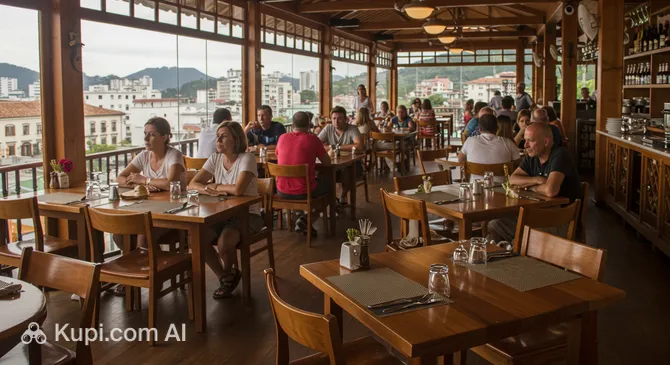
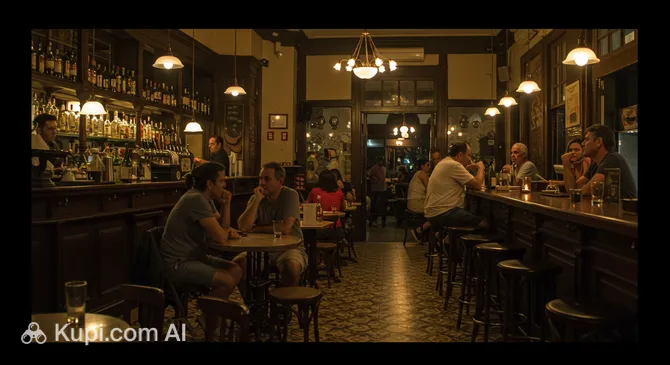
In the evening, it’s pleasant to drop into a classic Brazilian establishment, such as Mário's Cold Beer Mug. Here you can order a traditional caipirinha or a glass of ice-cold beer, which perfectly complement churrasco (grilled meat) or light crab appetizers. The food culture in the city is simple and straightforward: the emphasis is on the quality of ingredients and good company.
Mario's Cold Mug. Illustration.
Source: Kupi.com AI
Traveler photos:
Travel Tips
A visit to Niterói will be very enjoyable if you keep a few important practical points from experienced travelers in mind. These tips will help you feel confident in the "City of Smiles."
Clothing and Accessories: Choose light clothing made of natural fabrics, as Niterói is quite humid. Bring comfortable shoes for walking along the waterfront and sunscreen. A type N power adapter will be useful, although many newer hotels have universal outlets.
Transport: Use ferries to get to Rio—it's more reliable than sitting in traffic on the bridge. For getting around the city, it's better to order an Uber; it's safer and more comfortable than crowded buses during rush hour.
Finance: The local currency is the Brazilian Real (BRL). Cards are accepted almost everywhere, even at beach stalls, but a small supply of cash is handy for markets or tips (usually 10% is already included in the bill at restaurants).
Safety: The city is considered safer than Rio, but standard precautions are a must. Avoid walking in deserted outskirts at night and keep your valuables in sight in crowded areas.
Communication: Portuguese is the primary language, and few people know English. Install an offline translator. A SIM card (Chip) can be bought at newsstands or the offices of carriers like Vivo or Claro.
Local Etiquette: Brazilians are very friendly. Greetings are often accompanied by a light hug or a kiss on the cheek. Don't hesitate to smile and say thank you—it’s appreciated here.
What to Avoid: Don't try to cross the Niterói Bridge during the morning rush hour heading toward Rio—you risk spending over an hour in traffic with no way to turn around.
Best Time for MAC: Visit the Museum of Contemporary Art on weekdays. On weekends, it gets very crowded with locals and tourists, which makes it hard to enjoy the architecture in peace.
Niterói is a city with a beautiful soul that will reveal its best side to you if you give it a little attention and respect its local rhythms.
Entertainment & Nightlife
The nightlife in Niterói is different from the boisterous fun of Rio de Janeiro. It is a city for those who prefer cozy bar hangouts and leisurely dinners with a sea view. Most activity after sunset is concentrated in the Centro and Icaraí districts, where locals gather to chat over a glass of cold beer or a cocktail.
For lovers of good food and a lively atmosphere, On Fire American BBQ is an excellent choice, serving great grilled meats. If you want to feel the true local vibe, stop by Bar Boa Praça—a popular meeting spot with a friendly mood and pleasant music.
On Fire American BBQ. Illustration.
Source: Kupi.com AI
Traveler photos:
During the day, entertainment shifts to beaches like Itacoatiara, where surfers and young people gather. In the summer months, from December to February, the city comes alive in anticipation of Carnival: you can find dance school rehearsals in the streets. For larger parties and nightclubs, Niterói residents usually head to neighboring Rio, as the ferry and bridge make it quite easy to get there.
Parks & Museums
The green spaces and cultural institutions of Niterói are the main reasons tourists from neighboring Rio visit. The absolute leader is the Museum of Contemporary Art (MAC), where avant-garde exhibitions sit alongside stunning views of Guanabara Bay. It’s not just a museum but a work of art in itself, a must-visit for any lover of beauty.
For those who prefer the outdoors, City Park (Parque da Cidade) will be a real discovery. Perched on a hilltop, it offers the best viewpoints in the region. Here you can not only have a picnic but also play sports or even go paragliding, watching as the sun sets behind the horizon, painting Rio in golden tones.
Another notable space is the "Niemeyer Way" (Caminho Niemeyer). This large waterfront area serves as both an open-air museum and a place for a stroll. While the city cannot boast vast forests in its center, its coastal parks and historic forts more than make up for it, offering a harmonious blend of history, architecture, and the ocean breeze.
Getting Around
The transport system in Niterói is well-developed and makes it easy to move between districts. The backbone of city transport is the TUN bus network. This is a reliable and budget-friendly way to get around, though keep in mind that during the morning and evening rush hours (7:00–9:00 AM and 5:00–7:00 PM), they can be very crowded as many residents work in neighboring Rio.
For a fast and comfortable trip around the city or to the airport, it’s best to use the Uber app or licensed taxis. This is especially relevant in the evening. If your goal is to reach central Rio, the ferry remains the most efficient method. It allows you to avoid bridge traffic and provides a pleasant sea crossing.
Payment on buses is usually made in cash or with special transit cards. Cycling infrastructure is still developing, so bikes aren't always a practical choice for tourists. Given the compactness of Niterói's central districts, many attractions like the Museum of Contemporary Art and the waterfronts can easily be explored on foot while enjoying the sea air.
Accommodation
The hotel options in Niterói are primarily geared toward those who value comfort and proximity to business centers or major architectural landmarks. Unlike neighboring Rio, there are fewer massive resort complexes, but more cozy city hotels and apartments suitable for longer stays.
The most popular areas to find accommodation are Icaraí and São Domingos. Here, you will be within walking distance of the Museum of Contemporary Art and the well-maintained waterfronts. The city center offers more budget-friendly options, but it can be quite noisy due to heavy traffic and proximity to port areas.
Since Niterói is often seen as a suburb of Rio, there aren't many hotels, and they fill up quickly. We recommend booking in advance, especially if your visit coincides with major holidays or the summer season. Most travelers choose Niterói for its safety and tranquility, preferring to return here after a busy day in the noisy metropolis across the bay.
Nearby Cities
Niterói is an excellent starting point for exploring the state of Rio de Janeiro. Just a few kilometers across Guanabara Bay lies the dazzling Rio de Janeiro. A short ferry or car ride is all it takes to find yourself at the foot of the Christ the Redeemer statue or on the sands of Copacabana. This is the number-one destination for any tourist staying in Niterói.
If you're looking for a more relaxed and bohemian atmosphere, check out the Santa Teresa neighborhood in Rio, which is easily accessible for a day trip. Also nearby are major industrial and residential hubs like São Gonçalo and Duque de Caxias, though they are less focused on traditional tourism and more suitable for business visits.
The city's surroundings offer a rich variety, from natural parks to historical forts. Don't miss the chance to explore the coastal zone, which connects the state's cities into a single necklace of Atlantic beauty. Each such trip will give you a new perspective on the culture and daily life of modern Brazil.
Shopping & Souvenirs
Shopping in Niterói is primarily about convenience and accessibility. The city offers good opportunities for shopping in modern malls, where prices are often lower than in the tourist districts of Rio. Most shopping activity is concentrated in the city center and the Icaraí district, which host both well-known brand boutiques and local designer shops.
One of the main places for quality shopping and relaxation is the Plaza Shopping Expansion. Here you will find a huge selection of clothing, electronics, and cosmetics, and an excellent food court will help you recharge after your strolls. Another popular spot is Icaraí Shopping Mall, which attracts residents with its convenient location and cozy atmosphere.
Food Court - Plaza Expansion Shopping. Illustration.
Source: Kupi.com AI
Traveler photos:
For souvenirs from Niterói, it's worth picking up items related to its main architectural star—Oscar Niemeyer. The shops at the Museum of Contemporary Art offer stylish posters, miniatures, and books. Typical Brazilian products—coffee, cachaça, and vibrant beachwear—are also widely available in the city center shops. Stores usually operate from 9:00 AM to 7:00–8:00 PM on weekdays, and large shopping centers are open until late in the evening.