Support

Santa Cruz

About

Santa Cruz is not just a district, but a true historical corner located in the western part of the vast and multifaceted Rio de Janeiro, Brazil. It possesses a special atmosphere where a rich past is harmoniously interwoven with dynamic modern life, offering travelers a unique look at the history and culture of this region.

Geographically, Santa Cruz occupies a significant territory and is characterized by a tropical climate typical of Rio de Janeiro: hot and humid summers and milder, more pleasant winters. According to available data, the population of this part of the city is about 35,000 people, making it one of the notable residential and historical districts of the metropolis.
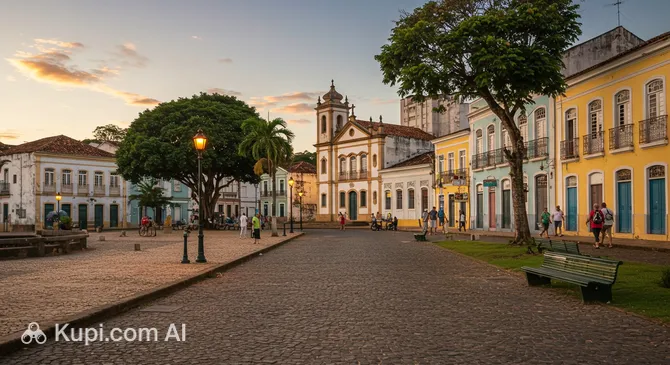
Santa Cruz. Illustration.
Source: Kupi.com AI

The crown jewel of Santa Cruz is its rich historical heritage. This land once belonged to the Jesuits and later became an important imperial estate. It was here that the Santa Cruz Imperial Palace (Palácio Imperial de Santa Cruz) was located, serving as the summer residence of the Brazilian imperial family and witnessing many significant events. Another important attraction is the Jesuit Bridge (Ponte dos Jesuítas) – an ancient engineering structure from the colonial era, impressive for its architecture and history. A walk through the district will also allow you to immerse yourself in an authentic atmosphere, see local markets, and feel the true spirit of Rio away from the popular tourist routes.

Santa Cruz is a wonderful opportunity for those who want to get to know the history of Rio de Janeiro and the entire country more deeply, seeing another, no less interesting side of this famous city. It is a place where every stone breathes history, inviting you on a fascinating walk through time.

You can find more interesting facts on the Santa Cruz city history page.

Weather Overview

Santa Cruz offers its guests a predominantly warm climate throughout the year, making it an attractive travel destination. Understanding the seasonal features will help you plan your trip better.

In Santa Cruz, a warm climate awaits you year-round. Summer months, especially from December to March, are characterized by an average temperature of about 26-27°C and high humidity, with rainfall of 6-7 mm and about 19-21 rainy days. The winter period, from June to August, brings drier and slightly cooler weather with average temperatures around 21°C (minimum temperatures can drop to 16-17°C) and minimal rainfall (1-2 mm), with the number of rainy days decreasing to 6-8 per month.

For the most up-to-date and detailed information on weather conditions, including forecasts for the coming days, we recommend visiting the Santa Cruz Climate page.

Average monthly temperature

Average monthly precipitation

Interesting Facts

Santa Cruz is not just another district in Brazil; it is a place with a rich history and many interesting features that not everyone knows about. Ready to learn some curious facts about this corner of Rio de Janeiro?

  • Imperial Past: Did you know that Santa Cruz was once a favorite vacation spot for the Brazilian imperial family? The famous Santa Cruz Imperial Farm (Fazenda Imperial de Santa Cruz) was located here, where monarchs, including Emperor Pedro II, spent time and even engaged in agricultural experiments.

  • Origin of the Name: The district owes its name to the Jesuits. In the 17th century, they erected a large wooden cross on this land (“Santa Cruz” means “Holy Cross” in Portuguese), which gave the name to the future district, symbolizing their missionary activity.

  • Cradle of Brazilian Aviation: Santa Cruz is home to one of Brazil's oldest and most significant air bases – the Santa Cruz Air Force Base. It was here that Brazilian military aviation was born in the 1910s, and the first flights that became iconic for the country's history were made from here.

  • Unique Jesuit Bridge: One of the district's hidden gems is the Jesuit Bridge (Ponte dos Jesuítas). Built in the 18th century, it originally served not so much as a bridge but as a dam to control tides and irrigate vast plantations. It is decorated with bas-reliefs featuring astronomical symbols, the purpose of which is still debated by historians.

How to Get There

When planning a trip to this historical district of Rio de Janeiro, it is important to think through the logistics in advance. Since Santa Cruz is part of a huge metropolis, you can get here in various ways, combining air and ground transport. You can find all the details and consider all the ways to get to Santa Cruz on our dedicated page.

Santa Cruz itself does not have its own airport, so travelers usually fly into one of Rio de Janeiro's major air hubs. The most convenient option for international flights is Galeão - Antônio Carlos Jobim International Airport (IATA: GIG). It is located in the city of Rio de Janeiro, about 48 km from Santa Cruz. This is the main air port receiving flights from all over the world. A trip from here to Santa Cruz by taxi or transfer will take about 1 hour and 30 minutes, depending on traffic.

For domestic flights within Brazil, Santos Dumont Airport (IATA: SDU) is often used, which is also located in the city of Rio de Janeiro. The distance to Santa Cruz is about 53 km. The airport is famous for its picturesque location by Guanabara Bay. Travel time by car to the destination will be approximately 1 hour and 40 minutes.

For clarity, here is summary information on the main airports through which you can reach the region:

AirportPassenger trafficDistance
Galeão Antonio Carlos Jobim International Airport14.5 mln48 km
Santos Dumont Airport6.5 mln53 km
Angra dos Reis65 km
Marica Municipal Airport110 00087 km
Zona da Mata Regional Airport220 000165 km

Rail travel plays an important role in the region's transport system. Santa Cruz is the final station on one of the branches of the SuperVia commuter train system. This is one of the most budget-friendly and authentic ways to get here from the center of Rio de Janeiro (Central do Brasil station). The train ride allows you to avoid the metropolis's famous traffic jams and takes some time, but it provides an opportunity to see the life of the city from the inside.

Main Attractions

Santa Cruz, located in the state of Rio de Janeiro, boasts several remarkable sites that reflect its rich history and offer a variety of experiences for visitors. While it is not the most central tourist district, there are unique sites here that deserve the attention of travelers interested in the culture and heritage of Brazil.

One of the most prominent and recognizable attractions in Santa Cruz is, without a doubt, the Zeppelin Hangar (Hangar do Zeppelin). This monumental structure, built in the 1930s to service the famous German airships, including the "Hindenburg," is one of the few such hangars remaining in the world. Its massive size and unique construction serve as a reminder of a bygone era of aviation and attract fans of technical and aviation history. Visiting the hangar is an opportunity to touch an important stage in the development of global transportation.

Another iconic historical site is the Jesuit Bridge (Ponte dos Jesuítas). Built in 1752, this bridge-dam is an important example of colonial engineering. It was originally intended to regulate the flow of the Guandu River and drain land for the needs of the vast Jesuit estate. The bridge is decorated with pilasters and carved elements, including the coat of arms of the Order of Jesus. For tourists, this site is interesting for its historical value and as an example of the skillful work of past masters, allowing for a better understanding of the development of these lands.

For those traveling with family or simply looking for a place to relax in nature, the Leonel Brizola Children's City (Cidade das Crianças Leonel Brizola) is an excellent choice. This is a large recreational and educational park offering a variety of entertainment for children and adults. There are playgrounds, sports facilities, green areas for picnics and walks, and various cultural events are held here. The park is a popular vacation spot for locals and provides a pleasant way to spend time, especially on a sunny day.

Local Cuisine

The gastronomy of Santa Cruz is an exciting journey into the world of flavors of Brazil, where traditions and fresh local products create unique culinary experiences. Located in the state of Rio de Janeiro, the city offers guests a chance to taste both classic Brazilian dishes and local specialties, especially those prepared from the freshest seafood thanks to its proximity to the coast.

Be sure to try feijoada – the famous Brazilian dish of black beans with various types of meat, which is often served on Wednesdays and Saturdays. Another iconic dish, particularly popular in coastal areas, is moqueca, a fragrant fish or seafood stew simmered in coconut milk with dendê palm oil, tomatoes, and peppers. For an everyday lunch, many locals choose prato feito (literally "ready plate") – a hearty portion of rice, beans, meat or fish with salad and farofa. Of course, fresh fish and seafood, grilled or served as a stew, take pride of place on the menus of Santa Cruz restaurants.

Among the drinks, fresh juices from exotic fruits like passion fruit, mango, or acai are particularly popular. Refresh yourself with a glass of caldo de cana (sugar cane juice) or try the national carbonated drink guaraná. Among alcoholic beverages, one cannot overlook cachaça – Brazilian sugar cane rum, which is the base for the famous caipirinha cocktail (cachaça, lime, sugar, and ice). Local beer (cerveja) also complements any meal perfectly.

The dining culture in Santa Cruz encourages leisurely enjoyment of food in a friendly atmosphere. Locals and tourists often choose small family restaurants (restaurantes caseiros) that serve authentic home-cooked meals. Also popular are botecos – traditional bars where you can snack on various appetizers, such as pastéis (crispy fried turnovers with filling) or coxinhas (teardrop-shaped chicken croquettes), and have something refreshing to drink. Street food here is not just a quick snack but a part of the local culture, offering delicious and inexpensive options.

The gastronomic scene of Santa Cruz attracts tourists with its authenticity and emphasis on fresh, high-quality ingredients. Immersing yourself in the world of local flavors, from hearty feijoada to fragrant moqueca and refreshing caipirinha, will be one of the brightest impressions of your trip to this corner of Brazil.

Travel Tips

Welcome to Santa Cruz! To make your trip to this interesting district of Rio de Janeiro as comfortable and memorable as possible, we have prepared some practical tips. We hope they help you navigate better and enjoy every moment of your stay.

  1. Clothing and Essentials

    In Santa Cruz, as in all of Rio de Janeiro, a hot and humid climate prevails. Bring light, breathable clothing made of natural fabrics (cotton, linen). Don't forget your swimsuit, sunscreen, a hat, and sunglasses. Comfortable walking shoes are essential. If you plan to visit churches, choose more modest clothing that covers your shoulders and knees. Electrical outlets in Brazil are Type N (sometimes Type C is found), so you might need an adapter.

  2. Transport Nuances

    The main form of public transport in Santa Cruz, as in many parts of Rio, is buses. Local shuttle taxis (vans) may also be common. For trips to other parts of Rio de Janeiro, you can use the SuperVia rail system, which has a station in Santa Cruz. Ride-hailing apps like Uber or 99 also operate here and can be a convenient option. Car rental is possible, but keep in mind that traffic in Rio can be heavy, and parking can be difficult.

  3. Financial Matters

    The local currency is the Brazilian Real (BRL). You can exchange money at banks or exchange offices ("casas de câmbio"), but it's best to avoid exchanging at the airport due to less favorable rates. Credit and debit cards (Visa, MasterCard) are accepted in many places, but it's always useful to have some cash for small purchases. International cards usually work, but notify your bank of your trip in advance. ATMs (Caixa Eletrônico) are quite common. Tips in restaurants are often already included in the bill (about 10%); otherwise, they are at your discretion.

  4. Health and Safety

    Pharmacies ("Farmácia") are easy to find, and some operate 24/7 ("plantão"). If medical assistance is needed, tourists with good insurance are better off going to private clinics ("clínicas particulares"). Santa Cruz is a district of Rio de Janeiro, so general safety rules apply: be mindful of your belongings, avoid displaying valuables, and avoid walking in deserted places after dark. It's always beneficial to drink bottled water and use insect repellent.

  5. Language and Communication

    The official language is Portuguese. English is not very common, especially outside tourist zones. Learn a few basic phrases in Portuguese: "Olá" (Hello), "Obrigado/Obrigada" (Thank you - m/f), "Por favor" (Please), "Quanto custa?" (How much does it cost?), "Não falo português" (I don't speak Portuguese). This will significantly facilitate communication. A SIM card from a local operator (Claro, Vivo, TIM) can be purchased at official stores. Wi-Fi is available in hotels, cafes, and some public spaces.

  6. Local Etiquette

    Brazilians are known for their friendliness and openness. When meeting, it's customary to shake hands while maintaining eye contact. In informal settings, friends might hug or exchange kisses on the cheek. Punctuality here is a somewhat relative concept. Overall, locals are helpful and ready to assist if you ask a question.

  7. What to Avoid

    Try not to engage in discussions on sensitive political topics or safety issues unless a local person initiates the conversation. Also, keep in mind that the "OK" gesture (a ring with the thumb and index finger) can be perceived as offensive in Brazil.

  8. The Uniqueness of Santa Cruz

    Santa Cruz is one of Rio's oldest and largest districts by territory, with a rich history and industrial importance. It is located at a considerable distance from the famous beaches of Copacabana and Ipanema, providing an opportunity to see more authentic city life. Explore local markets, try food at "comida a quilo" (pay-by-weight restaurants), and be sure to visit historical sites like the Jesuit Bridge (Ponte dos Jesuítas) if you're interested in history.

We hope these tips make your stay in Santa Cruz even more pleasant and safe. Enjoy the hospitality of Brazil and the unique atmosphere of this corner of Rio de Janeiro!

Entertainment & Nightlife

When the sun sets over Santa Cruz, the city offers its own more local and authentic options for evening leisure. Unlike the bustling tourist centers of Brazil, the nightlife here has a calmer and more measured character, oriented mainly toward local residents. This is a great opportunity to immerse yourself in the daily atmosphere and relax with friends while feeling the true local flavor.

The heart of Santa Cruz nightlife beats to the rhythm of traditional Brazilian bars – “botequins” or “botecos”. Imagine ice-cold beer or a refreshing caipirinha, appetizing “petiscos” snacks, and friendly chatter to the sounds of live music – often samba or MPB (Música Popular Brasileira), especially on weekends. Many restaurants are also hospitably open until late evening, offering local cuisine in a cozy setting. If you are looking for classic nightclubs, there may not be as many here as in more touristy areas, but dance parties are often organized in some bars or open spaces during city festivals. You are sure to find several lively venues with good music; you just need to look around a bit or ask locals for advice.

The main points of evening activity are usually concentrated along the district's main streets or near central squares where locals traditionally gather. Look for venues with open terraces and music drifting out – this is a sure sign of a popular spot. The atmosphere in such bars and restaurants is usually very casual and friendly. There is typically no strict dress code; a comfortable casual style is welcomed. Most establishments come to life closer to 8:00 PM – 9:00 PM and stay open until midnight or 1:00 AM, especially on Fridays and Saturdays.

To catch the peak of the action, it is best to arrive at popular bars after 9:00 PM, especially on weekends. Average prices for drinks and food in Santa Cruz can be more pleasant than in central tourist zones. For getting around at night, the most convenient and safe option is to use taxis or ride-sharing apps. Public transport at night can run at significant intervals.

In terms of safety, standard precautions should be observed at night in Santa Cruz, as in any large city. Try to avoid poorly lit and deserted streets, especially if you are alone. Do not openly display valuables. It is safest to call a taxi through trusted apps or ask the staff of the establishment where you are relaxing to do so.

During the day, Santa Cruz also offers some leisure opportunities. While the district is not famous for an abundance of world-renowned attractions, you can find local parks for quiet walks and outdoor relaxation. The cultural program might include visiting small churches or exploring local architecture that reflects the history of this corner of Rio de Janeiro. To visit major theaters, museums, or large amusement parks, you will likely need to travel to other, more central districts of the metropolis.

Parks & Museums

Santa Cruz, one of the significant historical districts of Rio de Janeiro, offers its guests not only a fascinating plunge into a rich past but also the opportunity to relax in green corners and get acquainted with the original local culture.

Although Santa Cruz is primarily a densely populated district with a rich history, you can find places for outdoor recreation here. Small urban squares and well-kept plazas offer a pleasant respite from the city bustle. For those looking for larger natural spaces, it is worth looking at the surroundings of the district. For example, proximity to natural areas such as parts of the Pedra Branca State Park can provide opportunities for hiking and discovering the unique flora and fauna of the Atlantic Forest.

The cultural heritage of Santa Cruz is carefully preserved and presented in various forms. An important role in this is played by the Santa Cruz Ecomuseum. This institution is dedicated to the history of the district, its economic and social development, as well as its significance in the context of the history of all of Rio de Janeiro. The museum's exhibitions often cover the period from colonial times to the present, telling the story of the life and everyday routines of local residents.

In addition to traditional museums, the district itself can be considered a kind of open-air museum due to the abundance of historical monuments. One of the most prominent and recognizable symbols of Santa Cruz is the Jesuit Bridge (Ponte dos Jesuítas). This impressive 18th-century structure, decorated with bas-reliefs, is a unique example of colonial engineering and art. A walk to the bridge will allow you to touch history and appreciate the craftsmanship of past builders.

One cannot ignore the heritage of Brazil's imperial period. The famous Santa Cruz Farm (Fazenda Santa Cruz) was located in Santa Cruz, a former imperial residence and a large agricultural center. Although other institutions may be located on its territory today, the historical significance of this place is enormous, and the preserved architectural elements and the atmosphere itself remind us of its glorious past. Also in the area, you can find old churches and other buildings that preserve the spirit of past eras.

For more authentic impressions and an introduction to the daily life of Santa Cruz, we recommend taking a stroll through its lively streets and looking into the local markets. Here you can feel the true atmosphere of the district, observe the daily life of the citizens, and perhaps try traditional local dishes or purchase interesting souvenirs.

Getting Around

The main form of public transport in Santa Cruz remains buses. They provide connections both within the district itself and with nearby settlements, allowing you to reach most key points. The frequency and coverage of routes can vary depending on the direction and time of day.

An important addition to the bus network is the SuperVia commuter train system. This railway line (the Santa Cruz branch) plays a key role in connecting Santa Cruz with central districts of Rio de Janeiro and other parts of the large metropolis. The SuperVia station in Santa Cruz serves as an important transport hub for those planning trips beyond the immediate surroundings of the district.

For paying fares on Santa Cruz public transport, the most universal tool is the RioCard transport card (or similar cards valid in the Rio de Janeiro public transport system). It can be used both on buses and SuperVia trains. You can purchase and top up a RioCard at ticket offices at SuperVia stations, at vending and top-up machines, and at authorized points of sale. Cash payment is also possible: on buses – directly to the driver (it is advisable to have small change), and at railway stations – at ticket offices for single-trip tickets. The approximate fare on city buses is about 4-5 units of local currency, while a trip on a SuperVia train depends on the fare and distance, starting from about 5-7 units of local currency for trips to central districts.

To board the desired bus, it is customary to signal the driver with your hand. You can try to find bus schedules and routes at stops or online, but a more reliable way is to check the information with locals or use the official Rio de Janeiro transport apps. SuperVia trains run according to a schedule available at stations and on the company's official website. Public transport usually starts operating early in the morning and finishes in the evening; on weekends and holidays, the intervals between services may be increased.

In addition to buses and trains, you can use taxi services to get around Santa Cruz. They can be found at designated stands or called by phone. Ride-hailing mobile apps (such as Uber and local equivalents) are also widely used and can be a convenient and often cost-predictable alternative, especially for trips with luggage or in a small group.

Another option includes route taxis (minibuses or "vans"), which often follow popular routes and may have a more flexible schedule. For leisurely short-distance walks around Santa Cruz itself, provided there is suitable infrastructure, a bicycle could be considered; however, organized bike-sharing systems may not be as widely available here as in Rio's tourist zones. When planning trips during peak hours, especially on weekdays, be prepared for heavier passenger traffic on both buses and trains.

Accommodation

In Santa Cruz, travelers will find various accommodation options to suit different needs and budgets. The city offers a choice from economical guesthouses and traditional Brazilian pousadas (small private inns) to more standard hotels and apartments for short or long-term rental. This allows every tourist to find the best option for a comfortable stay.

When choosing a place to stay in Santa Cruz, it is worth considering options in the central part of the city, where the main infrastructure, shops, and cafes are usually concentrated, making it convenient to start exploring local attractions. Areas with easy access to key transport hubs can also be a good choice, which is especially relevant if you plan to travel around the surrounding area. While the selection of world-class luxury hotels here may be limited, the city offers many cozy and functional places to stay. In Santa Cruz, you can find hotels offering a standard range of services as well as more authentic options, such as family-run pousadas, which are often characterized by a hospitable atmosphere. If specific hotels or resorts are mentioned in the attraction data for the city, they may serve as good examples of available housing.

The price range for accommodation in Santa Cruz varies from budget offers to mid-range options. The cost of living will depend on the level of comfort, chosen location, and, of course, the season. To guarantee the best selection and prices, especially if your trip coincides with the peak tourist season or local holidays, it is recommended to book accommodation in advance. For searching and booking, it is convenient to use popular online platforms that allow you to compare various options and reviews, or consider the possibility of direct booking at your chosen hotel or pousada.

Nearby Cities

For those who want to explore the surrounding area, Santa Cruz serves as an excellent starting point for day trips to several interesting nearby locations:

CityPopulationDistance
Natividade do Carangola15 0826 km
Seropedica82 89219 km
Japeri95 49231 km
Guadalupe10 26832 km
Paracambi47 12435 km

These nearby destinations provide a glimpse into the diverse culture and landscapes of the region.

Shopping & Souvenirs

Shopping in Santa Cruz allows you to get acquainted with local trade and purchase authentic Brazilian goods. Although the city is not a major world-class shopping center, you can find interesting souvenirs, daily necessities, and feel the flavor of local life through its shops and markets.

The main retail outlets in Santa Cruz are generally concentrated along the central streets. Strolling along them, you will find small shops for clothing, shoes, household goods, pharmacies, and, of course, souvenir shops. This is where the daily commercial life of the city hums, offering both goods for locals and something interesting for tourists.

In Santa Cruz, you are unlikely to find the giant modern shopping malls common in metropolises. However, the city may have small shopping centers or galleries that bring several shops under one roof. They can offer a decent selection of goods and become a convenient place for comprehensive purchases.

Special attention should be paid to local markets if any are operating during your stay. These can be grocery markets where you can buy fresh exotic fruits, vegetables, and local delicacies, as well as craft fairs offering handmade items and original souvenirs. Visiting a market is an excellent way to immerse yourself in the authentic atmosphere of the city and find something unique.

From Santa Cruz, as from Brazil as a whole, you can bring back many interesting souvenirs. Pay attention to the products of local artisans – these can be ceramics, carved wooden figures, colorful textiles, or woven items. Popular items include famous Brazilian coffee, cachaça (a traditional strong drink made from sugar cane), as well as bright beach accessories such as sarongs and flip-flops. Don't forget the comfortable hammocks – a symbol of the relaxed Brazilian lifestyle.

Shops in Santa Cruz typically operate from Monday to Friday, from about 9:00 AM – 10:00 AM to 6:00 PM – 7:00 PM; some may close for a lunch break. On Saturdays, opening hours are often reduced (for example, until lunch or early evening), and on Sundays, most shops, except for some grocery stalls and souvenir shops in tourist areas, will likely be closed. Large stores and supermarkets usually accept international credit cards; however, in markets and small private shops, it is better to have cash on hand – Brazilian reals (BRL).

Regarding the Tax Free refund system, it is not as widespread or simple for tourists to use in Brazil as in some European or Asian countries, especially when buying everyday goods. Therefore, you should not rely heavily on a VAT refund for most purchases made in Santa Cruz.

Reached the end of the page?

That means the route is fully explored