Support

Tuol Sleng Genocide Museum

About

The Tuol Sleng Genocide Museum is an iconic historical site located in Phnom Penh, the capital of Cambodia. This museum holds immense significance not only for the country but for the entire world, serving as a stark reminder of tragic events from the past and calling for reflection on the value of human life and peace.
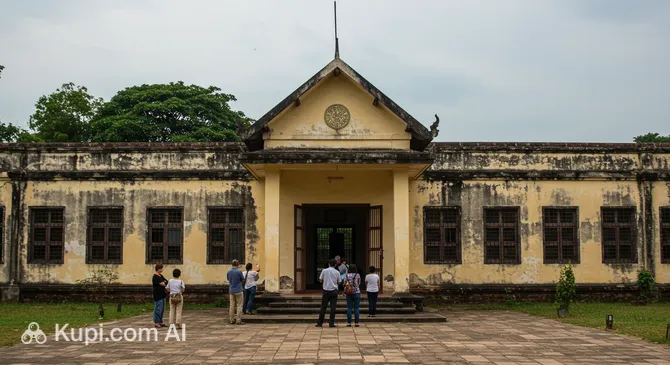
Tuol Sleng Genocide Museum. Illustration.
Source: Kupi.com AI

Traveler photos:

Founded in 1980, the museum is housed in the buildings of a former school that was converted into Security Prison S-21 in the late 1970s. This location became one of the primary centers for detention and interrogation during the Khmer Rouge regime. Today, Tuol Sleng preserves evidence of those dark times, offering visitors the opportunity to learn more about this complex chapter of Cambodia's history.

A visit to the Tuol Sleng Genocide Museum is a deeply moving experience. The exhibits include photographs of prisoners, prison cells, torture implements, and other artifacts that tell the stories of the thousands of people who passed through this site. The museum performs an important educational function, striving to prevent the recurrence of such tragedies in the future.

Despite the heavy subject matter, Tuol Sleng is an integral part of understanding modern Cambodia and its path toward healing. It is a place of memory, mourning, and ultimately, hope that the lessons of history will be learned. A visit to the museum leaves a lasting impression and encourages reflection on the importance of human rights and peace.

Contacts

For the most up-to-date information on opening hours, ticket prices, and special events at the Tuol Sleng Genocide Museum, it is recommended to visit the official website. You can also find additional details about the exhibitions and the history of this important memorial complex there.

How to contactContact
AddressSt 113, Phnom Penh 12304, Cambodia
Phone number+855 77 252 121
Websitetuolsleng.gov.kh

What to Do

At the Tuol Sleng Genocide Museum, visitors primarily engage with the exhibits that tell the tragic story of this site. For a deeper immersion and independent exploration of the grounds, it is recommended to use an audio guide. Although an audio guide in Russian may not be available, it is offered in several other languages and allows you to receive detailed information about each exhibit, reflecting on what you see at your own pace.

The main activity here is studying the materials presented: photographs, documents, and preserved rooms that testify to the events of the past. A visit to the museum is an opportunity to learn about a difficult period in Cambodia's history. Many visitors note that it is an emotionally challenging experience, but at the same time, it is considered essential for understanding the country's historical processes.

To ensure a quieter experience, it is recommended to arrive at the museum early in the morning, around 8:00 AM, right after it opens. This will allow you to avoid the large crowds of tour groups and school children who typically begin arriving after 8:30 AM, giving you more time and space for a thoughtful exploration of the exhibition.

Getting There

The Tuol Sleng Genocide Museum is located directly in Phnom Penh, the capital of Cambodia, making it relatively accessible to visit. The most common and convenient way to reach the museum from anywhere in the city is by taxi or the colorful local transport known as a tuk-tuk. A tuk-tuk ride can be a small adventure in itself and allows you to better experience the city's atmosphere.

Since the museum is one of the key historical sites in Phnom Penh, taxi and tuk-tuk drivers are well aware of its location. Simply say "Tuol Sleng" or "S-21 Museum," and they will take you to your destination without any trouble. It is recommended to agree on the fare in advance, especially when using a tuk-tuk, to avoid any misunderstandings.

For those who prefer a more organized approach to exploring the sights, there are numerous guided tours available. Often, a visit to the Tuol Sleng Genocide Museum is included in broader programs covering other significant historical sites in Phnom Penh. These tours can be booked in advance through various travel agencies or online services, which can be a convenient option if you want a comprehensive overview of the city's history accompanied by a guide.

Nearest city: Phnom Penh

History & Facts

The building that houses the Tuol Sleng Genocide Museum today has a complex and tragic history. Originally a school, it was converted into Security Prison S-21 between 1975 and 1979, becoming one of the symbols of a dark period in Cambodia's history. The commandant of this facility, also known as Tuol Sleng, was Kang Kek Iew.

The events starting April 17, 1975, marked the beginning of a tragic chapter in the country's history. According to historical sources, approximately 20,000 people passed through S-21 during its operation. These figures speak volumes about the scale of the tragedy, the memory of which is carefully preserved within the museum's walls.

The museum itself was established in 1980. Its main goal is not only to preserve the memory of the victims and the horrors of the past but also to serve as a reminder for future generations, helping to prevent such events from occurring again. Today, the Tuol Sleng Genocide Museum is one of the most visited and significant memorial complexes in Phnom Penh. For many tourists seeking a deeper understanding of Cambodia's history, visiting it is an essential part of their journey.

Time Needed

To thoughtfully and without haste explore the exhibits of the Tuol Sleng Genocide Museum, it is recommended to set aside approximately 2 hours. This time is usually sufficient to see all available buildings and exhibitions, as well as use an audio guide, which provides detailed information and context for what you see. The audio guide is an important part of the visit, as it helps to gain a deeper understanding of the history of this place and the lives of the people connected to it.

When planning your visit, keep in mind that visiting the Tuol Sleng Genocide Museum can be emotionally intense. Some visitors prefer to spend more time here for contemplation and reflection, while others may need less time. It's important to listen to your own feelings and not rush if you feel the need to linger at any exhibit or simply sit in silence.

It's also helpful to know that there may be no place to buy water on the museum grounds, so it's recommended to bring some with you, especially in hot weather. This will make you feel more comfortable during the tour, which requires concentration and attention to detail.

Working Hours

The Tuol Sleng Genocide Museum opens its doors to visitors daily at 8:00 AM. To avoid the large influx of tour groups, which usually arrive after 8:30 AM, it is recommended to come right at opening. This will allow you to explore the exhibition in a calmer atmosphere.

The exact closing time of the museum is not specified in the provided sources. Therefore, it is strongly recommended to check the current opening hours and whether ticket pre-booking is required on the official Tuol Sleng Genocide Museum website or at local tourist information centers just before your visit to Phnom Penh. Generally, such memorial complexes are open year-round, but it's always best to verify this information in advance.

8:00 – 17:00

Nearby

A visit to the Tuol Sleng Genocide Museum leaves a deep and lasting impression. To change the pace and complement your understanding of Phnom Penh, it's worth exploring other nearby attractions. This will allow you to see different facets of the city, from its daily life to cultural and entertainment centers.

The surroundings of the museum offer a variety of options to continue your day. You can find places for relaxation, shopping, or learning about other aspects of Khmer culture, which will help balance your emotions after visiting such a significant memorial.

NameDistance
Rambutan Resort0.7 km
HighGround Sky Bar0.9 km
Olympic Market0.9 km
Sacred Lotus1 km
Wild Phnom Penh1.3 km
Bassac Lane1.4 km
Independence Monument1.4 km

Have you reached the end of the page?

So the route has been studied inside and out