Support

Coral Harbour

About

Coral Harbour, also known as Salliq in Inuktitut, is a fascinating northern community located on Southampton Island in the Kivalliq Region of Nunavut. This unique settlement stands out as the only community on the island, offering visitors a rare glimpse into the serene and rugged beauty of the Arctic. As part of the vast wilderness of Canada, it serves as a gateway to the northern waters of Hudson Bay, celebrated for its rich marine life and welcoming atmosphere.

The community is aptly named after the fossilized coral found in the waters near the town, a geological curiosity that hints at a warmer prehistoric era. With a small population of approximately 1,000 residents, Coral Harbour maintains a close-knit, friendly vibe where traditional Inuit culture thrives alongside modern life. The climate here is distinctly Arctic, yet the summer months bring a burst of life to the tundra, making it an ideal time for exploration.
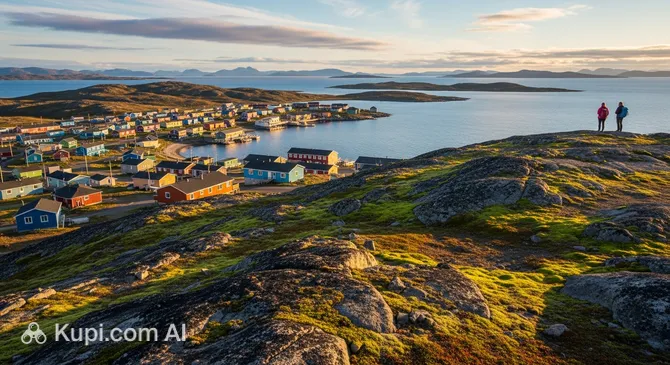
Coral Harbour. Source: Kupi.Binoculars

Exploring the history of Coral Harbour reveals a deep connection to the land and sea, from its roots as a seasonal hunting camp to its development as a permanent settlement. Visitors are often captivated by the opportunity to see the fossilized coral fragments that give the town its name, often found along the shoreline.

Nature enthusiasts will find plenty to admire, as the area is renowned for its exceptional wildlife viewing opportunities. The region is a habitat for large populations of walruses at nearby Walrus Island, as well as polar bears, caribou, and beluga whales. Additionally, the nearby East Bay Migratory Bird Sanctuary is a haven for birdwatchers, hosting thousands of snow geese and other migratory species during the warmer season.

For those seeking an authentic Arctic adventure far from the beaten path, Coral Harbour offers an unforgettable experience. Whether you are interested in wildlife photography, cultural immersion, or simply witnessing the raw beauty of the North, this welcoming community invites you to discover its wonders.

Weather Overview

The climate in Coral Harbour is distinctly Arctic, characterized by long, frigid winters and short, cool summers. Travelers should be prepared for extreme cold during the winter months, particularly in February, when average temperatures drop to around -29.9°C. In contrast, the summer season offers a brief but pleasant respite, with July bringing the warmest weather and average temperatures reaching 10.2°C.

Precipitation remains relatively low year-round, rarely exceeding a few millimeters per month, though the number of wet days increases slightly in the autumn. Generally, you can expect cool summers with occasional light moisture and very cold, dry winters. For a more comprehensive forecast to help you pack the right gear, be sure to check the current weather in Coral Harbour before your trip.

Interesting Facts

Beyond the main attractions, Coral Harbour holds many fascinating secrets that reveal the deep history and unique geology of this Arctic outpost. From ancient geological puzzles to the echoes of lost cultures, there is much more to this community than meets the eye.

  • A Tropical Past in the Arctic: The fossilized coral that gives the town its English name serves as evidence that this frozen landscape was once covered by a warm, tropical sea. Unlike the granite rock of the Canadian Shield common in the rest of the territory, Southampton Island is primarily composed of limestone, which has perfectly preserved these prehistoric marine treasures for millions of years.

  • The Sadlermiut People: Before the current community was established, the island was home to the Sadlermiut, a distinct Inuit culture that lived in isolation for centuries. They had unique dress, dialect, and building traditions, such as constructing dwellings from limestone slabs. While the original Sadlermiut tragically disappeared in the early 20th century, their archaeological sites remain a profound part of the island's heritage.

  • Meaning of Salliq: The local Inuktitut name for the community, Salliq, translates to "flat island" or "the island in front of the mainland." This name perfectly captures the local topography, which contrasts sharply with the mountainous terrain of nearby Baffin Island, offering visitors vast, uninterrupted views of the horizon and the northern lights.

How to Get There

Reaching the remote community of Coral Harbour is an exciting part of the Arctic experience. Located on Southampton Island in Nunavut, the settlement is not connected to the mainland by road or rail, making air travel the primary and most practical means of entry. For those planning their journey, you can find all ways to reach the city and detailed travel logistics on our dedicated page.

The main gateway for visitors is the Coral Harbour Airport (IATA: YZS), situated roughly 11 kilometers from the town center. Most travelers begin their journey from major southern hubs like Winnipeg or Ottawa, connecting through regional centers such as Rankin Inlet before hopping on a flight to the island. Carriers like Calm Air and Canadian North typically service this route. Once you land, the transfer to the community takes approximately 15 to 20 minutes by vehicle. It is advisable to arrange local transport or a pickup with your accommodation in advance.

Since there are no railway stations or highways leading to Coral Harbour, alternative methods of arrival are rare and mostly limited to seasonal sealift resupply ships or expedition cruise vessels that occasionally visit during the ice-free summer months. For the vast majority of tourists, the flight into the local airport offers the first breathtaking glimpse of the island's rugged terrain.

Main Attractions

Fossil Creek is a must-visit location that gives the community its English name. Situated just a short distance from the airport, this ancient creek bed is famous for its abundance of fossilized coral and marine shells, which date back approximately 450 million years. Visitors can easily walk along the creek to spot these prehistoric treasures preserved in the limestone, and in the summer, the area becomes a popular spot for locals to swim and picnic in the clear, refreshing waters.

For those interested in history and culture, Native Point (Tunirmiut) offers a profound glimpse into the region's past. Located about 64 kilometers southeast of the town, this is the largest archaeological site on Southampton Island and was once the main settlement of the Sadlermiut people. Often referred to as the "Lost City of the North," the site features the remains of semi-subterranean sod houses and animal bone middens, providing a hauntingly beautiful connection to the distinct culture that thrived here until the early 20th century.

Nature lovers should not miss the stunning Kirchoffer Falls, located roughly 24 kilometers from the settlement. A bridge across the Kirchoffer River makes this scenic spot accessible by vehicle or ATV, leading to a dramatic 25-foot waterfall that cascades through the rugged tundra landscape. It is an exceptional location for photography, hiking, and fishing for Arctic char, offering a peaceful retreat where the sound of rushing water breaks the silence of the vast Arctic plains.

For a true wildlife adventure, a boat tour to Coats Island is an unforgettable experience. Situated south of Coral Harbour, this island is a sanctuary for large herds of walruses that can often be seen basking on the rocky shores. The area is also a prime location for spotting polar bears and seabird colonies, making it a top destination for photographers and naturalists seeking to observe Arctic wildlife in its undisturbed natural habitat.

Local Cuisine

The culinary experience in Coral Harbour is an immersion into the traditional diet of the Inuit, known locally as "country food." In this remote Arctic community, gastronomy is defined by the land and sea rather than commercial agriculture. For visitors, this offers a unique opportunity to taste ingredients that are harvested directly from the surrounding tundra and the icy waters of Hudson Bay, prepared in ways that have sustained the local population for millennia.

One of the most celebrated dishes to try is Arctic char. This cold-water fish is a staple of the local diet and is renowned for its rich, distinct flavor. You may find it served in various ways: boiled, dried (known as piffi), or eaten raw and frozen (quaq), which is a traditional method enjoyed by locals for its warming effect on the body. Another delicacy often shared during community feasts is maktaq, the skin and blubber of a whale (usually beluga or narwhal), which is prized for its high vitamin C content and unique texture.

For a comforting accompaniment to any meal, you must try bannock (palauga). This dense, pan-fried or baked bread is a beloved comfort food across Nunavut. It is often served warm with butter, jam, or alongside hearty stews made from caribou or muskox meat. These stews are simple yet flavorful, allowing the high-quality, organic taste of the wild game to shine through without heavy seasoning.

The dining scene in Coral Harbour is very different from southern cities. You will not find street food stalls, fast-food chains, or a wide variety of restaurants. Instead, dining is centered around the community and home cooking. Tourists typically eat at the dining rooms of local inns or hotels, which serve a mix of standard Canadian fare and traditional local dishes depending on availability. For those self-catering, the local Northern Store and Co-op provide groceries, though fresh produce can be expensive due to shipping costs.

When it comes to beverages, tea is the undisputed king of social drinks in the North. A hot cup of tea is the standard gesture of hospitality and is consumed throughout the day to stay warm. Regarding alcohol, it is important for travelers to note that Coral Harbour does not have bars or liquor stores. The focus here is on community gatherings, often accompanied by tea, coffee, and conversation, rather than nightlife.

Travel Tips

Visiting Coral Harbour offers a rare opportunity to experience the authentic lifestyle of the Canadian Arctic, but traveling to such a remote community requires careful preparation and a respect for the local environment. To help you navigate the unique logistics of Southampton Island and ensure a smooth journey, here are some essential practical tips to keep in mind before you pack your bags.

  1. Clothing and Gear: The weather in the Arctic is unpredictable and unforgiving. In winter, you need professional-grade cold-weather gear, including a heavy parka, insulated pants, and rated boots. In summer, the tundra can be wet and boggy, so waterproof rubber boots are essential for walking. Additionally, summer brings swarms of mosquitoes, so a high-quality bug jacket or head net is a must. Standard North American power outlets (Type A and B) are used, so bring adapters if coming from Europe.

  2. Transportation: There is no public transit, subway, or car rental agency in Coral Harbour. The community is small enough to navigate on foot, but locals primarily get around by ATV in the summer and snowmobile in the winter. For airport transfers, you must arrange transportation with your hotel or lodge in advance, as there are no designated taxi stands waiting for flights.

  3. Finances: The currency is the Canadian Dollar (CAD). While the local Northern Store and Co-op accept credit and debit cards, telecommunications outages can occur, rendering card machines useless. It is highly recommended to carry enough cash for your entire stay, especially if you plan to buy carvings or crafts from local artists. Be prepared for significantly higher prices on food and goods compared to southern Canada due to shipping costs.

  4. Health and Safety: There are no commercial pharmacies; basic over-the-counter meds can be bought at the general store, but you should bring all prescription medications with you. Medical care is provided by a local Health Centre staffed by nurses, with serious emergencies requiring an air ambulance evacuation to the south. Safety-wise, the biggest risk is wildlife; never leave the town limits to hike on the tundra without a local guide or armed escort due to the presence of polar bears.

  5. Communication: English is widely spoken and understood, but the primary language of the home is Inuktitut. Learning a simple greeting like "Ullaakkut" (Good morning) or "Qujannamiik" (Thank you) is deeply appreciated. Mobile coverage is available but limited (typically Bell or providers using their towers) and data speeds can be slow. Wi-Fi is available in hotels but is often satellite-based and may have bandwidth caps.

  6. Local Etiquette: The community is close-knit and friendly. It is customary to smile and wave at passersby. When entering a home, hotel, or even some public offices, it is polite and often required to remove your shoes at the door to avoid tracking in mud or snow. Patience is a virtue here; life moves at a relaxed pace often referred to as "Northern time," so avoid rushing service staff.

  7. What to Avoid: Do not photograph local residents, especially children, without explicitly asking for permission first. Also, avoid voicing complaints about the cost of groceries or supplies in public; locals are well aware of the high cost of living, and complaining can be seen as insensitive to their reality.

  8. Alcohol Restrictions: It is crucial to know that Coral Harbour is a community with strict alcohol regulations. There are no liquor stores or bars in town. If you wish to bring alcohol for personal consumption, check the current specific restrictions for the hamlet before you travel, as rules regarding importation can be strict and subject to change.

By packing the right gear and approaching your visit with an open mind and respectful attitude, you will find Coral Harbour to be an incredibly welcoming place. These preparations will allow you to focus less on logistics and more on the breathtaking landscapes and warm hospitality that make this Arctic community so special.

Entertainment & Nightlife

Travelers planning a trip to Coral Harbour should adjust their expectations regarding nightlife. This remote Arctic community does not have a "nightlife" in the traditional urban sense; there are no nightclubs, bars, pubs, or discos here. The town is quiet, and the sale of alcohol is restricted, meaning you will not find liquor stores or cocktail lounges. Instead, the evenings are defined by the peaceful atmosphere of the tundra, the warmth of community gatherings, and, depending on the season, spectacular natural phenomena.

For visitors, the "nightlife" is often provided by nature itself. During the long winter nights, Coral Harbour becomes a prime location for viewing the Northern Lights (Aurora Borealis). Without the light pollution of a city, the sky often dances with vibrant greens and purples. The best "venue" for this is simply stepping outside your lodge or taking a short, guided trip to a darker spot on the edge of town. Conversely, in the summer, the phenomenon of the Midnight Sun means the sun barely sets, allowing for hiking, photography, or wildlife watching well into the early morning hours.

Social life in the community revolves around the Community Hall rather than commercial entertainment venues. This is the heart of public gatherings, where events such as square dances, traditional Inuit games, and community feasts are occasionally held. Visitors are generally welcome to observe and participate in these cultural festivities, which offer a much more authentic experience than a typical night out. Another hub for interaction is the dining area of local accommodations like Leonie’s Place, where travelers and workers often gather over coffee or tea to swap stories about the day's adventures.

Regarding daytime and evening entertainment beyond nature, options are modest. There are no movie theaters, amusement parks, or large museums. However, you can visit the local Northern Store or the Co-op to see the daily rhythm of life and perhaps purchase supplies. Cultural entertainment often involves watching local artisans at work; Coral Harbour is famous for its limestone carvings, and you may be invited to watch a carver fashion a masterpiece in their home workshop or outside during the long summer evenings.

Safety is a critical consideration at night. The primary danger is not crime, but wildlife. Polar bears are a real threat and can wander into the community, especially after dark. It is strictly advised not to walk alone at night, particularly near the shoreline or the outskirts of town. There is no Uber or hailed taxi service; if you need to move around the hamlet after dark, you must arrange transportation in advance with your host or a local guide. Dress extremely warmly, as temperatures drop significantly at night, and always inform someone of your whereabouts.

Parks & Museums

In Coral Harbour, the concept of a "park" or "museum" differs significantly from what travelers might expect in southern cities. There are no manicured botanical gardens or large indoor exhibition halls here. Instead, the vast, untouched tundra of Southampton Island serves as a boundless natural playground, while the history and culture of the region are preserved directly on the land and within the homes of its residents.

For nature enthusiasts, the region is home to two significant protected areas that rival any national park in ecological importance. The East Bay Migratory Bird Sanctuary, located on the eastern side of the island, is a critical nesting ground for lesser snow geese and Ross's geese. Although it is remote and requires a boat or aircraft to reach, it offers an unparalleled opportunity to witness the sheer abundance of Arctic avian life in a pristine setting. Similarly, the Harry Gibbons Migratory Bird Sanctuary to the west protects the delta of the Boas River, providing a vital habitat for migratory birds and offering a raw, unfiltered look at the Arctic ecosystem.

Closer to the community, the area surrounding Fossil Creek functions as the town's informal recreational park. In the summer, this limestone-rich ravine is a popular spot for families to picnic, swim in the crystal-clear water, and explore the geological history of the area. It is a natural "garden" of sorts, where instead of flowers, visitors can admire fossilized coral structures that are millions of years old, resting right on the surface of the creek bed.

In terms of museums, Coral Harbour does not have a dedicated building housing artifacts behind glass. The most profound historical site is Native Point (Tunirmiut), which effectively serves as an open-air museum. Here, the stone foundations of the Sadlermiut people's dwellings remain visible on the landscape. Walking among these ruins offers a somber and powerful connection to the distinct Inuit culture that inhabited this isolated island for centuries, providing a history lesson that is far more atmospheric than a traditional exhibit.

Culturally, the town is renowned for its artistic heritage, particularly in limestone carving. Without a formal art gallery, the community itself fills the void. Many local artists display their work in their homes or sell directly to visitors. The hamlet office or the local Co-op and Northern Store often feature display cases showcasing intricate sculptures of walruses, bears, and hunters. Viewing these pieces is not just about appreciating art; it is a chance to engage with the creators and understand the stories and traditions woven into every carving.

For a truly authentic experience, ask around the community to see if any carvers are working outside their homes. Watching an artist transform a raw block of grey limestone into a polished masterpiece using simple tools is a highlight for many visitors. It is an intimate glimpse into the living culture of Canada's North that no static museum display can replicate.

Getting Around

Travelers arriving in Coral Harbour should be aware that the community does not possess a formal public transport system. There are no buses, metros, trams, or scheduled fixed-route services operating within the settlement. The infrastructure is designed for a small, remote population, meaning the standard urban conveniences of public commuting are replaced by private arrangements and a reliance on rugged, all-terrain vehicles suited to the Arctic environment.

Because there is no municipal transit network, there are no travel passes, transport cards, or mobile ticketing apps to download. Moving around is generally done on an ad-hoc basis. If you utilize the services of a local informal taxi or arrange a ride with a resident, the payment system is exclusively cash-based. Visitors are strongly advised to carry sufficient cash in small denominations, as drivers will not have card terminals, and finding change can sometimes be difficult.

For most tourists, the primary alternative to motorized transport is walking. The townsite is compact, and essential services like the Northern Store, the Co-op, and the post office are typically within walking distance of local accommodations. However, walking requires caution; in winter, extreme cold demands professional-grade clothing, while in summer, the gravel roads can be dusty. Most importantly, you should remain within the central area of the community for safety, as polar bears can occasionally venture near the outskirts.

The "special features" of local transport are defined by the seasons. In the winter months, the snowmobile is the undisputed king of the road, used by locals for everything from daily errands to long-distance travel across the tundra. During the short summer, the town transitions to All-Terrain Vehicles (ATVs) and pickup trucks. While there are no commercial car rental agencies or bike-sharing schemes, some lodges may be able to facilitate the rental of an ATV or organize a driver for day trips to nearby attractions.

Practical advice for arrival focuses entirely on pre-planning. There is no taxi stand at the airport, and the town is located approximately 11 kilometers away from the landing strip. It is critical to arrange your airport transfer with your hotel or lodge before you board your flight. Your accommodation host will typically meet you with a van or truck; failing to book this in advance may leave you stranded at the airport with no immediate way to reach the community.

Accommodation

Accommodation in Coral Harbour is limited and distinct from what you might find in larger southern cities. There are no sprawling luxury resorts, international hotel chains, or budget hostels here. Instead, visitors will find a small selection of cozy inns, bed and breakfasts, and community-run hotels that offer a warm, homely atmosphere. These establishments are designed to provide comfortable shelter from the Arctic elements, often serving as social hubs where travelers can meet locals and other adventurers.

Since the community is small and compact, location is rarely an issue; any accommodation you choose will be centrally located within the hamlet. Staying in town places you within walking distance of essential services like the Northern Store and the Co-op, and just a short drive from the airport. The primary appeal of these lodgings is their hospitality and the chance to experience authentic Northern living, often with meals prepared using local ingredients.

One of the most well-known places to stay is Leonie’s Place (also known as Leonie’s Place and Craft Shop). This establishment is a fixture in the community, offering a blend of hotel privacy and bed-and-breakfast charm. It typically features comfortable rooms with shared or private facilities and is famous for its welcoming environment where guests can purchase local Inuit crafts directly on-site. Another key option is the Katudgevik Hotel, which is part of the Inns North network. This co-operative run hotel is known for offering modern amenities, including en-suite kitchenettes and private bathrooms, making it a popular choice for business travelers and tourists seeking a bit more independence.

Booking Tip: Due to the very limited number of rooms available in the entire community, it is absolutely critical to book your accommodation well in advance. During the peak summer season or when government officials and contractors are visiting, the few available beds can fill up months ahead of time. Do not arrive without a confirmed reservation.

Regarding costs, travelers should anticipate prices in the mid-to-high range. The cost of operating in the remote Arctic drives up prices for all services, including lodging. Booking is rarely done through major global travel apps; instead, the most effective method is to contact the establishments directly via phone or email, or to book through the Inns North website for applicable properties.

Nearby Cities

In the vast expanse of Nunavut, the concept of a "neighbor" is defined by hundreds of kilometers of tundra and icy waters rather than a short drive down the highway. Coral Harbour is the sole community on Southampton Island, making it distinctively isolated even by Arctic standards. The nearest settlements are located across Hudson Bay on the mainland or on other distant islands, and with no connecting roads, these communities are accessible only by aircraft.

The closest regional hub is Rankin Inlet, which lies approximately 468 kilometers to the west and frequently serves as a transit point for travelers flying into Coral Harbour. Other significant communities, such as the territorial capital, Iqaluit, and the inland settlement of Baker Lake, are located even further afield. The following table outlines the nearest cities and towns, illustrating the immense scale of the region.

City Population Distance (km)
Rankin Inlet 2,800 468
Igloolik 1,700 587
Baker Lake 2,069 623
Arviat 3,300 652
Iqaluit 7,740 718

Shopping & Souvenirs

Shopping in Coral Harbour is a distinct experience that reflects the practical needs and artistic heritage of a remote Arctic community. Visitors should not expect bustling shopping districts, high-end fashion boutiques, or sprawling retail centers. Instead, commerce here is functional and community-oriented, focused on essential supplies for daily life in the North. However, for those seeking cultural treasures, the town is a hidden gem for authentic Inuit art, particularly carvings, which are often sold directly by the artists or through small local displays.

There are no designated shopping streets in the traditional sense. The commercial activity of the hamlet is concentrated in a few standalone buildings that serve as the lifeline for the residents. The two primary establishments are the Northern Store (NorthMart) and the Kissarvik Co-op. These are not just grocery stores; they are general retailers that stock everything from fresh produce and dry goods to winter clothing, hardware, snowmobiles, and ATVs. For a tourist, a visit to these stores offers a fascinating look at the logistics of northern living, where you can see the variety of goods shipped in by sealift or air cargo.

Travelers looking for shopping malls will not find any in Coral Harbour. The population of approximately 1,000 people does not support large-scale retail complexes. The Northern Store and the Co-op essentially function as the community's "malls," providing a one-stop-shop for almost every need. These stores are also social hubs where locals bump into neighbors and catch up on news, making them integral parts of the town's social fabric.

While there are no formal flea markets or souvenir bazaars, the art market is vibrant and personal. Much of the shopping for local crafts happens informally. Local artists often visit the hotels or lodges to display their work to guests, or you may be invited to a carver's home to view their latest pieces. This direct interaction allows you to meet the creator, hear the story behind the artwork, and ensure that 100% of the proceeds go directly to the artisan.

When it comes to souvenirs, Coral Harbour is renowned for its unique limestone carvings. Unlike other Inuit communities that primarily use soapstone or serpentine, artists here utilize the grey limestone found on Southampton Island. These carvings often depict local wildlife such as walruses, polar bears, and narwhals, and are prized for their distinct texture and realism. Other popular items include handmade Inuit clothing like mitts (pualuuks) or slippers (kamiks) made from sealskin or duffle, as well as jewelry crafted from walrus ivory or caribou antler. Note: If purchasing ivory or marine mammal products, be aware of international export regulations (CITES) if you plan to take them out of the country.

Opening hours for the main stores are generally consistent, typically operating from morning until early evening (e.g., 10:00 AM to 6:00 PM), though hours may be reduced on Sundays. Payment methods such as credit and debit cards are widely accepted at the Northern Store and Co-op. However, telecommunications in the Arctic can be temperamental. Internet and phone lines can go down due to weather or technical issues, rendering card machines useless. It is highly recommended to carry sufficient cash to cover your purchases, especially if you plan to buy art directly from locals, as they rarely accept cards.

Regarding taxes, visitors will find a financial advantage in Nunavut compared to many other parts of Canada. The territory does not have a Provincial Sales Tax (PST). Shoppers only pay the federal Goods and Services Tax (GST) of 5% on applicable items. This makes purchasing higher-value items, such as significant pieces of Inuit art, slightly more affordable than in provinces with harmonized sales taxes.

Reached the end of the page?

That means the route is fully explored