Support

Duncan

About

Duncan is a cozy and colorful city located in the heart of the picturesque Cowichan Valley on Vancouver Island. This place is often called a hidden gem of the region, where travelers can enjoy tranquility and that very authentic atmosphere for which Canada is so famous. The city is surrounded by green hills, dense forests, and clear lakes, offering ideal conditions for those who want to take a break from the hustle and bustle of metropolises and get closer to nature.

Geographically, Duncan is located just two hours away from Vancouver, including a scenic ferry crossing, making it a convenient destination to visit. Although the population of the city itself is about 6,000 people, the surrounding urban area has approximately 44,000 residents. A mild climate prevails here, perfect for long walks and outdoor activities almost all year round.
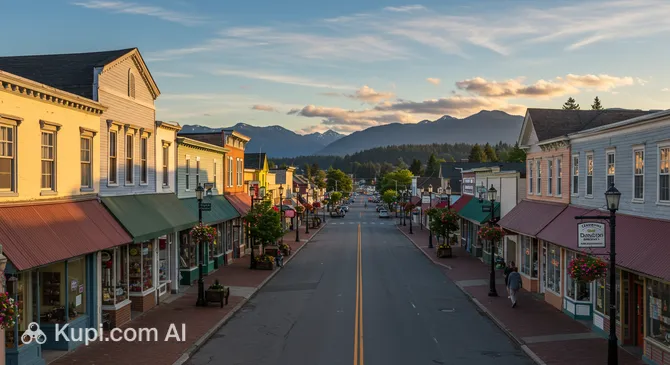
Duncan. Illustration.
Source: Kupi.com AI

The main highlight attracting tourists from all over the world is the impressive collection of totem poles, which earned Duncan the unofficial title of the "City of Totems." These works of art can be found literally everywhere: in parks, on squares, and along the streets. Duncan's history is closely intertwined with the traditions of indigenous peoples, and the city proudly showcases this rich cultural heritage, turning an ordinary walk into a fascinating open-air tour.

Duncan is worth visiting for its unique charm, the hospitality of the locals, and the opportunity to combine cultural leisure with outdoor recreation. It is a wonderful destination for those seeking inspiration, lovers of cycling routes, or those who simply want to recharge in a peaceful, almost family-like setting.
Weather Overview

Duncan's climate can be described as mild and temperate, making the city pleasant to visit if you prepare correctly for the specifics of each season. There is no extreme heat or severe frost here, which ensures that travel throughout the Cowichan Valley remains comfortable year-round. Expect warm summers with rare precipitation and cool, damp winters.

The summer months, especially July and August, are considered the best time to visit: the average daytime temperature reaches a comfortable 24–25°C, and rain is very rare—only about 5 days per month. In winter, the picture changes: in December and January, the thermometer stays around +3...+4°C, but the number of rainy days increases to 20. Snow falls infrequently and usually melts quickly.

Spring and autumn are refreshing, with the air gradually warming from 8°C in April to 16°C in September. To ensure your trip goes as smoothly as possible, we recommend checking the detailed weather in Duncan in advance and bringing an umbrella or raincoat if you plan to visit between November and March.

Average monthly temperature

Average monthly precipitation

Interesting Facts

In addition to its main attractions, Duncan holds many fascinating secrets and historical details that make it unique. Here are a few facts that will help you look at this city from a new perspective:
  • Duncan officially bears the proud title "City of Totems," and it's not just a catchy slogan. The city's streets host the world's largest urban collection of totem poles—there are more than 80 of them here. Each pole is an authentic work of art created by First Nations masters and tells its own mythological story.

  • The city is named after Scottish prospector and entrepreneur William Chalmers Duncan, but the family history doesn't end there. Interestingly, the continuity of generations played a key role in the city's management: the founder's son, Kenneth, became the first mayor of Duncan after its official incorporation in 1912.

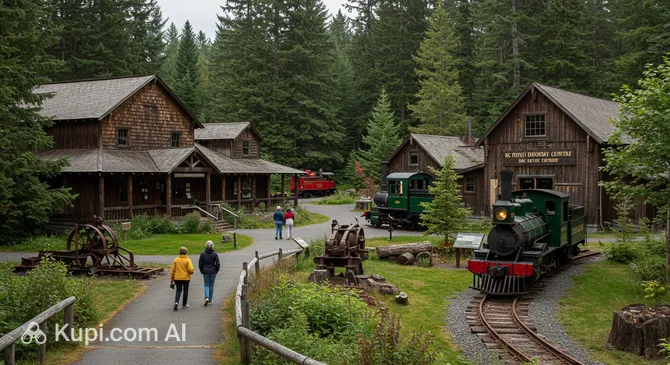
  • Fans of machinery and history will find a true gem here—the British Columbia Forest Discovery Centre. This is not just a museum, but a massive open-air complex where you can ride an authentic vintage steam train and see how the forest industry shaped the entire region's economy.

  • Duncan is the hub for the largest First Nations community on Vancouver Island. This makes it a vital cultural center where ancient traditions are not forgotten but actively live on: festivals are held regularly, and workshops operate where unique items of folk art are created.

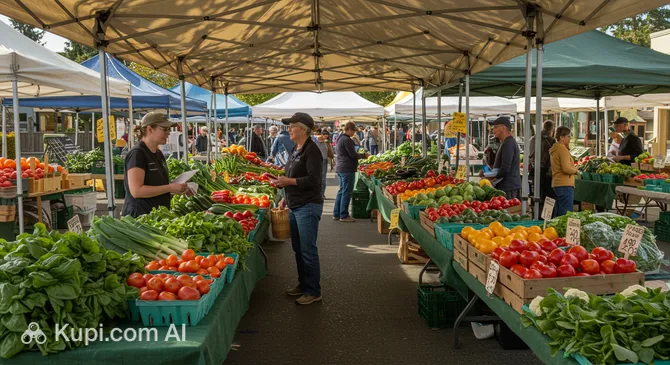
  • The gastronomic heart of the city is considered to be the Duncan Farmers' Market. It operates year-round and is famous for its "make it, bake it, grow it" rule, which guarantees the exceptional locality and quality of all goods.

BC Forest Discovery Centre. Illustration.
Source: Kupi.com AI

Traveler photos:

How to Get There

Duncan is located on Vancouver Island, so a trip here often involves not just a flight, but also a scenic ferry ride or car trip. To plan your route as efficiently as possible, we recommend finding out more about how to get to Duncan and choosing the most convenient logistics option for you.

The city of Duncan does not have its own commercial airport, but travelers can use the air harbors of neighboring cities. One of the most convenient options is Nanaimo Airport (IATA: YCD), located about 33 km to the north. It is a regional hub receiving regular flights from Vancouver and other cities. A taxi or rental car ride from here takes about 30–40 minutes.

Another popular way to reach the island is to fly into Victoria International Airport (IATA: YYJ). It is located south of Duncan, and the drive usually takes about 45–60 minutes. This airport serves a larger number of flights and is convenient for those who want to enjoy the views while driving through the scenic Malahat Pass.

If you are flying from afar on an international flight, your first destination will likely be Vancouver International Airport (IATA: YVR). This is the region's largest hub, located on the mainland. The journey from there to Duncan includes a transfer to a ferry terminal (Tsawwassen or Horseshoe Bay) and a crossing to Vancouver Island. The entire route from Vancouver Airport to downtown Duncan usually takes between 3 to 4 hours.

For clarity, here is summary information on the main airports in the region:

AirportPassenger trafficDistance
Victoria International Airport1.9 mln25 km
Nanaimo Airport375 00033 km
Nanaimo Harbour120 00047 km
Victoria Inner Harbour Airport200 00047 km
Friday Harbor Airport23 00058 km

Regarding trains, rail service directly to the city of Duncan is currently limited as passenger service on the island's railway (E&N Railway) is suspended. The nearest large active railway hub is on the mainland—Vancouver Pacific Central Station. It receives long-distance trains, including the famous trans-Canadian routes. From the station, tourists need to get to a ferry terminal to cross over to the island and then continue the journey to Duncan by bus or car.

Below is information about the nearest major railway station:

StationPassenger trafficDistance
Esbjerg Railway Station753 06061 km
Vancouver Railway Station265 62671 km

Main Attractions

Duncan offers travelers an interesting blend of cultural heritage, history, and modern amenities. While the city is famous for its totems, there are other locations that deserve the attention of guests wishing to dive deeper into the atmosphere of the Cowichan Valley.

One of the largest and most educational sites is the British Columbia Forest Discovery Centre. This is not just a museum, but an entire park covering over 40 hectares dedicated to the history of logging in the province. The main attraction here is a ride on a real vintage steam train that runs through the picturesque grounds of the park. Visitors can explore historic buildings, machinery from years past, and learn how the industry that shaped this region evolved. This place is ideal for family vacations and history buffs.

Duncan Farmers' Market. Illustration.
Source: Kupi.com AI

Traveler photos:

For those who want to experience the true taste of local life, a visit to the Duncan Farmers' Market is a must. It operates year-round and is a hub for both locals and tourists. Here you can find the freshest products grown in the valley, homemade baked goods, cheeses, and unique handcrafted items. The market atmosphere is always lively and friendly, making it a great place to get acquainted with the region's gastronomic culture.

Shopping enthusiasts and those looking for a comfortable pastime should check out Cowichan Commons. This is a large open-air shopping complex featuring popular stores, cafes, and services. It is a convenient stop to purchase everything needed for further travel around Vancouver Island, buy souvenirs, or simply relax with a cup of coffee after an eventful walk through the city.

Local Cuisine

Duncan's culinary scene is inextricably linked to the bounty of the Cowichan Valley, often called the gastronomic paradise of Vancouver Island. A "farm-to-table" philosophy prevails here: most dishes are based on the freshest local products. Travelers should definitely try the Pacific salmon—it is served in many forms, from smoked using traditional indigenous recipes to exquisite grilled steaks. The region is also famous for its farm-raised beef, organic cheeses, and seasonal vegetables.

For an introduction to the local breakfast and lunch culture, the Brunch On 3rd restaurant is an excellent choice. This popular establishment reflects the residents' love for a cozy atmosphere and hearty, high-quality food. On the menus of local cafes, you will often find pies made with berries grown in nearby gardens and salads with wild-harvested herbs, making every meal a small gastronomic discovery.

Brunch On 3rd. Illustration.
Source: Kupi.com AI

Traveler photos:

Drinks hold a special place in the city's life. Duncan and its surroundings are known for their craft breweries and cideries. In local pubs, you can sample unique ales or refreshing apple cider made from fruit gathered in the sunny valley. These are not just drinks but an important part of the social culture: residents enjoy gathering in such places to socialize and relax after a workday.

If you want to try everything at once, head to the Duncan Farmers' Market. This is a real magnet for gourmets where you can buy homemade jams, exotic apple varieties, honey, and fresh pastries directly from the producers. The street food here is also top-notch: while strolling between the rows, you can snack on hot buns or artisanal snacks that perfectly convey the taste of this hospitable region.

Travel Tips

Welcome to Duncan! To ensure your acquaintance with the "City of Totems" and the picturesque Cowichan Valley is as comfortable and carefree as possible, we have gathered a list of important practical recommendations. These simple tips will help you easily plan your trip and feel at home in this hospitable corner where Canada reveals its coziest side.

  1. Clothing and Gear. The weather on Vancouver Island is changeable, so dress in layers. Even in summer, evenings can be cool, so a fleece jacket is always useful. If you are traveling during the rainy season (November to March), be sure to bring a waterproof windbreaker, a raincoat, and sturdy shoes. Since you will be walking a lot around the city looking at totems, comfortable sneakers are your best choice. Don't forget a travel adapter (type A or B) if your devices don't have a North American plug.
  2. Transport and Logistics. Duncan's historic center is compact and most pleasant to explore on foot. However, attractions are scattered throughout the Cowichan Valley, and public transport (BC Transit buses) doesn't run very often. The best option for a tourist is renting a car. This will give you the freedom to visit wineries, lakes, and museums at your own pace. If you don't drive, you can use taxis, but it's better to have the numbers of local services on hand as apps like Uber might operate with restrictions in small towns.
  3. Finance and Tipping. The official currency is the Canadian Dollar (CAD). Bank cards are accepted almost everywhere: in hotels, restaurants, and shops. Nevertheless, we strongly recommend having a little cash (5, 10, 20 dollar bills) for visiting the famous Farmers' Market or buying souvenirs from local artisans. Tipping culture is important here: in cafes and restaurants, it is customary to leave 15–20% of the bill for good service.
  4. Health and Safety. Duncan is a safe city, but standard precautions apply. Pharmacies (such as Shoppers Drug Mart or London Drugs) stay open late and offer a wide selection of over-the-counter medications. An important safety nuance is related to nature: the surrounding forests are home to wild animals, including bears and cougars. If you go hiking, learn the rules of conduct if you encounter them and never leave food on the trails.
  5. Communication and Internet. The main language of communication is English. Free Wi-Fi is available in many cafes, libraries, and shopping centers like Cowichan Commons. If you need constant mobile internet, it's best to purchase a SIM card from local operators (Telus, Rogers, Bell) upon arrival at major electronics stores. Keep in mind that in remote forest areas outside the city, signal can be unstable, so download offline maps in advance.
  6. Local Etiquette. Island residents are famous for their politeness and unhurried pace. It is customary to greet bus drivers upon boarding, hold doors for those behind you, and smile at passersby. Treat indigenous culture with deep respect: totem poles are not just decorations, but sacred objects. Do not attempt to climb them for a photo and do not touch the carvings with your hands to avoid damaging the monuments.
  7. What to Avoid. Don't rush staff in cafes or shops—a relaxed pace of life known as "island time" prevails here. Be patient and friendly. Also, strictly avoid littering in nature: the environmental consciousness of locals is very high, and any pollution will cause strong disapproval.
  8. Follow the Yellow Footprints. This is not a metaphor, but a practical life hack! Yellow footprints are painted on the sidewalks of downtown Duncan. This marks the official "Totem Tour" walking route. Just follow them, and you are guaranteed to see the world's largest collection of outdoor totems without constantly checking your phone's map.

We hope these tips help you plan the perfect trip to Duncan. Leave the hustle of big cities behind, tune into the calm wave of the Cowichan Valley, and enjoy every moment of your stay in this unique place!

Entertainment & Nightlife

Entertainment and Nightlife:

Duncan's nightlife, much like the city itself, is characterized by a calm and steady rhythm. Here you won't find noisy metropolitan nightclubs with laser shows operating until dawn. Instead, Duncan offers the cozy atmosphere of local pubs, wine bars, and restaurants where you can enjoy live music, craft drinks, and conversation with friendly locals. Evening here is a time for relaxation in "island time" style, without haste or unnecessary pomp.

The center of evening activity is historic downtown Duncan. It is here, among the totem poles and historic buildings, that the most atmospheric establishments are concentrated. The crowd here is diverse: from local farmers and artists to tourists exploring the island. The dress code is practically non-existent—casual style (jeans and comfortable shoes) will be appropriate in any bar or restaurant. Most establishments close around 10:00–11:00 PM, and on Fridays and Saturdays, they may stay open until midnight or slightly later.

If you are looking for a place to spend the evening, the Trans-Canada Highway area and adjacent shopping zones are worth noting. For example, a popular location for evening leisure is Cowichan Commons. This is a large complex where you can not only do some late shopping but also find restaurants for dinner. Local residents often start their evening here before heading to a movie or a bar.

Another important point on the city map is Duncan Village. This shopping district also offers various options for leisure and dining. Local musical groups playing folk, country, or classic rock often perform in the vicinity of these centers and in the downtown area, creating that soulful atmosphere for which the Cowichan Valley is so valued.

Practical tips for evening strolls:

  • Transportation: Public transport runs infrequently in the evening. If you plan to stay out late, write down the numbers of local taxi services in advance (e.g., Cowichan Valley Taxi), as catching a car on the street at night is almost impossible.
  • Safety: Duncan is a safe city, and walking through the well-lit center is quite comfortable. However, it is better to avoid unlit outskirts and parks at night.
  • Prices: The cost of cocktails and beer in bars ranges from 7 to 12 CAD; dinner for two with drinks will cost an average of 60–90 CAD.

While the nightlife here is quiet, the daytime entertainment program in Duncan is much more intense. The city is famous for its cultural sites. History and nature lovers should definitely visit the British Columbia Forest Discovery Centre—a unique open-air museum where you can ride a vintage train. The city also hosts the Cowichan Performing Arts Centre, where concerts and plays are held regularly, providing an excellent alternative to bars for a cultural evening.

Parks & Museums

Duncan and the surrounding Cowichan Valley offer travelers a harmonious blend of cultural richness and natural beauty. Known for its totems, the city is also an excellent starting point for exploring scenic parks and diving into the region's history through unique museum exhibits.

Among the natural areas, Mount Tzouhalem deserves special attention. This is a popular spot for hiking and mountain biking, offering breathtaking panoramic views of the valley, Cowichan Bay, and even distant mountain peaks. An ecological reserve with rare wildflowers and unique rock formations is located here. For those who prefer a more tranquil break by the water, Rotary Park is ideal. Located near the center, it offers peaceful walking trails along the Cowichan River, where you can enjoy silence and coolness in the shade of the trees.

The city's cultural program is unimaginable without a visit to the Cowichan Valley Museum. It is housed in the historic 1912 railway station building, which is an architectural landmark in itself. The museum's exhibits tell of the rich heritage of indigenous peoples, the history of the first settlers, and the city's development. It is the perfect place to learn the context behind the famous totems on the streets.

Another major attraction is the British Columbia Forest Discovery Centre. This open-air museum covers a vast area and is dedicated to the forest industry, which played a key role in the province's economy. Here, tourists can not only see vintage machinery and historical buildings but also ride a real steam train, making the visit interesting for visitors of all ages.

Insider Tip: If you enjoy birdwatching and wildlife, be sure to check out the Somenos Marsh reserve. It is a quiet spot, less known among mass tourists, with boardwalk trails where you can see herons, swans, and other wetland inhabitants in their natural habitat.

Getting Around

The public transportation system in Duncan and the surrounding Cowichan Valley is represented exclusively by a bus network operated by BC Transit. There is no subway, tram, or trolleybus service here, which is typical for small Canadian cities. Buses connect the city center with residential areas, shopping centers (such as Cowichan Commons), and neighboring communities, including Chemainus and Ladysmith. The route network covers major tourist spots, but intervals can be quite long, especially on weekends and holidays.

Payment for the fare is convenient and varied. The most modern method is using the Umo system (mobile app or reloadable card), which allows for contactless payment. For tourists planning several trips a day, it is most advantageous to purchase a DayPASS—a daily pass that grants the right to an unlimited number of trips during the day. If you prefer cash, prepare the exact amount (coins), as drivers do not give change. The cost of a single trip on local routes is quite affordable at around 2.25 CAD.

To plan your routes, we highly recommend using Google Maps or the specialized Transit app, as the schedules at stops are not always intuitive and buses may run every 30–60 minutes. Boarding is only through the front door. To exit at the desired stop, you must pull the yellow cord or press the button on the handrail in advance to signal the driver. An important detail of local etiquette: when exiting through the rear door, it is customary to loudly thank the driver.

Given the compactness of historic downtown Duncan, many attractions, including the famous totems, are easier and more pleasant to explore on foot. The city is very pedestrian-friendly, with wide sidewalks and clear navigation. For lovers of active recreation, a bicycle is a great alternative. The scenic Cowichan Valley Trail passes through the region, suitable for both walking and cycling, allowing you to reach beautiful natural locations without using a car.

If you plan to visit remote wineries or lakes, public transport may not be the most convenient option due to infrequent runs. In this case, the optimal solution is renting a car or using a taxi. Local taxi services (e.g., Cowichan Valley Taxi) operate in Duncan and are best called in advance. Global ride-sharing services (like Uber) may be unavailable or have a very limited number of cars in small island towns.

Special mention goes to regional commuting. There is a specific route called the Cowichan Valley Commuter that connects Duncan with the major city of Victoria. This is a great budget way to get to the provincial capital in the morning and return in the evening; however, keep in mind that this bus schedule is primarily aimed at working people (runs only on weekdays during peak hours).

Accommodation

Duncan offers travelers a decent selection of accommodation options that fully match its status as a cozy and quiet city. You won't find massive skyscrapers with five-star hotels of global chains here, but you can stay in comfortable motels, atmospheric Bed and Breakfasts (B&Bs), or rent a house in nature. The city's housing stock focuses on practicality and homey comfort, which is ideal for families and road trippers.

In terms of geographical location, two main zones can be identified. The first is the area along the Trans-Canada Highway. Classic motels and mid-range hotels are concentrated here, convenient for those traveling by car and planning a short stop. Staying here provides quick access to the highway and proximity to large shopping areas, such as Duncan Village, where you can buy everything you need or have dinner after the road.

The second popular zone is the historical center and the quiet streets adjacent to it. By staying here, you will be within walking distance of the famous totems, local cafes, and shops. For those who want full immersion in the atmosphere of the Cowichan Valley, guest houses, campsites, and farms on the outskirts of the city are excellent options. This is a unique opportunity to wake up with a view of vineyards or forests, enjoying the silence and fresh air away from the city bustle.

The price range in Duncan varies from budget to mid-range. A night in a standard motel or mini-hotel will cost significantly less than in major tourist centers like Vancouver or Victoria. However, the seasonality factor should be considered: summer (especially July and August) is the peak of tourist activity on the island. During this period, demand for quality housing rises sharply, so it is highly recommended to book rooms in advance—ideally 2–3 months before the planned trip. To find options, it is convenient to use both large international aggregators and the direct websites of local B&Bs.

Nearby Cities

For those who want to explore the surroundings, Duncan serves as an excellent starting point for day trips to several interesting nearby places:

CityPopulationDistance
North Cowichan29 6764 km
Maple Bay8 km
Shawnigan Lake4 08715 km
Chemainus4 00017 km
Ganges Harbour1 10018 km

Victoria — the capital of British Columbia, located just 45–60 minutes south via the scenic highway over the Malahat Pass. This city charms with its British flair, historical architecture, and the famous Inner Harbour. A day trip here allows you to visit the Royal BC Museum, walk by the Parliament Buildings, and enjoy afternoon tea in the best traditions of old England.

Vancouver — the region's largest metropolis, reachable by combining a car trip and a ferry crossing. It is a dynamic city where urban landscapes harmonize with nature. Visit Stanley Park, the historic Gastown district, or simply enjoy world-class gastronomic diversity. A trip to Vancouver will require a bit more travel time, but the city's impressions are well worth it.

Saanich — this municipality borders Victoria and offers a more relaxed atmosphere. It is known for its magnificent gardens, parks, and farmlands. This is a wonderful place for nature lovers wishing to explore the coast, visit local wineries, or simply relax away from the city bustle surrounded by greenery.

These nearby destinations provide insight into the diverse culture and landscapes of the region.

Shopping & Souvenirs

Shopping:

Shopping in Duncan is not a chase for high fashion or luxury brands, but rather a fascinating exploration of local culture and crafts. The city offers a harmonious combination of large shopping zones with familiar chain stores and charming historical streets where unique boutiques are hidden. Duncan is particularly famous for the works of local artisans and products from Cowichan Valley farmers, making the shopping process here a truly authentic experience.

The heart of independent trade is the historic downtown (Downtown Duncan). Strolling through the cozy streets among the famous totem poles, you will find many small shops. Art galleries, bookstores, vintage clothing stores, and souvenir shops are located here. It is an ideal place for a leisurely promenade where you can buy original gifts and chat with business owners who often stand behind the counter themselves.

For those looking for a more familiar shopping format with a wide range of goods, modern shopping complexes operate in the city. One of the largest is Cowichan Commons. This is a spacious open-air shopping center featuring major retailers, electronics stores, sporting goods, and clothing. It is convenient to stock up on everything needed for travel here, from groceries to camping gear.

Another important shopping point is Duncan Village. This complex also offers a variety of stores and services, complementing the city's retail infrastructure. It is conveniently located and allows for combining shopping with a visit to a cafe or handling everyday errands.

The true gem of local shopping is considered to be the Duncan Farmers' Market. It operates year-round on Saturdays and is one of the best on Vancouver Island. A strict rule applies here: everything sold must be grown, baked, or made by the seller. This is the best place to buy fresh farm products, homemade cheeses, jams, as well as unique handmade items that cannot be found in regular stores.

When it comes to souvenirs, the signature items of the region are the famous Cowichan sweaters. These warm wool products with characteristic patterns are hand-knitted by Coast Salish indigenous artisans and are known worldwide for their quality and durability. You should also look out for:

  • Traditional wood carvings and indigenous-style jewelry;
  • Local wines, cider, and craft beer from the Cowichan Valley;
  • Ceramics and paintings by local artists;
  • Smoked salmon in gift packaging.

Most shops in Duncan are open from 9:30 or 10:00 AM to 5:30–6:00 PM. Large shopping centers may stay open longer, especially on Fridays, and supermarkets are often open until late evening. Sunday is a shortened working day for many private shops. Card payments (Visa, MasterCard) are accepted everywhere, even in small kiosks, however, it is better to have some cash for visiting the market.

Regarding tax refunds (Tax Free), Canada currently does not have a Goods and Services Tax (GST) refund program for foreign tourists upon departure. Prices on tags are usually listed without taxes, so be prepared for the final amount at the checkout to increase by approximately 12% (a combination of federal and provincial taxes in British Columbia).

Reached the end of the page?

That means the route is fully explored