Support

Esquimalt

About

Esquimalt is a charming coastal corner located on the southern tip of Vancouver Island, just minutes away from downtown Victoria. Administratively part of Greater Victoria, this municipality maintains its unique atmosphere of peace and comfort. Traveling through Canada, many tourists choose this place for its picturesque views of the Strait of Georgia and the fresh sea air that fills the lungs with energy.

With a population of about 17,655, Esquimalt is a compact and friendly community with a relaxed pace of life. Its geographical position gives the town not only breathtaking panoramas where the sea meets mountain peaks but also excellent opportunities for active recreation on the water. There is no hustle and bustle of a metropolis here, making it an ideal sanctuary for those seeking harmony with nature.
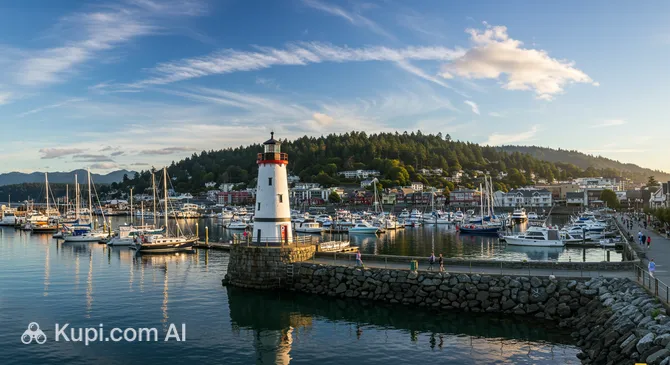
Esquimalt. Illustration.
Source: Kupi.com AI

A special charm is added to the place by an amazing mix of British colonial elegance and an island lifestyle. The rich history of Esquimalt is inextricably linked to the sea and the navy, which is reflected in local architecture and traditions. The town is literally made for leisurely walks, cycling trips, and picnics in well-kept parks, which are the pride of local residents.

Among the main advantages of Esquimalt are its waterfronts, perfect for watching colorful sunsets, and its developed infrastructure with cozy cafes and modern sports complexes. It is an excellent starting point for exploring the region: you can enjoy the silence of a small seaside town while having easy access to the attractions of British Columbia's capital. If you want to feel the authentic spirit of the Canadian West and receive a warm welcome, be sure to include Esquimalt in your itinerary.


Weather Overview

The climate in Esquimalt is mild and temperate, making it comfortable to visit at any time of year, though each season has its own unique character. Thanks to its location in the south of Vancouver Island, there are no extreme frosts or exhausting heat here. When planning your trip, it is useful to check the current weather in Esquimalt to choose the perfect clothing for coastal walks.

Summer is the sunniest and driest time, ideal for tourism. In July and August, the average temperature is around 18°C, and during the day, the air often warms up to a comfortable 22°C. Precipitation during this period is a rarity: for example, in July and August, only 2 to 4 rainy days are recorded, allowing you to enjoy nature without the fear of getting wet.

The winter period, by contrast, is characterized by high humidity, although temperatures remain above freezing. In January and February, average figures stay at the 4–5°C level, and nightly lows rarely drop below 2°C. However, you should be prepared for frequent rain: in winter, the number of days with precipitation can reach 15–20 per month. Expect warm, dry summers and cool, wet winters, so in the cold season, a waterproof windbreaker and comfortable shoes will be indispensable.

Average monthly temperature

Average monthly precipitation

Interesting Facts

In addition to its main attractions, Esquimalt holds many fascinating secrets and historical features that make it a truly unique place. This town combines ancient traditions with modern maritime romance, revealing itself to the attentive traveler from unexpected angles.

  • The town's name has deep roots and comes from the indigenous word "Es-whoy-malth." This is poetically translated as "place where the water becomes shallow" or "place of the floating canoe," reminding us that paddling and life by the water have always been held in high regard here.

  • Esquimalt is the heart of the region's maritime history, serving as a base for a significant part of the fleet. Because of this, warships and elegant naval parades have become a common, yet no less exciting, part of the local landscape, giving the town a dignified and ceremonial look.

  • The town is a real magnet for creative personalities. Writers, artists, and musicians, inspired by the beauty of the coast, often organize cherry blossom festivals and art fairs here, turning the streets into open-air galleries.

  • Fans of fortifications and picturesque views will surely appreciate Macaulay Point Park. This place is interesting not only for its nature trails but also for its preserved historical structures, which serve as a reminder of the coast's strategic importance in the past.

  • Serving as a symbol of resilience and a guiding star for ships is the Esquimalt Breakwater Lighthouse. A walk to it along the long breakwater allows you to feel literally in the open sea and enjoy the fresh breeze.

Esquimalt Breakwater Lighthouse. Illustration.
Source: Kupi.com AI

Traveler photos:

How to Get There

When planning a trip to this picturesque corner of Vancouver Island, it is important to think about the route in advance. Since the town is located on an island, logistics may include ferry crossings or seaplane flights. You can find out all the ways to get to the city in more detail on a separate page, and below we will look at the main transport hubs used by tourists.

There is no major airport in Esquimalt itself that accepts regular passenger flights, but travelers can use the air hubs of neighboring Victoria. The closest and most convenient option for domestic and international flights is Victoria International Airport (YYJ). It is located about 23.5 km from Esquimalt. A trip from here by taxi or bus takes about 55 minutes. This is the optimal choice for those who want to be as close to their destination as possible immediately after landing.

For those who prefer fast and scenic flights, an excellent option is Victoria Inner Harbour Airport (YWH), located just 3.2 km from the center of Esquimalt. This unique floatplane airport accepts seaplane flights right in the harbor, from where you can reach your hotel in literally 25 minutes. Also, many tourists choose Vancouver International Airport (YVR) — the region's largest hub. It is located in the city of Vancouver, about 86 km away. Keep in mind that the journey from this airport will require a ferry crossing to Vancouver Island, which significantly increases the total travel time.

For clarity, here is summary information on the main airports:

AirportPassenger trafficDistance
Victoria Inner Harbour Airport200 0003 km
Victoria International Airport1.9 mln24 km
Friday Harbor Airport23 00030 km
Bellingham International Airport641 00076 km
Nanaimo Airport375 00076 km

There is no direct rail connection to Esquimalt, as passenger train movement on Vancouver Island is limited. The nearest major station is on the mainland — Vancouver Station (XEA) in the city of Vancouver, located about 96 km from Esquimalt (across the Strait of Georgia). Tourists arriving by train in Vancouver usually transfer to a bus that goes to the Tsawwassen ferry terminal to cross over to the island.

Below is information about the nearest railway stations:

StationPassenger trafficDistance
Esbjerg Railway Station753 06077 km
Vancouver Railway Station265 62696 km

Main Attractions

Esquimalt is a real treasure trove for nature and history enthusiasts. The municipality harmoniously combines military heritage with the magnificent landscapes of the Pacific coast. Walking here, you will constantly feel the proximity of the ocean and the majesty of the mountains surrounding Vancouver Island.

One of the most impressive places to get to know the region is Macaulay Point Park. This is a historical area where defensive fortifications were once located. Today, you can see the remains of old military bunkers and walk along picturesque trails along the rocky shore. Tourists are drawn here not only by historical artifacts but also by breathtaking views of the Strait of Juan de Fuca and the Olympic Mountains on the horizon. It is an ideal spot for photo sessions and bird watching.

Macaulay Point Park. Illustration.
Source: Kupi.com AI

Traveler photos:

For those looking for romance and communion with the sea, a visit to the Esquimalt Breakwater Lighthouse is a must. A walk along the long breakwater to the lighthouse allows you to feel like you're in the open sea, catch the salty breeze, and hear the cries of seagulls. This place is especially popular at sunset when the sky is painted in vibrant colors. Additionally, the breakwater walls are often decorated with unique murals telling the stories of indigenous cultures, adding an educational element to the walk.

Another gem of the town is Saxe Point Park. Although it is not an open-air museum like Macaulay Point, its well-tended gardens and forest paths create an atmosphere of complete tranquility. Here you can have a picnic on the lawn or head down to secluded beaches to admire the passing ships. In spring, the park transforms into a blooming garden filled with the scents of rhododendrons and wildflowers.

Also worth visiting is Esquimalt Gorge Park, known for its magnificent Japanese Garden. It is the oldest park in Western Canada, where you can walk along the calm waters of the gorge, enjoy the silence under the shade of ancient trees, and visit a historical tea house. This place is perfect for family vacations and quiet reflection away from the city bustle.

Local Cuisine

Esquimalt's culinary scene is a vivid reflection of its maritime character and the multicultural traditions of British Columbia. The main stars of the local menu are consistently the freshest seafood, which reaches the table literally hours after being caught. Coastal establishments will offer you tender salmon, mussels, oysters, and the famous Canadian crabs, whose taste is revealed in a special way here.

Among the dishes worth tasting is the thick and flavorful clam chowder, perfect for warming up after a walk by the ocean. Also, don't miss the opportunity to try smoked salmon prepared according to traditional recipes. Fans of hearty classics will enjoy poutine — French fries topped with cheese curds and hot gravy. For dessert, local bakeries and farmers' markets offer magnificent homemade pies with fresh berries.

Syriana Restaurant & Catering. Illustration.
Source: Kupi.com AI

Traveler photos:

The town's gastronomic map is diverse: from cozy family coffee shops to restaurants featuring international cuisine. For example, Syriana Restaurant and Catering is popular, where you can appreciate the wealth of flavors brought to Canadian culture by immigrants. Street food is also well-regarded here, especially during summer festivals when stalls sell exotic bison burgers and seafood hot dogs.

Special attention in Esquimalt is paid to drink culture. The region is famous for its craft beer: local microbreweries are not afraid to experiment, adding spruce tips, wild berries, and even sea salt to their brews. In autumn, gastronomic experiences are complemented by harvest festivals where you can taste seasonal fruits from island farms, discovering the true taste of the Canadian West.

Travel Tips

Preparing for a trip to Esquimalt doesn't require complex logistics, but knowing local nuances will make your journey along the Pacific coast as comfortable as possible. This cozy town, where the fleet is based, lives at its own steady pace, and to feel at home here, you should consider a few practical recommendations.

  1. Clothing and Gear. Weather on Vancouver Island is changeable, so the best wardrobe principle here is layering. Even in summer, a cool breeze can blow off the ocean, so a windbreaker or a light fleece jacket is mandatory. In winter and autumn, a waterproof jacket and reliable shoes are indispensable, as rains can be prolonged. If you plan to visit churches or historical sites, a strict dress code is usually not required; a neat casual style is sufficient.
  2. Transport. Esquimalt is compact, and its center is pleasant to explore on foot. For trips to neighboring Victoria, the BC Transit bus system is excellent: they run frequently and on schedule. You can pay for the fare in cash (prepare the exact amount, drivers do not give change) or via the Umo app. Car rental is only necessary if you plan long trips into the interior of the island; otherwise, Uber or local taxi services will suffice.
  3. Finance. The official currency is the Canadian dollar (CAD). In Canada, cashless payment is developed everywhere: Visa and Mastercard are accepted even in small coffee shops and markets. Nevertheless, having some cash for small tips or parking meters is useful. The tipping culture here is North American: the standard is to leave 15–20% of the bill in restaurants and bars.
  4. Health and Safety. Esquimalt is a very safe town where you can walk peacefully even after dark, following basic precautions. You can drink water straight from the tap—it's clean and tasty here. Pharmacies (look for \"Pharmacy\" or \"Drug Mart\") operate on a standard schedule; 24-hour ones are harder to find and are more common in downtown Victoria. The universal number for emergencies is 911.
  5. Communication and Internet. The main language of communication is English, and locals speak it very clearly. Free Wi-Fi is available at the Esquimalt library, most cafes, and community centers. For constant connectivity, it is more convenient to buy a prepaid SIM card (eSIM) in advance or at shopping centers upon arrival, as roaming can be expensive. A useful app is Transit for tracking buses in real-time.
  6. Local Etiquette. Residents of Esquimalt are famous for their politeness. It is customary to greet the driver when entering the bus and thank them when exiting (a loud "Thank you!" from the back door is the norm). In queues, keep your distance and never try to cut ahead of others—this is considered a serious breach of social norms.
  7. What to Avoid. Since Esquimalt is a Royal Canadian Navy base, strictly avoid attempting to enter fenced areas with warning signs or photographing military installations up close. Also, remember that smoking (including vaping) is completely prohibited in many parks, on beaches, and within 6-7 meters of building entrances.
  8. Scenic Life Hack. Instead of taking the bus to downtown Victoria, walk along the West Bay Walkway. It will take about 45–60 minutes, but you will get unforgettable views of the harbor, houseboats, and seaplanes coming in for a landing.

Esquimalt welcomes guests with an open heart and quiet dignity. By following these simple tips, you can avoid minor inconveniences and focus entirely on the beauty of ocean sunsets and the unique atmosphere of this maritime town.

Entertainment & Nightlife

Nightlife in Esquimalt isn't about noisy neon clubs and endless parties until dawn, but rather the cozy atmosphere of traditional pubs, quality live music, and relaxed evenings with friends. Being home to a naval base, the town has a special character: people here appreciate good craft beer, hearty food, and soulful conversations. For tourists, this is a great opportunity to immerse themselves in an authentic environment where locals relax after a workday without unnecessary pretension.

Most evening activity is concentrated along main streets like Esquimalt Road. Classic British-style bars and taverns are located here. The crowd in these establishments is very diverse: from sailors and naval officers to students and the creative intelligentsia. The dress code is democratic (casual) almost everywhere, so you will feel comfortable in jeans and a sweater. Most places stay open until midnight or 1:00 AM, with peak activity on Fridays and Saturdays.

If you are looking for a quiet but flavorful dinner, it is worth paying attention to Syriana Restaurant and Catering. This establishment is perfect for starting the evening: here you can leisurely enjoy the rich flavors of Middle Eastern cuisine in a hospitable setting. Often, it is these small local spots that become a magnet for those who want to take a break from the tourist rush.

A unique feature of Esquimalt's "nightlife" is evening walks by the ocean. Locals often spend time on the coast watching the sunset. One of the best locations for this is the Esquimalt Breakwater Lighthouse. A walk along the illuminated breakwater to the sound of dark waves creates an incredibly romantic and slightly mystical atmosphere. It is perfectly safe and allows you to see the lights of passing ships and the glow of the city from the water.

For those craving dancing and large-scale nightclubs, remember: Esquimalt borders downtown Victoria. Just 5–10 minutes by taxi (usually costing around 15–20 CAD) or bus, and you will find yourself in the heart of the provincial capital's events, where the choice of discos and cocktail bars is much wider. Esquimalt serves as the perfect "quiet harbor" to return to for sleep.

Practical Tips and Safety:

  • Safety: Esquimalt is considered a quiet neighborhood. Evening walks along illuminated streets and waterfronts are safe, though, as everywhere, it is best to avoid unlit alleys.
  • Transport: After midnight, buses run infrequently. The most reliable way to get back to your hotel is to use ride-sharing apps (like Uber) or local taxi services (Bluebird Cabs, Victoria Taxi).
  • Prices: The average check in a bar for a pint of beer is 7–9 CAD, while cocktails are 12–15 CAD.

Regarding daytime entertainment, Esquimalt offers an excellent cultural program. History buffs and military enthusiasts will be interested in the CFB Esquimalt Naval and Military Museum. For those who prefer active outdoor recreation, a visit to Macaulay Point Park is mandatory. During the day, you can explore old fortifications, and the views of the strait and the Olympic Mountains will be a highlight of your trip.

Parks & Museums

Esquimalt offers travelers a harmonious combination of natural beauty and deep historical heritage. The town, surrounded by water, is literally immersed in greenery, providing excellent opportunities for both relaxed outdoor recreation and educational excursions to historical sites and cultural centers.

Among the natural areas, Saxe Point Park deserves special attention. This is a picturesque corner with well-kept gardens, shady forest trails, and access to the rocky coast, offering magnificent views of the Olympic Mountains. No less interesting to visit is Macaulay Point Park. It attracts tourists with its unique combination of wild nature and history: here you can walk along trails by the ocean and explore preserved historical military fortifications that remind us of the strategic importance of this location.

The cultural life of the town is inextricably linked with its maritime past. The main keeper of memory is the CFB Esquimalt Naval and Military Museum. Its exhibits tell in detail about the history of the Canadian Navy on the West Coast, displaying uniforms, ship models, and personal belongings of sailors. Fans of modern art should visit the Trackside Art Gallery — an unusual open-air gallery along the E&N rail trail, where local artists have turned industrial walls into bright murals reflecting the community spirit.

If you want to see the town from an unusual perspective, head to Highrock Park. This is the highest point in Esquimalt, hidden from mass tourist routes, offering a spectacular 360-degree panorama encompassing the town, the harbor, and distant mountain peaks.

Getting Around

The public transport system in Esquimalt is fully integrated into the Greater Victoria network and is managed by BC Transit. Since the town does not have its own metro or tram lines, the main and most reliable way to get around is by bus. The route network is well-developed and covers both main residential areas and tourist locations, providing convenient connections to the center of neighboring Victoria and other parts of the region.

The bus fleet consists of modern low-floor vehicles and the famous double-decker buses, a ride on the second floor of which offers an excellent view of the city landscapes. Transport runs strictly according to a schedule, which can be tracked in real-time via popular navigation apps or the carrier's official website. Most routes run from early morning until late evening, though intervals may increase on weekends and holidays.

For fare payment in Esquimalt and the entire region, the convenient Umo system is used. Tourists can download the mobile app of the same name or purchase a reloadable smart card at points of sale. This is the most economical method, as the system automatically caps your expenses: after paying for your second trip of the day, any remaining travel that day becomes free (the DayPASS system). Cash payment to the driver is also possible, but note an important rule: you must have the exact amount (usually in coins), as no change is given on buses.

A unique and scenic alternative to land transport is the small water taxis known as the Victoria Harbour Ferry. These colorful little boats cruise the harbor and stop at the West Bay Marina in Esquimalt. A trip on such a ferry to downtown Victoria takes about 15–20 minutes and turns into a real mini-excursion with views of seaplanes and houseboats. Please note that this type of transport mostly operates seasonally and depends on weather conditions.

Esquimalt is also a very bike-friendly town. Picturesque cycling routes pass through it, such as the famous E&N Rail Trail, allowing you to reach neighboring areas quickly and safely, bypassing car traffic. Bike rentals can be found both in the town itself and in its immediate vicinity. This is a great option for those who want to combine travel with sightseeing in nature.

If you need a private transfer, popular taxi services (such as Yellow Cab or Bluebird) and ride-hailing apps like Uber operate in the city. Car-sharing is also available in the region (e.g., the Evo service), allowing you to rent a car by the minute for short trips. This is especially convenient if you plan to visit remote parks or are traveling with a lot of luggage.

Accommodation

Choosing accommodation in Esquimalt is a wonderful opportunity to stay in a quiet, picturesque place while remaining in close proximity to the main tourist routes of Vancouver Island. Unlike neighboring Victoria, you won't find massive chain skyscrapers here. The town's hotel stock is mainly represented by cozy boutique hotels, classic motels, historical Bed and Breakfasts (B&Bs), and a wide selection of apartments for short-term rent.

One of the most attractive areas to stay is near the West Bay marina. By staying here, you get not only a magnificent view of the harbor and houseboats but also unique transport accessibility: water taxis depart from here directly to the center of the provincial capital. Another convenient location is the zone along the main artery — Esquimalt Road. Staying here guarantees easy access to bus stops, grocery stores, and local cafes, which is especially convenient for those traveling without a car.

The price range for accommodation in Esquimalt varies from mid-range to high, which is typical for the entire British Columbia region. There are almost no budget hostels here, so budget-conscious tourists should look at inexpensive motels or rooms in private homes. For those seeking comfort and privacy, renting an entire house or condominium through online platforms is a great option—this is particularly popular among families and groups of friends.

Booking Tip: Vancouver Island is an extremely popular tourist destination, especially during the summer season (May to September). During this time, the demand for housing significantly exceeds the supply. It is strongly recommended to book accommodation in advance, preferably 2–3 months before the trip. This not only guarantees availability but often allows you to save money, as "day-of" booking prices can be substantially higher.

Nearby Cities

For those who want to explore the surroundings, Esquimalt serves as an excellent starting point for day trips to several interesting nearby places:

Literally next door is Victoria — the administrative and cultural center of the region. People come here to admire the majestic architecture of the Parliament Buildings, walk along the famous Inner Harbour, and visit world-class museums. For fans of more relaxed recreation, Saanich, which borders Esquimalt, is ideal. This area is famous for its picturesque parks, gardens, and farmers' markets, offering a cozy atmosphere of country life. If you are ready for a trip north along the coast, head to Nanaimo — a port city known for its beautiful ocean views and the sweet "Nanaimo bar" dessert.

CityPopulationDistance
Victoria335 6963 km
View Royal10 4083 km
Saanich114 1483 km
Colwood16 8596 km
Langford35 3426 km

These nearby destinations provide an insight into the diverse culture and landscapes of the region.

Shopping & Souvenirs

Shopping in Esquimalt is more practical and local in nature, reflecting the calm pace of life in this seaside community. You won't find huge shopping malls or high-fashion boutiques here — for those, locals and tourists head to neighboring Victoria, which is just minutes away. However, the town offers an excellent selection of shops for daily essentials, cozy family stores, and places where you can purchase unique products from local artisans.

Main Shopping Areas and Streets

The main shopping artery of the town is Esquimalt Road. Most of the area's commercial life is concentrated along it. Walking here, you will find pharmacies, banks, small clothing stores, bookstores, and bakeries. It is a convenient place to buy everything needed for a picnic in the park or to restock supplies during your journey. The atmosphere here is friendly, and small business owners often greet customers personally.

Shopping Centers

There are no large shopping and entertainment complexes in the traditional sense in Esquimalt. The main center for shopping is Esquimalt Plaza. This is a classic open-air shopping complex (strip mall) that houses supermarkets, a liquor store, a post office, and several service points. For larger-scale shopping, tourists usually go to the Mayfair or Bay Centre shopping malls located in neighboring Victoria, which can be quickly reached by bus or taxi.

Markets

The true gem of local trade is the Esquimalt Farmers Market. It operates seasonally, usually from spring to autumn, and brings together the best producers in the region. It is the perfect place to buy fresh fruits and vegetables from Vancouver Island farms, homemade baked goods, and artisanal products. The market is famous for its festive atmosphere: musicians often play here, food trucks operate, and local artisans sell handmade jewelry and decor.

Souvenirs

When choosing gifts to remember Esquimalt, pay attention to items related to the town's naval history. Specialized shops offer caps, patches, and souvenirs with Royal Canadian Navy symbols. Indigenous products such as carvings, prints, and jewelry are also popular. For a gastronomic souvenir, consider gift-packaged smoked salmon, local craft chocolate, or a bottle of maple syrup.

Hours and Payment

Most shops in Esquimalt are open from 9:00 or 10:00 AM to 6:00 PM from Monday to Saturday. Major supermarkets stay open longer, often until 9:00 or 10:00 PM. On Sundays, many small shops may be closed or operate on a reduced schedule (usually 11:00 AM to 5:00 PM). Visa and Mastercard are accepted everywhere, even in small market stalls where contactless payments are also widespread.

Tax Free

Tourists should be aware that Canada does not currently have a tax refund program (GST/HST) for international visitors. This means that the tax included in the receipt when purchasing clothes, electronics, or souvenirs is not refundable upon leaving the country. Prices on tags are usually listed without taxes, so be prepared for the final amount at the checkout to be about 12% higher (5% federal GST + 7% provincial PST).

Reached the end of the page?

That means the route is fully explored