Hamilton is a city where nature and urban life harmoniously complement each other. It is nestled on the southern shore of Lake Ontario, between Toronto and Niagara Falls, and is literally built into the picturesque landscapes of the Niagara Escarpment. This location provides Hamilton not only with stunning views but also a unique climate: mild winters and warm, comfortable summers, making the city an excellent destination for walks and outdoor activities year-round.
Hamilton. Illustration.
Source: Kupi.com AI
With a population of approximately 693,645 people, Hamilton is among the largest cities in Canada and serves as an important industrial and cultural center of Ontario. The city is famous not only for its economic potential but also for its friendly atmosphere, which reflects a true Canadian spirit: openness, hospitality, and a love for nature.
Hamilton is often called the "City of Waterfalls," and for good reason: there are over 100 waterfalls in its vicinity, many of which are accessible for hiking and offer breathtaking beauty. Beyond its natural wonders, the city attracts tourists with historic buildings, interesting museums, art galleries, and cozy parks. The cultural life here is packed with events throughout the year.
Hamilton is a city for explorers, history buffs, nature lovers, and those seeking inspiration in new places. It is ideal for anyone looking for a balance between urban dynamics and natural harmony. Come and discover this amazing corner of Canada!
The weather in Hamilton is characterized by warm summers and cold winters. The average temperature in July, the hottest month, is about 22.4°C, with maximums reaching 26.7°C. January is the coldest month, with an average temperature of around -3.5°C and minimums dropping to -6.6°C. Precipitation is distributed relatively evenly throughout the year, averaging from 2 to 4 mm per month, while the number of rainy days varies from 9 to 15 per month. Expect warm summers with occasional rain and cold, snowy winters.
For a more detailed forecast and monthly weather information, you can visit the Hamilton Climate page.
Average monthly temperature
Average monthly precipitation
Interesting Facts
In addition to its famous parks and vibrant cultural scene, Hamilton holds many surprising stories and facts that make it a truly unique destination.
Dundurn Castle. Illustration.
Source: Kupi.com AI
Traveler photos:
Hamilton is known as the "Waterfall Capital of the World," boasting over a hundred unique cascades. Among the most picturesque are Webster's Falls, Albion Falls, and the Devil’s Punchbowl Conservation Area, each possessing its own unique charm and attracting nature lovers.
One of the city's architectural gems is Dundurn Castle, a magnificent 19th-century mansion. This historical landmark once belonged to Sir Allan MacNab, Prime Minister of the Province of Canada, and today the castle-museum offers a glimpse into the luxurious life of the Victorian era.
Permanently docked in the Port of Hamilton is the legendary destroyer HMCS Haida. This museum ship, which served in World War II and the Korean War, is a National Historic Site and is open to visitors wishing to learn more about Canada’s naval history.
Aviation enthusiasts will be thrilled by the Canadian Warplane Heritage Museum. It houses one of the world's largest collections of operational World War II-era aircraft, including the famous Lancaster bomber, making it a must-visit destination.
How to Get There
Hamilton boasts excellent transport accessibility thanks to its location in the densely populated Golden Horseshoe region. You can get here in various ways, combining air and land transport. You can find all the details and plan your route by visiting the all ways to get to Hamilton page.
For international travelers, Toronto Pearson International Airport (YYZ) is often the primary hub. It is located in Toronto, approximately 51.6 km from Hamilton. This is the largest airport in the region with a huge passenger flow, receiving flights from all over the world. From the airport, you can reach Hamilton via GO Transit buses or a rental car; travel time is about 45–60 minutes. A taxi will be more expensive but will get you there faster.
Much closer to the center is the local Hamilton International Airport (YHM). Formally part of the Toronto transport hub, it is located just 10.5 km from downtown Hamilton. This is a convenient option for domestic flights and low-cost carriers. A trip from here to the city by taxi or transfer takes only about 15–20 minutes. It is also worth considering Buffalo Niagara International Airport (BUF) in the USA (Cheektowaga). It is located 99.2 km away and can be a cost-effective option for transit tourists willing to cross the border.
For clarity, here is a summary of the main airports:
Rail service also plays an important role in the region's transport system. While Hamilton itself does not host the primary hub station from the list, you can arrive at Toronto Downtown Station (often referred to as Union Station) in Toronto, which is about 58.7 km from Hamilton. This is the country's largest transport hub with a massive passenger flow. From there, commuter trains and GO Transit buses run regularly, taking passengers directly to central Hamilton in about an hour.
Below is information about the nearest major railway stations:
Hamilton, picturesquely spread across the western end of Lake Ontario, offers guests many interesting sights. Known as the "City of Waterfalls," this city harmoniously combines natural beauty, historical heritage, and cultural treasures. Here are just a few attractions worth including in your itinerary.
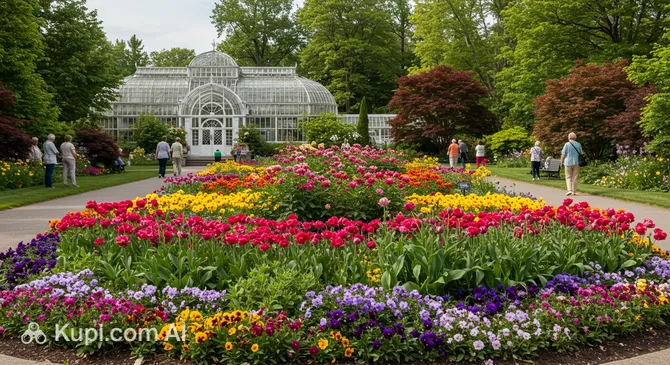
One of the most impressive places is the Royal Botanical Gardens. It is not just a garden but a massive complex featuring several themed gardens, nature sanctuaries, and over 27 km of hiking trails. Here you can admire the world's largest collection of lilacs, a rose garden, a rock garden, and many other plants. It is the perfect place for peaceful walks and enjoying nature in any season.
Royal Botanical Gardens. Illustration.
Source: Kupi.com AI
Traveler photos:
History buffs should definitely visit Dundurn Castle. This majestic mid-19th-century Italianate villa was once the home of Sir Allan Napier MacNab, Prime Minister of the United Province of Canada. A tour of the castle allows you to immerse yourself in the Victorian era, see restored interiors, and learn about the lives of its inhabitants. The castle grounds offer a beautiful view of Burlington Bay.
Dundurn Castle. Illustration.
Source: Kupi.com AI
Traveler photos:
For those interested in aviation and military history, the Canadian Warplane Heritage Museum is a must-visit. It houses an impressive collection of aircraft from World War II and later periods, many of which are maintained in flying condition. The museum offers a unique opportunity to see legendary machines, such as the Avro Lancaster, and learn about Canada's contribution to aviation history.
Canadian Warplane Heritage Museum. Illustration.
Source: Kupi.com AI
Traveler photos:
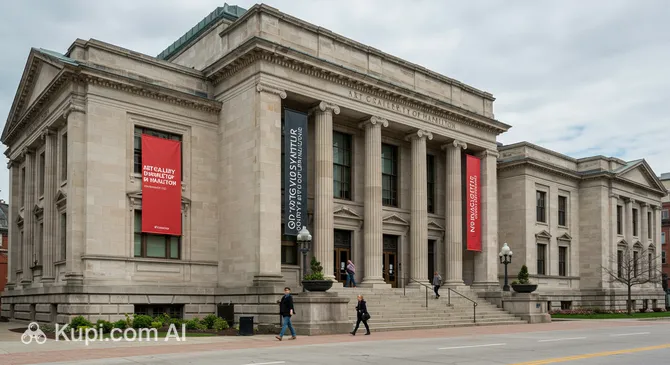
Art connoisseurs will find much to explore at the Art Gallery of Hamilton. This is the third-largest public art gallery in Ontario, boasting an extensive collection of over 10,000 works. The exposition includes Canadian historical and contemporary art, as well as works by European masters. The gallery regularly hosts temporary exhibitions, lectures, and educational programs.
Art Gallery of Hamilton. Illustration.
Source: Kupi.com AI
Traveler photos:
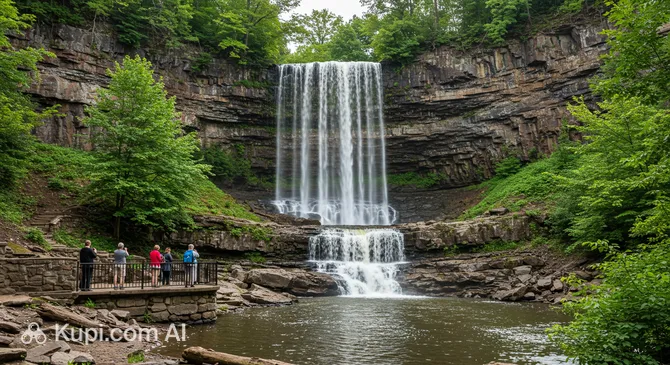
Hamilton is famous for its waterfalls, and one of the most beautiful and accessible is Albion Falls. This cascading waterfall, about 19 meters high, is especially picturesque in the spring during the snowmelt or after heavy rains. Trails are laid out around the falls, allowing you to enjoy its beauty from different angles, making it a popular spot for hiking and photography.
Albion Falls. Illustration.
Source: Kupi.com AI
Traveler photos:
Local Cuisine
The gastronomic scene in Hamilton is a fascinating blend of cultural traditions and modern culinary trends. The city prides itself on using fresh local ingredients, including fish from Lake Ontario and seasonal vegetables from nearby farms. Here, everyone will find something to their taste, from classic Canadian dishes to bold signature experiments.
Be sure to try the famous Canadian poutine—a delicious combination of French fries, cheese curds, and hot gravy. Don't miss the chance to enjoy dishes made with real maple syrup, which is added here not only to desserts but also to main courses. Fresh lake fish, such as baked trout, and hearty meat dishes made from local beef also hold a place of honor on the menus of many establishments. Stop by the farmers' markets to taste homemade cheeses, fresh pastries, and, of course, the famous Canadian peameal bacon.
As for drinks, Hamilton will delight craft beer lovers—the city has many breweries offering unique varieties. It is also worth paying attention to local ciders; for instance, you can visit the West Avenue Cider House to appreciate the diversity of this drink. In the city's surroundings, there are wineries where you can sample local wines. Among non-alcoholic beverages, fresh-pressed juices and lemonades made from local berries are popular.
West Avenue Cider House. Illustration.
Source: Kupi.com AI
Traveler photos:
The dining culture in Hamilton is diverse: locals and tourists can choose between cozy restaurants offering organic products, lively street cafes where you can grab a quick sandwich or a salmon bagel, and colorful markets. The city is also known for its food festivals, especially during the summer, when street food celebrations and wine fairs take place, allowing you to fully experience the culinary diversity of Hamilton.
Travel Tips
Welcome to Hamilton! To make your trip to this interesting city in Ontario as comfortable and fulfilling as possible, we have prepared some practical tips. We hope they help you better plan your journey and avoid any potential inconveniences.
Clothing and Seasonal Gear:
The climate in Hamilton is continental, with warm, humid summers and cold, snowy winters. Be sure to check the forecast before your trip.
In summer, bring light clothing but don't forget a jacket or sweater for evening walks. In winter, you can't do without a warm jacket, hat, gloves, scarf, and waterproof boots. In spring and autumn, the weather is changeable, so layering is your best friend.
Don't forget comfortable shoes for walking around the city and its numerous parks and trails. For electrical devices, you will need Type A and B adapters (the same as in the USA). Sunscreen is relevant even on days that aren't particularly hot. When visiting religious sites, though there are usually no strict rules, modest clothing is recommended.
Getting Around the City:
The primary form of public transport in Hamilton is the HSR (Hamilton Street Railway) bus network. For trips to Toronto and other regional cities, you can use GO Transit trains and buses. Taxis and popular ride-hailing services like Uber and Lyft are also available. Renting a car can be useful if you plan to explore the surroundings, such as the Niagara region with its waterfalls and wineries. However, parking in the very center of the city can be paid and limited.
Financial Matters:
The local currency is the Canadian Dollar (CAD). You can exchange money at banks or currency exchange offices; rates at the airport are usually less favorable. Credit and debit cards (Visa, MasterCard) are accepted almost everywhere. American Express is accepted less frequently. International cards work without issues in most cases, and ATMs are widely available.
An approximate daily budget (excluding accommodation) can be 100-200 CAD. Tipping culture is common: in restaurants and bars, it's customary to leave 15-20% of the bill. Tipping is also appreciated for taxi drivers, hairdressers, and tour guides.
Health and Safety:
There are many pharmacies in Hamilton; some large chains, like Shoppers Drug Mart, may have 24-hour branches or stay open late. Tourists are strongly advised to have medical insurance. The city has hospitals and clinics. In case of emergencies, call 911.
Hamilton is generally considered a safe city. Nevertheless, as in any large urban area, observe standard precautions: avoid poorly lit and deserted places after dark, and keep an eye on your belongings, especially in crowded spots.
Communication:
The official languages in Canada are English and French, but in Ontario, and specifically in Hamilton, English is dominant. You will have no trouble communicating in English everywhere.
Local SIM cards can be purchased from providers like Bell, Rogers, Telus, or their subsidiary brands (Fido, Koodo, Virgin Mobile). Free Wi-Fi is available in many cafes, restaurants, hotels, libraries, and some public spaces. Useful apps include maps (Google Maps, Apple Maps), the HSR bus tracking app, taxi services, and parking payment apps.
Local Etiquette:
Canadians are known for their politeness and friendliness. Greetings are usually simple—"Hi" or "Hello"—and a handshake is common when meeting someone. In public places, respect queues, and say "please" and "thank you." Try to avoid being noisy and do not litter. Locals value personal space, so avoid getting too close to strangers unless appropriate for the situation.
What to Avoid:
First, try not to compare Canada to the USA, especially in a derogatory way, and do not assume it's the same culture. Canadians are very proud of their national identity. Second, do not underestimate the changeability of the weather, especially in the off-season or winter—dress accordingly so as not to spoil your travel experience.
Hamilton’s Specialty – Waterfalls:
Hamilton isn't called the "City of Waterfalls" for nothing—there are over a hundred of them in the surrounding area! Make sure to set aside time to visit at least a few, such as the picturesque Webster's Falls or Albion Falls. Many of them are surrounded by beautiful parks and accessible via hiking trails. Note that access to some waterfall parks may require a fee, and during peak season, pre-booking a parking spot might be necessary.
We hope these tips make your stay in Hamilton even more pleasant and memorable. Enjoy your journey through this unique Canadian city!
Entertainment & Nightlife
When the sun goes down, Hamilton transforms, offering various options for evening and nighttime leisure. The city boasts a lively nightlife concentrated in several key areas where everyone will find something to their taste, from cozy pubs to energetic nightclubs.
The main center of Hamilton's nightlife is traditionally considered to be Hess Village—a pedestrian zone with cobblestone streets filled with bars, pubs, and clubs with outdoor terraces. It attracts a predominantly young crowd, especially on weekends. The atmosphere here is lively and loud, and establishments usually stay open until late at night. Another popular spot is King William Street, known for its restaurants, many of which turn into stylish lounge bars with live music or DJ sets in the evening. The crowd here is more mature and sophisticated.
Among specific establishments, you might visit MaiPai, which offers an interesting atmosphere and drinks, or the West Avenue Cider House for craft beverage enthusiasts. If you are looking for a club atmosphere, check out places like Architect Hair Design, known for its themed parties. Operating hours for most nightspots are roughly from 10:00 PM to 2:00–3:00 AM, especially on Fridays and Saturdays. The dress code varies from casual in pubs to more dressy in some clubs and lounges.
MaiPai. Illustration.
Source: Kupi.com AI
Traveler photos:
As for practical tips, it is best to arrive at popular spots closer to midnight when the main fun begins. Average drink prices are comparable to other Canadian cities. For late-night travel, it is most convenient to use taxis or ridesharing apps. Central areas where nightlife is concentrated are considered relatively safe, but always observe standard precautions: keep an eye on your belongings and avoid walking alone on poorly lit streets.
West Avenue Cider House. Illustration.
Source: Kupi.com AI
Traveler photos:
During the day, Hamilton also offers plenty of entertainment. Visitors can explore the Art Gallery of Hamilton, the Canadian Warplane Heritage Museum, or stroll through scenic parks like the Royal Botanical Gardens or Gage Park. For family fun, Wild Waterworks is a great choice. Thus, Hamilton is capable of offering a full program both day and night.
Parks & Museums
Hamilton offers its guests an amazing combination of lush green oases for outdoor relaxation and significant cultural institutions that carefully preserve the city's history and artistic heritage. Here, everyone will find something for themselves, whether it's a stroll through a picturesque park or an immersion into the world of art and history.
Among Hamilton's green gems, the Royal Botanical Gardens holds a special place. This is one of the largest botanical gardens in Canada, offering visitors a chance to enjoy a variety of themed gardens, natural areas, and kilometers of scenic trails. It is ideal for slow walks, studying rare plants, and simply relaxing in nature. Another iconic natural site is Webster's Falls, an impressive cascading waterfall surrounded by picturesque forests, offering excellent opportunities for hiking and photography. For lakeside relaxation, Bayfront Park on the shore of Lake Ontario is perfect, with its well-maintained paths, picnic areas, and beautiful harbor views.
Royal Botanical Gardens. Illustration.
Source: Kupi.com AI
Traveler photos:
Hamilton's cultural life is just as vibrant. Art connoisseurs should visit the Art Gallery of Hamilton, one of the oldest and largest public art galleries in Canada. Its collection features both Canadian and international works of art. History buffs will enjoy the Canadian Warplane Heritage Museum, where you can see an impressive collection of WWII-era aircraft, many of which are still airworthy. A unique experience is a visit to the HMCS Haida National Historic Site—a World War II destroyer turned into a museum. Here you can learn about Canada's naval history and the lives of sailors.
Art Gallery of Hamilton. Illustration.
Source: Kupi.com AI
Traveler photos:
The city also takes pride in its historical and architectural landmarks. A must-see is Dundurn Castle—a majestic 19th-century mansion that is a National Historic Site. A tour of the castle and its gardens will immerse you in the atmosphere of the past and tell the history of one of Canada's influential families.
Dundurn Castle. Illustration.
Source: Kupi.com AI
Traveler photos:
For family fun, the Killman Zoo might be interesting, where you can see various animal species, including Canadian fauna. It is an excellent place for a walk and an educational outing with children.
Webster Falls. Illustration.
Source: Kupi.com AI
Traveler photos:
For an authentic experience, stroll down lively James Street North, known for its independent galleries, boutiques, and cozy cafes. And if you are a nature lover, explore the numerous hiking trails along the Niagara Escarpment, discovering the hidden waterfalls that Hamilton is so famous for—it's not for nothing it's called the "City of Waterfalls."
Getting Around
Public transportation in Hamilton is primarily represented by a bus network operated by the Hamilton Street Railway (HSR). HSR buses run throughout the city, connecting residential areas, commercial centers, and major attractions. For trips to neighboring cities like Toronto, you can use GO Transit regional buses and trains.
The main way to pay for travel is the PRESTO electronic card. This card can be topped up and used for trips not only in Hamilton but also in many other cities in the province of Ontario. You can purchase a PRESTO card at Shoppers Drug Mart pharmacies, GO Transit stations, or online. Cash payment directly to the bus driver is also possible, but in this case, it is recommended to have the exact change, as change might not be provided. Various types of passes are available, including daily and monthly ones, which can be cost-effective if using transit frequently. The approximate cost of a single trip using a PRESTO card or cash is a few Canadian dollars.
For route planning and tracking bus movements in real-time, you can use the official HSR app or third-party services like Google Maps. Buses usually start running early in the morning and end late in the evening, though schedules may change on weekends and holidays. Payment validation occurs by tapping the PRESTO card against a special terminal when entering the bus or by showing a pass/paying cash to the driver.
In addition to public transport, other modes of travel are available in Hamilton. Taxis and ridesharing services (such as Uber and Lyft) are widespread. For outdoor enthusiasts and short trips, there is the SoBi Hamilton bike-share system, offering bicycles for rent at various stations throughout the city. You can also use car-sharing services or rent a car if you plan to travel extensively in the surrounding areas.
Accommodation
In Hamilton, travelers will find a variety of accommodation options to suit different preferences and budgets. The city offers a wide range of lodging: from budget-friendly hostels and guesthouses, perfect for cost-conscious tourists, to comfortable mid-range hotels and spacious apartments for those seeking more personal space or traveling with family. Short-term rentals are also available, which can be a convenient solution for groups.
When choosing a place to stay in Hamilton, it is worth looking at areas that provide convenient access to key sites. Downtown Hamilton is particularly popular with tourists due to its proximity to numerous restaurants, shops, and cultural sites like the Art Gallery of Hamilton, along with good transport links. For those who prefer a quieter atmosphere and closeness to nature, areas near scenic parks like Bayfront Park by the water, Sam Lawrence Park with its city views, or the Niagara Escarpment with its many trails might be ideal.
When planning your trip, it is recommended to book accommodation in advance, especially if your journey falls during the peak tourist season or coincides with major events in the city. This will help ensure a better selection and more favorable prices. The price range for accommodation in Hamilton varies: you can find budget options, mid-range deals, and more expensive hotels. Booking a suitable hotel, hostel, or apartment is easy through popular international online booking platforms or directly on hotel websites.
Nearby Cities
For those who want to explore the surroundings, Hamilton serves as an excellent starting point for day trips to several interesting nearby locations:
Among the nearest cities worth noting is Oakville, known for its picturesque harbors on Lake Ontario, prestigious golf clubs, and annual jazz festival. It is a great place for walks along the waterfront and visiting boutiques. It is also worth visiting Mississauga—a large and dynamic city offering diverse cultural events, major shopping centers, and beautiful parks. Nearby is St. Catharines, often called the "Garden City" due to its abundance of parks and proximity to the Niagara wine region.
These nearby destinations allow you to get a sense of the region's diverse culture and landscapes. Every trip promises new discoveries, whether it's the charming streets of small towns, natural beauty, or cultural events.
Shopping & Souvenirs
Hamilton offers a variety of shopping opportunities to suit every traveler's taste. While the city is not famous for any specific niche goods, you will find both large shopping centers with well-known brands and charming independent shops offering unique items and local products. Special attention should be paid to Canadian-made goods and artisanal crafts.
The main shopping zones in Hamilton, where many stores are concentrated, consist of several districts. Downtown Hamilton, especially King Street East and James Street North, offers a wide selection from fashion boutiques to specialty shops. Locke Street South is known for its unique independent stores, antique shops, and cozy cafes, creating a pleasant atmosphere for leisurely shopping. Also of note is Ottawa Street North, famous for its fabric stores, design studios, and antique shops.
For those who prefer shopping "under one roof," Hamilton has several large shopping centers. One of the most popular is CF Lime Ridge, offering a huge selection of clothing, electronics, home goods, and a food court. Another significant shopping complex is Mapleview Shopping Centre, where you can also find many famous brands and enjoy a day of shopping.
Lime Ridge Mall. Illustration.
Source: Kupi.com AI
Traveler photos:
An important part of the Hamilton shopping scene is its markets. The most famous is the Hamilton Farmers' Market, one of the oldest in Canada, operating since 1837. Here you can buy fresh local produce, farm cheeses, pastries, flowers, as well as prepared dishes from various world cuisines and handmade crafts. Visiting the market is a great way to soak up the local atmosphere and try something authentic.
Mapleview Shopping Centre. Illustration.
Source: Kupi.com AI
Traveler photos:
As souvenirs from Hamilton and Canada in general, it is worth bringing back traditional Canadian products like maple syrup (in all its variations—from syrup to candies and cookies), ice wine, and smoked salmon. Also popular are items with Canadian symbols (the maple leaf, images of beavers or moose), local brand apparel (such as hockey team merchandise), and handmade items from local artisans, including Indigenous art (purchase with respect and from reputable sellers).
Most shops in Hamilton follow a standard schedule: Monday to Friday from approximately 10:00 AM to 6:00 PM or 7:00 PM, and Saturdays until 5:00 PM or 6:00 PM. Large shopping centers are usually open later, often until 9:00 PM on weekdays and weekends. Sunday hours may be shorter. Major credit and debit cards (Visa, MasterCard, American Express) are widely accepted. Cash is also used, especially at markets and in small shops.
In Canada, a Goods and Services Tax (GST/HST) is applied, which is added to the price at the checkout. For tourists, there is an option to receive a partial tax refund through Tax-Free programs on certain goods when leaving the country. Conditions and refund procedures may change, so it is recommended to check current information on official websites or at Tax-Free desks in airports. Keep your receipts to take advantage of this opportunity.