Support

Waterloo

About

Waterloo is a true gem of Ontario, nestled in the southwest of Canada, about 100 kilometers west of Toronto. This city, with a population of about 105,000, maintains an atmosphere of friendliness and hospitality, harmoniously combining urban dynamics with natural tranquility.
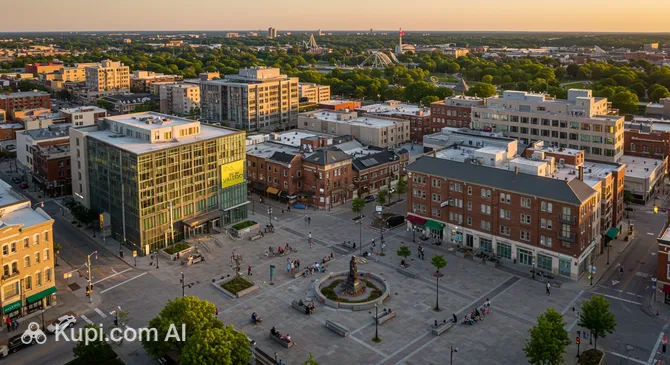
Waterloo. Illustration.
Source: Kupi.com AI

Waterloo is part of the famous Waterloo Region and is known as one of the country's intellectual hubs thanks to its prestigious universities. The city attracts visitors with its unique blend of innovation and history: modern campuses sit alongside historic buildings, and bustling streets neighbor cozy parks and scenic trails. Tourists can also look forward to cultural diversity, numerous festivals, and gastronomic discoveries.

Among the features that make Waterloo attractive are its green parks, perfect for walking, the opportunity to visit local craft breweries, and the chance to explore works in art galleries. The city offers many routes for exploration, whether you're looking for antique shops or modern cultural spaces.

If you are looking for a place where you can combine outdoor recreation with immersion in an innovative and cultural environment, Waterloo is definitely worth your attention. It is a city that charms with its atmosphere and offers something interesting for every traveler.

You can find more interesting facts on the history of Waterloo page.

Weather Overview

In Waterloo, expect warm summers with occasional rain, when the average July temperature is 21.1°C (with peaks up to 25.8°C), and cold, snowy winters, when January temperatures hover around -4.9°C (dropping to -8.2°C). Precipitation in the city is relatively low and evenly distributed throughout the months, averaging 2-4 mm, with the number of wet days ranging from 10 to 15 per month.

To better prepare for your trip and choose the optimal time, check out the detailed information about the climate of Waterloo.

Average monthly temperature

Average monthly precipitation

Interesting Facts

Waterloo is not only a well-known technological hub but also a city with a rich history and many curious details that not everyone knows about. Here are some interesting facts that will help you look at it in a new way:

  • "Silicon Valley of the North": Waterloo is rightfully considered one of Canada's main technological centers. It is home to the campuses of the world-famous University of Waterloo and Wilfrid Laurier University, as well as many innovative companies and startups forming a unique ecosystem.

  • Romance of the "Kissing Bridge": One of the region's most charming attractions is the West Montrose Covered Bridge, affectionately nicknamed the "Kissing Bridge." It is the oldest surviving covered bridge in the province of Ontario and a popular spot for romantic walks and photo sessions.

  • Cultural Heritage at St. Jacobs Market: Located near Waterloo is the famous St. Jacobs Farmers' Market—one of the largest in Canada. It's not just a place to buy fresh produce, but an opportunity to learn about the culture and traditions of the local Mennonites.

  • Birthplace of BlackBerry: Research In Motion (RIM), the company that gave the world the famous BlackBerry smartphones, was founded in Waterloo. This fact highlights the city's innovative potential and its contribution to the development of mobile technologies.

  • Connection to European History: It is believed that the city was named in honor of the famous Battle of Waterloo. This European heritage is reflected in some of the region's architectural and cultural traditions.

How to Get There

Waterloo occupies a strategically convenient position in the southern part of Ontario, located in close proximity to major transport arteries. To plan your route in the most detail, we recommend studying all the ways to get to the city on a separate page.

Most travelers arrive in the region via the major air hubs of the neighboring metropolis. The main air gateway for international tourists is Pearson International Airport (IATA: YYZ). Please note that it is not located in Waterloo itself, but in the city of Toronto, at a distance of about 77 km. The journey from there by car or bus will take approximately 2 hours and 15 minutes, depending on traffic. It is the largest airport in the country with a massive passenger flow.

Much closer to the center is Region of Waterloo International Airport (IATA: YKF). It is located just 11 km from the city, and the trip from there by taxi takes about 35-40 minutes. This is a regional hub that handles fewer flights but is most convenient for direct travel. You can also consider Hamilton Airport (IATA: YHM), located in the city of Toronto (according to the data, but actually serving the Hamilton region) about 58 km from Waterloo. A trip from there will take about 1 hour and 50 minutes.

For clarity, here is a summary of the main airports:

AirportPassenger trafficDistance
Region of Waterloo International Airport523 21011 km
Hamilton Airport820 01158 km
London International Airport314 44170 km
Pearson International Airport44.8 mln77 km
Billy Bishop Toronto City Airport1.7 mln93 km

If you prefer ground transport, it's worth noting that there are no major mainline stations from the list in Waterloo itself, but the city is well connected to the rail network via neighboring hubs. The nearest major point is Downtown Toronto Station (IATA: YBZ), located in the city of Toronto, about 94 km from Waterloo. From there, you can reach the region by bus or regional train, which takes about 2 hours and 40 minutes, including taxi transfers.

A trip via the London Train Station (IATA: XDQ) is also an option. It is located in the city of London, 80 km from Waterloo. Travel time by car from the station is about 2 hours and 20 minutes.

Below is information on the nearest railway stations:

StationPassenger trafficDistance
London Railway Station80 km
Toronto Downtown Station72 mln94 km
Guildwood Railway Station242 000112 km
Buffalo Depew Station122 682157 km
Sarnia Railway Station15 000162 km

Main Attractions

Waterloo, a cozy city in the Canadian province of Ontario, offers its guests several interesting places to spend time, whether it's shopping, getting to know the local cuisine, or an evening out in a lively atmosphere.

For shopping enthusiasts, one of the main points of attraction is Conestoga Mall. It is a large shopping center where visitors will find many famous brand stores, an extensive food court with a variety of cafes and restaurants, as well as entertainment for the whole family. You can easily spend several hours here updating your wardrobe, picking out souvenirs, or simply enjoying a stroll through its galleries.

Conestoga Mall. Illustration.
Source: Kupi.com AI

Traveler photos:

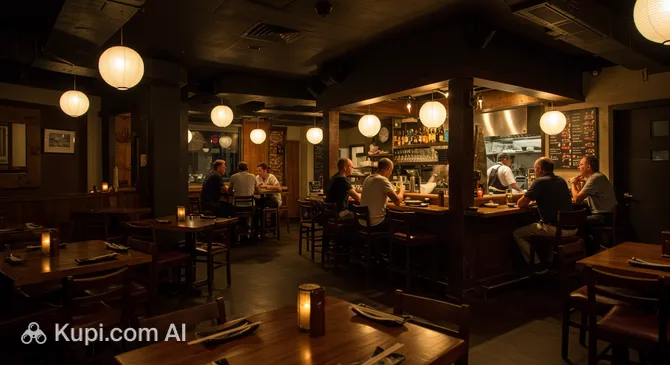
If you are a fan of Japanese cuisine, be sure to check out Kinkaku Izakaya. This popular restaurant is famous for its authentic atmosphere and a rich selection of "izakaya" style dishes—a traditional Japanese pub serving small portions of food and a variety of drinks. It's a great place for dinner with friends or for experiencing Japanese gastronomic traditions in Waterloo.

Kinkaku Izakaya. Illustration.
Source: Kupi.com AI

Traveler photos:

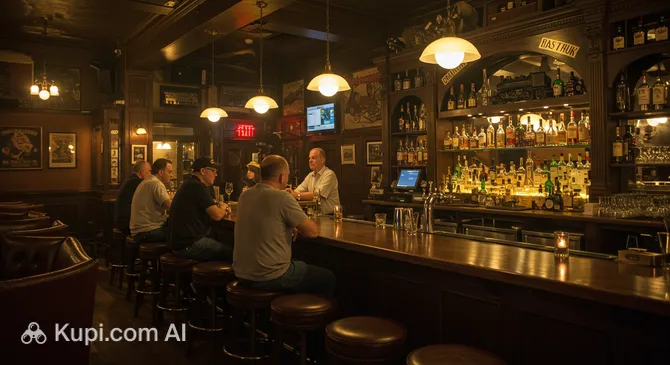
For evening relaxation and socializing in a casual setting, many choose the Grand Trunk Saloon. This stylish bar attracts visitors with its original interior, friendly atmosphere, and a good selection of cocktails and other drinks. It is a popular spot to relax after a busy day and feel the rhythm of the city's nightlife.

The Grand Trunk Saloon. Illustration.
Source: Kupi.com AI

Traveler photos:

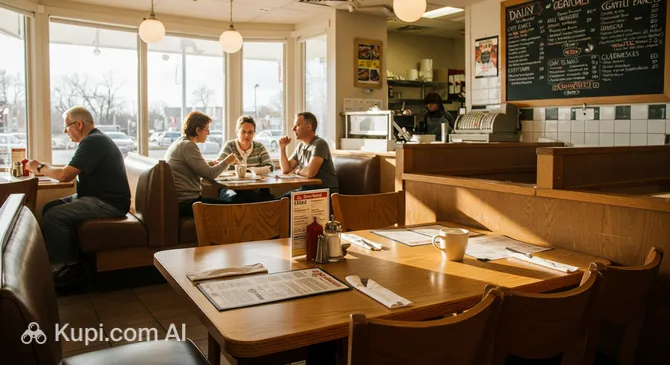
Another gastronomic establishment worth noting in Waterloo is The Corner Kitchen. The restaurant offers its guests a cozy setting and a menu focused on comfortable and delicious food. It is excellent for a leisurely breakfast, a hearty brunch, or a pleasant lunch in a warm and welcoming atmosphere.

Korner Kitchen. Illustration.
Source: Kupi.com AI

Traveler photos:

Local Cuisine

The gastronomic scene in Waterloo is a wonderful blend of the culinary traditions of European settlers, especially German and Mennonite cuisine, with modern gastronomic trends. The city can rightfully be called a true paradise for foodies, where everyone will find a dish to their taste that reflects the region's rich cultural heritage.

Among the dishes that you should certainly try in Waterloo are the traditional schinkenbrot (a hearty ham sandwich), aromatic homemade sausages, and a variety of savory pies. Those with a sweet tooth will enjoy the famous apple fritters—a true local hit. And, of course, you can't leave Waterloo without trying the local maple syrup, which is of exceptional quality here, as well as homemade jams.

The dining culture in Waterloo is very democratic. Locals and tourists alike enjoy visiting farmers' markets, where fresh vegetables, fruits, meat, artisanal cheeses, and fresh pastries made according to old recipes are available year-round. The city abounds with cozy cafes and restaurants for every taste and budget. For example, to get acquainted with local gastronomic offerings or simply have a delicious dinner, you can drop by The Corner Kitchen.

Fans of brews will also find much to enjoy in Waterloo. Several craft breweries operate in the city and its surroundings, such as the Innocente Brewing Company, mentioned in some guides, where you can sample unique artisanal beer varieties and learn more about the brewing process. Besides beer, look out for maple syrup-based drinks, which are another local specialty.

Waterloo's gastronomic life becomes especially lively during various culinary festivals. The main event, attracting thousands of guests from across the country and abroad, is the famous Oktoberfest. It is the largest German festival outside of Germany, offering an incredible variety of traditional dishes, drinks, music, and entertainment, and it takes place right here in the Waterloo Region.

Travel Tips

Welcome to Waterloo! To make your journey to this dynamic Canadian city as comfortable and pleasant as possible, we have prepared some practical tips. We hope they help you better plan your trip and enjoy every moment of your stay in Waterloo.

  1. Clothing and Essentials: The climate in Waterloo, as in all of Ontario, features four distinct seasons. In summer (June-August), pack light clothing but have a sweater or light jacket for evenings. In winter (December-February), you cannot do without warm, layered clothing, including a hat, gloves, and a scarf. Spring and autumn are unpredictable, so the layering principle is always relevant. Be sure to bring comfortable shoes for walking. If you are coming from a country with different electrical standards, don't forget an adapter for North American outlets (Type A and B). When visiting any places of worship, while strict dress codes for tourists are not common, showing respect through modest clothing (e.g., covered shoulders and knees) is always appreciated.
  2. Getting Around the City: Waterloo has a well-developed public transport system, Grand River Transit (GRT), which includes buses and the modern ION light rail line connecting key points of the city and neighboring Kitchener. This is a convenient and economical way to get around. Taxis and popular ride-hailing apps (like Uber) are also available. Renting a car can be useful if you plan trips outside the city, but it's not always necessary for travel within Waterloo.
  3. Finances: The official currency is the Canadian Dollar (CAD). Credit and debit cards (Visa, Mastercard) are accepted almost everywhere. American Express may not be accepted in all places. ATMs can be easily found throughout the city. You can exchange currency at banks or specialized exchange offices. An approximate daily budget per person (excluding accommodation) can range from 70-150 Canadian dollars, depending on your food and entertainment preferences; this amount usually covers meals, local transport, and small souvenirs. In Canada, it is customary to leave a tip in restaurants and cafes (usually 15-20% of the bill before taxes), as well as for taxi drivers and other service workers.
  4. Health and Safety: Waterloo is considered a very safe city. Nevertheless, always follow standard precautions: watch your belongings, especially in crowded places, and avoid poorly lit and deserted areas after dark. Pharmacies (e.g., Shoppers Drug Mart, Rexall) are located in many districts. It is highly recommended for tourists to have medical insurance that covers expenses abroad.
  5. Communication: The main language of communication in Waterloo is English. French is also an official language of Canada, but in everyday life in Waterloo, you will primarily hear English. Most residents speak English fluently, so tourists usually have no trouble communicating. Wi-Fi is available in many cafes, hotels, libraries, and public spaces. For long stays, you might consider buying a local SIM card. For convenience when using GRT public transport, the Transit app (for schedules and route planning) can be useful. Standard map services like Google Maps or Apple Maps work perfectly for navigation. For ordering food, apps like Uber Eats, SkipTheDishes, or DoorDash are popular.
  6. Local Etiquette: Canadians are generally very polite and friendly. It is customary to say hello ("Hello", "Hi"), thank you ("Thank you"), and excuse yourself ("Sorry" – you will hear this word often, even if no one is at fault!). In public places, follow the queue and respect other people's personal space. Loud conversations on transport or in cafes are discouraged.
  7. Things to Avoid: Try not to compare Canada with the USA in a negative way or assume they are the same culture – Canadians are very proud of their identity. Also, don't forget to tip where it is expected, as this is an important part of the income for many service workers. Do not underestimate the severity of the Canadian winter if your visit is during this time – dress very warmly!
  8. Additional Tip: Waterloo is a city heavily influenced by its universities (University of Waterloo and Wilfrid Laurier University) and a developed tech sector, often referred to as part of the "Silicon Valley of the North." This gives the city a young, dynamic atmosphere. If possible, visit the St. Jacobs Market (especially on market days – Thursday and Saturday), located nearby, to try local products and buy handmade souvenirs.

We hope these tips help you feel at home in Waterloo. We wish you an unforgettable journey and bright impressions of this interesting Canadian city!

Entertainment & Nightlife

Waterloo, known for its university spirit, offers a surprisingly diverse and lively nightlife, especially in areas popular with students and young professionals. As darkness falls, the city transforms, opening up many opportunities for those seeking entertainment until late at night.

The main center of nocturnal activity in Waterloo is considered to be the Uptown Waterloo area, particularly King Street South and Princess Street. A large number of bars, pubs, and clubs for every taste are concentrated here. The atmosphere in most establishments is quite relaxed and friendly, although some clubs may have a stricter dress code and door policy, especially on weekends. The crowd is mostly young, which is not surprising given the presence of major universities. Most bars are open until 2:00 AM, and clubs may stay open even longer.

Among the popular spots, the Grand Trunk Saloon stands out, known for its live music and wide selection of drinks. It's a great place to soak up the local atmosphere and enjoy the evening. For fans of Asian cuisine and atmospheric restaurants that stay open late, consider Kinkaku Izakaya or The Corner Kitchen, where you can have a delicious dinner before heading out to further explore the city at night.

The Grand Trunk Saloon. Illustration.
Source: Kupi.com AI

Traveler photos:

Practical tips for nightlife in Waterloo:

The best time to visit bars and clubs is Friday and Saturday when the city comes alive. Prices in bars are moderate, with a pint of beer costing on average 7-10 Canadian dollars. You can reach the center of nightlife via public transport, which runs quite regularly, or by taxi/ridesharing services. At night, it is recommended to use taxi services for safe travel, especially if you are in an unfamiliar area.

Safety:

The Uptown Waterloo area is considered relatively safe for nighttime walks; however, you should always follow standard precautions: do not leave drinks unattended and move in groups, especially late at night. You can call a taxi by phone or through mobile apps.

During the day, Waterloo also offers plenty of interest. You can visit various museums, such as the Waterloo Earth Sciences Museum, or spend time in one of the city's parks, like Waterloo Park. For shopping lovers, the doors of shopping centers like Conestoga Mall are open. However, the true energy of the city reveals itself as evening sets in.

Parks & Museums

Waterloo is not just a modern technological and educational hub, but a city that cherishes its cultural heritage and offers many charming green corners for relaxation. Here, every traveler, whether a nature lover or an art enthusiast, will find something to their liking.

The city's main green artery is undoubtedly Waterloo Park. It is the oldest and most spacious park in Waterloo, a true oasis in the center of urban life. Here, you'll find picturesque ponds, shaded alleys for leisurely walks, play areas for children, and even the small Eby Farmstead, where you can see farm animals. It is the ideal place for a family picnic or a secluded getaway in nature. If you prefer more active recreation, head to the Laurel Creek Conservation Area. Here, you can enjoy hiking on forest trails, go canoeing on the lake, watch birds, or simply relax on the beach. In winter, the conservation area turns into a paradise for cross-country skiing enthusiasts.

The cultural life of Waterloo is equally rich. To get a closer look at the city's history, visit the City of Waterloo Museum. Located in a historic building, it tells a fascinating story of the region's past, its people, and key events through constantly updated exhibitions. Fine art connoisseurs should definitely visit the Canadian Clay and Glass Gallery. This is a unique exhibition space showcasing impressive works by Canadian masters of ceramics, glass, and enamel—from established authorities to rising stars.

For inquisitive minds, especially if you are traveling with children, the Earth Sciences Museum at the University of Waterloo will be an interesting discovery. Its exhibits dedicated to geology, paleontology, and mineralogy, including an impressive dinosaur skeleton, will leave no one indifferent.

Strolling through Waterloo, particularly the Uptown Waterloo area, you will notice charming examples of historic architecture—buildings from the 19th and early 20th centuries that give the city a special charm. Although Waterloo doesn't boast ancient castles, its architectural look tells an exciting story of growth and development.

To feel the true spirit of the region, visit the famous St. Jacobs Farmers' Market, located very close to Waterloo. Here, you can not only buy the freshest local products but also get acquainted with Mennonite culture. And in Waterloo itself, look for small independent galleries and art studios—they often hide true gems and offer a fresh perspective on local art.

Getting Around

Public transport in Waterloo is primarily represented by buses and the modern ION light rail system, managed by Grand River Transit (GRT). This integrated system ensures convenient travel both within the city and throughout the Waterloo Region, including the neighboring cities of Kitchener and Cambridge.

The ION light rail system deserves special attention. It is a modern, fast, and comfortable way to reach key points in the city, including university campuses, major shopping centers, and business districts. ION trains run at regular intervals according to a set schedule, making them a reliable choice for getting around the city.

The GRT bus network complements the ION system, covering areas where the light rail does not yet reach. Buses are an affordable and convenient way to travel, connecting residential neighborhoods with main transport hubs, educational institutions, and various attractions.

To pay for travel on public transport in Waterloo, the EasyGO card is primarily used. This is a reloadable smart card valid on both buses and ION trains. There are also options to purchase single-trip tickets or day passes, which can be beneficial for tourists. Paying for travel with cash directly on the bus is possible; however, it is recommended to have the exact amount, as drivers usually do not give change. You can purchase or top up an EasyGO card, as well as buy tickets, at ION stations (in special vending machines), at official GRT service centers, or at authorized retailers.

It is important for tourists to remember to validate their travel document. The EasyGO card or paper ticket should be tapped against a special reading device (validator) at ION stations before boarding the train or when entering a bus. Public transport operates on a schedule, which can be found on the official GRT website or using various mobile apps for route planning. Keep in mind that operating hours and frequencies may differ on weekdays, weekends, and holidays, so it's always useful to check for current information before your trip.

In addition to public transport, there are other convenient ways to get around Waterloo. Taxi services are widely available in the city, as are popular ride-hailing services via mobile apps (such as Uber or Lyft). For those who prefer active recreation or short trips, a bicycle is an excellent choice. Waterloo has a well-developed infrastructure for cyclists, including dedicated lanes, and bicycle rental services are available.

Accommodation

In the city of Waterloo, travelers will find various accommodation options to suit different preferences and budgets. Budget options like hostels and inexpensive motels are available, as well as mid-range hotels offering comfortable stays. Additionally, you can consider renting apartments or rooms through online services, which is especially convenient for long-term stays or family trips. While Waterloo doesn't have clearly defined tourist enclaves with hotels, when choosing accommodation, you should look for areas with good transport accessibility or proximity to university campuses and business centers if your trip is related to them.

The price range for accommodation in Waterloo varies from budget to mid-range and above, depending on the type of lodging and its location. The most common booking methods are popular online platforms and travel aggregators, as well as direct booking through hotel websites. To ensure the best choice and prices, especially during major events or the height of the academic year, it is recommended to book your accommodation in advance.

Nearby Cities

For those looking to explore the surroundings, Waterloo serves as an excellent starting point for day trips to several interesting nearby locations:

CityPopulationDistance
Kitchener470 0153 km
St Clements10 87612 km
Woolwich25 00615 km
Cambridge129 92020 km
Wellesley11 26020 km

These nearby destinations provide a glimpse into the diverse culture and landscapes of the region. Each trip promises new discoveries and pleasant experiences. For example, Kitchener, located just a few minutes away, attracts visitors with its rich German heritage, the annual Oktoberfest, and a lively cultural scene. Guelph charms with its historic limestone architecture, picturesque downtown, and the famous University of Guelph. A trip to Cambridge offers the chance to enjoy views of the Grand River, explore its historic districts, and unique shops. Milton, situated at the base of the Niagara Escarpment, is ideal for nature lovers and outdoor enthusiasts, offering many parks and conservation areas. And Brantford, known as the "Telephone City" and the birthplace of Alexander Graham Bell, will interest you with its historic sights and cultural landmarks.

Shopping & Souvenirs

Waterloo offers diverse shopping opportunities, combining the convenience of large shopping centers with the charm of small boutiques. While the city is not famous for any specific niche goods, you can find everything you need here, from clothing and electronics to unique gifts and local products.

The main shopping district in Waterloo is Uptown Waterloo, especially along King Street. Many independent shops, boutiques, specialty stores, as well as cafes and restaurants where you can relax between purchases, are concentrated here. This area offers a more personalized and unique shopping experience compared to large malls.

For those who prefer shopping under one roof, the main destination is Conestoga Mall. It is a major shopping center with a wide selection of famous brand stores, department stores, a food court, and entertainment options. You can spend an entire day here, combining shopping with relaxation.

Conestoga Mall. Illustration.
Source: Kupi.com AI

Traveler photos:

Although there are no major traditional markets in Waterloo in the European sense, farmers' markets can be found in the city and its surroundings, especially during the warmer months. They offer fresh local produce, handmade items, and home baking. For example, Waterloo Town Square periodically hosts market events. Nearby, in the town of St. Jacobs, is the famous St. Jacobs Farmers' Market, which attracts many visitors from across the region.

As souvenirs from Waterloo and Canada in general, tourists often choose maple syrup and its products, hockey memorabilia, goods with Canadian symbols (maple leaf, beaver), and products from local artisans. Given the presence of major universities, you can also find souvenirs with their logos.

Shops in Waterloo typically operate from 10:00 AM to 6:00 PM or 7:00 PM on weekdays, with shorter hours on Saturdays and Sundays. Large shopping centers like Conestoga Mall may have longer hours, especially during holiday periods, often staying open until 9:00 PM. Credit and debit cards are accepted everywhere. Cash is also used, especially at markets and in small shops.

In Canada, the Harmonized Sales Tax (HST) applies, which in Ontario is 13%. It is important to know that for most goods and services, this tax is generally not included in the price tag and is added at the checkout. In some cases, the price may already include the tax. A general Tax Free refund system for tourists on most goods, like in some European countries, does not exist in Canada. However, specific refund programs may exist for certain categories of goods or services under specific conditions, but this is rarely applicable to ordinary purchases.

Reached the end of the page?

That means the route is fully explored