Support

Makkovik

About

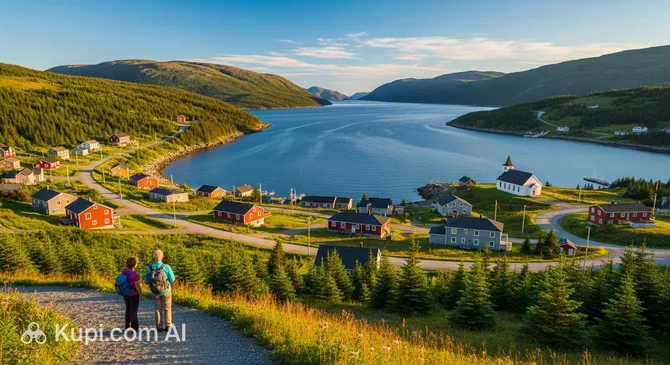
Discover the serene beauty of Makkovik, a picturesque community located on the coast of Labrador within the autonomous region of Nunatsiavut. As part of the vast and diverse landscape of Canada, this town offers a unique blend of Inuit and Settler cultures, set against a backdrop of stunning northern wilderness.

With a small population of approximately 375 residents, Makkovik is known for its tight-knit community and welcoming spirit. The area is geographically distinct for the Moravian Woods, a dense forest stand that is surprisingly lush for this latitude, making it a unique botanical feature in the subarctic environment.

Makkovik. Source: Kupi.Binoculars

Visitors interested in the past can delve into the history of Makkovik, which began as a trading post and later became a Moravian mission station in the late 19th century. This heritage is beautifully preserved at the White Elephant Museum, a must-visit attraction where you can view artifacts, photographs, and learn about the fascinating local way of life.

Nature lovers will appreciate the town's scenic walking trails, such as the Poet's Path and the boardwalk, which wind through the forest and offer spectacular views of the Atlantic Ocean. Whether you are looking to experience authentic northern culture, spot icebergs in the distance, or simply seek tranquility in nature, Makkovik invites you to experience its unique charm.

Weather Overview

Understanding the local climate is essential when packing for your trip to Labrador. The weather in Makkovik is generally subarctic, featuring long, cold winters and short, cool summers. The coldest period typically occurs in February, where temperatures average around -15.4°C and can drop to lows of -18.5°C.

Summer offers a milder respite, particularly in August, which is the warmest month with average temperatures of 12.6°C and highs reaching 15.5°C. Regardless of the season, precipitation is a constant companion; although the monthly accumulation is low (often around 2mm to 4mm), the frequency of wet days is high, ranging from 9 days in February to 17 days in December. Expect cool, damp summers and cold winters with frequent light precipitation throughout the year.

Interesting Facts

Beyond the main attractions, Makkovik holds many fascinating secrets that reveal the depth of its heritage. From curious architectural nicknames to ancient roots, the town’s history is full of surprises.
  • The "White Elephant" Mystery: The town's museum is housed in a historic building constructed in 1915, originally intended as a boarding school. It earned the local nickname "The White Elephant" because it was rarely used for its original purpose and became costly to maintain. Over the decades, it served as a nursing home, a clinic, and a teacher's residence before finally finding its true calling as a museum preserving the community's past.

  • A Tale of "Two" Places: The name "Makkovik" is widely believed to be derived from the Inuktitut word Maggok, meaning "two," combined with vik for "place." This likely refers to the town's distinct geography, situated between two major inlets—Makkovik Harbour and Makkovik Bay—or potentially the two large brooks that flow into them.

  • Norwegian Roots: While the region has been inhabited by Inuit for centuries, the modern settlement has a specific European connection. It was established as a trading post in 1860 by Torsten Kverna Andersen, a Norwegian immigrant. Along with his wife Mary Ann Thomas, he built the foundation for the permanent community that exists today.

  • Strategic Cold War History: In the 1950s, the area became a strategic location for continental defense with the construction of a radar station at Cape Makkovik. Built and operated by the United States Air Force to monitor northern airspace, this installation brought new infrastructure and employment opportunities, significantly influencing the modernization of the community.

  • The First Landing Site: Just east of the harbour lies Ford's Bight (historically Nisbet Harbour), which is the site of the very first Moravian landing in Labrador in 1752. Although that initial expedition led by Johann Christian Erhardt ended in tragedy, it marks a significant historical spot that predates the permanent mission stations established later along the coast.

How to Get There

Reaching Makkovik is an adventure into the heart of the Labrador coast. Due to its remote location, the community is not connected to the main North American road network, making air and sea travel the primary means of access. For a detailed breakdown of routes and schedules, you can read more about how to get to Makkovik on our dedicated page.

Most travelers heading to this region will first pass through Goose Bay Airport (YYR), which serves as the major transportation hub for Labrador. Located in the city of Happy Valley-Goose Bay, approximately 213 km from Makkovik, this airport handles flights from major Canadian cities. From here, visitors typically transfer to a smaller regional airline for the final leg of the journey to the coast.

Another regional connection point is Rigolet, situated in the town of Rigolet. It is located about 111 km from Makkovik. While significantly closer than Goose Bay, it is a smaller destination primarily serving the immediate coastal area. Travel between these communities is generally conducted by scheduled flights or, during the summer months, by coastal ferry service, as there are no roads linking them.

For clarity, here is a summary of the main airports in the region:

Airport Name City Passenger Traffic Km from City
Goose Bay AirportHappy Valley-Goose BayMedium213.1
NainNainSmall226.3
RigoletRigoletSmall111.1

There is no railway service to Makkovik or the surrounding coastal region of Labrador. The rugged terrain and remote geography mean that trains are not a viable option for reaching this destination. Visitors should plan to rely on air travel or marine transport to explore this beautiful part of the province.

Main Attractions

While Makkovik is a small community, it offers a surprising wealth of cultural and natural attractions that reflect its unique heritage. Visitors can immerse themselves in local traditions, explore the subarctic landscape, and discover the artistic talents of the Inuit and Settler people who call this coast home.

The White Elephant Museum serves as the community's primary archive, offering a deep dive into the region's cultural legacy through its extensive collection. Inside, you can examine over 200 distinct artifacts that chronicle life on the Labrador coast. The exhibits feature traditional Inuit hunting tools and fishing gear, alongside original Moravian mission diaries and cherished family heirlooms. This curated selection allows guests to connect directly with the personal stories and daily struggles of the people who shaped the town's history.

For a unique outdoor experience that blends nature with literature, the Poet's Path is a highlight. Winding through the sheltered Moravian Woods, this trail offers a distinct atmosphere compared to the open tundra. As you walk beneath the canopy of trees, look for the small white plaques fastened to the trunks, each inscribed with a poem, scripture, or inspirational verse. These markers turn a simple hike into a reflective journey, inviting visitors to pause and contemplate the words amidst the quiet rustle of the forest.

To capture the best views of the area, head to the Makkovik Boardwalks. The community maintains an excellent network of wooden walkways, with the longest stretching up the hill to overlook the town. It is the perfect spot for a picnic or simply to admire the panoramic vistas of the colourful houses, the bustling harbour, and the distant Adlavik Islands. These boardwalks make the rugged terrain accessible to hikers of various skill levels and provide excellent vantage points for photography.

No visit is complete without exploring the local arts scene at the Makkovik Craft Centre. The region is renowned for its skilled artisans, and the centre offers a chance to purchase authentic handmade items. Visitors can find exquisite sealskin products, such as mitts and slippers, as well as intricate beadwork, knitted goods, and carvings. It is an excellent place to find a unique souvenir while supporting the local economy and preserving traditional craftsmanship.

Local Cuisine

The culinary landscape of Makkovik is deeply rooted in the traditions of the Labrador coast, where the rhythm of life is dictated by the seasons. Gastronomy here is not about fine dining restaurants, but rather about "country food"—wild, organic ingredients harvested directly from the land and sea. Visitors can expect hearty, wholesome meals that reflect the fusion of Inuit and Settler heritage, focusing on freshness and sustenance in a subarctic climate.

Seafood is naturally a cornerstone of the local diet. Arctic char and Atlantic salmon are the stars of the table, prepared in various ways ranging from pan-fried fresh catches to traditional smoking methods. A true local specialty to look for is dried fish, often referred to as pipitsi. This delicacy is made by air-drying fish in the crisp northern wind, resulting in a jerky-like texture that serves as a high-energy snack, traditionally dipped in seal oil or eaten plain.

No meal in Makkovik is complete without bannock. This simple yet delicious bread, which can be baked or fried in a pan, is a staple at almost every gathering. It is the perfect accompaniment to stews made from wild game, such as moose or caribou, which are common during hunting seasons. For dessert, the local tundra provides a bounty of berries. Bakeapples (cloudberries) and redberries (partridgeberries) are harvested in late summer and transformed into rich jams, tarts, and puddings that offer a sweet contrast to the savory main courses.

When it comes to beverages, tea is the undisputed king of social interaction. The tradition of a "mug up"—stopping for a cup of tea and a chat—is central to the community's hospitality. While you won't find cocktail bars or nightlife, the warmth of a hot cup of tea shared with locals offers a genuine taste of northern culture.

Tourists should be aware that Makkovik is a small community with limited commercial dining options. You will not find street food stalls or fast-food chains here. Instead, meals are typically enjoyed at the dining rooms of local inns or guest houses, where the food is home-cooked and comforting. Community events and festivals are also excellent opportunities to sample traditional dishes prepared by residents, offering an authentic insight into the food culture of Nunatsiavut.

Travel Tips

Visiting a remote coastal community like Makkovik requires a bit more preparation than a standard city trip, but the reward is an unforgettable experience in the heart of Nunatsiavut. To help you navigate the unique logistics and local customs of this northern destination, here are some essential practical tips for your journey.

  1. Clothing and Gear: The weather in Labrador can be unpredictable, so the key to comfort is layering. Even in summer, bring a waterproof and windproof jacket, warm sweaters, and sturdy hiking boots for the rugged terrain. If you visit during the warmer months, high-quality insect repellent and a bug jacket are absolute necessities to protect against black flies and mosquitoes. For winter travel, specialized thermal gear, heavy parkas, and insulated boots are mandatory.

  2. Transportation: Forget about rental cars, taxis, or ride-hailing apps; Makkovik is a small, walkable community where everything is within a short distance. In summer, locals get around on ATVs or boats, while snowmobiles are the primary mode of transport in winter. As a tourist, your main method of getting around town will be on foot, so comfortable walking shoes are essential.

  3. Finances: The local currency is the Canadian Dollar (CAD). While the main general store may accept credit and debit cards, it is highly recommended to carry sufficient cash with you. Banking facilities are limited, and ATMs may not always be reliable or available. Be prepared for higher prices on groceries and goods compared to urban centers, as most items must be flown or shipped in.

  4. Health and Safety: There is a local community clinic staffed by nurses, but there is no hospital or 24/7 pharmacy in town. You must bring an adequate supply of any prescription medications and basic first-aid supplies with you. For serious medical emergencies, patients are airlifted to Happy Valley-Goose Bay, so ensure you have comprehensive travel insurance that covers medical evacuation.

  5. Communication: English is widely spoken and is the primary language of daily life, though you will also hear Inuktitut. Cell phone coverage is generally available within the community (typically via major providers like Bell), but signals can drop quickly once you leave the town center. Wi-Fi is often available at local guest houses or the community office, but speeds may be slower than what you are used to.

  6. Local Etiquette: The community is known for its friendliness, and it is polite to greet people you pass on the road with a smile or a wave. If you are invited into a local home, it is customary to remove your shoes at the door. Respect for elders is paramount in Inuit culture, so always show deference and listen when they are speaking.

  7. What to Avoid: Do not take photographs of residents, their children, or their private property without asking for explicit permission first. While the landscape is beautiful, avoid wandering far into the wilderness alone without notifying someone of your plans, as the terrain can be challenging and wildlife, such as black bears or polar bears, may be present.

  8. Embrace the "Mug Up": One specific local custom you should know is the tradition of the "mug up." This is a casual social break for tea and a snack, often involving homemade bread or sweets. If you are invited for a mug up, accept the hospitality; it is the best way to hear local stories, learn about the culture, and connect with the residents of Makkovik.

By keeping these practical tips in mind, you will be well-equipped to enjoy the warmth and beauty of Makkovik without any unexpected surprises. Respect the land and the locals, and you are sure to have a safe and enriching adventure on the Labrador coast.

Entertainment & Nightlife

Travelers arriving in Makkovik should adjust their expectations regarding nightlife before they land. Unlike bustling urban centers, this remote community of 375 people does not have a district filled with nightclubs, cocktail bars, or late-night discos. Instead, the evening entertainment here is defined by tranquility, natural wonders, and the warmth of community gatherings. The "nightlife" is less about partying until dawn and more about connecting with the land and the local people in a peaceful, intimate setting.

The true star of the show after dark is often the sky itself. During the fall and winter months, Makkovik becomes a prime location for viewing the Aurora Borealis (Northern Lights). Without the light pollution found in cities, the dancing ribbons of green and violet light up the pitch-black sky, providing a spectacular natural performance that rivals any laser show. For many visitors, simply bundling up and standing on the boardwalk or near the harbour to watch the stars is the highlight of their evening.

Social life in the evenings tends to revolve around organized community events rather than commercial venues. The Community Hall is frequently the heartbeat of the town after hours, hosting events such as bingo nights, dances, or community feasts. These gatherings are open to everyone and offer a genuine slice of local culture. Another key spot is the dining room at the Adlavik Inn, where visitors can enjoy a warm meal and chat with locals or fellow travelers. While it is not a pub in the traditional sense, it serves as a social hub where stories are swapped over hearty food.

Regarding alcohol and bars, options are very limited. There are no dedicated pubs or liquor stores where you can browse shelves late at night. Alcohol is generally ordered in by residents or available in limited capacities at licensed establishments like the inn. The atmosphere is casual and relaxed; the dress code is always practical—warm layers and comfortable boots are standard, even for an evening out.

Safety takes on a different meaning here. While you don't need to worry about urban crime, you must be vigilant about wildlife. Polar bears and black bears can wander near or into the town, especially after dark. It is highly advisable not to walk alone on the outskirts of the community at night. There are no taxi services or Uber drivers; getting around is done on foot within the lit areas of the town center, or by arranging a ride with a local host if necessary.

For daytime entertainment, the pace remains leisurely but engaging. Visitors can explore the White Elephant Museum to learn about Moravian history or visit the Makkovik Craft Centre to see artisans at work. Outdoor enthusiasts can spend their daylight hours hiking the Poet's Path, ensuring that by the time evening falls, a quiet night of rest or stargazing feels like the perfect end to the day.

Parks & Museums

While Makkovik is a small, intimate community, it boasts a surprising array of green spaces and cultural institutions that allow visitors to connect deeply with the land and its people. The town’s layout naturally integrates the rugged beauty of the Labrador coast with sites dedicated to preserving the unique blend of Inuit and Moravian heritage.

For nature enthusiasts, the Moravian Woods is an ecological marvel and a highlight of the local landscape. Unlike the typical treeless tundra found at this latitude, this area features a dense stand of spruce trees that provides shelter and a unique microclimate. Within these woods lies the Poet's Path, a serene walking trail that combines the tranquility of nature with spiritual reflection. As you stroll along the path, you will encounter quotations and verses attached to the trees, encouraging a meditative experience amidst the greenery.

Another significant outdoor area is the network of Makkovik Boardwalks. These well-maintained paths make the rugged coastal terrain accessible to walkers of all ages. The main boardwalk ascends the hill behind the community, rewarding those who make the climb with sweeping panoramic views of the harbour, the distant islands, and the vast Atlantic Ocean. It is an ideal spot for photography or simply breathing in the fresh, crisp northern air while watching for marine wildlife in the bay.

In terms of cultural preservation, the White Elephant Museum stands as the guardian of Makkovik’s history. Housed in a distinctive building with a storied past, the museum offers a comprehensive look at life on the coast over the last century. Exhibits include traditional Inuit tools, hunting equipment, and intricate clothing, alongside artifacts from the Moravian mission era. It provides a tangible connection to the resilience and adaptability of the ancestors who founded the community.

The Makkovik Craft Centre acts as both a gallery and a workspace, showcasing the living culture of Nunatsiavut. While not a museum in the traditional sense, it is the best place to witness the artistic heritage of the region. Here, local artisans display exceptional skill in sewing, beadwork, and carving. Visitors can admire—and often purchase—beautifully handcrafted items such as sealskin mitts and slippers, which reflect generations of knowledge passed down through families.

Architecturally, the Moravian Church is a central landmark that anchors the town’s historical identity. Its distinctive design, characteristic of Moravian settlements along the Labrador coast, features a bell tower and a simple, elegant interior. The church has long served as the spiritual and social hub of the village, representing the deep historical ties between the European missionaries and the Indigenous population.

For an authentic insider experience, consider taking the hike toward Cape Makkovik. While more challenging than the town boardwalks, this route leads towards the site of the old radar station. The journey offers a raw encounter with the subarctic wilderness and provides vantage points that few casual visitors get to see, perfect for those looking to explore beyond the beaten path.

Getting Around

Travelers planning a visit to Makkovik should be aware that the community does not possess a formal public transportation system. There are no buses, subways, trams, or scheduled shuttle services operating within the town. Due to its small size and remote location, the infrastructure is completely different from what you would find in a typical city, and getting around requires a shift in mindset towards more self-reliant or informal methods of travel.

The primary mode of transportation for visitors is simply walking. The community is compact, and most key locations—such as the general store, the craft centre, the museum, and the inn—are situated within a short distance of one another. The roads are unpaved gravel, so it is essential to bring comfortable, sturdy walking shoes or hiking boots. You can easily navigate the entire town on foot, enjoying the fresh air and the scenic views of the harbour along the way.

For locals, the definition of transport changes with the seasons. During the summer months, All-Terrain Vehicles (ATVs) and pickup trucks are the standard way to move people and goods. In the winter, when the ground is covered in snow and ice, snowmobiles become the essential vehicle for daily life. While there are no official rental agencies for these vehicles tailored to tourists, you may be able to arrange a guided tour or a ride through your accommodation provider or a local outfitter.

Payment systems like travel cards, mobile apps, or ticket kiosks do not exist here. Since there is no public transit, there are no fares to pay. If you do arrange a private transfer or a ride with a local guide, transactions are almost exclusively conducted in cash. It is highly recommended to carry sufficient Canadian currency with you, as electronic payment terminals are not available in vehicles and ATMs may be scarce or unreliable.

Regarding alternatives like taxis or ride-sharing apps, visitors should note that services like Uber, Lyft, or conventional taxi companies are not available in Makkovik. You cannot hail a cab on the street. Transport from the local airstrip to the town center is typically arranged in advance through your lodging host. It is crucial to confirm these details before you arrive to ensure you have a ride waiting for you upon landing.

Accommodation

Accommodation in Makkovik is reflective of its status as a small, remote coastal community. Visitors should not expect sprawling resorts, international hotel chains, or budget hostels. Instead, the options are limited to cozy, locally run inns and boarding homes that offer a warm, family-like atmosphere. These establishments focus on providing essential comforts and hospitality rather than luxury amenities, serving as a home base for travelers, government officials, and workers passing through the region.

Given the compact size of the town, location is rarely an issue when choosing where to stay. Most accommodation options are situated within the heart of the community, within easy walking distance of the harbour, the general store, and the airport. Staying centrally allows visitors to immerse themselves in the daily rhythm of the village, with easy access to the boardwalks and the shore.

The primary establishment serving the area is the Adlavik Inn. As the main hotel in town, it is a hub for social activity and dining, offering standard rooms with modern conveniences such as Wi-Fi and private bathrooms. It also houses a dining room that serves as one of the few places to buy a prepared meal in the community. Smaller boarding homes or bed-and-breakfast style lodgings may also be available, often providing a more intimate experience where guests might share facilities and meals with their hosts.

Booking in advance is absolutely critical when planning a trip to Makkovik. With very few rooms available in the entire town, occupancy can reach 100% quickly, particularly during the summer construction season or when government delegations are visiting. It is highly recommended to secure your reservation weeks or even months before your arrival to avoid being left without a place to stay.

Regarding costs and booking methods, travelers should be prepared for prices that fall into the mid-to-high range. The cost of operating in the north is significant, and room rates reflect the expense of heating, electricity, and shipping supplies to this isolated location. Major online booking platforms are generally not used here; reservations are typically made by calling the establishment directly or sending an email. Be prepared to pay by credit card or cash, and confirm payment methods when you book.

Nearby Cities

For those looking to explore beyond the immediate vicinity, Makkovik serves as a starting point for further exploration of the vast Labrador coast. Due to the remote geography, travel to neighboring communities typically involves flights or marine transport rather than simple road trips. However, these regional connections offer access to unique cultural and historical hubs worth the journey.

Happy Valley-Goose Bay acts as the central hub for the entire region. Located to the southwest, it is the primary gateway for travelers entering Labrador and offers attractions such as the Labrador Military Museum, which details the area's strategic importance. To the north lies Nain, the administrative capital of Nunatsiavut. As the northernmost permanent settlement in the province, it is a vibrant center of Inuit culture and serves as the jumping-off point for expeditions into the spectacular Torngat Mountains National Park.

City Population Distance (km)
Happy Valley-Goose Bay 8000 213
St. Anthony 2300 477
Wabush 2000 560
Blanc-Sablon 1200 430
Nain 1125 226

These nearby destinations offer a glimpse into the diverse culture and landscapes of the region, ranging from bustling regional hubs to serene coastal outposts.

Shopping & Souvenirs

Shopping in Makkovik is a distinct experience that reflects the lifestyle of a remote northern community. Visitors should not expect a commercial shopping district or high-street fashion brands. Instead, the retail scene is small, functional, and deeply community-oriented, focusing primarily on essential goods for residents and unique, handcrafted items that showcase the region's rich Inuit and Settler heritage.

The town does not have a designated shopping street or district. Retail activity is concentrated in a few specific buildings within the town center, all within walking distance of the harbour and the airstrip. The General Store serves as the lifeline of the community, stocking everything from groceries and fresh produce to hardware, clothing, and household supplies. For a tourist, this is the place to pick up snacks, personal care items, or any supplies you may have forgotten to pack.

There are no shopping malls, department stores, or chain outlets in Makkovik. The retail infrastructure is designed to sustain a population of fewer than 400 people, meaning large-scale commercial centers are non-existent. Travelers should arrive with all their major gear and specialized equipment, as finding specific electronics or luxury items locally is not possible.

While there are no traditional open-air flea markets or food markets, the Makkovik Craft Centre acts as the cultural marketplace for the village. This is the most significant shopping destination for visitors. It serves as a hub where local artisans display their work, offering a direct connection between the buyer and the maker. Occasionally, community fundraisers or sales may be held at the Community Hall, where you might find home-baked goods or local crafts.

When it comes to souvenirs, Makkovik offers some of the finest authentic handicrafts in Labrador. The best items to bring back are those made from traditional materials by local skilled artisans. Look for exquisite sealskin products, such as warm mitts, slippers, and coin purses, which are both practical for the climate and culturally significant. Other prized items include intricate beadwork, hand-carved soapstone or antler sculptures, and "Labrador tea dolls." For a taste of the land, a jar of bakeapple (cloudberry) jam or redberry jam makes for a delicious and easily transportable gift.

Store hours in Makkovik are generally limited compared to urban centers. The main store typically operates from Monday to Saturday, often closing around 5:00 PM or 6:00 PM, and may have reduced hours or be closed on Sundays. The Craft Centre may have variable hours depending on the season and staff availability, so it is wise to check locally upon arrival.

Regarding payment, the Canadian Dollar (CAD) is the only currency accepted. While the main General Store usually accepts debit and credit cards, the Craft Centre and smaller independent sellers may prefer or require cash. Since banking infrastructure is limited and ATMs can be unreliable or out of service, it is highly recommended to carry enough cash to cover your intended purchases.

Tourists visiting Canada should note that the federal Goods and Services Tax (GST) and provincial sales taxes are applicable to most purchases. There is no tax-free shopping refund program available for general visitors in Canada at this time. The price you see on the shelf will have tax added at the register, so budget accordingly.
Reached the end of the page?

That means the route is fully explored