Support

Natuashish

About

Nestled on the rugged coast of northern Labrador, Natuashish is a unique community that offers visitors a perspective on life in the remote wilderness of Canada. As an Innu First Nation settlement, it serves as a modern home for the Mushuau Innu people. The town is situated in the province of Newfoundland and Labrador, surrounded by pristine boreal forests and the icy waters of the Atlantic, creating an atmosphere of profound solitude and natural beauty.
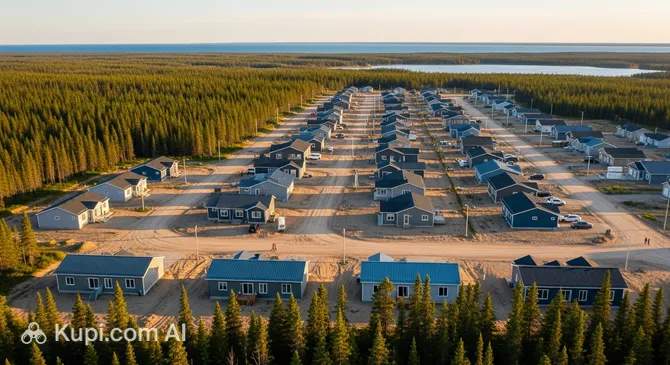
Natuashish. Source: Kupi.Binoculars

Geographically, Natuashish is located at Sango Bay, far removed from the hustle of major urban centers. With a population of approximately 1,000 residents, it is a tight-knit community accessible primarily by air or seasonal coastal boats. The climate here is subarctic, characterized by long, cold winters and short, cool summers, which shapes the local lifestyle and the breathtaking snowy landscapes that define the region for much of the year.

The settlement is relatively new, having been established in 2002. For those interested in the origins of the community and the journey of the Mushuau Innu, the history of Natuashish provides insight into the transition from the former site at Davis Inlet to this location. This move was a significant chapter in the community's effort to maintain their culture while seeking a sustainable future on the mainland.

Travelers who venture to this part of Labrador are often drawn by the unparalleled opportunities for outdoor adventure. The surrounding wilderness offers exceptional conditions for fishing and hunting, activities that remain central to the local way of life. Additionally, the stark beauty of the coastline provides a dramatic backdrop for hiking and photography, allowing visitors to witness the raw power of nature in the north.

Visiting Natuashish is an opportunity to experience the resilience and heritage of the Innu people amidst one of the world's most untouched environments. Whether you are seeking a deep connection with nature or a better understanding of Indigenous culture in the north, this remote community offers a memorable and distinct travel experience.

Weather Overview

The climate in this northern region is distinctly subarctic, defined by long, severe winters and brief, cool summers. During the coldest part of the year, particularly in January and February, average temperatures drop significantly to around -16°C to -17°C, with minimums often plunging below -20°C. Travelers visiting during these months must be prepared for freezing conditions, although the frequency of wet days is slightly lower than in the warmer seasons.

Spring arrives slowly, with temperatures in May averaging just above freezing at 0.7°C. The warmest weather occurs in July and August, yet it remains mild, with averages around 12°C and maximum temperatures rarely exceeding 16°C. Precipitation is a consistent factor during the summer, with July seeing up to 15 wet days. For precise conditions during your intended dates of travel, you can consult the detailed report on the weather in Natuashish.

Overall, visitors should expect cool summers with frequent precipitation and extremely cold winters where thermal protection is essential.

Interesting Facts

Beyond the main attractions of the rugged Labrador coast, Natuashish holds fascinating details about its origins and the resilience of its people. This community is not just a remote settlement; it is a modern testament to the enduring culture of the Innu in one of the world's most challenging environments.

  • A Name Rooted in Geography: The name "Natuashish" translates from the Innu-aimun language as "Little Sango Pond". This reflects the community's intimate connection to the local landscape, specifically its location near Sango Bay, which has long been a traditional area for the Innu people.

  • One of Canada's Youngest Towns: Unlike many settlements in Canada that date back centuries, Natuashish is incredibly young. It was established as a planned community in 2002, built entirely from scratch to replace the former settlement at Davis Inlet. This makes it one of the newest permanent Indigenous communities in the country.

  • People of the Barren Ground: The residents are known as the Mushuau Innu, which translates to "People of the Barren Ground." This distinct identity separates them from other Innu groups further south, highlighting their historical adaptation to the treeless tundra and their reliance on the George River Caribou Herd for survival.

  • The "Ice Highway": While Natuashish has no connection to the North American road network, winter transforms the region's accessibility. During the frozen months, the community becomes connected to neighboring settlements like Hopedale via an extensive network of snowmobile trails, which function as vital winter highways for locals.

  • A Ghost Town Nearby: Just 15 kilometers (9 miles) away lies the abandoned site of Davis Inlet (Iluikoyak). Since the relocation in 2002, the old village has remained uninhabited, serving as a silent, physical reminder of the community's past before their move to the mainland.

How to Get There

Reaching the remote community of Natuashish is an adventure in itself, given its location on the rugged coast of Newfoundland and Labrador. It is crucial for travelers to understand that there are no roads connecting this settlement to the rest of the continent. Therefore, access is primarily achieved by air or, during the summer months, by seasonal coastal boat. For a complete overview of travel options and logistics, you can read more about how to get to Natuashish.

The community does not receive direct flights from major international hubs. Instead, travelers typically route through Goose Bay Airport (YYR) in Happy Valley-Goose Bay, which acts as the main regional gateway. Located approximately 293 km south of Natuashish, this airport connects to larger Canadian cities. From here, visitors must transfer to smaller regional aircraft or charter flights to reach the local airstrip, as ground transport is not a viable option.

Another point of reference is the facility in Nain (YDP), situated about 78 km north of Natuashish. Like Natuashish, Nain is isolated from the road network. Travel between these coastal communities is strictly by air or boat, though in winter, locals often utilize snowmobiles over the frozen terrain. There are no highways linking these locations, so planning for air travel is essential.

For clarity, here is a summary of the nearest airports and their distances:

Airport Name City Passenger Traffic Km from City
Goose Bay Airport Happy Valley-Goose Bay Medium 293.1
Nain Nain Small 78.4
Rigolet Rigolet Small 258.0

Main Attractions

As a remote community on the northern coast of Labrador, Natuashish does not feature typical tourist sights like museums or amusement parks. Instead, the primary attractions here are the breathtaking, untouched landscapes and the deep connection to the land held by the Mushuau Innu. Visitors travel here to experience the raw beauty of the subarctic wilderness and the solitude of the "Big Land."

The community itself is centered around Sango Bay and the body of water known as Little Sango Pond. This area offers stunning views of the rugged Atlantic coastline, where the boreal forest meets the sea. It is an excellent location for coastal hiking and photography, providing a vantage point to watch for marine wildlife and observe the dramatic tides of the region. The natural harbor is the lifeline of the town, bustling with activity during the shipping season and serving as a gateway to the open ocean.

For angling enthusiasts, the nearby Adlatok River is a legendary destination. Renowned globally for its world-class Atlantic salmon fishing, this pristine river winds through a spectacular valley of spruce and rocky outcrops. It has attracted high-profile visitors from around the world, including former heads of state, who come to challenge the "King of Fish" in its native waters. While accessing the prime pools often requires a boat or floatplane charter, the river remains the crown jewel of outdoor recreation in this part of Labrador.

A short distance from the current town lies the site of Utshimassit, also known as Old Davis Inlet. Located approximately 15 kilometers away on Iluikoyak Island, this was the former home of the community before the relocation in 2002. While it is now an uninhabited ghost town, it stands as a poignant historical site that marks a significant chapter in the history of the Innu people. Visits can sometimes be arranged by boat in summer or snowmobile in winter, offering a somber but educational perspective on the community's resilience and past.

During the long winter months, the region transforms into a premier destination for snowmobiling and winter trekking. The frozen landscape opens up a vast network of trails that connect Natuashish to neighboring communities and traditional hunting grounds. For the adventurous traveler, traversing these "ice highways" offers an unparalleled way to see the Northern Lights (Aurora Borealis), which frequently dance across the dark skies above the town, undisturbed by light pollution.

Local Cuisine

The culinary experience in Natuashish is deeply rooted in the traditions of the Mushuau Innu and their reliance on the land. Unlike typical tourist destinations filled with restaurants and cafes, the food culture here revolves around "country food" (Nutshimiu-mitshim)—wild foods harvested directly from the surrounding wilderness. For visitors, this offers a rare chance to taste organic, locally sourced ingredients that have sustained the Innu people for thousands of years.

The diet is heavily meat and fish-based, reflecting the subarctic environment. Atlantic salmon and Arctic char are staples, often caught fresh from the local rivers and prepared simply—roasted over an open fire, dried, or smoked to preserve their rich flavor. During the appropriate seasons, wild game such as caribou, moose, and migratory birds like geese and ptarmigan are central to community feasts. These meals are typically accompanied by bannock, a dense and filling traditional bread that is a comfort food across the Canadian North, often served warm with jam or butter.

Berries play a significant role in the local palate, particularly in late summer and autumn. The boggy terrain surrounding the community yields an abundance of cloudberries (locally known as bakeapples), blueberries, and partridgeberries. These are eaten fresh, baked into desserts, or preserved as jams to be enjoyed throughout the long winter months. The sweetness of the berries provides a perfect contrast to the savory, smoky flavors of the wild game and fish.

When it comes to beverages, tea is the undisputed drink of choice. A pot of strong, hot tea is a constant companion, whether sitting in a kitchen or resting on a spruce bough during a hunting trip. It is important for travelers to note that Natuashish is a dry community. The possession and consumption of alcohol are strictly prohibited within the settlement. Visitors should respect this local bylaw and expect to enjoy non-alcoholic refreshments, such as pure water sourced from the pristine local landscape, during their stay.

Tourists should not expect a conventional dining scene with restaurants or street food vendors. There are no commercial eateries in Natuashish in the traditional sense. Instead, meals for visitors are usually provided at the local hotel or lodge where they are staying. In many cases, the most memorable dining experiences come from being invited to a community gathering or a local home, where the sharing of food is a fundamental act of hospitality and culture.

Travel Tips

Visiting Natuashish is a journey into the heart of the Labrador wilderness, requiring careful preparation and a respect for the local way of life. To help you make the most of your time in this remote Innu community, here are some practical tips to ensure a safe and culturally enriching experience.

  1. Pack for Extremes and Insects: The subarctic climate demands versatile clothing. In winter, heavy thermal layers, a high-quality parka, and insulated boots are mandatory to survive temperatures that plunge below -20°C. If visiting in summer, while days can be mild, the evenings are cool, so bring layers. Crucially, the summer months bring swarms of black flies and mosquitoes; a bug jacket and high-strength insect repellent are absolute essentials for your comfort.

  2. Getting Around Without a Car: There is no public transportation, metro, or ride-sharing service in Natuashish. The community is small enough to navigate by walking, which is the most common mode of transport for visitors. Locals often use ATVs in the summer and snowmobiles in the winter. Car rentals are not available, and since there are no roads connecting the town to the outside world, you won't need a vehicle.

  3. Cash is Essential: The local currency is the Canadian Dollar (CAD). While the local general store may accept debit and credit cards, system outages can happen due to the remote location. It is highly advisable to bring enough cash to cover your expected expenses, as ATMs may be unreliable or empty. Tipping is not a strict custom here but is appreciated for exceptional service at the local lodge.

  4. Respect the Alcohol Ban: This is the most critical rule for visitors: Natuashish is a dry community. The possession, sale, and consumption of alcohol are strictly prohibited by local bylaws. Do not attempt to bring alcohol into the community in your luggage, as it is subject to search upon arrival at the airport. Violating this rule is considered disrespectful and can lead to legal issues.

  5. Health and Medical Supplies: The community is served by a local clinic with nursing staff, but there is no full-service hospital. Serious medical emergencies require an air evacuation (medevac) to a larger center, which depends on weather conditions. Bring a sufficient supply of any prescription medications you need, as the local pharmacy stock is limited to basics. A small personal first-aid kit is also recommended.

  6. Communication and Connectivity: English is widely spoken and understood, though the primary language among locals is Innu-aimun. Learning a simple greeting like "Kwe" (Hello) is a nice gesture. Cellular service is available but can be spotty; check if your provider has coverage in Northern Labrador (often limited to major carriers). Wi-Fi is typically available at the community hotel or lodge, but speeds may be slower than what you are used to.

  7. Photography and Etiquette: The Innu people are welcoming but value their privacy. Always ask for permission before taking photographs of residents, their children, or their homes. It is polite to engage in conversation first rather than treating the community as a photo opportunity. Be mindful that you are a guest on their traditional territory.

  8. Bring Specialized Snacks: Due to the high cost of air freight, food prices at the local store are significantly higher than in southern Canada, and the selection of fresh produce or specialty items may be limited. If you have specific dietary requirements or favorite snacks, it is a smart "life hack" to pack them in your luggage before you fly in.

By arriving well-prepared and with an open heart, you will find that a visit to Natuashish offers a rare glimpse into a resilient culture set against a backdrop of stunning natural beauty. Respect the land and the local customs, and you are sure to leave with unforgettable memories of the "Big Land."

Entertainment & Nightlife

Travelers planning a trip to Natuashish must adjust their expectations regarding nightlife. Unlike cities with bustling entertainment districts, this remote community does not have nightclubs, bars, pubs, or a late-night party scene. As a dry community, the sale and consumption of alcohol are strictly prohibited by law. Consequently, the "nightlife" here is not about loud music and cocktails, but rather about tranquility, community connection, and the spectacular natural displays of the Labrador sky.

The primary evening entertainment in Natuashish is provided by nature itself. Located far from the light pollution of major urban centers, the town offers some of the best opportunities in the world for stargazing. On clear nights, the Milky Way is visible in stunning detail. During the fall and winter months, the sky frequently comes alive with the Aurora Borealis (Northern Lights). Watching these dancing ribbons of green and violet light reflect off the snow and the frozen waters of Sango Bay is a mesmerizing experience that far surpasses any club atmosphere.

Social life in the evenings revolves around community facilities and private gatherings. The Natuashish Community Centre is often the hub of local activity, hosting events such as bingo nights, feasts, or community meetings that visitors might occasionally be invited to observe. Similarly, the local Arena serves as a gathering spot, particularly during hockey season, where the community comes together to cheer on local youth. These venues offer a wholesome, family-oriented atmosphere rather than a commercial nightlife experience.

For visitors, the Natuashish Hotel serves as the main base for evening relaxation. While it does not have a bar, its common areas provide a warm place to unwind, read, or chat with fellow travelers and locals after a day of outdoor adventure. It is the closest thing to a social lounge for tourists in the settlement.

When moving around at night, safety is generally not an issue regarding crime, but environmental awareness is key. There are no taxi services, so getting around involves walking. It is essential to carry a flashlight, as street lighting can be sparse on the outskirts. Furthermore, visitors should be mindful of local dogs and, on rare occasions, wildlife such as polar bears or wolves that may venture near the town perimeter. It is always best to walk in pairs and stay within the central lit areas of the community.

During the daytime, entertainment is entirely focused on the outdoors. Without movie theaters or shopping malls, visitors spend their days exploring the rugged coastline, hiking near Little Sango Pond, or engaging in cultural exchange. In the winter, snowshoeing and watching snowmobile races are popular pastimes, while summer offers opportunities to watch local fishermen return with their daily catch, providing a glimpse into the traditional lifestyle of the Mushuau Innu.

In summary, the evenings here are for resting and appreciating the profound silence of the North. It is a place to disconnect from the noise of modern life and reconnect with nature.

Parks & Museums

Unlike traditional tourist destinations filled with manicured gardens and ticketed galleries, Natuashish offers a raw and immersive experience where the land itself is the park and the community is the living museum. Visitors here will not find city squares or exhibition halls; instead, they will discover a profound connection to the subarctic wilderness and a culture that has thrived in this challenging environment for thousands of years.

Sango Bay and Little Sango Pond serve as the community's natural recreational heart. The town is named after the pond (Natuashish means "Little Sango Pond"), and this body of water, along with the adjacent bay, offers stunning coastal views where the boreal forest meets the Atlantic Ocean. For visitors, this area provides a serene setting for walking along the shoreline, watching for seals and whales in the icy waters, or simply admiring the dramatic sunrises over the ocean. It is a place of quiet contemplation that replaces the concept of a city park with the vastness of the Labrador coast.

For those seeking a true wilderness experience, the Adlatok River is a legendary natural landmark located near the community. Renowned globally among anglers, this pristine river carves through a spectacular valley of spruce trees and rocky outcrops. It is famous for its world-class Atlantic salmon fishing and offers breathtaking scenery that captures the essence of the "Big Land." While accessing its prime spots often requires a boat or floatplane, the river represents the ultimate "green space" for outdoor enthusiasts visiting the region.

In terms of cultural heritage, the most significant historical site is Utshimassit (Old Davis Inlet). Located approximately 15 kilometers (9 miles) away on Iluikoyak Island, this abandoned settlement was the home of the Mushuau Innu before their relocation in 2002. Today, it stands as a ghost town and a poignant historical marker. Visiting the site offers a somber but educational insight into the recent history of the community, the challenges of the past, and the resilience required to build a new future on the mainland.

While there is no formal museum building, the Mushuau Innu Natuashish Recreation Centre acts as the cultural heartbeat of the town. This facility is more than just a sports venue; it is the central gathering place for community feasts, traditional drumming, and significant events like the Feast of St. Anne. For a tourist, being invited here during a celebration is the best way to experience the living culture of the Innu, witnessing traditions that are passed down orally and through shared experience rather than displayed in glass cases.

For a truly authentic experience, visitors should look to the hills surrounding the town during late summer. The slopes transform into a vibrant patchwork of color, rich with cloudberries (bakeapples) and blueberries. Joining locals for the berry harvest is a wonderful way to learn about the land's resources and hear stories from the elders, offering a personal connection to the culture that no guidebook can provide.

Getting Around

Travelers arriving in Natuashish should be aware that the community operates without any formal public transportation infrastructure. There are no buses, trams, metros, or scheduled shuttles circulating within the settlement. The town is small and compact, designed on a scale that does not require a complex transit network. Consequently, you will not find ticket machines, travel passes, or transport apps like Uber or Lyft, as these services do not exist in this remote region.

For the majority of visitors, walking is the primary and most practical mode of getting around. The community is laid out in a way that makes most essential services, such as the general store, the clinic, and the hotel, accessible on foot within 15 to 20 minutes. The roads are unpaved and gravel-surfaced, so the "payment system" here is simply investing in a pair of sturdy, comfortable walking boots. During the winter months, when snow packs down on the streets, ice cleats are highly recommended for safe pedestrian travel.

While there are no car rental agencies or official taxi companies with metered fares, the local culture of transport is heavily motorized due to the rugged terrain. You will notice that residents primarily use all-terrain vehicles (ATVs) and pickup trucks during the summer, and snowmobiles during the winter. These are personal vehicles rather than public transport, but they define the flow of traffic in the town. Tourists generally do not rent these vehicles, but if you are part of a guided excursion, your guide may provide transport via these methods.

It is important to note that hailing a cab is not an option here. In some cases, a local resident may offer a ride for a small cash fee, often referred to locally as a "taxi," but this is an informal arrangement rather than a regulated service. Prices for such rides, if available, are negotiated on the spot and are typically a flat rate of a few dollars. However, visitors should not rely on this as a guaranteed form of transport and should plan their daily activities assuming they will be walking.

A unique feature of the local "transport system" appears in winter: the ice roads and snowmobile trails. When the waterways and ground freeze, the frozen landscape becomes a highway connecting Natuashish to nearby cabins and hunting grounds. While not a public metro, this network is the lifeline of the community in the colder months. Visitors looking to experience this must do so with a local guide, as navigating the unmarked wilderness requires expert knowledge of the ice conditions.

Accommodation

Accommodation options in Natuashish are extremely limited, reflecting its status as a remote, residential community rather than a commercial tourist destination. Visitors will not find a variety of choices such as hostels, luxury resorts, or vacation rentals. Instead, the hospitality infrastructure is functional and designed primarily to serve visiting professionals, government workers, and the occasional traveler. The standard of accommodation is generally basic but comfortable, providing essential amenities needed for a stay in the subarctic wilderness.

Given the compact size of the settlement, location is not a significant factor when choosing where to stay. The community is small enough that any accommodation will be centrally located, within walking distance of the airstrip, the clinic, and the general store. Staying here means you are in the heart of the community, offering immediate access to the local lifestyle and the surrounding natural landscapes.

The primary, and often the only, establishment available for visitors is the Natuashish Hotel. This facility functions as the logistical base for anyone staying in the town. It typically offers standard rooms with private or shared bathrooms and is known for being the main social hub for non-residents. Since there are no independent restaurants in town, the hotel usually provides meals for its guests, serving hearty, home-style food. It is more than just a place to sleep; it is where travelers connect, eat, and relax after a day out in the cold.

Booking accommodation in Natuashish requires advanced planning. You cannot rely on online booking aggregators or mobile apps to secure a room. The most effective way to make a reservation is by calling the hotel directly. Due to the limited number of rooms and the steady flow of workers flying in, the hotel can be fully booked weeks in advance. It is strongly advised to confirm your lodging before purchasing your flight tickets, as arriving without a place to stay is not a viable option in this isolated region.

Travelers should be prepared for prices that are higher than average for the level of amenities provided. The cost of operating in the North—where fuel, food, and supplies must be flown or shipped in—is reflected in the room rates. Accommodation typically falls into a mid-to-high price range. While credit cards are generally accepted, it is wise to carry a backup method of payment. Service is practical and friendly, but amenities are focused on necessity rather than luxury.

Nearby Cities

Situated in the vast wilderness of Labrador, Natuashish is far removed from dense urban networks. However, it maintains vital links with several key communities across the wider region. These locations serve as essential transportation hubs, administrative centers, and cultural neighbors in the North, connecting the settlement to the rest of the province and beyond.

As the primary logistical hub for the area, Happy Valley-Goose Bay is the most significant connection for travelers. Located approximately 294 kilometers south, it hosts the main airport serving the coast and offers amenities such as the Labrador Military Museum. It is the commercial gateway where visitors often stop over to access services or transfer flights before heading further north to the coast.

To the northwest lies Kuujjuaq, the administrative capital of the Nunavik region in Quebec. Situated on the Koksoak River, it is a center for Inuit culture and provides access to the rugged tundra. Although distant, it shares a similar northern environment and cultural heritage, acting as a major node for the neighboring province.

Further inland, Wabush represents the industrial side of Western Labrador. Known for its massive iron ore operations, this town offers a stark contrast to the coastal quiet of Natuashish. It serves as a window into the mining history that drives much of the province's economy and offers extensive recreational trails.

City Population Distance (km)
Happy Valley-Goose Bay 8000 294
Kuujjuaq 2754 505
Tasiujaq 2000 614
Wabush 2000 501
Blanc-Sablon 1200 565

These destinations highlight the diverse geography and logistical networks that define travel and life in this expansive part of Canada.

Shopping & Souvenirs

Shopping in Natuashish is a strictly functional experience driven by necessity rather than leisure. Unlike tourist-heavy destinations in southern Canada, this remote community does not feature shopping promenades, boutiques, or souvenir shops. The retail landscape is designed to sustain the daily lives of the local residents, providing essential goods such as food, clothing, fuel, and outdoor equipment. Visitors should come prepared with the understanding that options are limited, and prices for all goods are significantly higher than the national average due to the high cost of air freight and shipping to this isolated region.

The entire retail sector of the town is effectively concentrated in the local General Store. This establishment serves as the commercial heart of the community, functioning as a grocery store, hardware shop, clothing outlet, and pharmacy depot all in one. Here, travelers can purchase basic supplies, snacks, personal hygiene items, and specialized gear suitable for the subarctic environment, such as heavy boots or parkas. It is the only place in town to restock on provisions, so it is a vital stop for anyone planning outdoor excursions.

There are no shopping malls, department stores, or chain retailers in Natuashish. The concept of recreational window-shopping does not exist here. The retail infrastructure is minimalist, catering solely to the immediate needs of the population. Travelers looking for luxury items, electronics, or fashion brands must purchase these in larger centers like Happy Valley-Goose Bay before flying into the community.

While there are no formal craft markets or souvenir stands, the artistic heritage of the Mushuau Innu offers a unique opportunity for visitors interested in authentic indigenous crafts. The best "shopping" for tourists involves connecting directly with local artisans. Innu craftspeople are renowned for their exquisite skill in working with caribou hide, creating items such as hand-sewn moccasins, mitts, and snowshoes. Intricate beadwork and traditional Innu tea dolls—historically used to carry tea during nomadic journeys—are highly prized cultural artifacts. To find these items, it is best to inquire at the Community Centre or the Band Council office, as sales are often informal and conducted from residents' homes.

Store opening hours are generally standard, operating from morning until early evening, though they may be reduced on weekends or holidays. Regarding payment, the General Store typically accepts major credit and debit cards. However, telecommunications in Northern Labrador can be unreliable, leading to temporary system outages. Therefore, it is strongly recommended that visitors carry sufficient cash to cover their purchases. Furthermore, Canada's Harmonized Sales Tax (HST) applies to most goods and services, and there is no specific tax-refund mechanism available for tourists within the community.

Reached the end of the page?

That means the route is fully explored