Support

Nain

About

Welcome to Nain, a captivating community that serves as the administrative capital of the Nunatsiavut government. As the northernmost permanent settlement in the province of Newfoundland and Labrador, this town offers a unique glimpse into the vibrant culture and traditions of the Inuit people. Situated on the rugged coast of Canada, Nain is a place where breathtaking wilderness meets a warm and welcoming community spirit.
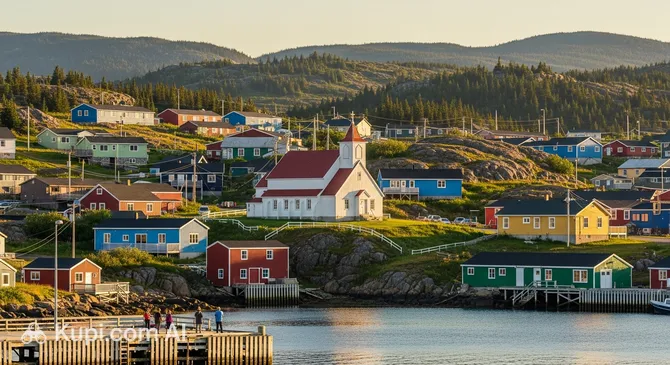
Nain. Source: Kupi.Binoculars

With a population of approximately 1,125 residents, Nain is a tight-knit community accessible primarily by air or sea, adding to its allure as a remote destination. The town is nestled among hills and sheltered by numerous offshore islands, providing a scenic backdrop that changes dramatically with the seasons. From the sparkling ice of winter to the lush greenery of the short northern summer, the local climate plays a central role in the daily life and activities of the region.

The settlement was established in 1771 by Moravian missionaries, making it one of the oldest continuous Inuit communities in the region. Visitors interested in the past can explore the rich history of Nain, which is deeply intertwined with both Indigenous heritage and European influence. The iconic white and green wooden church remains a significant historical landmark, symbolizing the town's enduring legacy.

For nature enthusiasts and adventurers, Nain is the primary gateway to the spectacular Torngat Mountains National Park. This pristine wilderness area offers unparalleled opportunities for hiking, wildlife viewing, and experiencing the raw beauty of the Arctic landscape. Within the town itself, the Illusuak Cultural Centre stands as a modern testament to the Labrador Inuit, hosting exhibitions that celebrate their language, stories, and artistic achievements.

Whether you are hoping to witness the mesmerizing Northern Lights dancing across the sky or wishing to immerse yourself in authentic Inuit culture, Nain promises an unforgettable journey. We invite you to venture north and discover the serene beauty and profound heritage of this extraordinary corner of the world.

Weather Overview

Travelers planning a visit to this northern community should be prepared for a subarctic climate with distinct seasonal changes. To ensure you pack appropriately for the conditions, it is advisable to consult the detailed weather in Nain before your trip, as temperatures can fluctuate significantly throughout the year.

Winters here are long and severe, requiring heavy thermal clothing. February is typically the coldest month, with average temperatures dropping to -18.4°C and minimums reaching as low as -21.7°C. Despite the intense cold, the volume of precipitation is recorded as quite low, often around 1mm to 3mm, though the landscape remains frozen and snow-covered for many months.

The summer season offers a brief but pleasant respite, with July and August being the warmest months. During August, the average temperature rises to 12.0°C, with maximums peaking around 15.5°C. Generally, you can expect cool summers with regular wet days and extremely cold winters. While the precipitation volume remains low, wet days are frequent, peaking at 14 days in July, so waterproof gear is essential for outdoor activities.

Interesting Facts

Beyond the scenic landscapes and cultural centers, Nain holds many fascinating secrets that highlight its distinct heritage and geology. Here are a few unique aspects of this remote community that often surprise visitors.

  • Birthplace of a Gemstone: The mesmerizing mineral Labradorite, famous for its iridescent play of blue and green colors, was originally discovered just east of Nain on Paul's Island in 1770. This stone is now the provincial mineral and is prized by jewelers worldwide for its "labradorescence."

  • A Unique Musical Tradition: Nain is home to a centuries-old tradition of Inuit brass bands. Introduced by early missionaries, this custom sees local musicians masterfully playing complex classical European hymns and chorales, creating a distinct soundscape that blends Indigenous culture with historical European influences.

  • True Isolation: This community is one of the few places in Canada that remains completely disconnected from the national road network. There are no highways leading here; the only way to arrive is by small aircraft or, during the ice-free summer months, by coastal ferry, making every visit a true expedition.

  • Ancient Geology: The ground beneath the town is part of the Nain Province, a geological area containing some of the oldest rocks on Earth. Geologists flock to this region to study rock formations that date back billions of years, offering a window into the planet's primordial history.

How to Get There

Reaching the remote community of Nain is a unique experience, as this northern settlement is not connected to the continental road network. Visitors typically arrive by air or, during the ice-free summer months, via coastal ferry service. For a detailed overview of all travel options and logistics, you can read more about how to get to Nain on our dedicated page.

The most direct way to reach the town is by flying into the local transport hub, Nain Airport (IATA: YDP). Located just 1.2 km from the center of the community, it serves as the primary link for residents and travelers alike. The journey from the airstrip to the town center is a very short drive by taxi or shuttle. While the facility handles a modest volume of passengers, it is an essential lifeline for the region.

For clarity, here is a summary of the main airport:

Airport Name City Passenger Traffic Km from City
Nain Nain Small 1.2

Main Attractions

Nain is a destination defined by its profound connection to the land and its vibrant Inuit heritage. While it is a remote community, it boasts several significant landmarks that offer visitors a deep dive into the history and culture of Nunatsiavut. From modern cultural facilities to historic religious sites, the attractions here tell the story of a resilient people living on the edge of the Atlantic.

The crown jewel of the town is the Illusuak Cultural Centre. Situated on the waterfront, this beautifully designed facility serves as the cultural heart of the region. Its architecture is inspired by the traditional Inuit sod house, and inside, visitors can explore permanent exhibits that showcase the language, history, and traditions of the Labrador Inuit. It is not just a museum but a community gathering space where you can view artifacts, listen to elders' stories, and understand the deep bond between the people and their environment.

For a glimpse into the colonial past, the Nain Moravian Church is a must-visit. As one of the oldest settlements in the province, Nain’s history is closely tied to the Moravian missionaries who arrived in 1771. The church, with its distinctive white weatherboard and green trim, stands as a historic monument to this era. It is often the venue for the community’s renowned brass band performances, a unique musical tradition that blends European hymnody with Inuit culture.

Although it lies north of the town, Torngat Mountains National Park is inextricably linked to Nain, which serves as the primary gateway for adventurers. Travelers gather here to charter flights or boats into the park, making the town a buzzing hub of anticipation during the summer months. Even if you are not heading deep into the mountains, the local operators in Nain can arrange boat tours to nearby fjords where you might spot polar bears, whales, and icebergs drifting along the coast.

For those who prefer to explore on foot, a hike up Mount Sophie offers the best vantage point in the area. Rising behind the town, the trail leads to a summit that provides panoramic views of the community, the airstrip, and the endless maze of islands in Unity Bay. It is a challenging but rewarding trek that highlights the rugged beauty of the subarctic landscape, especially during the long days of summer when the wildflowers are in bloom.

Local Cuisine

The culinary landscape of Nain is deeply rooted in the traditions of the Inuit people, revolving around what is locally known as "Country Food." This diet relies heavily on the harvest from the land and sea, offering visitors a unique opportunity to taste fresh, wild ingredients that are rarely found elsewhere. The most iconic staple is Arctic Char, which is prepared in various ways: smoked, fresh, or dried to make Pitsik, a traditional delicacy often eaten as a snack. Other wild game, such as caribou, ptarmigan (partridge), and seal, also features prominently in the local diet, often served in hearty stews that provide warmth and sustenance during the cold months.

For those with a sweet tooth, the region's subarctic tundra produces an abundance of berries that are central to local desserts and baking. Bakeapples (cloudberries) and partridgeberries (lingonberries) are harvested in late summer and transformed into jams, tarts, and lush toppings for cheesecake. A visit to the Cafe Illusuak, located within the cultural centre, offers a chance to sample these local flavours in the form of freshly baked goods while enjoying specialty coffees and a view of the harbour. It is a perfect spot to experience the fusion of traditional ingredients with modern comfort food.

The dining scene in Nain is intimate and community-focused, with limited commercial options for tourists. The primary venue for a sit-down meal is the dining room at the Atsanik Lodge, which serves a mix of standard Canadian cuisine and traditional local dishes depending on seasonal availability. When it comes to beverages, tea is an integral part of social life here, often enjoyed throughout the day. While alcohol is available at the hotel's lounge, it is worth noting that Nain has specific community regulations regarding alcohol to promote wellness, making the nightlife quiet and reserved compared to larger southern cities.

Travel Tips

Visiting a remote northern community like Nain requires a bit more preparation than the average getaway, but the reward is a truly authentic experience in the heart of Nunatsiavut. To help you navigate the unique logistics and local customs of this subarctic town, we have compiled a list of essential practical advice.

  1. Clothing and Gear: The weather here is unpredictable and often harsh. In winter, you absolutely need heavy-duty thermal gear, insulated boots, and windproof outer layers to handle temperatures below -20°C. If visiting in summer, bring waterproof hiking boots and dress in layers. Most importantly, pack a high-quality bug jacket or strong insect repellent, as black flies and mosquitoes can be intense during the warmer months.

  2. Transportation: There is no public transit system like a metro or bus network in Nain, and international car rental agencies do not operate here. The town is compact and walkable, which is how most visitors get around. For longer distances or airport transfers, there are local taxi services available. In winter, snowmobiles are the primary mode of transport for locals, while ATVs are common in summer.

  3. Finances: The currency is the Canadian Dollar (CAD). While the main general store and hotel accept credit and debit cards, systems can occasionally go offline due to connectivity issues. It is highly recommended to carry some cash, especially if you plan to buy soapstone carvings or crafts directly from local artisans. There is a bank branch in town with an ATM, but bringing a backup supply of cash is wise.

  4. Health and Safety: Medical services are provided by the local community clinic, which handles routine care and emergencies; serious cases are medevaced to larger centres. A unique safety concern here is wildlife: polar bears and black bears can venture near the town, especially along the coast. Always stay vigilant when walking on the outskirts, and never hike alone without a local guide who knows the terrain and wildlife risks.

  5. Communication: English is widely spoken and is the primary language of commerce, though you will hear many residents speaking Inuktitut. Cell phone coverage is available but can be spotty and is typically limited to major providers like Bell. Wi-Fi is available at the hotel and the Illusuak Cultural Centre, but speeds may be slower than what you are used to in urban centers.

  6. Local Etiquette: The community is tight-knit and friendly; it is customary to smile or nod at passersby. Elders hold a position of high respect in Inuit culture; always be polite, listen when they speak, and ask for permission before taking photographs of residents or their property. A simple "Aksunai" (hello/greetings) is a wonderful way to show respect for the local language.

  7. What to Avoid: Do not ignore local regulations regarding alcohol. Nain has specific by-laws concerning the possession and transport of alcohol to promote community wellness. It is best to be discreet and check current rules before arriving. Additionally, avoid walking on sea ice in the shoulder seasons (spring and fall) without local knowledge, as currents can make the ice unstable and dangerous.

  8. Shopping and Supplies: Be prepared for "northern prices" when buying groceries or supplies. Due to the high cost of air freight and shipping, everyday items are significantly more expensive than in southern Canada. If you have specific dietary requirements or need specialized toiletries, it is best to pack them in your luggage rather than relying on local availability.

By packing the right gear and respecting the local way of life, you will ensure that your trip to Nain is safe, comfortable, and culturally enriching. The residents are known for their hospitality, and a little preparation goes a long way in making your Arctic adventure a smooth and memorable one.

Entertainment & Nightlife

Visitors arriving in Nain expecting a bustling scene of nightclubs, discos, or neon-lit bars will find a very different, yet deeply authentic experience. Entertainment in this remote northern community is not defined by commercial nightlife districts but rather by quiet social gatherings, connection with nature, and community events. The pace here is relaxed, and the evenings are typically spent indoors with good company, sharing stories, or enjoying the warmth of a local gathering spot away from the subarctic cold.

The primary hub for evening socialization is the lounge at the Atsanik Lodge. As the main hotel in town, it serves as the living room for both visitors and locals. Here, you can enjoy a casual drink, play a game of pool, and meet a diverse mix of people, from government officials and researchers to local residents. The atmosphere is unpretentious and friendly, with a dress code that prioritizes comfort and warmth over style; jeans, sweaters, and fleece are the standard attire regardless of the hour.

For many travelers, the true "nightlife" in Nain takes place outside the town limits, specifically in the sky. During the fall and winter months, the lack of light pollution makes this one of the best places in the world to view the Aurora Borealis. Stepping out onto the porch or taking a short walk to a darker vantage point can reveal a spectacular display of green and violet lights dancing overhead, a natural performance that far outshines any city club.

It is important to be aware of local regulations regarding alcohol. Nain creates a safe and healthy environment for its residents, and while alcohol is available at the hotel lounge, the sale and transport of spirits can be restricted compared to southern cities. Events are often dry, focusing instead on food, music, and tradition. Practical advice for an evening out includes carrying cash, as card machines can be intermittent, and checking the opening hours, which are generally earlier than in urban centers.

Safety is a paramount concern when venturing out at night. While the streets are generally safe from crime, the surrounding wilderness poses a real threat. Polar bears and black bears are known to roam near the coastline and outskirts of town, especially after dark. It is highly advisable to use a taxi service, even for short distances at night, rather than walking alone. Local drivers are aware of wildlife movements and can ensure you get from the lodge to your accommodation safely.

During the daylight hours, entertainment shifts towards cultural and outdoor pursuits. The Illusuak Cultural Centre often hosts daytime workshops, film screenings, or community meetings that are open to the public. Additionally, the town's strong tradition of brass band music means you might stumble upon a rehearsal or performance, offering a unique auditory experience that blends European musical history with Inuit cultural expression.

Parks & Museums

In Nain, the concept of a "city park" is redefined by the vast, untamed wilderness that surrounds the community on every side. Rather than manicured gardens and fenced playgrounds, the green spaces here are rugged hills, coastal trails, and pristine shorelines that stretch as far as the eye can see. The town serves as a living museum of Inuit heritage, where culture is not just preserved behind glass but is practiced daily in the landscape and gathering places of the residents.

The most significant natural area associated with the town is the spectacular Torngat Mountains National Park. Although it requires a boat or charter plane to access, Nain is the official gateway to this Arctic wonderland. It is a place of dramatic fjords, jagged peaks, and roaming polar bears, offering an experience that rivals any national park on the planet. For those staying closer to town, the hike up Mount Sophie serves as the local recreational area. This natural landmark offers a challenging trek through subarctic terrain, rewarding hikers with breathtaking panoramic views of Unity Bay and the archipelago of islands that shelter the harbour.

For a deep dive into the region's history and culture, the Illusuak Cultural Centre is the premier destination. Standing proudly on the waterfront, this beautifully designed facility acts as the living room for the Nunatsiavut community. Inside, visitors will find a permanent exhibition that weaves together the threads of Labrador Inuit history, from ancient tools and archaeological finds to multimedia displays of oral histories. It is an immersive space where the architecture itself, inspired by traditional sod houses, tells a story of adaptation and resilience.

History enthusiasts will also find the Moravian Mission Complex to be an open-air gallery of the town's colonial past. Established in 1771, the site includes the iconic white-and-green wooden church, which is one of the oldest structures in the province. While not a traditional museum, the preservation of these buildings offers a tangible connection to the era of early European contact. Walking around the grounds provides insight into the unique blend of Moravian and Inuit traditions that defines the community's identity today, including the famous brass band music often heard echoing from the church.

For a truly authentic experience, ask a local guide about the best spots for berry picking during the late summer. The hillsides around Nain transform into a natural garden filled with bakeapples (cloudberries) and blueberries. It is a favorite local pastime that combines outdoor recreation with the gathering of traditional food, offering a peaceful way to connect with the land just steps away from the town center.

Getting Around

Visitors arriving in Nain should be aware that the public transport infrastructure differs significantly from that of larger urban centers. Due to the community's small population and remote location, there are no metros, trams, trolleybuses, or scheduled municipal bus services operating within the town. The settlement is compact, and the transport system is informal, relying primarily on private vehicles and specific local services rather than a complex public network.

The most common form of "public" transportation available to tourists is the local taxi service. There are typically one or two local operators providing rides within the town and to the nearby airstrip. These are not hailed on the street like in major cities; instead, you must call the dispatch number to arrange a pickup. Taxis are generally reliable, but availability can vary, especially late at night or during severe weather conditions.

Regarding payment, the system is straightforward and cash-based. Cash is the essential method of payment for taxi fares, as drivers do not usually carry card terminals or accept mobile app payments. Fares are typically charged at a flat rate for trips within the town limits, with a slightly higher set fee for transfers to and from the airport. It is highly advisable to carry small bills and coins in the local currency to pay for your rides.

For most visitors, walking is a viable and popular alternative for getting around the central area of the community. The town is small enough that the hotel, general store, cultural centre, and administrative buildings are all within a reasonable walking distance of one another. However, road conditions can vary; in summer, the roads are gravel and dust, while in winter, they are covered in packed snow and ice, requiring sturdy, non-slip footwear.

A unique feature of transport in Nain is the heavy reliance on seasonal vehicles. During the winter months, the snowmobile (locally referred to as a Skidoo) is the primary mode of transport for residents, effectively replacing the car. In the summer, ATVs (All-Terrain Vehicles) are ubiquitous. While there are no official "rental stations" for these vehicles like bike-sharing apps, tourists looking to travel further afield or experience the landscape often hire local guides who provide the necessary transport and safety gear.

Travelers should also note that there are no ride-sharing apps (such as Uber or Lyft) available in this region. If you have a flight to catch or a specific appointment, the best practical advice is to book your taxi in advance. Calling the taxi service 15 to 20 minutes before you need to leave is standard practice to ensure a driver is available, particularly during the busy morning hours when flights are arriving or departing.

Accommodation

Accommodation in Nain is quite limited, reflecting its status as a small, remote community on the edge of the wilderness. Visitors should not expect the variety of options found in larger cities, such as international hotel chains, luxury resorts, or budget hostels. Instead, the available lodging is functional, comfortable, and designed to serve as a warm "base camp" for professionals, researchers, and adventurous travelers exploring the Nunatsiavut region.

The primary and most well-known place to stay is the Atsanik Lodge. Situated in the heart of the town, this full-service hotel is the central hub for visitors. It offers standard amenities such as Wi-Fi, private bathrooms, and an on-site dining room, which is a significant convenience given the limited dining options elsewhere in town. The lodge also acts as a social gathering point, where you are likely to meet a mix of government officials, geologists, and fellow tourists.

When planning a trip to Nain, it is critical to book your accommodation well in advance. Because there are very few rooms available in the entire community, the hotel can fill up quickly, especially during the summer season or when there are government meetings and conferences taking place. Turning up without a reservation is risky and not recommended.

Regarding costs, travelers should be prepared for "northern prices." The cost of running a business in a fly-in community is high, and room rates generally reflect this, often falling into the mid-to-high price range compared to southern standards. Booking is typically done directly via phone or email, as the local establishment may not always be listed on major global booking platforms.

Nearby Cities

Given the vast and remote nature of the Canadian North, the concept of "nearby" cities refers to regional connections and transport hubs rather than immediate neighbors. Nain serves as a terminus for coastal travel, but it is linked by air to several key communities that play vital roles in the logistics and culture of Newfoundland and Labrador and the neighboring Nunavik region.

The most significant link is Happy Valley-Goose Bay, situated approximately 370 kilometers to the south. As the primary administrative and transport hub for Labrador, it is the main gateway for travelers flying into or out of Nain. The town offers a stark contrast to the coastal settlements, featuring a larger population, more extensive commercial services, and the Labrador Military Museum, which highlights the area's strategic history.

To the west, in the province of Quebec, lies Kuujjuaq. Located on the banks of the Koksoak River, this community is the administrative capital of Nunavik. While it belongs to a different province, it shares the rich Inuit heritage found in Nain. It is a major northern center that offers a distinct perspective on Arctic life, serving as a hub for the region's caribou migration routes and outdoor activities.

City Population Distance (km)
Happy Valley-Goose Bay 8000 370
Kuujjuaq 2754 440
Tasiujaq 2000 547
Wabush 2000 524
Blanc-Sablon 1200 643

These communities, though separated by hundreds of kilometers of wilderness, form a network of resilience and culture across the subarctic landscape.

Shopping & Souvenirs

Shopping in Nain is a distinct experience that reflects the practical realities of life in a remote northern community. Unlike bustling tourist hubs filled with boutiques and department stores, the retail scene here is small, functional, and focused on essential goods. Visitors will quickly notice the "northern pricing" phenomenon, where the cost of everyday items, particularly fresh food and perishables, is significantly higher than in southern Canada due to the expense of air freight and shipping. However, for those looking beyond groceries, the town offers unique opportunities to purchase authentic Indigenous art and locally sourced treasures that cannot be found anywhere else.

There is no designated shopping district or high street in the traditional sense. Commercial activity is concentrated within a few key establishments located in the center of town. The primary retail outlet is the local general store, which serves as a one-stop shop for everything from groceries and hardware to clothing and household supplies. This store is the lifeline of the community, buzzing with activity and serving as a place where residents cross paths daily. It is all within easy walking distance of the main wharf and the airstrip road.

Travelers expecting large shopping malls or chain fashion retailers will not find them here. Nain does not have any shopping centers; the retail landscape is comprised entirely of standalone local businesses and service providers. This absence of commercial sprawl adds to the town's charm, allowing visitors to focus on the natural beauty and cultural richness of the area rather than consumerism.

While there are no permanent market halls, the spirit of a market exists in the way local artisans share their work. Community craft sales are occasionally held at community halls or gathering spaces, particularly around holidays or special events. These pop-up markets are the best places to meet local creators face-to-face. In the absence of a scheduled market, the Illusuak Cultural Centre and the lobby of the Atsanik Lodge often feature displays of local crafts available for purchase, acting as curated marketplaces for visitors.

The true highlight of shopping in Nain is the chance to acquire incredible souvenirs rooted in Inuit culture and local geology. The region is the original home of Labradorite, a mesmerizing mineral known for its iridescent flashes of blue and green. Visitors can often find polished stones or handcrafted jewelry made from this local gem. Additionally, the town is renowned for its skilled artisans who produce exquisite soapstone carvings, intricate beadwork, and traditional clothing such as seal skin mitts and boots. Buying these items directly from the community ensures that your money supports local families and preserves traditional skills.

Store opening hours are generally standard, operating from around 9:00 AM to 5:00 PM or 6:00 PM on weekdays, with reduced hours on Saturdays and often closing on Sundays. When it comes to payment, major credit and debit cards are accepted at the main general store and the hotel. However, telecommunications in the north can be temperamental, and card terminals may occasionally go offline. It is highly recommended to carry a sufficient amount of cash (Canadian Dollars), especially if you plan to purchase crafts directly from an artist's home or a small vendor, where electronic payment may not be an option.

Regarding taxes, the standard Harmonized Sales Tax (HST) applies to most goods and services purchased in the province. There is no specific tax-free shopping refund system available for tourists at the point of sale in Nain. Visitors should anticipate the final price at the register to be roughly 15% higher than the sticker price due to the applicable taxes.

Reached the end of the page?

That means the route is fully explored