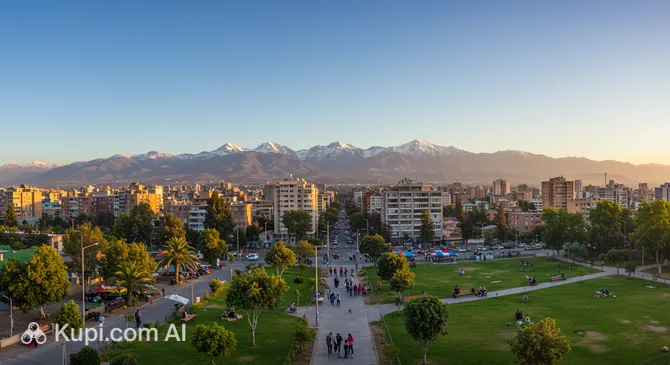
La Florida is a dynamic and densely populated district located in the southeastern part of Santiago, the capital of Chile. As one of the largest communes in the country, it harmoniously combines the features of a cozy residential suburb with a developed urban center. Home to approximately 400,000 people, it creates an atmosphere of constant movement and energy typical of a modern Chilean metropolis.
Geographically, La Florida sprawls at the foot of the majestic Andes, providing local residents with impressive views of the mountain peaks. The official history of the city began in 1899, when the territory was predominantly agricultural. Today, it is a fully urbanized zone with developed infrastructure, wide avenues, and an abundance of commercial spaces, attracting the middle class with its stability and safety.
La Florida. Illustration.
Source: Kupi.com AI
While La Florida cannot be called a classic tourist center, it is interesting to travelers as a place where you can see the real, unfiltered life of modern Chileans. It is home to some of the country's largest shopping centers and unique educational venues. Visiting this district is an excellent way to get off the beaten path and feel the rhythm of life in real Santiago, while enjoying proximity to the mountains and excellent transport accessibility.
Weather Overview
The climate of La Florida is typical for the central region of Chile—it is Mediterranean, with distinct seasons. The summer months, lasting from December to February, offer plenty of sunshine and high temperatures, which often reach +27°C or higher during the day. During this time, rain is a great rarity, and air humidity remains low, making it easier to endure the heat.
The winter period (June–August) brings cooler temperatures and the bulk of the annual precipitation. The average temperature in July is around +8°C, and at night, the thermometer can drop to +2°C. Expect moderately warm weather in spring and autumn, but always be prepared for rain during the winter. Online city weather updates will help you track current conditions.
A feature of the district's location in the valley is the probability of smog during winter months due to temperature inversions. The mountains surrounding La Florida sometimes trap cold air and exhaust fumes, which can affect air quality. However, after rain, the sky over the commune becomes crystal clear, revealing stunning views of the snow-capped peaks of the Andes.
Average monthly temperature
Average monthly precipitation
Interesting Facts
The name of the commune comes from the Spanish word "Florida", which translates as "flowering"—a reminder of the district's rural past when it was filled with orchards and farms.
La Florida holds an honorable 12th place among more than 340 Chilean communes in the Human Development Index, indicating a high quality of life in the district.
It is one of the most densely populated territories in the country: the population density here exceeds 5,200 people per square kilometer, creating the feeling of a true "city within a city."
According to statistics, the female population of the district predominates—census data shows that women make up more than 52% of the commune's residents.
Unlike many other districts in Santiago, La Florida is a fully urbanized territory, where the urban environment occupies 100% of the area.
How to Get There
Thanks to its location within the metropolitan region, La Florida enjoys excellent transport connectivity. The primary gateway for travelers arriving in Chile is Santiago International Airport, from where the commune can be reached by taxi or transfer. Detailed information on routes and travel options can be found on the page how to get to La Florida.
Traditional rail service is rarely used for trips within the district, as the metro system handles the main load. However, for those planning to travel around the country, Santiago's main station (Estación Central) remains a key hub, connected to La Florida by a direct metro line. This allows for quick travel from long-distance trains to the commune's residential neighborhoods.
Road links are also well-developed: important highways pass through the district, connecting the southeast of the city with the center. It is worth considering that during peak hours, a car trip from central Santiago can take about an hour due to heavy traffic. Buses of the Red system (formerly Transantiago) complement the transport network, linking La Florida with neighboring communes and major transport terminals.
Station
Passenger traffic
Distance
Estación Central
10
11 km
Estación Mapocho Cultural Center
6
11 km
Estación Rancagua
4
73 km
Estación Puerto
4
110 km
General Gutiérrez station
4
180 km
Main Attractions
Despite being primarily a residential area, La Florida can surprise travelers with its interesting locations. Sports fans should definitely visit the Colo-Colo Museum. This place is dedicated to the most popular football club in Chile, where you can learn about the history of legendary victories, see rare trophies, and feel the passion of local fans for the "beautiful game."
Colo-Colo Museum. Illustration.
Source: Kupi.com AI
Traveler photos:
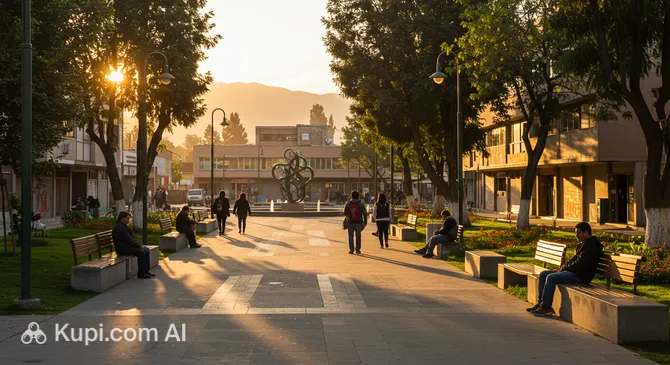
For those seeking outdoor relaxation amidst the urban landscape, Eduardo Frei Park is open to the public. This cozy green space is ideal for leisurely strolls and family outings. The park serves as an important recreation area where district residents engage in sports or enjoy picnics, making the most of these rare pockets of nature within the dense urban fabric.
Eduardo Frei Park. Illustration.
Source: Kupi.com AI
Traveler photos:
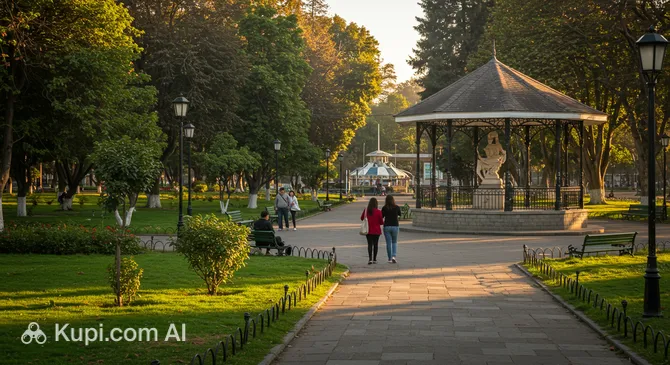
Another notable green zone is La Castrina Park. It attracts visitors with its calm atmosphere and well-maintained paths. This place demonstrates the commune's commitment to maintaining ecological balance and providing citizens with opportunities for quality outdoor leisure. Visiting such parks allows tourists to see the daily life of La Florida residents in a most natural setting.
La Castrina Park. Illustration.
Source: Kupi.com AI
Traveler photos:
Local Cuisine
The gastronomic scene in La Florida is a vibrant reflection of modern Chilean culture, where traditional recipes sit alongside popular fast food and international cuisine. It is definitely worth trying the classics of Chilean cuisine: juicy meat empanadas (pino), hearty cazuela soup, or pastel de choclo—a delicate corn casserole.
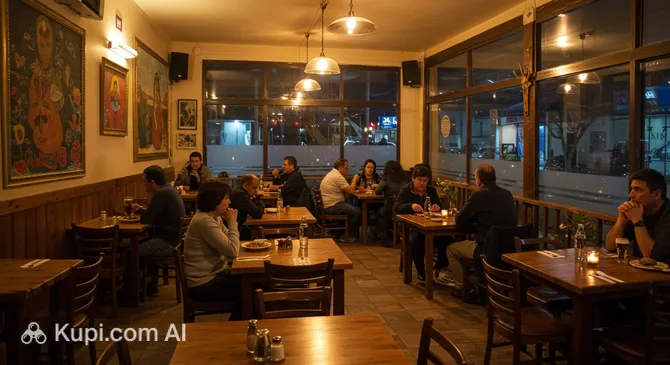
One of the most prominent representatives of local cuisine is the Ají Seco La Florida restaurant. It serves dishes with a characteristic Latin American flair, and the portions are generous. If you prefer familiar international brands and a quick American-style snack, Carl's Jr. is widely represented in the district, located in popular shopping areas.
Ají Seco La Florida. Illustration.
Source: Kupi.com AI
Traveler photos:
The dining culture in the commune is closely linked to large malls and street markets. On weekends, local families often head to restaurants in shopping centers or buy fresh pastries in small panaderías. As for drinks, you should definitely try the local wine or a refreshing non-alcoholic mote con huesillo—a traditional Chilean dessert drink made from dried peaches and husked wheat, which is especially good on hot summer days.
Travel Tips
Preparing for a trip to La Florida will help you feel confident in this bustling district of Santiago. Here are several proven tips to make your visit comfortable and safe.
Clothing and Essentials: Santiago has a Mediterranean climate, so bring light clothing and sunscreen in summer (December–February), and a warm jacket in winter (June–August). Even in summer, evenings are often cool. Don't forget comfortable shoes for walking around malls and parks.
Transport: The metro is your best friend. Buy a Bip! card immediately upon arrival and top it up at stations. Avoid traveling during peak hours (8:00–9:30 AM and 6:00–8:00 PM) when transport is overcrowded.
Finance: The official currency is the Chilean peso. Cards are accepted almost everywhere, but a little cash for small purchases at markets won't hurt. Tipping in restaurants is usually 10% and is often included in the bill as "propina sugerida."
Health and Safety: La Florida is generally safe, but keep an eye on your bags in crowded places. In winter, smog can occur in the Santiago valley, so people with allergies or asthma should monitor air quality forecasts.
Communication: The main language is Spanish. English is common in large shopping malls and chain hotels, but knowing basic Spanish phrases ("Hola", "Gracias", "¿Cuánto cuesta?") will be very helpful.
Local Etiquette: Chileans are friendly and often exchange a single kiss on the right cheek when greeting (even upon first meeting in an informal setting).
What to Avoid: Do not walk alone in unfamiliar, remote parts of the commune late at night. It is also not advisable to drink tap water without boiling it, although it is considered relatively safe in Santiago.
Extra Tip: Visit shopping centers on weekday mornings to avoid the huge crowds that gather there on weekends.
By following these simple rules, you can fully enjoy the hospitality and energy of this important district in the Chilean capital!
Entertainment & Nightlife
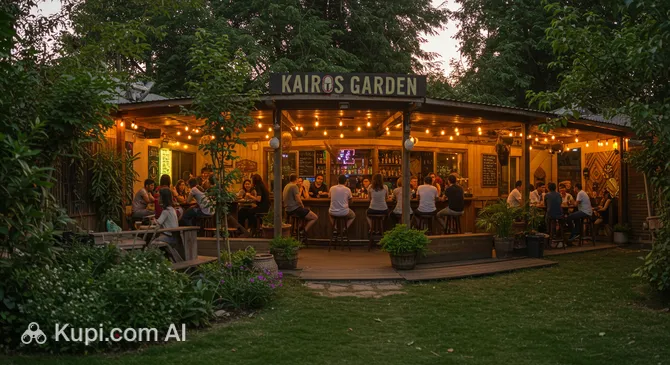
Entertainment in La Florida is mainly centered around large shopping complexes and central avenues. There are no bustling club districts like in central Santiago; however, local venues offer a soulful atmosphere for evening relaxation. Residents often spend time in cozy bars such as Kairos Garden, where you can enjoy drinks in a pleasant setting.
Kairos Garden. Illustration.
Source: Kupi.com AI
Traveler photos:
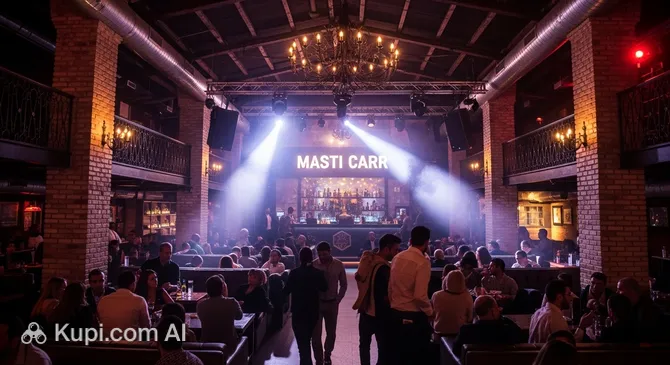
For fans of craft beer and casual socializing, Bar La Cervecería Macul is an excellent choice. This spot is popular with the local crowd thanks to its good selection of brews and friendly service. Those looking for a more energetic pastime with dancing and music can head to Masti Carr Restaurant and Nightclub, which combines gastronomy with nocturnal fun.
Masti Carr Restaurant & Nightclub. Illustration.
Source: Kupi.com AI
Traveler photos:
During the day, cinemas and bowling centers in the malls become the main points of attraction. It is worth noting that venues in the district close earlier than those in the tourist quarters of Providencia, so it is better to plan your evening in advance. For safe travel after dark, it is recommended to use official taxi apps, as public transport runs significantly less frequently toward midnight.
Parks & Museums
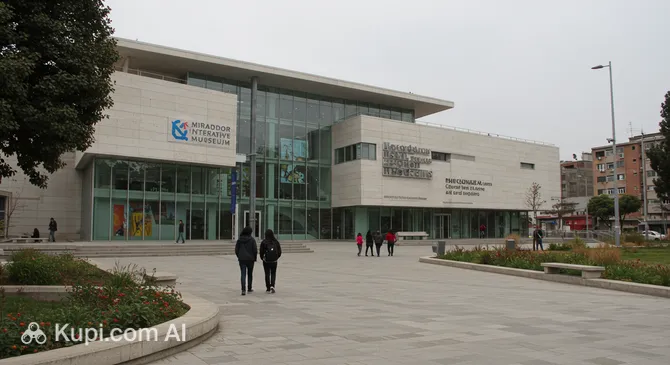
For cultural and educational leisure, La Florida has several iconic places that will interest both children and adults. The gem of the district is undoubtedly the Mirador Interactive Museum (MIM). This is a unique space where science meets play: visitors can independently conduct physics experiments and study the laws of chemistry and biology through interactive exhibits. It is one of the best science museums in all of South America.
Mirador Interactive Museum. Illustration.
Source: Kupi.com AI
Traveler photos:
The commune's park infrastructure is designed to compensate for the high density of urban development. Small squares and alleys are scattered throughout the district, serving as places for daily walks. Although there are no giant forest parks here, the well-kept nature of local recreation areas is a pleasant surprise. They reflect the character of La Florida as a residential area for family life, where the ability to spend time outdoors near home is highly valued.
Visiting the MIM museum and walking through the nearby green zones allows you to swap the noise of shopping centers for intellectual relaxation and contemplation. Tourists planning a visit to the interactive museum are advised to allocate at least half a day for it, as the abundance of exhibits captures the attention of both children and parents for hours. This is a bright example of how a modern residential district can become an important cultural and educational hub.
Getting Around
Public transport is the pride of La Florida, making life in this district as convenient as possible. The Santiago Metro (Lines 4, 4A, and 5) plays a key role, traversing the commune and linking it with the business center and other important points in the city. The metro operates quickly and reliably, although during morning and evening peak hours, the cars can be quite crowded.
To pay for travel on all city transport, including the metro and Red system buses, a contactless Bip! card is used. You can top it up at any metro station or at specialized points of sale. The system allows you to make transfers between buses and the metro within a limited time without additional charge, which significantly saves a traveler's budget.
Bus routes cover parts of La Florida where the underground lines have not yet reached, though they are heavily dependent on traffic conditions. As an alternative, many residents use taxis or popular mobile apps (Uber, Cabify). Cycling infrastructure in the district is gradually developing, but the metro remains the primary way for tourists to move around quickly.
Accommodation
Since La Florida is primarily oriented toward permanent residents, the classic hotel sector here is more modest than in the historic center of Santiago. Most offers for short-term stays are represented by modern apartments in residential complexes and small apart-hotels. This is a great option for those who want to feel like a local, having a kitchen and familiar home comforts at hand.
When choosing a place to stay, tourists are strongly encouraged to select properties located within walking distance of metro stations (especially Line 4 and Line 5). This will ensure mobility and allow you to avoid dependence on traffic jams. Areas near major shopping centers, such as Florida Center, are considered the most convenient in terms of infrastructure, as shops and cafes are always nearby.
Accommodation prices here are often lower than in upscale districts like Las Condes, making La Florida attractive for budget travelers and expats. During peak seasons (the Chilean summer from December to February), it is better to book accommodation in advance through popular online services. If you are looking for luxury five-star hotels, you should consider options in neighboring central communes and use La Florida for day visits or meetings.
Nearby Cities
La Florida serves as an excellent starting point for exploring the metropolitan region and central Chile. Thanks to the developed metro system, you can be in the heart of Santiago in just half an hour to see the La Moneda Presidential Palace or climb Santa Lucía Hill. However, the commune's immediate neighbors are also worth attention.
Very close by are districts such as La Granja and San Joaquín, which allow for a better understanding of the Chilean capital's layout. It is also worth noting Peñalolén, where you can find interesting ecological parks and vineyards at the foot of the mountains. For those ready for longer trips, the famous coastal cities of Valparaíso and Viña del Mar are about an hour and a half away.
Exploring the surroundings of La Florida allows you to see the contrasts between dense urban development and the majestic nature of the Andes. Whether it's a short trip to neighboring San Ramón or a visit to modern El Bosque, each direction will reveal a new facet of life in this massive metropolis.
Shopping & Souvenirs
Shopping in La Florida is one of the main pastimes for local residents and a significant reason for tourists from other parts of the city to visit. The district is famous for its large-scale shopping centers, which offer a colossal selection of goods: from global clothing brands to exclusive Chilean products. You can find absolutely everything needed for modern living here.
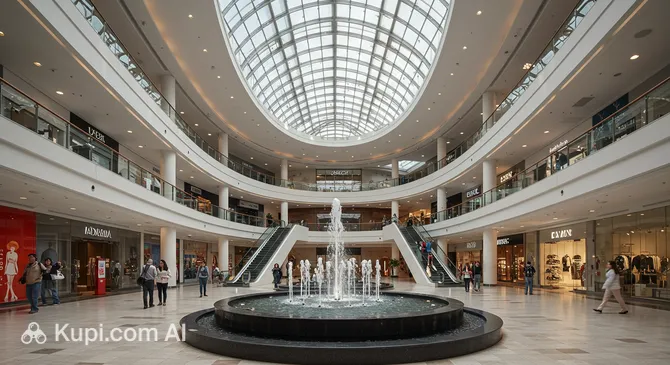
The main point of attraction is the Florida Center mall. This is a giant complex housing hundreds of stores, food courts, and entertainment zones under one roof. For those looking for great deals and discounts, Patio Outlet La Florida is the ideal place, featuring collections from famous brands at reduced prices.
Florida Center. Illustration.
Source: Kupi.com AI
Traveler photos:
Shops typically operate from 10:00 AM to 8:00 PM or 9:00 PM, and credit card payments are accepted everywhere. As souvenirs from La Florida, you can bring back high-quality Chilean wines, leather goods, or rose oil-based cosmetics. If you are looking for authentic handmade lapis lazuli items, it is worth checking the specialized souvenir departments inside the major shopping centers.