Support

Puente Alto

About

Puente Alto is an energetic and one of the most populous cities in Chile, located in the Metropolitan Region. Serving as the administrative center of the Cordillera Province, the city is part of the Greater Santiago area. Despite its reputation as a primarily "bedroom" community of the metropolis, this place has its own unique rhythm, reflecting the daily life of the modern Chilean middle class.
\n\n
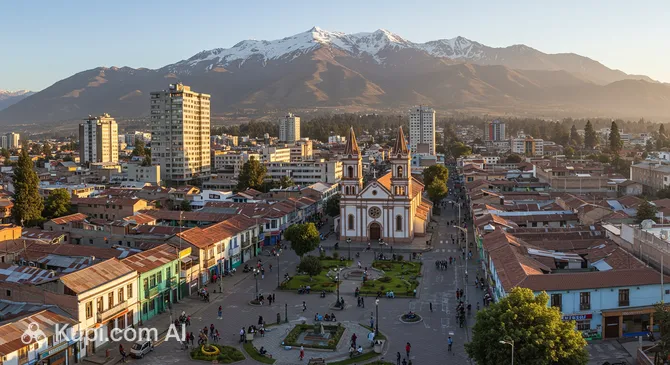
Puente Alto. Illustration.
Source: Kupi.com AI
\n\n

Geographically, the city stretches at the foot of the majestic Andes, providing residents and visitors with impressive views of the mountain peaks. With a population approaching 600,000, the city demonstrates incredible building density and chaotic yet lively urbanization. The modern history of Puente Alto began in the late 19th century when it was founded as a small settlement on the path to mountain passes.

\n\n

For a tourist, Puente Alto is interesting primarily as a point of contact with the real, unpretentious Chilean reality. Here you can feel the atmosphere of local markets, visit cozy parks in the foothills, or head to famous wineries located literally on the edge of the city limits. Visiting this city is a great opportunity to see Chile beyond the tourist postcards and experience the hospitality of the local residents.
Weather Overview

The climate in Puente Alto is classified as Mediterranean, typical for central Chile. Summers here are long, dry, and hot: from December to February, temperatures often rise to +28...+32°C, and rain during this period is a rarity. This is an excellent time to visit wineries, but keep in mind the strong solar activity in the foothills.

\n\n

Winter, lasting from June to August, brings coolness and the bulk of the annual precipitation. Daytime temperatures usually range between +12...+15°C, but frosts are possible at night near the Andes. It is in winter that the city is sometimes shrouded in smog due to temperature inversions in the valley. The transitional seasons—spring and autumn—are the most comfortable for walking, as they offer mild warmth and the vibrant colors of nature.

\n\n

When planning your wardrobe, focus on layering, as the temperature difference between a sunny day and a cool evening can be quite significant. You can find more detailed information and a current forecast in the weather in Puente Alto section.

Average monthly temperature

Average monthly precipitation

Interesting Facts

    \n
  • The city's name translates from Spanish as "High Bridge", referring to a historical crossing over the Maipo River.

  • \n
  • Puente Alto is officially recognized as the most populous city in Chile, surpassing even the central districts of Santiago in this metric.

  • \n
  • The population density here is impressive—it exceeds 6,455 people per square kilometer, creating an atmosphere of constant motion.

  • \n
  • The city was founded in 1898 and initially served as an important transport hub connecting the capital with the high-altitude regions of the Andes.

  • \n
  • Despite its urbanization, Puente Alto is located in the immediate vicinity of the Maipo Wine Valley, which produces some of the world's best wines.

  • \n

How to Get There

The most convenient way to reach Puente Alto is via the country's capital, as the city is an integral part of the Greater Santiago transport system. The main link is the metro—the blue Line 4 leads straight to the heart of Puente Alto. A trip from central Santiago takes about 45–60 minutes, though it is worth allowing extra time during peak hours due to large passenger volumes.

\n\n

For those who prefer air travel, the nearest air hub is the Comodoro Arturo Merino Benítez International Airport (IATA: SCL). The airport is located approximately 35–40 kilometers from Puente Alto. The easiest way to get to the city is by taxi or transfer, which takes from 45 to 90 minutes depending on the traffic on the Ruta 74 or Vespucio Sur highways.

\n\n
AirportPassenger trafficDistance
Arturo Merino Benitez Airport26.3 mln30 km
De La Independencia Airport66 km
Vina del Mar111 km
El Plumerillo International Airport2.3 mln187 km
San Rafael Airport48 000228 km
\n\n

Classic railway connections directly to Puente Alto are not available; however, you can use trains arriving at Santiago's Central Station (Estación Central) and then transfer to the metro or a bus. Intercity buses from other regions of Chile also arrive at Santiago's terminals, from where regular public transport services (the Red system) run to Puente Alto.

\n\n\n\n

If you are planning a trip by car, follow Avenida Concha y Toro, which is the city's main transport artery. You can find more detailed information about routes and tickets in the how to get to Puente Alto section.

Main Attractions

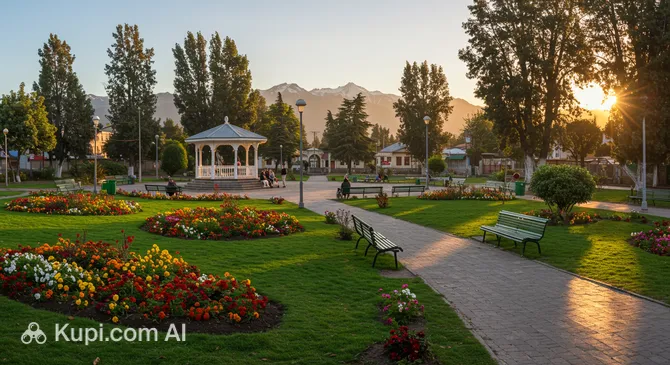
Although Puente Alto is mainly a residential area, there are several places that deserve travelers' attention. One of the most pleasant locations for a stroll is Nuestra Señora de Gabriela Park. This green space in the middle of the urban bustle is where locals like to spend time with their families, enjoying the peace and fresh air.

\n\n
Nuestra Señora de Gabriela Park. Illustration.
Source: Kupi.com AI

Traveler photos:

\n\n

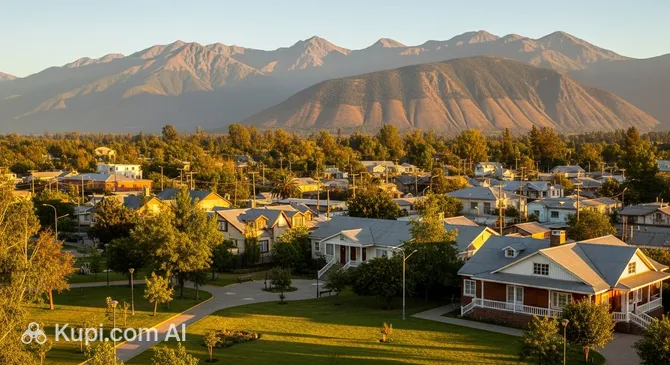
For those who want to feel close to the mountains, it is worth visiting Cordillera Park. This recreation zone is located closer to the foothills of the Andes and offers excellent opportunities for light hiking or a picnic in nature with views of the snow-capped peaks. This place contrasts with the dense development of the central streets and allows you to appreciate the natural beauty of the region.

\n\n
Cordillera Park Neighborhood. Illustration.
Source: Kupi.com AI

Traveler photos:

\n\n

The Plaza de Armas is also an important landmark of the city, around which life is always buzzing. For shopping and daily entertainment, visitors most often choose large commercial centers such as Mall Plaza Tobalaba, which has become a hub of social activity. Puente Alto serves as a convenient transit point for those heading towards Cajón del Maipo—a picturesque mountain gorge located very close by.

Local Cuisine

The cuisine in Puente Alto is steeped in the traditions of central Chile. Here, you should definitely try empanadas—hearty baked pastries filled with meat, onions, olives, and eggs (pino). Another signature dish of the region is pastel de choclo, a delicate corn casserole with meat and chicken, which is especially popular during the warmer months.

\n\n

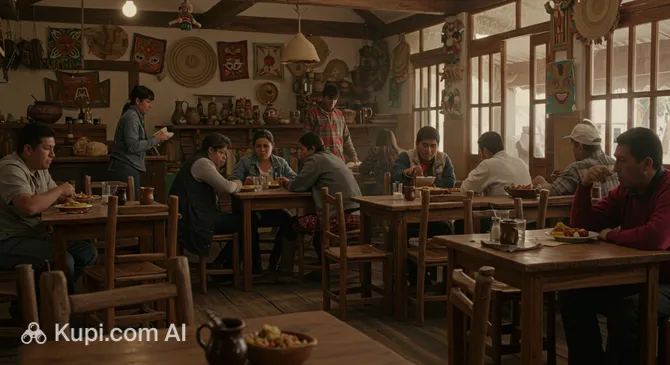
For those who want to get to know authentic flavors, we recommend stopping by Mote con Yapa. Here you can taste a classic Chilean drink-dessert—mote con huesillo, consisting of a dried peach, cooked wheat, and caramel syrup. It is the perfect refresher on a hot summer day and a local favorite.

\n\n
Mote Con Yapa. Illustration.
Source: Kupi.com AI

Traveler photos:

\n\n

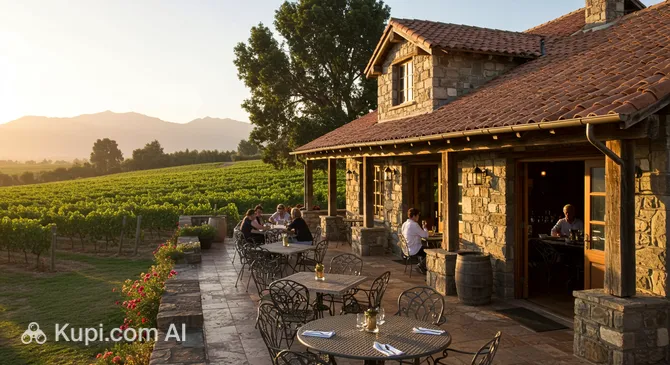
Winemaking holds a special place in the city's gastronomic culture. Some of the country's best vineyards are located literally on the border of Puente Alto. A visit to a place like the Concha y Toro Winery Restaurant will allow you not only to enjoy exquisite dishes accompanied by legendary Cabernet Sauvignon or Carmenere but also to see the world-class wine production process.

\n\n
Concha y Toro Vineyard Restaurant. Illustration.
Source: Kupi.com AI

Traveler photos:

\n\n

Street food in the city is represented by numerous stalls selling "completo" hot dogs (with a generous amount of avocado and mayonnaise) and asado grill bars where meat is cooked over coals. In the evening, locals often gather in shopping malls, where food courts offer both international fast food and traditional dishes in a more modern interpretation.

Travel Tips

Preparing for a trip to Puente Alto will help you make your journey comfortable and safe. These practical tips are based on the specifics of life in the most populous suburb of the Chilean capital.

\n\n
    \n
  1. Clothing and Protection: In summer, the city is very hot and sunny, so be sure to bring sunscreen and a hat. In winter, it can be cool and damp, so a light jacket is worth taking. For walks in the foothills of the Andes, you will need comfortable shoes with good grip.
  2. \n
  3. Transport: First of all, purchase a Bip! card—without it, you will not be able to use the metro or Red buses. Install a route planning app to avoid getting lost in the complex network of bus lines.
  4. \n
  5. Finances: The official currency is the Chilean Peso (CLP). Cards are accepted almost everywhere, but for markets and colectivo rides, always keep some small denomination cash in your wallet.
  6. \n
  7. Safety: Puente Alto is a busy city. Stick to well-lit central streets and shopping areas. Avoid walking through peripheral residential areas after dark and keep a close eye on personal belongings in crowds and on transport.
  8. \n
  9. Health: Tap water in Chile is considered safe, but due to high mineral content, tourists are recommended to drink bottled water to avoid stomach issues. In winter, smog is possible in the valley, so people with allergies should carry necessary medications.
  10. \n
  11. Communication: You can buy a SIM card (Entel, WOM, or Movistar) in any large shopping center, for example, in Mall Plaza Tobalaba. Wi-Fi is available in most cafes and malls.
  12. \n
  13. Etiquette: Chileans are friendly and appreciate politeness. A greeting like "Hola" and the use of the words "Por favor" (please) and "Gracias" (thank you) will help you quickly build rapport.
  14. \n
  15. What to Avoid: Do not engage in political discussions and do not display expensive jewelry or electronics on crowded transport—this will help avoid unnecessary attention.
  16. \n
\n\n

Puente Alto will reveal its best sides to you if you follow these simple rules. Have a pleasant and safe introduction to the real Chile!

Entertainment & Nightlife

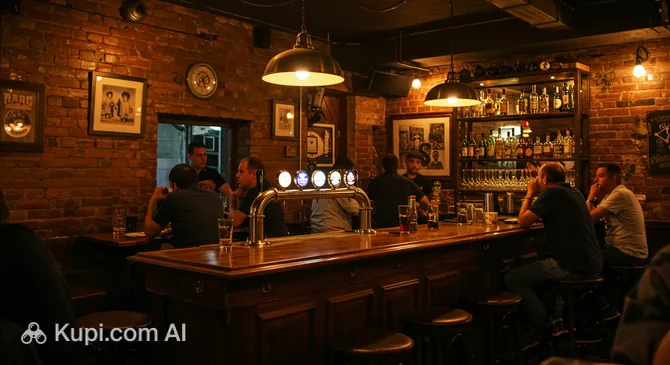
Nightlife in Puente Alto is local in character and does not strive for the scale of central Santiago, yet it has its own interesting spots. The hub of evening activity is the gastro-bars and pubs where the crowd gathers after a day's work. One of the popular places is Bar 38, offering a relaxed atmosphere, a good selection of drinks, and light snacks.

\n\n
Bar 38. Illustration.
Source: Kupi.com AI

Traveler photos:

\n\n

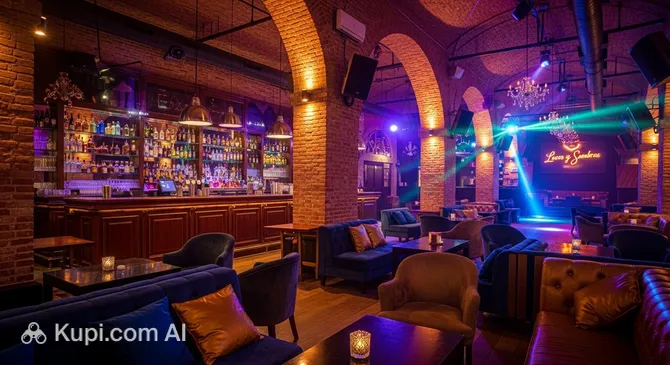
For those looking for a combination of dinner and dancing, Luces y Sombras Restobar is a great choice. This establishment attracts young people and groups of friends, offering music of various styles—from Latin American rhythms to modern hits. The atmosphere here is friendly, and the prices are significantly more affordable than in the fashionable districts of the capital. Parties here usually start closer to midnight at the end of the week.

\n\n
Luces y Sombras Restobar. Illustration.
Source: Kupi.com AI

Traveler photos:

\n\n

Daytime entertainment in the city is oriented towards sports and family recreation. Active tourists can check out Mundo Joven Futbolito and Padel to play football or padel tennis, which is very popular in Chile. Visiting the cinemas at Mall Plaza Tobalaba remains a popular leisure activity, where you can always find the latest global premieres.

\n\n
Mundo Joven Futbolito & Padel. Illustration.
Source: Kupi.com AI

Traveler photos:

Parks & Museums

Green zones in Puente Alto are of great importance for city residents' recreation in a densely built-up environment. The most significant place is considered to be Nuestra Señora de Gabriela Park, which delights visitors with well-maintained paths and shady spots. It is a wonderful place to escape the noise of the avenues and observe the life of the local residents.

\n\n
Nuestra Señora de Gabriela Park. Illustration.
Source: Kupi.com AI

Traveler photos:

\n\n

Fans of active recreation and panoramic views should head to Cordillera Park. This natural area is located in the eastern part of the city and serves as a kind of gateway to the Andes. Here you can make a small ascent to see Puente Alto and Santiago from a bird's-eye view. The park is especially beautiful at sunset when the mountains are painted in shades of pink.

\n\n
Cordillera Park Neighborhood. Illustration.
Source: Kupi.com AI

Traveler photos:

\n\n

Puente Alto has few large museums of its own, so the cultural program is often supplemented by visiting iconic places nearby. An important historical site is the Concha y Toro Winery, located on the city border, where ancient cellars and a 19th-century mansion are preserved. To experience the country's art and history, most residents prefer the museums of central Santiago, which can be reached quickly by public transport.

Getting Around

The public transport system in Puente Alto is closely integrated into Santiago's overall network called Red. The city's main advantage is the presence of Metro Line 4, which allows you to get to the capital's center quickly and affordably. Metro stations such as Plaza de Puente Alto are major transfer hubs connecting the subway with numerous bus routes.

\n\n

To pay for travel on the metro and buses, a Bip! card is required, which can be purchased and topped up at any station. Bus drivers do not accept cash. The cost of a trip depends on the time of day (it is higher during peak hours). Remember that the Bip! card allows for free transfers between the metro and buses within two hours from the first validation.

\n\n

Within the commune, colectivos are also popular—these are shared taxis that follow fixed routes. They cost slightly more than buses but travel faster. For more comfortable trips, you can use the Uber or Cabify apps. It is worth considering that during the morning (07:00–09:00) and evening (17:00–20:00) hours, the city's main thoroughfares are heavily congested, so travel by ground transport may take significantly longer.

Accommodation

The hotel infrastructure in Puente Alto is moderately developed, as most tourists prefer to stay in the central districts of Santiago. Nevertheless, one can find decent accommodation options here, primarily represented by apartments and private guest houses listed on popular booking services. Prices here are usually 20–30% lower than the capital's average.

\n\n

The most convenient area for staying is the city center (the Plaza de Armas area), as it provides quick access to the metro and shopping zones. Another interesting option could be accommodation in the Pirque area, where you can find rural estates or boutique hotels near wineries, such as the famous Concha y Toro Winery Restaurant.

\n\n
Concha y Toro Vineyard Restaurant. Illustration.
Source: Kupi.com AI

Traveler photos:

\n\n

If you plan a visit during national holidays (for example, during the Dieciocho in September), it is best to book accommodation in advance, as demand for affordable options rises sharply during this time. The primary method of payment is by credit card, though smaller guest houses may require cash payment in Chilean pesos.

Nearby Cities

Thanks to its location, Puente Alto serves as an excellent starting point for exploring the metropolitan region and the foothills of the Andes. Just a ten-minute drive away is the cozy town of Pirque. This place is famous for its rural atmosphere, old estates, and vineyards, where you can spend an entire day tasting the best Chilean wines and enjoying the silence of the foothills.

\n\n

Another interesting destination for a day trip is the neighboring district of La Florida, which offers a developed entertainment infrastructure, including large parks and shopping malls. If you want to feel the rhythm of the big city, the center of Santiago is easily reachable by metro, where you can see the La Moneda Presidential Palace or climb Santa Lucía Hill.

\n\n
CityPopulationDistance
La Pintana177 3355 km
La Granja116 5718 km
La Florida366 9169 km
Pirque16 5659 km
San Ramon94 9069 km
\n\n

For those who appreciate nature, Puente Alto opens the way to Cajón del Maipo—a picturesque mountain valley. There you can find thermal springs, waterfalls, and small mountain settlements. Exploring the city's surroundings will allow you to see Chile in all its diversity: from dynamic suburbs to serene vineyards and rugged mountain landscapes.

Shopping & Souvenirs

Shopping in Puente Alto is focused on practicality and variety, offering both modern shopping centers and colorful local markets. The main place for shopping is Mall Plaza Tobalaba—one of the largest malls in the southern part of the capital. It houses stores of international brands, large supermarkets, cinemas, and recreation areas, making it a popular spot for Sunday leisure.

\n\n

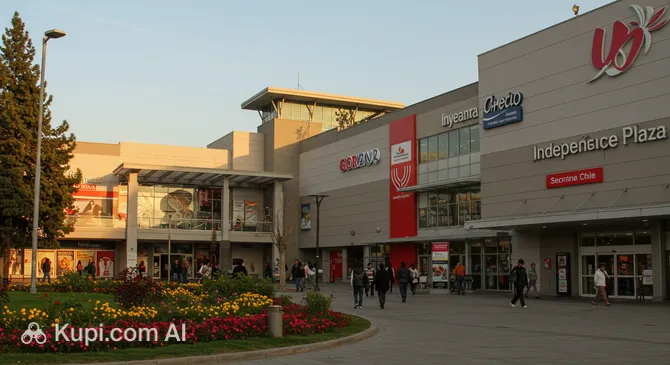
For those looking for goods at competitive prices, Urban Space Puente Alto is an excellent choice. This modern shopping space offers a wide range of clothing, electronics, and home goods. Another convenient location is Plaza Independencia — Puente Alto, situated in a busy area and ideal for quick shopping and a snack while walking through the city.

\n\n
Independence Plaza - Puente Alto. Illustration.
Source: Kupi.com AI

Traveler photos:

\n\n

For a more authentic experience, head to Mercado Central Puente Alto. This market is the heart of city commerce, where you can find the freshest vegetables, fruits, traditional Chilean spices, and seafood. As souvenirs from the city, you can bring back high-quality Chilean wine from the neighboring Maipo Valley, leather goods, or folk handicrafts made of copper.

\n\n
Urban Space Puente Alto. Illustration.
Source: Kupi.com AI

Traveler photos:

\n\n

Most shops in the shopping centers are open daily from 10:00 to 21:00. Credit cards are accepted everywhere, but in markets and small shops, it is better to have Chilean pesos in cash. Remember that Puente Alto is a place for "everyday life" shopping at good prices, where costs are often lower than in the tourist districts of central Santiago.

Nearby cities

Reached the end of the page?

That means the route is fully explored