Support

San Jose de Maipo

About

San José de Maipo is a charming town nestled in the heart of the majestic Andes. It is famous for its unique atmosphere, where it's easy to feel like a character in an Andean fairy tale. Narrow streets, preserved colonial architecture, small squares, and hospitable cafes with views of mountain peaks create the unique character of this place, attracting travelers seeking tranquility and a connection with nature.

The town is located just 48 kilometers southeast of Santiago, the capital of Chile, in the picturesque Cajón del Maipo gorge. Surrounded by mountain peaks, rushing rivers, and glaciers, San José de Maipo serves as a gateway to the Andes. With a population of 13,376 people, it maintains a provincial coziness and serves as the administrative center of the Maipo district, as well as a popular vacation spot for residents of the capital.
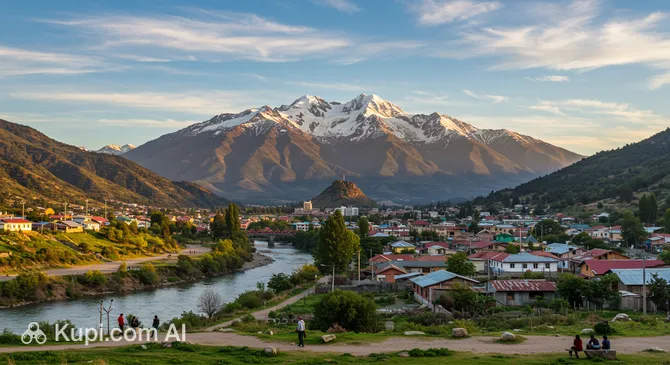
San Jose de Maipo. Illustration.
Source: Kupi.com AI

The main attraction of San José de Maipo lies in its proximity to unique natural sites and opportunities for outdoor activities. This is the starting point for breathtaking hiking trails leading to stunning viewpoints with vistas of glaciers and volcanoes. Local thermal springs are particularly popular, offering a place to relax after an eventful day. Additionally, it is a wonderful place to get acquainted with the authentic culture of the mountain dwellers.

If you dream of taking a break from the city bustle, breathing in crystal-clear mountain air, and enjoying the beauty of pristine nature, San José de Maipo is undoubtedly worth your visit. Here, everyone will find something to their liking—from extreme adventure enthusiasts to lovers of peaceful, contemplative relaxation and gastronomic discoveries.

You can find more interesting facts on the San José de Maipo history page.

Weather Overview

The weather in San José de Maipo has distinct seasons. Summer, especially in January and February, is warm and very dry here, with an average temperature of about 16.6°C (maximum daytime temperatures can reach 22°C) and a near-total absence of precipitation. Winter months, such as June and July, bring coolness: the average temperature drops to 1-2°C, night frosts are not uncommon, and precipitation increases, although it remains moderate (about 3-5 mm per month, with more rainy days compared to summer). Expect San José de Maipo to have a warm and very dry summer, followed by a cool winter with moderate precipitation. For a more detailed look at the city's climatic conditions throughout the year and to plan your trip, we recommend visiting the San José de Maipo Climate page.

Average monthly temperature

Average monthly precipitation

Interesting Facts

Beyond its picturesque landscapes and opportunities for outdoor activities, San José de Maipo holds many intriguing secrets and little-known details that make it even more attractive to curious travelers.

  • The town was founded back in 1792, and its history is inextricably linked to the development of silver and copper mines in the Andes. In the surrounding areas, you can still stumble upon traces of the past—ancient mines and abandoned miners' settlements, while local legends abound with tales of hidden treasures.

  • The mysterious Tinoco Tunnel is one of the region's hallmarks, shrouded in an aura of mystery and mysticism. It is said that it was built by prisoners and that its dark vaults still hold not only dark secrets but possibly ghosts, attracting thrill-seekers.

  • Very close to the town lies the stunning El Yeso Lagoon—a turquoise lake fed by glacial meltwater, which is rightfully considered one of the most photogenic places in Chile. The journey to the lagoon is an adventure in itself: you can admire majestic views of the San José volcano and, with a bit of luck, spot Andean condors soaring in the sky.

  • This mountain region is famous for its thermal springs, such as the popular Valle de Colina Thermal Baths. It is believed that their mineral-rich waters possess extraordinary healing powers, attracting many visitors every year seeking health improvement and total relaxation.

How to Get There

A journey to this picturesque corner of the Andes usually begins with arrival in the country's capital or neighboring regions. You can find more details on how to get to San José de Maipo on our dedicated page, which lists all available route options.

The main air gateway for tourists is Arturo Merino Benítez Airport (SCL), located in Santiago. It is the country's largest international hub, receiving flights from all over the world. There is no airport in the town of San José de Maipo itself, but the capital's air hub is only about 49 km away. A trip from there by taxi or rental car will take approximately 1 hour and 30 minutes, depending on Santiago traffic.

An alternative option, especially for those traveling across South America, could be El Plumerillo Airport (MDZ) in Mendoza, Argentina. It is located about 171 km from San José de Maipo in a straight line; however, the route passes through the high Andean mountain range and requires crossing an international border, which can significantly increase travel time. The drive will take at least 4-5 hours.

For your convenience, here is a summary of the main airports:

AirportPassenger trafficDistance
Arturo Merino Benitez Airport26.3 mln49 km
Vina del Mar130 km
El Plumerillo International Airport2.3 mln171 km
San Rafael Airport48 000208 km
San Juan Airport189 000293 km

There is no direct rail connection to San José de Maipo. The nearest metro and suburban train stations are in Santiago (for example, Metro Line 4 leading to the Puente Alto commune). From there, travelers usually transfer to local buses (colectivos) or taxis to head up the Maipo gorge. This is a popular and budget-friendly way to reach the town, allowing you to enjoy views of the foothills.

The most common way to get to San José de Maipo remains by road. Road G-25, known as Camino al Volcán, leads directly from Santiago into the heart of the gorge. it is paved and in good condition, making the trip comfortable at any time of year, although in winter (June-August), you should be prepared for potential snowfall in the highlands.

Main Attractions

San José de Maipo, a charming town located in the heart of the Chilean Andes, serves as a starting point for exploring the region's stunning natural beauty. Here, everyone will find something to their liking, from peaceful walks to extreme adventures, all while enjoying majestic landscapes and fresh mountain air.

The main attraction drawing thousands of tourists here is the Cajón del Maipo gorge itself. This vast valley, carved by the Maipo River, offers incredible scenery and opportunities for hiking of various difficulty levels, rafting, horseback riding, and stargazing. The majestic views of the Andes and the unique atmosphere make this place truly unforgettable for nature lovers and outdoor enthusiasts.

One of the most picturesque and popular spots in Cajón del Maipo is the El Yeso Reservoir. Its bright turquoise waters, surrounded by rugged mountain peaks, create a landscape of astonishing beauty, especially at sunrise or sunset. It is an ideal spot for photo sessions, picnics, and simple nature contemplation. The trip to the reservoir is an adventure in itself, revealing panoramic views of the Andes.

For those seeking relaxation and wellness, the Baños Morales Thermal Baths are a must-visit. These natural hot springs, rich in minerals, are located in a scenic mountainous area. Bathing in warm open-air pools with mountain views is a unique experience that helps relieve fatigue, restore strength, and enjoy the tranquility of this natural corner.

Trekking enthusiasts and lovers of untouched nature are recommended to visit the El Morado Natural Monument. This reserve offers routes to the impressive San Francisco Glacier and the picturesque Morales Lagoon. The path leads through alpine meadows and past majestic rock formations, rewarding travelers with stunning views of the glacier and the surrounding mountain peaks. This place showcases all the power and beauty of the wild Andean nature.

Local Cuisine

The gastronomy of San José de Maipo is a true immersion into the culinary traditions of the Chilean Andes. Shaped by the lifestyle of farmers and shepherds, the local cuisine features hearty and warming dishes perfect for the mountain climate. Simple yet rich flavors based on fresh local ingredients are highly valued here.

Be sure to try the famous thick soups that will warm you up after an active day. Notable among them are caldillo de cabrita—a rich goat stew with potatoes and vegetables, and cazuela—a fragrant homemade soup with meat, corn, and squash. Another point of regional pride is the fresh goat cheese produced on small family farms. It is often served with homemade bread, local honey, or used as a filling for traditional pies.

On the streets and in the markets of San José de Maipo, you will find a variety of empanadas—popular pastries with meat, cheese, or vegetable fillings that are perfect for a quick snack. Don't miss the chance to try pastel de choclo—a hearty corn casserole with meat. Local markets will also delight you with an abundance of fresh fruits, vegetables, and traditional sweets, such as the caramel cream known as manjar.

As for drinks, it is certainly worth trying the famous Chilean wines, which perfectly complement any meal. Additionally, local establishments often offer aromatic herbal liqueurs, which are part of the local culture and provide excellent warmth on cool evenings.

The food culture in San José de Maipo is closely tied to domestic comfort and tradition. Locals and tourists enjoy meals in small, cozy restaurants serving dishes prepared according to old recipes. Throughout the year, the town hosts small gastronomic festivals and fairs, which are especially colorful in spring and autumn. This is a wonderful opportunity not only to taste authentic dishes but also to meet local producers and artisans, as well as enjoy live music.

Travel Tips

Welcome to San José de Maipo, the gateway to the amazing Cajón del Maipo! To make your journey through this picturesque corner of Chile as comfortable and memorable as possible, we have prepared a few practical tips.

  1. Clothing and Equipment: San José de Maipo is located in the foothills of the Andes, so the weather can be quite changeable even within a single day. We recommend bringing clothing based on the layering principle: light items for warm days and definitely something warmer (fleece, windbreaker, or light jacket) for evenings and potential excursions to higher altitudes. Comfortable, sturdy shoes suitable for walking on uneven terrain and trekking are extremely important. Don't forget sunscreen with high SPF, a hat, and sunglasses, as the mountain sun is very active. Electrical outlets in Chile are Type C and L (European standard and Italian), voltage 220V, frequency 50Hz, so check your devices and bring an adapter if necessary.
  2. Transport around the Maipo Valley: In the town of San José de Maipo itself, it is quite possible to get around on foot. However, for exploring the beauties of Cajón del Maipo, renting a car will be the most convenient option, especially if you plan to visit remote natural attractions, thermal springs, or trekking trailheads. Public transport is represented by buses that run from Santiago and between some villages in the valley, but their schedules may not always be convenient and routes are limited. You can also use local taxi services or arrange private tours.
  3. Financial Matters: The official currency of Chile is the Chilean Peso (CLP). In San José de Maipo and other tourist spots in the valley, credit and debit cards (Visa, Mastercard) are accepted in many hotels, restaurants, and some shops. Nevertheless, it is always useful to have some cash with you for small purchases, payments at local markets, small cafes, or in case the terminal is not working. There are ATMs (cajeros automáticos) in San José de Maipo, but their number is limited. It is better to exchange currency in advance in Santiago, where the rate is usually more favorable. Tipping in restaurants (propina) is usually 10% of the bill and is often already included as "propina sugerida" (suggested tip), though you can refuse to pay it or change the amount.
  4. Health and Safety: There are pharmacies (farmacias) in San José de Maipo where you can purchase basic medications, but their assortment may not be as wide as in large cities, and 24-hour pharmacies may not exist. If you take specific medications, it is better to bring a supply with you. For serious medical assistance, you will likely need to go to clinics in Santiago. San José de Maipo and the valley as a whole are considered quite safe for tourists. However, standard precautions are still advisable: keep an eye on your belongings, do not leave valuables in plain sight in the car, especially in unguarded parking lots at tourist sites. When planning mountain hikes, be sure to inform someone of your route and estimated return time, taking into account weather conditions and your physical fitness.
  5. Language and Communication: The official language in Chile is Spanish. In tourist areas like hotels and some restaurants in San José de Maipo, staff may speak a little English, but generally, its proficiency is not very common. Knowing a few basic phrases in Spanish (e.g., "Hola" – hello, "Adiós" – goodbye, "Por favor" – please, "Gracias" – thank you, "¿Cuánto cuesta?" – how much does it cost?) will significantly ease your communication and will be warmly received by locals. You can buy a local SIM card (e.g., from operators like Entel, Movistar, WOM, Claro) for mobile internet and calls in Santiago; in San José de Maipo itself, the choice of sales points may be limited. Wi-Fi is usually available in hotels, guest houses, and some cafes.
  6. Local Etiquette and Respect for Nature: Chileans are generally friendly, open, and hospitable. Standard European norms of politeness apply: handshakes when meeting, words of gratitude. Cajón del Maipo is a unique natural region, and locals are very proud of its beauty. Therefore, show maximum respect for the environment: do not leave trash behind (take it with you), do not light fires in non-designated areas, do not pick plants, and follow the rules of visiting national parks and protected zones.
  7. What to Avoid: You definitely should not underestimate the changeability of mountain weather—even if the sun is shining in the morning, everything can change abruptly during the day. Also, while in nature, avoid feeding wild animals; this can be harmful to them and unsafe for you. It is not recommended to drink tap water outside of large cities and hotels without prior filtration or boiling; it is better to use bottled water.
  8. Useful Local Tip: Cajón del Maipo is a favorite vacation spot for Santiago residents, especially on weekends (Saturday, Sunday) and during national holidays. If your trip coincides with these times, it is strongly recommended to book accommodation and popular excursions (e.g., to the thermal springs) in advance. Also, be sure to try local specialties: homemade bread (pan amasado), goat cheese, honey, and nuts, which are often sold at small markets or directly by the roadside.

We hope these tips help you better prepare for your trip and get the most out of exploring the natural wonders and hospitality of San José de Maipo. We wish you an unforgettable adventure!

Entertainment & Nightlife

The nightlife in San José de Maipo is drastically different from the loud parties of metropolitan Santiago. Here, you won't find the neon signs of massive night clubs or dance floors operating until dawn. Evening leisure in this mountain town is imbued with an atmosphere of coziness, bohemian tranquility, and proximity to nature. It is an ideal place for those who prefer long conversations by the fireplace, live acoustic music, and tasting craft drinks under the starry sky.

The hub of evening activity is the region's main road—Camino al Volcán. Most establishments are concentrated along this transport artery that passes through the town and neighboring villages. In the evening, the lights of small gastro-bars and pubs come on, where tourists gather after daytime hikes alongside local residents.

The atmosphere in these establishments is very democratic and relaxed. There is practically no dress code; showing up in comfortable trekking gear or casual style is perfectly appropriate. The crowd is a mix of travelers, mountaineers, and local families. Many places are decorated in a rustic style using wood and stone, and often feature terraces with mountain views.

Among the specific places worth visiting, the following stand out:

  • Antiguo Sueño — one of the most iconic establishments in the area. This restaurant-bar is famous for its eclectic decor, antique furniture, and cozy courtyard. Live music is often played here, creating a unique romantic atmosphere.
  • Cervecería Jauría — an excellent choice for beer lovers. This is a local brewery where you can try beers brewed with the purest mountain water and order hearty snacks.
  • La Tribu — a popular gastro-bar with a casual setting, where you can not only have a delicious dinner but also enjoy signature cocktails and music.

Special mention should be made of a unique type of "nightlife" in these parts — astrotourism. Thanks to low light pollution, the sky over San José de Maipo is incredibly clear. Many tourists prefer to spend their evenings not in bars, but on special stargazing excursions or simply contemplating the Milky Way from their hotel terrace.

Practical tips:

  • Operating Hours: Life here winds down earlier than in big cities. Most kitchens close by 10:00 PM – 11:00 PM; bars may stay open until midnight or 1:00 AM, especially on weekends.
  • Transport: This is a critical point. At night, public transport to Santiago does not run, and catching a taxi on the street is nearly impossible. If you plan a dinner with wine, arrange your transfer in advance or choose accommodation within walking distance of the center. Mountain roads are narrow and winding, so driving under the influence is strictly prohibited.
  • Safety: The area is considered safe for peaceful walks, but streets may be poorly lit. It is recommended to have a flashlight and warm clothing with you — even in summer, mountain nights can be chilly.

During the day, San José de Maipo offers a completely different range of emotions. While the sun is high, travelers head out for rafting on the turbulent Maipo River, explore mountain trails, or visit local souvenir shops and markets where they can buy wool and stone products. The cultural program can be diversified with a visit to the small historical chapels scattered throughout the valley.

Parks & Museums

San José de Maipo is a unique place where the boundaries between museum halls and wild nature are practically blurred. The cultural heritage of this town is inextricably linked with its geological history and the traditions of the highlanders, and the best "exhibition grounds" here are located outdoors, surrounded by the majestic Andes.

Among the natural areas, the El Morado Natural Monument (Monumento Natural El Morado) certainly stands out. This state-protected area, located in the highlands, is a magnet for trekking enthusiasts. The main goal for most routes here is to reach the foot of the San Francisco Glacier and see the picturesque lagoon with floating ice floes. The park is interesting not only for its landscapes but also for the chance to see the rich Andean flora and, if you're lucky, meet local inhabitants such as viscachas.

Another important green zone is the Cascada de las Ánimas Nature Sanctuary (Santuario de la Naturaleza Cascada de las Ánimas). This is a private eco-park that offers tourists not only walks to impressive waterfalls but also encounters with local fauna. A wildlife rehabilitation center operates here, where you can learn about the protection of pumas and other rare species inhabiting central Chile. It is an ideal place for those who want to combine active recreation with ecological education.

Speaking of museums and culture, one cannot fail to mention the historical heritage of the railway. El Melocotón Station (Estación El Melocotón) is a true open-air museum dedicated to the history of the military narrow-gauge railway that once connected these mountains to the outside world. Thanks to the efforts of enthusiasts (the "Ave Fénix" project), you can see restored locomotives and carriages that symbolize engineering ingenuity and the perseverance of local residents.

The architectural landmark and an important cultural site of the city is the San José de Maipo Parish Church (Parroquia de San José de Maipo). Built in colonial style at the end of the 18th century, it is recognized as a national monument. The building, made of adobe and wood, has survived many earthquakes and serves as a living testament to the resilience and faith of the first settlers. A visit to the church and the adjacent Plaza de Armas allows for a better understanding of the atmosphere of a traditional Chilean town.

For those seeking unconventional experiences, we suggest paying attention to the region's geology, which is a museum of antiquity in its own right. As you walk along the trails in the vicinity, look closely at your feet: this area is known for its paleontological finds. In the mountain rocks, one can often spot fossils of ammonites—marine mollusks that remind us that millions of years ago, an ocean surged where these peaks now stand.

Getting Around

San José de Maipo, as the gateway to the picturesque Cajón del Maipo region, offers several options for getting around both the town itself and for trips to natural attractions. The backbone of public transport here consists of buses and shared taxis (colectivos).

Buses are the main way to get to San José de Maipo from Santiago, as well as to move between various settlements and tourist spots within Cajón del Maipo. Routes typically connect key villages and the trailheads of popular trekking paths. Schedules may not always be strict, especially on less popular routes, so it is recommended to check departure times in advance or be prepared for some waiting.

Shared taxis (colectivos) are passenger cars that follow specific routes and pick up passengers along the way. This is a faster but slightly more expensive way of getting around compared to the bus. They are easily recognizable by their characteristic colors or a sign with the route number. Payment is usually made in cash directly to the driver. The fare depends on the distance; for short trips around town, it will be small.

The payment system in public transport in San José de Maipo and the surrounding area is primarily based on cash transactions. Specialized transit cards, like those in large cities, are unlikely to be found here. Tickets for intercity buses from Santiago can be purchased at bus stations, while for local routes, payment is usually made to the driver upon boarding. It is recommended to have small bills and coins for convenience.

Practical tips for tourists: * Confirm the route and fare with the driver before boarding, especially if you are unsure. * Buses and colectivos can be stopped with a wave of the hand at designated stops or simply along the road in less busy sections (but it's best to verify this with locals). * Transport operating hours usually cover the daytime, from early morning until evening. On weekends and holidays, the number of trips may be reduced. * When planning trips to remote attractions, find out in advance about the last return trip to avoid being left without transport.

Alternative ways of moving around: * Taxis: Taxis can be found in San José de Maipo, but they will be significantly more expensive than public transport. This option can be convenient for groups or if you need to get to a place not served by public transport. * Car Rental: Many tourists prefer to rent a car in Santiago for greater freedom of movement around Cajón del Maipo, especially if they plan to visit several locations far apart. * Tourist Transfers and Excursions: Local tour operators offer organized trips to major attractions, which can be a convenient option that includes transport. * Bicycle rentals may be available, but more as a leisure activity or for short trips than as a primary way to travel long distances due to the mountainous terrain.

A feature of the regional transport system is its orientation towards serving tourist flows to the natural wonders of Cajón del Maipo. Therefore, when planning your route, always keep in mind that you are in a mountainous area and transport connections may have their own specifics.

Accommodation

In San José de Maipo, travelers will find various accommodation options to suit different preferences and budgets. This charming town, surrounded by mountains and nature, offers everything from cozy guest houses and cabins (cabañas) to small hotels and hostels, ideal for those seeking a peaceful getaway or outdoor adventure.

The typical range of accommodation in San José de Maipo includes:

  • Budget options: Hostels and simple guest houses offering basic amenities at an affordable price.
  • Mid-range: Comfortable cabins (often with a kitchen), small hotels, and pensions (residenciales) that offer good value for money. Many of these have beautiful views and are located near natural attractions.
  • More comfortable options: Boutique hotels or upgraded cabins with additional amenities such as swimming pools, BBQ areas, or fireplaces.

As for the neighborhoods, many tourists prefer to stay in places that offer scenic views of the mountains or the Maipo River. Accommodations located along the main road leading through the Cajón del Maipo valley are popular, as they provide convenient access to various natural sites and activities. You can also find lodging directly in the town of San José de Maipo, which is convenient for access to shops and restaurants.

While specific hotels were not listed in the provided information, there are many options presented in the region. It is recommended to explore offers on popular online booking platforms where you can find up-to-date lists of available accommodation, reviews, and photos.

Booking Tip: San José de Maipo and the Cajón del Maipo valley are popular destinations, especially on weekends and during peak tourist seasons (summer, holidays). Therefore, it is strongly recommended to book accommodation in advance to ensure the best choice and prices.

The price range varies from budget offers to mid-range and high-end options, depending on the level of comfort and location. Booking is most often done through well-known international and local online platforms, as well as directly through the websites of hotels or guest houses.

Nearby Cities

For those who want to explore the surrounding area, San José de Maipo serves as an excellent starting point for day trips to several interesting nearby locations:

CityPopulationDistance
Puente Alto573 93521 km
Pirque16 56523 km
La Pintana177 33526 km
Peñalolén216 06026 km
La Florida366 91626 km

Each of these cities offers something unique for the curious traveler. Santiago, the vibrant capital of Chile, beckons with its rich culture, historical monuments, and world-class museums. A trip to Puente Alto allows you to immerse yourself in local color and enjoy proximity to the natural beauty of the Maipo Valley. Maipú attracts with its history related to important events in the nation's formation, as well as its winemaking traditions. In La Florida, you can find cozy parks and admire views of the Andes, while San Bernardo offers a glimpse into the daily life of Chileans outside the capital's bustle. These nearby destinations provide great opportunities to experience various aspects of the region and its culture.

Shopping & Souvenirs

Shopping in San José de Maipo is more about the opportunity to purchase authentic souvenirs and local products than a chase for brands. The town is not a major shopping center, but it offers unique goods that reflect the culture and nature of this mountainous region of Chile. Handcrafted items, natural products, and goods related to outdoor activities are highly valued here.

The main retail outlets and souvenir shops in San José de Maipo are concentrated in the town center, especially around the main square (Plaza de Armas) and on adjacent streets like Camino al Volcán. Here, you will find small shops offering local artisan crafts, clothing made from natural materials, and souvenirs.

There are no large shopping malls in the conventional sense in San José de Maipo. Shopping here has a more intimate character. If you are looking for a wide selection of international brands, it is better to head to the capital, Santiago. In San José de Maipo itself, the focus is on small private stores and market stalls.

Special attention should be paid to local markets, especially those open on weekends. You can find fresh farm products, homemade cheeses, honey, jams, as well as various handmade items: ceramics, textiles, and jewelry made from natural stones and wood. It is a great place to feel the local flavor and purchase something truly unique.

As souvenirs from San José de Maipo, tourists often choose alpaca or llama wool items (ponchos, sweaters, hats, scarves), copper jewelry and crafts (copper is one of the symbols of Chile), as well as products made from lapis lazuli—a beautiful blue stone that is also considered a national treasure. Popular choices include local wines from the Maipo Valley, craft beer, honey, and jams made from local berries, as well as dried herbs and spices.

Shops in San José de Maipo usually operate from 10:00 AM to 7:00 PM or 8:00 PM, though some may close for a lunch break (siesta), especially small private shops. Operating hours may vary on weekends. Most small shops and markets accept cash (Chilean pesos, CLP). In larger stores and some tourist-oriented locations, payment by Visa and Mastercard is possible.

Regarding the Tax Free system, in Chile, it exists for foreign tourists on certain goods purchased in participating stores. This usually applies to larger purchases. It is recommended to check the possibility of obtaining a VAT (IVA) refund directly at the time of purchase and to keep all receipts. The tax refund procedure is typically carried out at the airport when leaving the country.

Reached the end of the page?

That means the route is fully explored