Support

San Bernardo

About

San Bernardo is a vibrant and rapidly developing city located in the heart of Chile, just 15 kilometers south of central Santiago. Serving as the administrative center of the Maipo Province, it harmoniously combines the features of a major transport hub with those of a cozy residential suburb. With a population of over 300,000, the city is one of the largest in the Santiago Metropolitan Region, while maintaining its unique atmosphere of a hardworking and hospitable community.
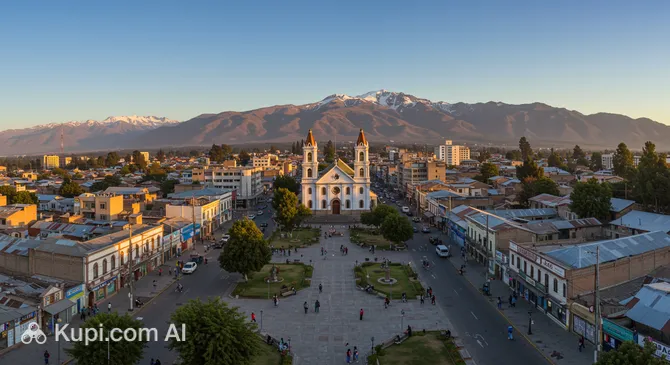
San Bernardo. Illustration.
Source: Kupi.com AI

The city's geographical location at 570 meters above sea level provides it with a classic Mediterranean climate. Exploring the city’s history, one learns that it was founded in 1821 and has since grown from a small settlement into a significant religious and administrative center. Today, it is home to a Roman Catholic diocese, and the city's architectural character is enhanced by the clean lines of its cathedral and spacious plazas.

For travelers, San Bernardo is primarily interesting as an authentic place to witness the daily life of Chileans away from the main tourist trails. The central square, Plaza de Armas, serves as the heart of urban life, where locals gather to relax in the shade of the trees. We invite you to visit this city to feel the true rhythm of the Metropolitan Region and enjoy the hospitality of its residents.

Weather Overview

The weather in San Bernardo is defined by a classic Mediterranean climate, typical of central Chile. Summers here are long, hot, and practically dry: in January and February, the average maximum reaches 28°C, and temperatures often rise above thirty degrees. During this period, rainfall is minimal, guaranteeing sunny days for walks.

The winter months, falling in June, July, and August, bring cool weather and the bulk of the annual precipitation. June is considered the wettest month, with up to 126 mm of rainfall. Temperatures during this period range from 2°C to 15°C. If you are planning a trip, checking the detailed weather in the city will help you pack your bags accordingly, considering possible rains and cool evenings.

Autumn and spring in the city are mild and comfortable, with gradual temperature transitions. It should be noted that due to its location in a basin and its proximity to major transport arteries, the city is sometimes subject to smog, especially on windless winter days. Overall, however, the climate of San Bernardo is very pleasant to visit at any time of year, whether you enjoy the warm summer sun or the fresh humidity of winter.

Average monthly temperature

Average monthly precipitation

Interesting Facts

  • San Bernardo is officially the fifth most populous city in the Greater Santiago area, home to more than 300,000 people.

  • The city was founded in 1821, making it a historically significant center that developed alongside the formation of the independent Chilean state.

  • Despite its status as a "bedroom community," the city is an important spiritual center, housing a cathedral and the residence of the Diocese of San Bernardo.

  • The city is located at an altitude of 570 meters above sea level, which creates unique conditions for viewing the surrounding mountain ranges on clear days.

  • The population density here is one of the highest in the region, at nearly 2,000 people per square kilometer, creating a sense of constant urban movement.

How to Get There

San Bernardo boasts excellent transport accessibility due to its proximity to the capital. The main highway connecting the city with the rest of the country is Ruta 5 (Panamericana Sur). A car trip from central Santiago takes about 20–40 minutes, though it is wise to allow more time during rush hours due to heavy traffic. More detailed information on routes can be found in the section on how to get to the city.

For travelers arriving by air, the nearest hub is Santiago International Airport, officially known as Arturo Merino Benítez International Airport (SCL). It is located approximately 30 kilometers from San Bernardo. The most convenient way to get there is by booking an official transfer or a taxi, which takes between 40 to 60 minutes depending on road conditions.

AirportPassenger trafficDistance
Arturo Merino Benitez Airport26.3 mln23 km
De La Independencia Airport66 km
Vina del Mar101 km
El Plumerillo International Airport2.3 mln196 km
San Rafael Airport48 000239 km

Rail travel is a point of pride for the region. San Bernardo Station is a key stop for the Metrotren suburban train system, which connects the city with Santiago's central station and the southern provinces. This is one of the fastest and most comfortable ways to travel for both tourists and locals.

Main Attractions

While San Bernardo is primarily known as a residential and administrative center, there are several locations that allow you to feel the spirit of the region. The central point of attraction is traditionally the Plaza de Armas. This is a classic Chilean square surrounded by important administrative buildings, where you can escape the city bustle under the shade of old trees and observe the unhurried pace of local life.

The Cathedral of San Bernardo holds particular architectural and spiritual significance. As the seat of the local diocese, it impresses with its austere yet majestic appearance. For tourists, it is a wonderful opportunity to learn about Chile's religious traditions and see an important architectural monument that plays a key role in the lives of the townspeople.

If you are interested in the modern rhythm of the city and "all-in-one" leisure, look out for the large commercial spaces. Locals often spend time in massive malls like Mall Plaza Sur, which features not only shops but also entertainment zones. These are excellent spots to integrate into the everyday environment of Greater Santiago's suburbs and experience the scale of modern Chilean urban development.

Local Cuisine

The culinary scene in San Bernardo is a true celebration of traditional Chilean cuisine. Here, you won't find flashy Michelin-starred restaurants, but you can enjoy genuinely home-cooked dishes. Be sure to try empanadas — crispy pastries with various fillings — and the famous pastel de choclo, a hearty corn casserole with meat and olives that is especially popular during the summer.

For a quick snack, locals choose the completo — the Chilean version of a hot dog with a generous portion of avocado, tomatoes, and mayonnaise. Street food culture thrives here, especially near markets and shopping centers. If you prefer a more substantial dinner, visit family-run establishments serving asado (charcoal-grilled barbecue), which is a vital part of the local social culture.

Regarding drinks, it is worth trying local beers, such as the Escudo brand, or ordering a glass of wine from the Central Valley vineyards located very nearby. On hot days, mote con huesillo is incredibly refreshing — a non-alcoholic drink made from dried peaches and husked wheat, which can be bought right on the street.

Travel Tips

Planning a visit to San Bernardo? These practical tips will help make your trip comfortable and safe, allowing you to focus on exploring this energetic region.

  1. Clothing and Essentials: Dress in layers. In summer (December–February), it is hot and dry, so sunscreen and a hat are essential. In winter (June–August), there are rains, and evenings become cool. For walking around the city, comfortable athletic shoes are best.
  2. Transport: Be sure to purchase a Bip! card for metro and bus travel. To avoid traffic jams, use the Metrotren suburban trains — this is the fastest way to central Santiago.
  3. Finances: The official currency is the Chilean Peso (CLP). In large shopping centers, cards are accepted everywhere, but for small purchases at markets and paying for "micro" bus fares, it is wise to carry cash. ATMs are easily found in malls and bank branches.
  4. Health and Safety: In general, the city is safe for tourists, but standard precautions should be followed: do not leave belongings unattended on transport and avoid walking through industrial outskirts after dark. Pharmacies in the center stay open until late evening.
  5. Communication: The primary language is Spanish. English is understood in large shopping malls, but knowing a few phrases like “¿Cuánto cuesta?” (How much does it cost?) will significantly ease market interactions. A SIM card can be purchased at any mall.
  6. Local Etiquette: Chileans are friendly and value politeness. Greeting people when entering a shop or cafe is standard. Be prepared for the fact that personal space here is slightly smaller than in Europe.
  7. What to Avoid: Do not openly display expensive gadgets or large amounts of money in crowded transport. Also, remember that smoking in enclosed public spaces and parks may be restricted.
  8. Extra Tip: Try to visit a local food market early in the morning — it's the best way to see real city life and buy the freshest fruit.

San Bernardo is a great chance to see Chile through the eyes of its residents. Have a pleasant trip and wonderful experiences!

Entertainment & Nightlife

Entertainment in San Bernardo is predominantly calm and family-oriented, typical for a large residential suburb. During the day, the centers of activity are the shopping malls and the Plaza de Armas, where local cultural events and festivals frequently take place. For sports enthusiasts, the city offers numerous courts and fitness centers that are very popular among residents.

The nightlife within the city itself is moderately developed. The main venues are cozy cafes and bars in the center, where you can spend an evening in quiet conversation. The crowd here is mostly local, and the atmosphere is friendly and relaxed. If you are looking for loud nightclubs or large-scale concert venues, the proximity to Santiago makes it easy to reach the capital's Bellavista or Vitacura districts, where life teems until dawn.

For evening strolls, the area around the central plaza is considered the safest. If you plan to return to the city late at night from the capital, it is best to use official taxi services or popular ride-sharing apps like Uber. This ensures a comfortable and safe trip, especially during hours when public transport has stopped running.

Parks & Museums

The green heart of San Bernardo is the Plaza de Armas. This central square acts as the main city park, where residents relax from the summer heat among well-kept paths and shady trees. It is an ideal spot for leisurely walks, getting to know the local architecture, and observing the daily life of the commune.

Small squares and sports grounds are scattered throughout the city's residential neighborhoods, serving as important recreation areas for the townspeople. While the city itself does not have massive forested parklands, its flat terrain and proximity to the foothills of the Andes allow nature lovers to quickly reach picturesque natural locations on the outskirts of the metropolitan area.

As for cultural leisure, travelers usually head to neighboring Santiago for major museums and galleries. However, San Bernardo itself may interest those who appreciate religious architecture: the local cathedral and church buildings of the Maipo Province possess not only spiritual but also historical value, reflecting the stages of the city's development.

Getting Around

The public transport system in San Bernardo is closely integrated into the Greater Santiago network, making travel within the city and beyond quite simple. The backbone is the Red (formerly Transantiago) bus system, which runs throughout the commune. The city is also served by the 4B metro line (at San Bernardo station), providing a quick connection to the capital's districts.

To pay for travel, you will definitely need a contactless Bip! card. You can top it up at metro ticket offices, special points, or via a mobile app. It is important to remember that buses do not accept cash, and card validation occurs upon entry. The fare depends on the time of day but generally remains very affordable for travelers.

An alternative to public transport are taxis and popular mobile apps. The city also benefits from the Metrotren Nos rail service, which allows you to reach Santiago's central station in literally 20 minutes. If you are planning trips during rush hours, we recommend choosing the train to avoid traffic jams on the busy Ruta 5 highway.

Accommodation

Accommodation options in San Bernardo are primarily geared toward those who value a home-like feel and want to experience life in a typical Chilean suburb. Apartments and guest houses predominate here, often available through short-term rental services. This is an excellent choice for families or groups of travelers planning an extended stay in the Metropolitan Region.

Small hotels and budget hostels are mainly concentrated near the Plaza de Armas. This is a convenient location providing quick access to transport hubs and major shops. Prices here are usually lower than in the capital, making the city an attractive option for budget-conscious tourists.

When planning your trip, it is recommended to book your accommodation in advance, especially if your visit coincides with Chilean national holidays. For those who prefer high-end chain hotels, there is always the option to stay in neighboring districts of Santiago, from which San Bernardo can be reached by metro or taxi in less than an hour.

Nearby Cities

San Bernardo serves as an excellent starting point for exploring the country's central region, allowing you to switch from a bustling suburban atmosphere to a cultural center or agricultural landscapes in just minutes. Proximity to major transport arteries makes day trips easy and pleasant.

Only 4 kilometers away is the city of El Bosque, and a little further are San Ramón and La Pintana. These areas allow you to see different facets of life in Greater Santiago. For those seeking a more rural flavor, Calera de Tango, known for its traditional estates and relaxed pace, is an interesting destination.

CityPopulationDistance
El Bosque175 5944 km
San Ramon94 9066 km
La Pintana177 3357 km
Calera de Tango18 2358 km
Los Cerrillos89 5209 km

Exploring the surroundings of San Bernardo is a great way to gain a deeper understanding of Chilean culture. Whether it’s a shopping trip to nearby commercial hubs like Los Cerrillos or a visit to wineries further south down the highway, every route will reveal new sides of this amazing region.

Shopping & Souvenirs

Shopping in San Bernardo is focused primarily on practicality and daily needs, making it interesting for tourists who want to shop at local prices. The main shopping centers are Mall Plaza Sur and other large malls, featuring both well-known international brands and popular Chilean chains. You can find everything here, from clothing to modern electronics.

For those seeking an authentic experience, the local markets in the city center are worth a visit. Here, fresh fruits, vegetables, and farm products are always in abundance. This is a great place to buy high-quality Chilean goods at affordable prices. Shops usually operate from 10:00 to 20:00, while large shopping centers remain open until late in the evening.

As souvenirs from San Bernardo, you can bring back products from local artisans or traditional Chilean delicacies. Look out for high-quality Chilean wine and leather goods. Credit cards are accepted in almost all large stores, but it is better to have some cash pesos for purchases at smaller markets.

Reached the end of the page?

That means the route is fully explored