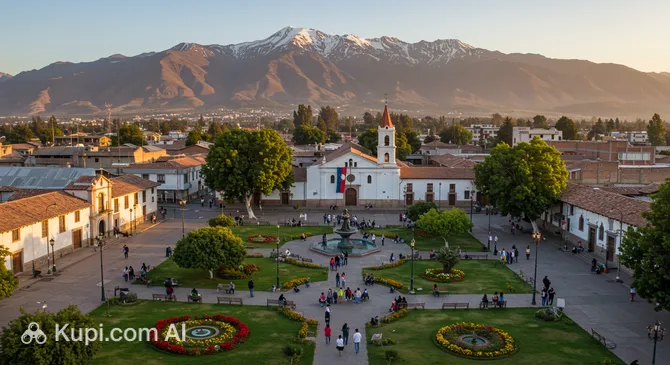
Maipú is a dynamically developing suburban district located in the Metropolitan Region of Chile. Situated in the southwest of the Santiago metropolis, this city harmoniously combines a dense urban atmosphere with the tranquility of a residential area. With a population of over 520,000 people, Maipú is one of the most populous communes in the country, attracting residents with its well-developed infrastructure and proximity to the capital's center.
Maipu. Illustration.
Source: Kupi.com AI
Geographically, the city stretches across a plain at an altitude of about 480 meters above sea level. Although Maipú is largely oriented towards the daily life of workers and middle-class families, its historical heritage is closely linked to the country's struggle for independence. It was here that the decisive battle took place, determining the fate of the Chilean state, which is reflected in the monumental architecture and local museums.
For a tourist, Maipú reveals itself as a place where you can feel the true rhythm of modern Chilean life. There is no hustle and bustle of the central tourist quarters here; instead, there is an abundance of modern shopping centers, local markets, and cozy residential zones. We invite you to get to know this unique corner of the capital region to see Chilean life as it is and enjoy the hospitality of its residents.
Weather Overview
The climate in Maipú is classified as Mediterranean, which is typical for the central part of the country. This means you can count on long, dry, and hot summers, as well as mild but rainy winters. January and February are the hottest months, when daytime temperatures often reach +28°C...+32°C, and rain is virtually non-existent.
The winter period falls in June, July, and August. During this time, the weather in the city becomes cool: average temperatures range from +3°C at night to +15°C during the day. Most of the annual precipitation falls during these months, which sometimes leads to increased humidity. Spring and autumn are transitional seasons with very comfortable conditions for walking.
One important feature should be taken into account: due to dense development and its location in a basin, smog can occur in Maipú during the winter months. The environmental situation sometimes worsens due to temperature inversions, which is important for travelers with sensitive respiratory systems to know. Overall, there are many more sunny days in the year than cloudy ones, making the city pleasant to visit at any time.
Average monthly temperature
Average monthly precipitation
Interesting Facts
The city of Maipú hides many curious details that emphasize its scale and significance for the region. Here are a few facts to help you get to know the city better:
Maipú is the second most populous commune in all of Chile, second only to the Puente Alto district. According to recent data, over half a million people live here.
The population density here is impressive—it is over 3,800 people per square kilometer, making Maipú one of the most densely populated residential areas in the Metropolitan Region.
The city is located at an altitude of approximately 478 meters above sea level, which provides beautiful views of the surrounding mountain ranges on clear days.
Despite its status as a "bedroom community," Maipú has clear borders with other important communes such as Calera de Tango and Padre Hurtado, serving as a key link in Santiago's southwestern periphery.
How to Get There
The transport accessibility of Maipú is one of its strengths, despite the significant distance from the metropolis center. The main artery connecting the city with the rest of Santiago is Metro Line 5, which reaches the heart of the commune. A trip from Plaza de Armas usually takes about 40 minutes, though it's worth allowing more time during peak hours due to high passenger volume.
If you are planning a trip from other regions or countries, the most convenient way to get to Maipú is through Santiago International Airport. The journey from the terminal by car is approximately 25 kilometers and takes between 30 to 50 minutes depending on the traffic on Route 68. Regular bus routes, such as Turbus or Redbus, also run between the airport and the commune, providing a budget alternative to taxis.
To travel between neighboring communes, locals often use private vehicles or the city's bus network. There is currently no direct passenger rail service within the city itself, as all logistics are integrated with the metro system and Transantiago bus lines.
Main Attractions
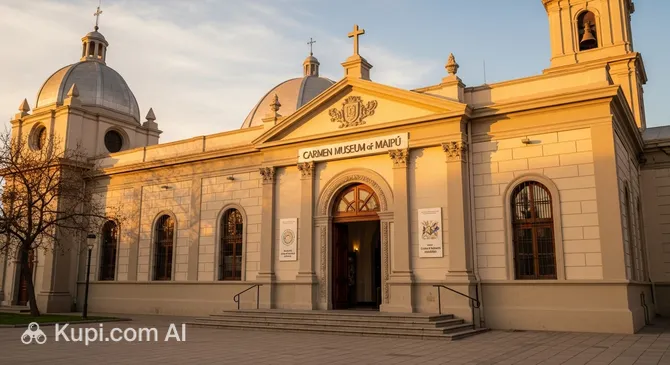
Despite its status as a primarily residential area, Maipú holds several iconic sites worth visiting for every guest. One of the main cultural centers is the Museum del Carmen in Maipú. This site is inextricably linked to the history of the country's independence; the museum's exhibits offer a deep dive into the military and social past of the region, showcasing unique artifacts and documents from those times.
Carmen Museum of Maipú. Illustration.
Source: Kupi.com AI
Traveler photos:
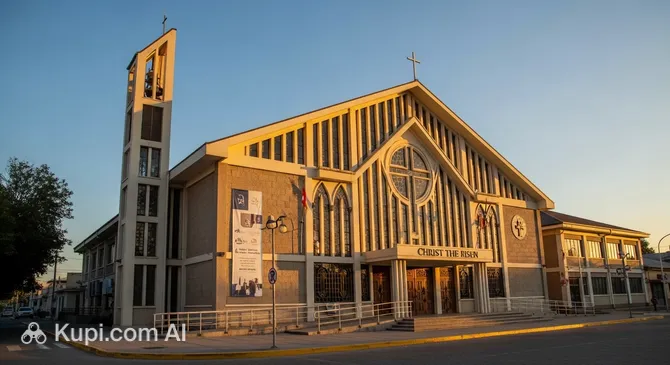
For those interested in religious architecture and a spiritual atmosphere, the Parish of the Risen Christ is a must-see. This building stands out against the urban landscape with its austere yet inspiring appearance, serving as an important focal point for the local community. A visit to the parish allows you not only to appreciate its architectural forms but also to witness the daily spiritual life of the commune's residents.
Christ the Risen Parish. Illustration.
Source: Kupi.com AI
Traveler photos:
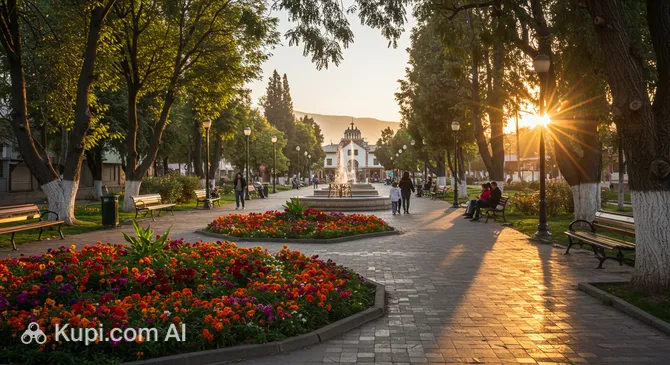
If you want to take a break from the city bustle, head to Tres Poniente Park. This is one of the popular spots for walks and outdoor activities. The park serves as a green oasis amidst dense residential development, where locals gather for picnics and sports, creating a lively and relaxed atmosphere typical of Santiago's suburbs.
Tres Poniente Park. Illustration.
Source: Kupi.com AI
Traveler photos:
Local Cuisine
The gastronomy of Maipú is the quintessence of the Chilean culinary traditions of the Metropolitan Region. You won't find sophisticated Michelin-starred restaurants here, but you will fully enjoy hearty and honest home cooking. The basis of the local menu includes the legendary empanadas (meat or cheese pastries) and completos—Chilean hot dogs served here with a generous portion of avocado, tomatoes, and mayonnaise.
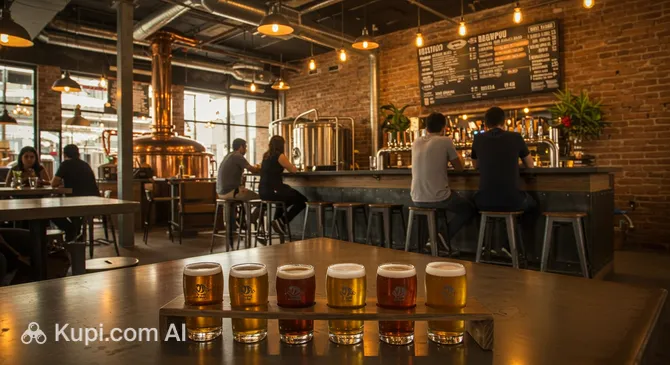
One of the most popular establishments for lovers of traditional grilled meat is Chilenazo Maipú. Here you can try a classic cazuela—a rich meat stew with vegetables and corn that will warm you up on a cool winter evening. For those who prefer a more modern format and craft beer, Rústico BrewPub is a great choice, where local cuisine meets brewing culture.
Rústico BrewPub. Illustration.
Source: Kupi.com AI
Traveler photos:
A special place in the food culture is held by street markets and small family bakeries—known locally as amasanderías. You can always buy fresh pastries and traditional desserts here. Don't forget to also try wines from the nearby Maipo Valley, which is famous for its vineyards: local Cabernet Sauvignon and Carménère varieties are available in any supermarket and will perfectly complement your dinner.
Travel Tips
A trip to Maipú will allow you to see Chilean life from the inside, but to ensure the trip goes smoothly, it is worth considering a few practical tips from experienced travelers.
Clothing and Essentials: Choose your wardrobe according to the season. In summer (December–March), lightweight clothing and sunscreen are essential, as temperatures often exceed +30°C. In winter (June–August), Maipú is cool and damp, so bring a waterproof jacket and warm shoes for long walks.
Transport: Be sure to purchase a BIP card immediately upon arrival. It works on all public transport in Santiago. To plan routes, use the Transantiago app or Google Maps—it will save you a lot of time.
Finances: The local currency is the Chilean Peso (CLP). Cards are accepted almost everywhere, even in small shops, but for markets and street food, it's better to have some cash on hand. ATMs are easy to find in shopping centers.
Safety:Maipú is a typical suburb. Watch your pockets in crowded places and at metro stations. In the evening, try to stick to well-lit central streets and areas near shopping centers, avoiding outlying neighborhoods on the west of the commune.
Communication: The main language is Spanish. English is mostly understood in large hotels and shopping centers. It will be useful to learn a few basic phrases or have an offline translator handy.
Local Etiquette: Chileans are friendly and value politeness. A greeting like "Hola" and a smile will open many doors. In restaurants, it is customary to leave a tip of about 10% of the bill.
What to Avoid: Don't plan trips to central Santiago or back during peak hours—transport is overcrowded, and travel time can double. Also, refrain from walking alone at night in unfamiliar residential blocks.
Useful Gadget: Types C and L sockets are used in Chile. If your devices have a different plug, take care of a universal adapter in advance.
These simple rules will help you feel confident and get the most enjoyment out of exploring this unique corner of the Chilean capital!
Entertainment & Nightlife
Nightlife in Maipú is characterized by its quiet and local nature. Unlike the noisy quarters of central Santiago, entertainment here is focused on family leisure and cozy gatherings with friends. Evening activity mostly bustles around shopping centers and along major transport arteries, where cinemas and small establishments are located.
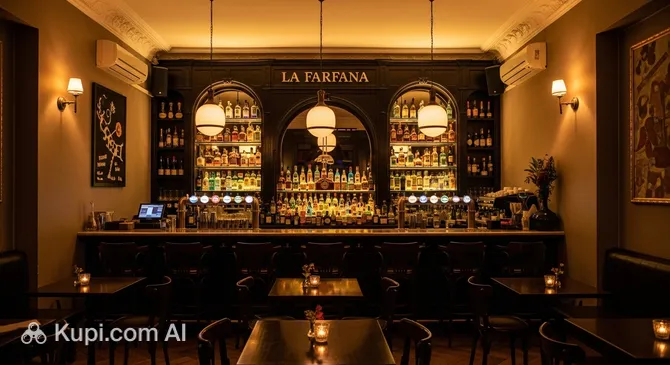
For lovers of quality drinks and a relaxed atmosphere, Bar Panguipulli is an excellent choice. This place is popular among locals for its hospitality and wide selection of beverages. Another interesting spot is the La Farfana Cocktail Bar, where you can enjoy masterfully crafted cocktails in a modern setting. These bars are great examples of how the commune's residents spend their evenings.
La Farfana Cocktail Bar. Illustration.
Source: Kupi.com AI
Traveler photos:
If you are looking for large-scale parties and world-class nightclubs, keep in mind that Maipú's youth often head to the Bellavista or Providencia districts in the city center on weekends, which take about 30–40 minutes by taxi or metro. Within the city itself, the format of sports bars and karaoke is more developed, where the atmosphere is always friendly and homey.
Parks & Museums
Although Maipú is a city with very dense development, it has iconic places that reflect its cultural identity. The undisputed leader among cultural sites is the Museum del Carmen in Maipú. Located at the monumental Votive Temple (Templo Votivo), this museum houses unique collections of art, furniture, and historical documents dedicated to key moments in the formation of the Chilean state.
Carmen Museum of Maipú. Illustration.
Source: Kupi.com AI
Traveler photos:
Regarding green zones, the city's residents particularly value Tres Poniente Park. Despite the fact that the overall level of greenery in the commune is not very high, this park is an important place for relaxation. Here you can see how Chilean families spend their free time: from children playing in playgrounds to evening jogs. The park serves as a natural buffer protecting against the noise of busy city streets.
For those seeking larger park complexes, remember that major natural areas are found in neighboring districts or in the city center. Nevertheless, local squares in Maipú, such as the plazas around the Parish of the Risen Christ, create an atmosphere of comfort and allow you to take a break in your busy travel schedule, enjoying the shade of trees and local color.
Getting Around
The transport system of Maipú is fully integrated into the general network of Greater Santiago, which significantly simplifies movement for tourists. The backbone of the system is Metro Line 5, which has nine stations within the commune. This is the fastest and most reliable way to reach the city center, bypassing surface traffic jams. Train intervals during the day are only 5–10 minutes.
For travel within the city, Transantiago network buses are actively used. Routes cover all main streets and residential quarters. Fare payment for the metro and buses is made with a single BIP card, which can be purchased and topped up at any metro station. It is important to remember that cash is not accepted in surface transport, so having a card with a positive balance is a prerequisite for a comfortable trip.
As an alternative to public transport, taxis and mobile apps (Uber, Cabify) are popular in the city. This is a convenient option for short trips, especially in the evening. The cycling infrastructure in the city is developing, but due to heavy traffic and dense development, moving on two wheels requires caution. During peak hours (7 to 9 AM and 5 to 7 PM), transport can be very crowded, so plan your routes in advance.
Accommodation
Choosing accommodation in Maipú has its own specifics, as the city is primarily oriented towards permanent residents rather than mass tourism. The main segment of offers here consists of long-term rental apartments and private sector listings via online services. This is a great option for those who want to immerse themselves in the local environment and feel like part of the Chilean community.
For short-term stays or business trips, it's worth looking at chain hotels like Ibis or Holiday Inn, which are located in close proximity to major shopping hubs and metro stations. Staying near the Mall Plaza Maipú is considered the most convenient due to excellent transport links and a concentration of services within walking distance.
The price range in the city is quite affordable: budget accommodation options start at $30–$50 per night. However, if you plan a visit during national holidays or major events in Santiago, it is recommended to book in advance as demand from domestic tourists can be high.
Nearby Cities
Maipú serves as an excellent starting point for exploring the surroundings and other communes of the capital region. Just a half-hour metro ride away is the heart of the country—Santiago, where Chile's main historical and cultural sites are concentrated. This is an ideal destination for a day trip, allowing you to combine quiet suburban life with the dynamics of a metropolis.
To the south of the city lies San Bernardo, the administrative center of Maipo Province. This city is interesting for its traditional way of life and historical squares. It's also worth paying attention to neighboring Los Cerrillos, which is located very close and is tightly integrated into the region's transport network. Trips to these places allow you to see the diversity of Chilean life beyond the main tourist center.
For those who prefer countryside excursions, the communes of Padre Hurtado and Curacaví are just a 15–20 minute drive away. These directions are popular among locals for their farmers' markets and the opportunity to relax in nature. We recommend not limiting yourself to just one district and exploring the multifaceted surroundings of the capital.
Shopping & Souvenirs
Shopping in Maipú is primarily about convenience and scale. The main center of attraction for shopping enthusiasts is Mall Plaza Maipú—one of the largest shopping complexes in the region. Hundreds of stores of famous international and local brands, cinemas, and a huge food court are gathered under one roof here. This is a place where you can find everything: from modern clothing to electronics and home goods.
For those looking for alternative formats or discounted goods, Midmall Maipú is an excellent option. This shopping center often offers great deals and is popular with both locals and visitors. If you prefer the format of compact shopping galleries in residential areas, check out the El Rosal Shopping Center.
El Rosal Shopping Center. Illustration.
Source: Kupi.com AI
Traveler photos:
For authentic goods and produce, it's best to head to local markets like Mercado Persa or street fairs that take place on weekends. Typical souvenirs to bring back include Chilean wines, leather goods, or traditional sweets. Shops usually operate from 10:00 to 21:00, and card payments are accepted almost everywhere, making the shopping process as comfortable as possible.