Support

Fuyuan

About

Fuyuan is a destination of unique beginnings and geographical significance. As the easternmost city in China, it is affectionately known as the "East Pole" and holds the special distinction of being the first place in the country to welcome the sunrise each day. This quiet yet vibrant border city offers a blend of natural grandeur and cultural intrigue that is unlike anywhere else in the region.

Fuyuan. Source: Kupi.Binoculars

Located in the northeastern reaches of Heilongjiang Province, Fuyuan sits at the dramatic confluence of two mighty rivers: the Heilongjiang (Amur) and the Wusuli (Ussuri). It lies directly across the water from the Russian city of Khabarovsk, a proximity that has fostered a fascinating cross-cultural atmosphere visible in the local architecture and lifestyle. The city enjoys cool, comfortable summers, making it a popular retreat during the warmer months, while its winters cover the landscape in a pristine layer of snow.

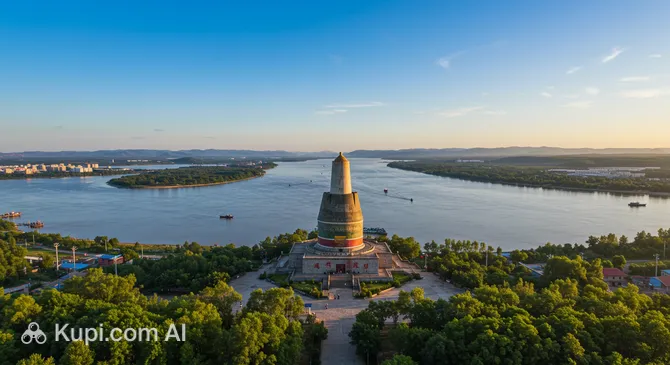
Exploring the history of Fuyuan reveals its long-standing role as a crucial port and trade gateway. Today, this heritage is complemented by unique attractions such as Heixiazi Island (Bolshoy Ussuriysky Island), which offers visitors the rare "one island, two countries" experience and features the beautiful Easternmost Pagoda within a vast wetland park. Early risers flock to the Eastern Pole Plaza to witness the country's first sunrise, a truly memorable spectacle. The city is also celebrated for its "Fish Culture," with local markets displaying an impressive variety of freshwater fish, including the famous Kaluga sturgeon.

Whether you are drawn by the allure of standing at the edge of the map, the delicious river cuisine, or the serene river views, Fuyuan invites you to discover its distinct charm and hospitality.

Weather Overview

The climate in Fuyuan is defined by extreme seasonal contrasts, typical of its high-latitude location in Heilongjiang. Winters are long and intensely cold, with January seeing average temperatures plummet to -20.0°C and minimums reaching as low as -25.0°C. Conversely, summers are mild and pleasant, with July averages hovering around 23.1°C, creating a comfortable environment for visiting the border regions. To plan your trip effectively, it is helpful to review the detailed weather in Fuyuan before departure.

Precipitation is unevenly distributed, with the vast majority of rainfall occurring during the warmer months. While winter months like January and February are incredibly dry with almost zero precipitation, the summer brings frequent showers; August, for instance, typically experiences 17 wet days. Generally, you can expect warm summers with occasional rain and cold, dry winters.

Interesting Facts

Beyond the main attractions and its reputation as the "East Pole," Fuyuan holds several fascinating secrets and unique characteristics that highlight its extreme geographical position. Here are a few surprising facts about this border city:

  • The 3 AM Sunrise: Because the entire country operates on a single time zone (Beijing Time), the sun rises exceptionally early here. In the height of summer, locals and visitors can witness daylight breaking as early as 3:00 AM, creating a surreal start to the day long before the rest of the nation stirs.

  • A Railway End-Point: Fuyuan Railway Station is celebrated as the "First Station in the East." It serves as the easternmost terminal of China's vast railway network, making it a symbolic destination for train enthusiasts who want to travel to the very end of the line.

  • Cross-Border Signals: The city is located so close to the Russian border that it is common for mobile phones to accidentally pick up Russian network signals. Visitors near the riverfront can often listen to Russian radio broadcasts or see Russian television channels clearly.

  • The "King of Fish" Auctions: The local fishing culture is serious business; the first Kaluga sturgeon caught at the beginning of the fishing season is known as the "Tou Yu" (Head Fish). This prize catch is often auctioned off for astronomical sums, symbolizing prosperity and good fortune for the buyer.

How to Get There

Reaching this eastern outpost is an adventure in itself, offering connections through both domestic routes and nearby international hubs. You can find out more about how to get to Fuyuan and plan your specific itinerary to the "East Pole" of China.

The city is served by its own aviation hub, Fuyuan Dongji Airport (FYJ). This regional airport is the most direct way to arrive, located approximately 19 km from the city center. A taxi or bus ride from here typically takes around 50 minutes. For travelers considering alternative routes via the Russian border, the Khabarovsk airport (KHV) is a significant international option. Although it is situated in the city of Khabarovsk, roughly 68 km away, it serves as a major transport node in the region. The travel time by road to the vicinity is approximately 2 hours, though crossing the border requires additional time for customs procedures.

For clarity, here is a summary of the main airports:

Airport Name City Passenger Traffic Km from City
Khabarovsk Khabarovsk Large 67.6
Fuyuan Dongji Airport Fuyuan Medium 19.3
Komsomolsk-on-Amur Airport Komsomolsk-on-Amur Small 296.7

While Fuyuan is known as the eastern terminus of China's railway network, the surrounding region includes other significant rail hubs across the border which are geographically close. The Khabarovsk-1 Railway Station, located in the city of Khabarovsk, is a major facility about 59 km from Fuyuan. Reaching the area from this station takes approximately 1 hour and 50 minutes by road, excluding border crossing formalities. Another option in the wider region is the Birobidzhan-1 Station in Birobidzhan, situated roughly 112 km away, with a travel time of around 3 hours and 10 minutes by car.

Here is a list of nearby railway stations:

Station City Passenger Traffic Km to Center
Khabarovsk-1 Railway Station Khabarovsk Large 58.5
Birobidzhan-1 Station Birobidzhan Medium 112.0
Vyazemskaya Station Vyazemskiy Small 97.7
Khor Railway Station Vyazemskiy Small 71.9
Bikin Railway Station Bikin 172.0

Main Attractions

Fuyuan offers a distinct travel experience defined by its extreme geographical location and its proximity to Russia. The city's main attractions revolve around its status as the "East Pole" of China, its pristine wetland ecology, and the unique culture that emerges from the convergence of two great rivers.

Heixiazi Island (Bolshoy Ussuriysky Island) is undoubtedly the crown jewel of local tourism. Situated at the confluence of the Heilongjiang and Wusuli rivers, this island is shared between China and Russia, offering a rare "one island, two countries" experience. Visitors can explore the vast Wetland Park, a protected ecological zone teeming with wildlife and featuring wooden boardwalks that wind through the marshes. A major highlight here is the Dongji Pagoda (Easternmost Pagoda), a magnificent Han-Tang style structure that stands 81 meters tall. Climbing the pagoda provides panoramic views of the wetlands and the Russian borderlands across the river. The island is also home to a Wild Bear Park, where visitors can observe black bears in a natural environment.

For those chasing the first rays of sunlight in China, Dongji Square (Eastern Pole Plaza) is the ultimate destination. Located at the easternmost point of the mainland, this sprawling square is marked by a gigantic sculpture of the Chinese character for "East" (东). It is a symbolic landmark where tourists gather in the early morning hours to witness the sunrise before anyone else in the country. The square also offers spectacular views of the river junction and the Russian town of Kazakevichevo on the opposite bank, making it a perfect spot for photography and quiet reflection.

The region's rich aquatic life is celebrated at the Fuyuan Fish Culture Museum. As the "Capital of Freshwater Fish" in China, Fuyuan is famous for its sturgeon and salmon. This museum offers a fascinating look into the biodiversity of the Heilongjiang and Wusuli rivers. Exhibits include massive specimens of the Kaluga sturgeon, known as the "King of Freshwater Fish," as well as displays on the history of local fishing practices and the unique Hezhe ethnic minority culture, which is traditionally centered around fishing and hunting.

Another must-do activity is taking a River Cruise from the Fuyuan Port. These boat tours take visitors along the border boundary of the Heilongjiang River, offering a close-up view of the Russian city of Khabarovsk. It is a surreal experience to see the skyline of a major foreign city, complete with its golden-domed churches and bustling waterfront, just a few hundred meters away across the water. The contrast between the quiet natural beauty of the Chinese side and the urban landscape of the Russian side is a defining feature of a trip to Fuyuan.

Local Cuisine

The culinary landscape of Fuyuan is defined almost entirely by its location at the confluence of the Heilongjiang and Wusuli rivers. Known as the "Capital of Freshwater Fish" in China, the city offers a gastronomic experience that revolves around the catch of the day. The cold, deep waters of these northern rivers produce fish that are renowned for their tender texture and rich layer of fat, making "River Fresh" (Jiangxian) the cornerstone of every local menu.

One of the most distinctive dishes you must try is Sha Sheng Yu, a raw fish salad that originates from the local Hezhen ethnic minority. Unlike Japanese sashimi, this dish features thin strips of raw fish—often carp or sturgeon—tossed with vinegar, chili oil, salt, and shredded vegetables like cucumbers and potatoes. It is a zesty, refreshing appetizer that perfectly showcases the freshness of the local ingredients. For a heartier meal, the Iron Pot Fish Stew (Tie Guo Dun) is a quintessential Northeastern experience. Huge chunks of river fish are simmered in a large iron cauldron set directly into the table, cooked with tofu, glass noodles, and sauerkraut, while cornmeal buns are steamed on the side of the pot to soak up the savory broth.

Given its proximity to the border, the food culture in Fuyuan also features a fascinating touch of Russian influence. It is not uncommon to find Russian-style bread (Lieba), hearty sausages, and borscht served alongside Chinese staples. To wash it all down, locals often prefer Harbin Beer, the most famous brew from the province, or Kvass, a fermented bread drink that is sweet, non-alcoholic, and widely popular in the region. In the depths of the freezing winter, however, strong Baijiu (Chinese sorghum spirit) is the drink of choice to keep warm during social gatherings.

Dining in Fuyuan is as much about the atmosphere as it is about the food. The city is famous for its All-Fish Banquets (Quan Yu Yan), where skilled chefs prepare a single type of fish in a dozen different ways, from frying and braising to steaming and grilling. Tourists often flock to the restaurants near the riverfront to enjoy these elaborate feasts while gazing out at the water. For a more casual experience, the local markets offer a glimpse into the daily life of residents, where you can see the impressive variety of smoked and dried fish that travelers often buy as savory souvenirs.

Travel Tips

Visiting Fuyuan, the "East Pole" of China, is a unique adventure that requires a bit of specific preparation due to its remote border location and extreme climate. To help you make the most of your journey to the edge of the country, here are some practical tips to ensure a smooth and enjoyable experience.

  1. Clothing and Gear: Your packing list depends entirely on the season. If visiting in winter (November to March), you must bring professional-grade cold-weather gear, including heavy down jackets, thermal underwear, insulated boots, and windproof gloves, as temperatures drop to -20°C or lower. In summer, the weather is mild and comfortable, but since Fuyuan is surrounded by wetlands and rivers, mosquito repellent is absolutely essential. Also, pack comfortable walking shoes for exploring the boardwalks on Heixiazi Island.

  2. Transportation: Fuyuan is a relatively small city, and public transportation options like subways do not exist here. The most convenient way to get around is by taxi, which is generally affordable and easy to flag down. For visiting attractions outside the city center, such as the Dongji Pagoda or the Wetland Park, it is best to hire a private driver for the day or join a local tour bus, as these areas are not easily accessible by standard public transit.

  3. Finances: The official currency is the Chinese Yuan (CNY). While mobile payments like Alipay and WeChat Pay are ubiquitous even in smaller cities, it is wise to carry some cash, especially for small purchases at local markets. International credit cards are rarely accepted outside of major hotels. You can exchange money at main bank branches in the city center, and given the proximity to the border, you may find some vendors willing to accept Russian Rubles, though this is not guaranteed.

  4. Health and Safety: Fuyuan is a very safe city for tourists. Pharmacies are marked with a green cross, but few staff members will speak English, so have a translation app ready or a photo of the medicine you need. Since much of the tourism involves water and wetlands, be cautious near riverbanks and follow safety instructions on boats. In winter, be wary of icy patches on sidewalks to avoid slips and falls.

  5. Communication: The primary language is Mandarin Chinese. English proficiency is generally low, so downloading an offline translation app is highly recommended. Interestingly, due to the cross-border trade, you might find locals who speak a bit of Russian. To stay connected, purchase a local SIM card at the airport or in town (passport required), as accessing foreign websites requires roaming data or a VPN.

  6. Local Etiquette: Fuyuan locals are known for their Northeastern (Dongbei) hospitality, which is warm and direct. When dining, it is polite to try a bit of everything, especially the fish dishes which are a source of local pride. If you are drinking with locals, be prepared for toasts; however, you can politely decline alcohol if you wish. In public spaces, avoid loud disruptions, particularly at the sunrise viewing spots where people gather for a quiet, scenic moment.

  7. What to Avoid: Strictly avoid photographing military personnel, border patrol vehicles, or specific border infrastructure unless it is clearly designated as a tourist spot (like the boundary marker). This is a sensitive border zone, and unauthorized photography can lead to questioning. Also, never attempt to swim across the river or boat past the designated buoys towards the Russian side.

  8. Sleep Schedule Tip: Because Fuyuan is located in the far east but operates on Beijing Time, the sun rises incredibly early—around 3:00 AM in summer. This can severely disrupt your sleep patterns. It is highly advisable to bring a high-quality sleep mask to block out the early light and ensure you get enough rest before your morning adventures.

By keeping these practicalities in mind, you will be well-equipped to navigate the cultural and geographical nuances of this fascinating border city. Whether you are there to catch the first ray of sunshine or taste the famous river fish, a little preparation will go a long way in making your trip to Fuyuan unforgettable.

Entertainment & Nightlife

Nightlife in Fuyuan offers a distinct experience that contrasts sharply with the bustling 24-hour metropolises of southern China. Here, evening entertainment is less about high-end nightclubs and more about vibrant street culture, hearty dining, and social gatherings that reflect the warm hospitality of the Northeast. The atmosphere is relaxed and communal, heavily influenced by the extreme seasons; in summer, the city comes alive outdoors, while in winter, the fun moves into cozy, heated venues.

The epicenter of evening activity is undoubtedly the Heilongjiang Riverfront (Yanjiang Road). As dusk falls, this area transforms into a lively social hub. The neon lights from the buildings reflect beautifully off the dark waters of the river, creating a picturesque backdrop for a night out. This is where you will find the Yanjiang Park, a sprawling riverside promenade that is the beating heart of the city's social life. During the warmer months, the park is packed with locals participating in "guangchang wu" (square dancing), exercising, or simply strolling with their families. It is a fantastic place to immerse yourself in local culture, and the friendly residents often welcome visitors to join in the dancing.

For a more energetic vibe, the streets branching off Zhengyang Road in the city center are lined with various entertainment venues. In Fuyuan, as in much of the country, nightlife often revolves around KTV (Karaoke TV) lounges rather than Western-style dance clubs. These venues offer private rooms where groups of friends gather to sing, drink, and play dice games. They are generally open late into the night and provide a safe, private environment for partying. If you are looking for a place to sit and chat, there are several casual bars and teahouses scattered around the central business district, some of which feature Russian-inspired decor and beverages.

Dining is an integral part of the nightlife here. The local "Shao Kao" (BBQ) culture is legendary. After dark, the air fills with the scent of charcoal and cumin as restaurants and street vendors fire up their grills. A typical night out involves sitting at a low table, ordering dozens of lamb, beef, or vegetable skewers, and washing them down with cold Harbin beer. These BBQ joints are loud, cheerful, and bustling until the early hours of the morning.

Practical Advice for Night Owls:

  • Best Time: The nightlife scene is strictly seasonal. From June to September, the streets are busy and the weather is perfect for outdoor fun. In winter, temperatures drop drastically, so the streets empty out early, and entertainment is exclusively indoors.
  • Safety: Fuyuan is extremely safe for night walks, even for solo travelers. The riverfront and main streets are well-lit and patrolled. However, always use official taxis if you need a ride; they are inexpensive and easy to flag down.
  • Dress Code: The vibe is casual. You do not need to dress up for bars or KTVs; jeans and comfortable clothes are the norm. In winter, prioritize warmth over style.

While the nights are for socializing, daytime entertainment in Fuyuan offers its own charm. Apart from the natural attractions, you can visit the local Cinema in the city center to catch the latest Chinese blockbusters. For a more relaxed afternoon, wandering through the bustling local markets offers a glimpse into daily life and the unique border trade, or you can simply unwind in one of the city's cozy cafes. Though the city lacks large-scale amusement parks, the small recreational areas within the public parks offer simple rides and games that are popular with families during the day.

Parks & Museums

While Fuyuan is famous for its geographical extremes, the city also offers serene green spaces and cultural sites that provide a deeper look into local life. Beyond the famous border landmarks, visitors can find peaceful retreats and educational venues that highlight the region's ecology and the unique heritage of China's northeastern frontier.

One of the best places to get a bird's-eye view of the area is Xishan Park (West Mountain Park). Unlike the flat wetlands that dominate much of the region, this park offers a refreshing elevation. A climb up the stone steps leads to a hilltop pavilion, which serves as an excellent vantage point. From here, you can see the orderly grid of the city streets contrasting with the winding flow of the Heilongjiang River. It is a favorite spot for morning exercises, where you might see locals practicing Tai Chi amidst the pine trees and landscaped gardens, offering a quiet escape from the town center.

For a more leisurely experience, Yanjiang Park stretches along the riverbank, acting as the city's communal "living room." This linear park is beautifully paved and lined with sculptures that depict local legends and the fishing lifestyle. It is particularly vibrant in the summer evenings when the cool river breeze offers relief from the heat. Walking here gives you a front-row seat to the river traffic, with barges and fishing boats gliding by, all set against the backdrop of the expansive water that separates the two nations.

While the wetland areas are a major draw, the Heixiazi Island Wetland Park offers specific botanical delights for nature enthusiasts. The park is a haven for diverse wetland flora, featuring vast expanses of reeds, sedges, and floating aquatic plants that change colors with the seasons—from lush green in summer to golden brown in autumn. The network of wooden boardwalks allows visitors to walk directly above the marshes, offering intimate opportunities to spot migratory birds such as red-crowned cranes and oriental storks in their natural habitat, undisturbed by the crowds.

To understand the human history of the region, a visit to Wusu Town offers an experience akin to a living museum. Located near the easternmost point, this small settlement showcases the traditions of the Hezhe ethnic minority. Visitors can observe unique cultural artifacts, most notably the intricate art of making clothing from fish skin, a skill that has been passed down through generations. The town's architecture and daily activities provide a rare glimpse into a lifestyle that has adapted to the harsh, river-based environment over centuries.

Getting Around

Navigating Fuyuan is relatively straightforward as the city is compact and does not have a complex mass transit network like a metro or light rail system. The primary mode of public transportation within the urban area is the public bus network. These buses connect the main residential areas, the commercial center, and the riverfront. While the network is not extensive, it is sufficient for getting around the town center, and the routes are generally easy to figure out given the city's small size.

For payment on buses, the system has largely modernized. The standard fare is very low, typically around 1 to 2 CNY per ride, regardless of distance. Most locals pay using mobile apps, specifically WeChat Pay or Alipay, by scanning a QR code upon entry. For tourists who do not have these apps set up, paying with cash is still an option. However, you must have the exact change, as drivers do not carry money and the fare boxes do not dispense change. It is advisable to keep a supply of 1 Yuan coins or small banknotes if you plan to use the bus.

Taxis are widely considered the most convenient option for visitors. They are numerous, affordable, and can be hailed easily from the street or found waiting at the airport and railway station. Most taxis run on a meter, with a low starting flag-fall rate. For longer trips to outlying attractions, such as the wetland parks or the border viewing areas, it is common to negotiate a flat rate with the driver for a round trip or a half-day hire. Ride-hailing apps like DiDi are also operational and can be a good alternative if you prefer to set your destination on a map to avoid language barriers.

For reaching the specific tourist highlights located far from the city center, such as Heixiazi Island, standard city buses are not an option. Instead, there are dedicated tourist shuttles or transfer buses that usually depart from the Fuyuan Tourist Center. These services are often timed to coordinate with the opening hours of the attractions. When visiting the island itself, private vehicles are typically not allowed inside, and visitors must transfer to an internal sightseeing bus system included in the ticket price.

Here are a few practical tips for using transport in the city:

  • Operating Hours: Be aware that public buses in smaller northern cities often stop running earlier than in major metropolises. In winter, services may wind down as early as 6:00 PM or 7:00 PM. Taxis are available 24/7.
  • Language Barrier: Very few drivers speak English. It is essential to have your destination written in Chinese characters or saved as a location on your phone map to show the driver.
  • Walking: The downtown core near the river is very walkable. In the summer months, exploring on foot is a pleasant way to see the markets and the promenade without needing transport at all.

Accommodation

Accommodation in Fuyuan caters primarily to practical travelers, offering a range of options that reflect its status as a bustling border trade city rather than a luxury resort destination. The hospitality landscape is dominated by mid-range local hotels and budget-friendly guesthouses. While you will not find the ultra-luxury international hotel chains common in China's major metropolises, the local establishments generally provide clean, comfortable, and warm amenities—crucial features given the region's harsh winters.

For the best experience, most visitors choose to stay in the City Center, particularly along the streets parallel to the Heilongjiang River. Staying near the riverfront (Yanjiang Road) or the central commercial district (Zhengyang Road) places you within walking distance of the night markets, the river promenade, and the main dining areas. This location is also strategic for early risers planning to catch the famous sunrise or take a boat tour, as the port and viewing spots are easily accessible.

Booking accommodation in Fuyuan requires a bit of foresight depending on the season. The summer months, especially July and August, are the peak tourist season due to the cool, pleasant weather. During this time, hotels can fill up quickly with both domestic tourists escaping the heat and business travelers involved in cross-border trade. It is highly recommended to book your room in advance if you plan to visit during this window. Conversely, in winter, the city is quieter, and finding a room upon arrival is rarely an issue, though you should ensure your chosen hotel has reliable heating.

In terms of pricing, Fuyuan is generally very affordable. Most standard hotels fall into the budget to mid-range category, offering excellent value for money compared to larger Chinese cities. Reservations can typically be made through major Chinese travel platforms or international booking sites that cover the region. For smaller guesthouses, cash payments are sometimes preferred, though mobile payments are widely accepted everywhere.

Nearby Cities

For those looking to explore the surroundings, Fuyuan serves as an excellent base for day trips to several interesting nearby locations. While the distances in this vast northeastern province are significant, the following cities serve as key regional hubs that offer distinct cultural and natural experiences worth the journey.

The closest major city is Jiamusi, often considered the gateway to the eastern border region. Situated on the banks of the Songhua River, it is known for its expansive riverside parks and historical significance as a former provincial capital. Visitors can enjoy a lively atmosphere along the waterfront, which comes alive with music and dancing in the summer, or explore the local museums that detail the area's development.

Another fascinating destination is Heihe, located further to the northwest. Like Fuyuan, Heihe is a border city facing Russia (specifically the city of Blagoveshchensk), but it offers a more bustling, trade-centric atmosphere. It provides a unique opportunity to compare different aspects of the Sino-Russian border culture, featuring European-style architecture and vibrant cross-border commerce.

For nature enthusiasts, Mudanjiang is a renowned destination, particularly famous for the stunning Jingpo Lake formed by volcanic eruptions. Although it requires a longer travel time, the city is a hotspot for winter tourism and offers breathtaking scenery that contrasts with the wetlands of Fuyuan.

City Population Distance (km)
Suihua 5,418,153 584
Mudanjiang 2,798,723 555
Jiamusi 2,552,097 347
Jixi 1,862,165 426
Heihe 1,673,899 535

These nearby destinations offer a glimpse into the diverse culture and landscapes of the region, from industrial heritage to volcanic lakes and vibrant border trade.

Shopping & Souvenirs

Shopping in Fuyuan offers a distinctive experience that is quite different from the luxury malls of China's metropolitan giants. As a border city directly facing Russia, the commercial landscape here is heavily influenced by cross-border trade. The city serves as a major gateway for goods flowing between the two nations, resulting in a unique marketplace where signs are often bilingual (Chinese and Russian) and the shelves are stocked with an eclectic mix of domestic products and foreign imports. For tourists, this creates a fascinating atmosphere where you can browse for local specialties alongside authentic Russian commodities.

The heart of the city's retail activity is centered around Zhengyang Road and the surrounding downtown streets. This bustling commercial artery is lined with a variety of shops, ranging from clothing boutiques and electronics stores to supermarkets and local specialty shops. Walking down this street, you will feel the pulse of the city, with vendors often displaying their wares on the sidewalks during the warmer months. It is the best place to find everyday items and to soak in the lively border-town vibe.

While Fuyuan does not boast the massive, high-end shopping complexes found in Beijing or Shanghai, it features several large-scale trade centers and department stores that cater to both locals and cross-border traders. These Border Trade Centers are often the go-to spots for wholesale goods, furs, and winter clothing. They function less like polished western malls and more like indoor bazaars where negotiation is sometimes possible, and the variety of goods reflects the practical needs of the region's cold climate.

The most unmissable shopping experience in Fuyuan is undoubtedly the Fish Market. Known as the "Capital of Freshwater Fish," the city's markets are a spectacle in themselves, especially during the harvest seasons. Here, you can see the legendary Kaluga sturgeon, massive carp, and salmon laid out on ice. Even if you aren't planning to buy fresh fish, visiting the market is a cultural immersion. For tourists, there are sections dedicated to processed seafood, offering dried, smoked, and vacuum-packed fish that make for excellent, travel-friendly gifts.

When it comes to souvenirs, the top choice is the local river delicacy. Vacuum-packed smoked salmon or sturgeon caviar are premium gifts that represent the flavor of Fuyuan. Additionally, due to the proximity to Russia, visitors can easily find authentic Russian goods such as chocolate, vodka, honey, and amber jewelry at very competitive prices. Another local specialty is agate, often found in the riverbeds of the Heilongjiang River; polished agate stones and carvings are popular keepsakes sold in specialty craft shops.

Opening hours in Fuyuan generally follow standard Chinese practices. Most shops open around 8:30 AM or 9:00 AM and close between 8:00 PM and 9:00 PM. However, in the peak of summer when the days are long and tourists are active, some stores near the riverfront may stay open later. Payment methods are highly modernized; WeChat Pay and Alipay are universally accepted, from large department stores to small street vendors. Cash (Chinese Yuan) is accepted, but mobile payment is far more convenient. While some traders may accept Russian Rubles due to the nature of their business, tourists are advised to use Yuan.

Regarding tax-free shopping, Fuyuan does not typically offer the "Tax Refund for Tourists" scheme found in major international airports or luxury districts in China. The prices here are generally fixed and inclusive of tax. Duty-free shopping is generally restricted to the specific customs-controlled areas at the port for travelers who are immediately crossing the border, so it is best not to rely on tax refunds for general shopping within the city.
Reached the end of the page?

That means the route is fully explored