Support

Yan Nan Shan

About

Have you ever wondered what Chinese architecture looked like during its greatest peak? The Yannan Mountain Museum (Nanshan) offers a unique chance to see it with your own eyes. This majestic museum and temple complex is located in the Kinmen district, not far from the city of Xiamen. It is a harmonious combination of a cultural center and a spiritual sanctuary dedicated to the rich Buddhist heritage that China is proud of.
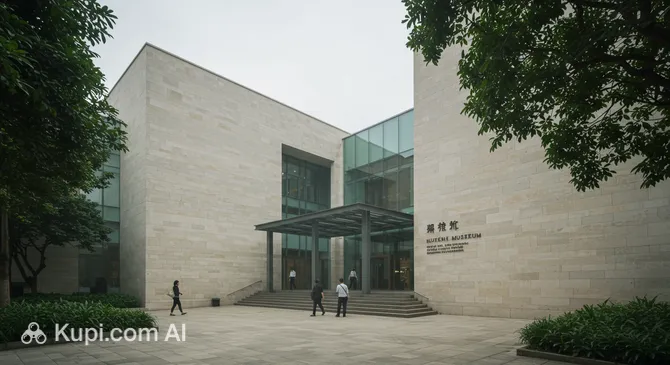
Yannan Mountain Museum
Yannan Mountain Museum. Иллюстрация. Источник: Kupi.com AI

The complex is designed in the exquisite style of the Tang Dynasty, which gives it a special monumentality and aesthetic completeness. The museum's vast territory features exhibition halls with rare artifacts, majestic statues, and picturesque landscaped areas. Due to the high level of preservation of the exhibits and the beauty of the buildings, this place is deservedly considered a top-class scenic spot and is very popular with travelers.

Inside the museum, visitors will find authentic masterpieces: from unique relics to masterfully crafted replicas of ancient structures. The Yannan Mountain Museum is not just an indoor exhibition, but a total immersion into history and philosophy, where every element of architecture and every face of Buddha tells its own centuries-old story.

Contacts

For your convenience, we have gathered the main contact information for this attraction in the table below. This will help you quickly find your way and plan your visit to the Yannan Mountain Museum.

How to contactContact
Address古區268號邮政编码: 893
Websitekinmen.travel

What to Do

At the Yannan Mountain Museum, every visitor will find something to enjoy. The main highlight is the magnificent 3.8-meter-high Golden Jade Guanyin statue, encrusted with silver and diamonds. A stroll through the grounds turns into a journey through time: you will pass through the monumental Renwang Gate, decorated with guardian figures, and visit the Jin-Tang ceremonial hall, where the three main Buddha statues—Shakyamuni, Yaoshiwang, and Amitabha—are installed.

Art lovers should check out the Doushuai auditorium, which features seven unique Buddhist statues, as well as other halls housing priceless relics. Besides viewing the exhibits, it is customary here to engage in contemplation and photography: the high points offer stunning views of the sea and the well-maintained landscape park.

For those seeking spiritual peace, the temple atmosphere is ideal for meditation. Guests also have the opportunity to participate in cultural traditions, such as purchasing miniature Guanyin figurines for donation. This is a place where you can not only observe but also feel a living connection with ancient culture through quiet walks and the enjoyment of natural beauty.

Getting There

The attraction is located in the Kinmen district, which is in close proximity to the city of Xiamen. The most popular and scenic way to get here is by ferry from the port of Xiamen. The journey by water takes about one hour, allowing you to enjoy the sea views before immersing yourself in the cultural atmosphere of the museum.

After arriving at the Kinmen port, the easiest way to reach Gudu 268 is by taxi or local bus. If you are arriving in China via Xiamen International Airport, allow 30 to 60 minutes for the taxi ride to the ferry terminal, depending on traffic conditions.

For those who prefer more active travel, bicycle rentals are available on the island, which is convenient for short distances. The area is well-prepared for international guests: clear signs in Chinese and English are installed everywhere, making navigation intuitive even for those visiting China for the first time.

Ближайший город: Xiamen

History & Facts

The roots of this amazing place go back to ancient times. The first temple structure at the foot of the hill, known as the "Southern Mountain," was built more than one and a half thousand years ago. Some architectural elements inspired by the aesthetics of the Tang Dynasty (618–907 AD) have survived to this day or have been carefully restored, conveying the spirit of the "Golden Age" of Chinese culture.

There is a beautiful legend that in the 8th century, the famous monk Jianzhen and his disciples were caught in a storm and washed ashore on this island. It was he who founded the Buddhist center here, which eventually grew into one of the largest spiritual hubs in the region. This story gives the museum a special aura of holiness and significance.

The modern appearance of the complex began to take shape in 1988, when large-scale construction started in honor of the 2,000th anniversary of Chinese Buddhism. The work was completed in 1998, and since then, the Yannan Mountain Museum has become a national treasure. The opening of Nanshan Park in the late 90s combined ancient heritage with modern tourist standards, turning the site into a priority project for preserving China's cultural diversity.

Time Needed

To explore the rich collection of artifacts and enjoy the architectural elegance of the complex without rushing, an average visitor is recommended to set aside 2 to 3 hours. This time is quite sufficient to see the main halls, walk through the landscape park, and take memorable photos.

If you plan to dedicate time to meditation or a detailed study of the Buddhist relics, the visit may take half a day. Given the peaceful atmosphere and the beauty of the surrounding nature, many tourists prefer not to hurry, enjoying the harmony of this place far from the city bustle.

Working Hours

The Yannan Mountain Museum welcomes guests daily, making it a very convenient stop on any tourist's itinerary. The complex operates on a steady schedule from 8:00 AM to 5:00 PM, with no lunch breaks or days off.

When planning your visit, try to arrive in the first half of the day to catch the soft morning light, which particularly highlights the details of the Tang Dynasty-style architecture and the golden glow of the statues.

8:00 – 17:00

Nearby

Exploring the surroundings of Yannan Mountain can significantly enrich your trip experience. The Kinmen area is famous for its parks and entertainment centers, which offer a great contrast to the calm and contemplative atmosphere of the museum.

Many of the nearby sites are ideal for family vacations or evening walks after visiting the main exhibition. Below are the most interesting places located nearby:

NameDistance
Wentai Tower1.2 km
Deyue Tower1.6 km
Zhaishan Tunnel2 km
Juguang Tower2.1 km
Jincheng Old Street2.7 km
Jiangong Islet2.7 km
Former Troops Headquarters2.8 km

Reached the end of the page?

That means the route is fully explored