Support

Casuarito

About

Nestled along the banks of the majestic Orinoco River, Casuarito is a fascinating destination that offers a unique blend of cultural heritage and natural beauty. Located in the Vichada Department, this riverside town serves as a quiet guardian of ancient secrets and a bustling point of local commerce. For travelers venturing to the eastern edge of Colombia, Casuarito presents an opportunity to experience a destination far removed from the typical tourist trail, where the vast plains meet the jungle and the river forms a natural border with Venezuela.

Geographically, Casuarito is situated in a region characterized by a tropical savanna climate, offering warm weather year-round that is perfect for outdoor exploration. The town sits directly across the river from Puerto Ayacucho, creating a dynamic atmosphere influenced by its border location. While it is a small settlement, its significance lies in its archaeological treasures and its role as a center for skilled craftsmanship.
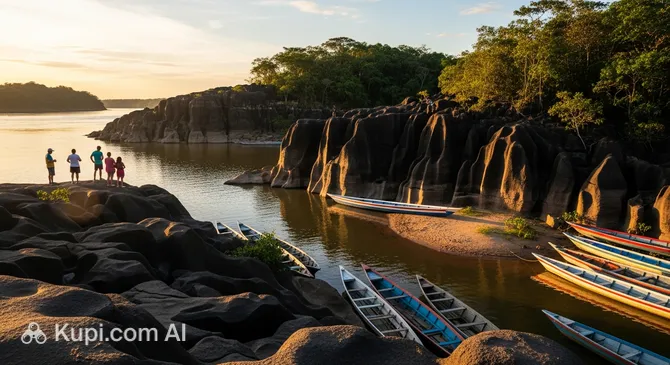
Casuarito. Source: Kupi.Binoculars

One of the most compelling reasons to visit is the town's incredible archaeological wealth. Casuarito is famous for its monumental indigenous petroglyphs, which are etched into the granite rocks surrounding the area. These ancient carvings, some depicting giant snakes and geometric figures, are considered among the largest of their kind in the world. Visitors can hike to Cerro Casuarito to view these impressive works of rock art and enjoy panoramic views of the Orinoco. To fully appreciate the stories behind these ancient stones, it is worth learning more about the history of Casuarito and the indigenous communities that have called this land home for centuries.

Beyond its historical allure, the town is also known for its vibrant local industry. Casuarito is a hub for the production of high-quality leather goods and textiles, attracting shoppers who come to purchase handmade boots, bags, and clothing. A stroll through the town offers a chance to see these artisans at work and pick up unique souvenirs. Whether you are an archaeology enthusiast or simply looking to explore the deeper reaches of the Orinoco basin, Casuarito invites you to discover its hidden wonders.

Weather Overview

Casuarito experiences a tropical climate defined by consistent heat and two distinct seasonal patterns. Visitors can generally expect warm weather year-round, though the experience varies significantly depending on the rainfall. To help choose the best time for your visit, it is advisable to consult the detailed guide to the weather in Casuarito while planning your itinerary.

The year typically begins with a hot, dry season that lasts from December through March. During months like January and February, rainfall is scarce, averaging just 1mm, with only about 4 wet days per month. This is the hottest period, with average temperatures climbing to 30.0°C in February and daily highs reaching up to 34.6°C. These clear, sunny days are excellent for outdoor activities, provided you are prepared for the heat.

From May to October, the region shifts into a prolonged wet season. June and July are particularly rainy, often recording up to 30 wet days per month, meaning rain is a daily occurrence. While the precipitation brings lushness to the surrounding landscapes, it also brings slightly cooler temperatures, with averages dipping to around 26.0°C. Travelers visiting during this time should pack waterproof gear, as showers are frequent and humidity levels are higher.

Interesting Facts

Beyond the main attractions, Casuarito holds many fascinating secrets that reveal its deep connection to both the ancient earth and local ingenuity. This small riverside outpost is more than just a scenic stop; it is a place where geological history and modern craftsmanship intersect in surprising ways.
  • The Vanishing Museum: The visibility of Casuarito’s famous petroglyphs is entirely dictated by the Orinoco River. During the wet season, the water level can rise dramatically—often by more than 10 meters—completely submerging many of the ancient rock carvings, which only re-emerge to be admired when the dry season returns.

  • One of Earth's Oldest Canvases: The granite rocks surrounding the town are part of the Guiana Shield, a geological formation estimated to be over 1.7 billion years old. This means the indigenous artists who carved the petroglyphs were working on some of the most ancient exposed surfaces on the planet.

  • A Remote Fashion Hub: Despite its isolation in the jungle, Casuarito functions as a highly specialized industrial enclave for leather goods. It is considered a "factory town" in the wilderness, where skilled artisans can often craft a pair of custom leather boots in record time, drawing customers who travel specifically for bespoke fittings.

How to Get There

Reaching this remote destination on the banks of the Orinoco River requires some planning, as the town is tucked away in the Vichada Department. For a comprehensive guide on planning your journey, you can read more about how to get to Casuarito. The region is primarily accessible via air travel to neighboring cities followed by overland or river transport.

The city of Casuarito does not have its own airport, but the most direct connection is usually through Puerto Carreno Airport (PCR) in the city of Puerto Carreño. This airport serves as a key regional hub and is located about 58 km from Casuarito. The transfer typically involves a journey by road, although river transport is also a popular alternative in this area. The airport handles a modest volume of travelers, ensuring a relatively quick arrival process.

Another option in the wider region is the airport in Puerto Inírida (PDA), located in Inírida. It is significantly further away, situated roughly 204 km from Casuarito. Access from here is challenging, as there are no direct roads connecting the two locations; travelers would need to rely on river transport to reach their final destination, making it a less common entry point unless combined with other regional travel.

For clarity, here is a summary of the main airports:

Airport Name City Passenger Traffic Km from City
Puerto Inírida Inirida Medium 204.3
Puerto Carreno Airport Puerto Carreno Small 58.0

Casuarito is not connected to a railway network, and there are no train stations in the immediate vicinity or in the neighboring towns. The region's transport infrastructure relies heavily on river navigation along the Orinoco and local roads. Travelers should be prepared to use boats or 4x4 vehicles to reach their final destination.

Main Attractions

Casuarito is a destination defined by its striking contrasts, where prehistoric mysteries coexist with bustling local commerce. While it may appear as a small riverside outpost, the town offers visitors a chance to witness some of the most significant rock art in South America and experience the raw power of the Orinoco River. Here are the main attractions that make this hidden gem in the Vichada Department worth exploring.

The crown jewel of the area is undoubtedly Cerro Casuarito, a granite hill that serves as an open-air gallery for ancient indigenous art. This site is home to monumental petroglyphs, including massive carvings of snakes and geometric figures that are believed to be thousands of years old. These engravings are etched into the dark surface of the Guiana Shield rock, one of the oldest geological formations on Earth. The best time to visit is during the dry season, as rising river levels can submerge some of the lower carvings during the rainy months.

Just a stone's throw from the town lies the breathtaking Raudal de Maipures (Maipures Rapids). Often described by the explorer Alexander von Humboldt as the "Eighth Wonder of the World," this section of the Orinoco River transforms into a spectacular display of churning water and granite islands. The rapids create a natural border between Colombia and Venezuela, offering a mesmerizing view of the river's untamed force. It is a perfect spot for photography and for appreciating the sheer scale of the Orinoco basin.

For those interested in local craftsmanship, the Leather Artisan Workshops are a must-visit attraction. Casuarito has developed a unique reputation as a "factory town" for high-quality leather goods. Visitors travel from afar to commission custom-made boots, belts, and bags, often crafted in a rugged, Texan style that suits the llanos (plains) environment. strolling through the town allows you to watch skilled artisans at work and purchase durable souvenirs at prices significantly lower than in major cities.

Finally, a walk along the Orinoco Riverfront offers a more relaxed pace. From the riverbank, you can look across the water to the Venezuelan city of Puerto Ayacucho and watch the local boats navigating the currents. The sunsets here are particularly dramatic, painting the sky and the river in deep shades of orange and violet, providing a perfect end to a day of exploration.

Local Cuisine

The culinary landscape of Casuarito is a flavorful reflection of its geography, where the traditions of the Colombian Llanos (Eastern Plains) blend seamlessly with the bounty of the Orinoco River. The food here is hearty, unpretentious, and deeply rooted in the availability of fresh local ingredients. Visitors can expect a diet dominated by high-quality meats, diverse freshwater fish, and cassava-based staples that have been prepared by indigenous communities for generations.

The most iconic dish of the region is undoubtedly Carne a la Llanera (often called Mamona). This traditional preparation involves roasting cuts of veal on long metal skewers over a slow-burning wood fire. The meat is seasoned simply with salt to let the natural flavors shine and is typically served with boiled potatoes, plantains, and guacamole. For seafood lovers, the river provides an abundance of options like bagre (catfish), cachama, and the yellow-finned amarillo. These are often served fried to a crisp or simmered in a rich, savory soup known as sancocho de pescado, which is a popular lunch option.

A unique aspect of dining in Casuarito is the strong influence of indigenous cuisine, particularly in the use of cassava. Instead of standard bread, meals are frequently accompanied by Casabe, a large, crispy, cracker-like flatbread made from cassava flour. Another local staple is Mañoco, a type of roasted, granulated cassava flour. It is incredibly versatile, often sprinkled over soups to add texture or mixed with water and fruit juices to create a refreshing beverage known as Yucuta, which is perfect for cooling down in the tropical heat.

The food culture in Casuarito is informal and community-oriented. You won't find fine dining establishments here; instead, locals and tourists eat at open-air asaderos (grill houses) or small family-run eateries near the riverbank. These spots offer a relaxed atmosphere where you can enjoy a cold beer or a fresh mango juice while watching the boats drift by. Given the town's location on the border, you might also notice subtle Venezuelan influences in the seasoning and snack options available from street food vendors.

Travel Tips

Visiting Casuarito is a rewarding adventure into the heart of the Colombian Orinoquía, but its remote location and unique geography require a bit more preparation than the average tourist destination. To ensure your trip to this fascinating riverside town is smooth and enjoyable, we have compiled a set of essential practical tips to help you navigate the local environment with ease.

  1. Pack for Heat and Humidity: Given the tropical savanna climate, lightweight, breathable clothing made of cotton or moisture-wicking synthetic fabrics is essential. Long sleeves and pants are recommended for protection against the sun and insects, especially during jungle treks. Don't forget a wide-brimmed hat, high-SPF sunscreen, and sunglasses.

  2. Footwear for Exploration: While sandals are fine for walking around the village, sturdy hiking boots or shoes with good grip are mandatory if you plan to climb Cerro Casuarito. The granite rocks can be slippery, especially after rain, and the terrain is uneven. Waterproof footwear is a smart choice if you are visiting during the wet season (May to October).

  3. Cash is Essential: Casuarito is a small, remote town, and banking infrastructure is virtually non-existent. You will not find ATMs or card terminals in most shops or eateries. It is crucial to withdraw sufficient Colombian Pesos (COP) in a larger city like Puerto Carreño or Bogotá before you arrive. Bring plenty of small denominations for buying snacks, paying for boat rides, or purchasing local crafts.

  4. Health and Hydration: The tropical heat can be intense, so staying hydrated is vital; always carry bottled water and avoid drinking tap water to prevent stomach issues. Insect repellent is your best friend here, as mosquitoes and sandflies can be active near the river. It is also advisable to carry a basic personal first-aid kit and your Yellow Fever vaccination certificate, which is often required for travel in the Vichada Department.

  5. Connectivity and Language: Do not rely on having a high-speed internet connection. Mobile signal can be intermittent or weak depending on your provider (Claro usually has the widest coverage in remote Colombia). Spanish is the primary language spoken; English is rarely understood, so learning basic phrases or having an offline translation app will be extremely helpful for daily interactions.

  6. Respecting Local Heritage: When visiting the petroglyphs, treat the site with the utmost respect. Do not touch, climb on, or trace the ancient carvings, as oils from human skin can degrade the rock art over time. If you wish to photograph members of the local indigenous communities, always ask for permission first—a polite smile and a request go a long way.

  7. Border Awareness: Casuarito sits directly across the river from Venezuela. While the proximity is fascinating, avoid attempting to cross the border informally or taking photographs of sensitive border infrastructure on either side without knowing the current regulations. Stick to the Colombian side of the river unless you have official clearance and know the specific migration rules in effect at the time.

  8. Shopping for Leather: Take advantage of Casuarito's reputation as a leather manufacturing hub. If you plan to buy boots or bags, come prepared with your measurements or be ready for a fitting. The artisans here work quickly and skillfully, and purchasing directly from them is a great way to support the local economy while getting a high-quality, custom-made souvenir.

By keeping these practical tips in mind, you will be well-equipped to embrace the rustic charm and natural wonders of Casuarito. A little preparation allows you to focus less on logistics and more on the stunning sunsets over the Orinoco and the ancient mysteries etched into the stones.

Entertainment & Nightlife

Entertainment and nightlife in Casuarito are defined by the town's rustic charm and its close connection to the Orinoco River. Unlike the bustling cities of the Colombian interior, you will not find neon-lit nightclubs, high-end cocktail lounges, or thumping techno beats here. Instead, the "nightlife" is a community affair—relaxed, informal, and centered around socializing in the open air. The atmosphere is authentically Llanero, where the evening entertainment consists of sharing cold beers, listening to Vallenato or Joropo music, and enjoying the cooling breeze off the river after a sweltering day.

The heart of social activity in the evenings is undoubtedly the Malecón (Riverfront Boardwalk). This scenic walkway, with its yellow-painted railings, serves as the town's main gathering spot. As the sun sets over the river, locals and visitors alike stroll along the water's edge to watch the fading light paint the sky in vibrant oranges and purples. Small kiosks and open-air establishments, often referred to as casetas, line this area. Here, plastic tables and chairs are set up directly on the pavement or sand, creating a laid-back environment where conversation flows as freely as the local drinks.

Dining out is an integral part of the evening experience, though you won't find formal menus or reservations. Instead, visitors can head to the various local riverside eateries and family-run spots that dot the town center. These establishments are where you can enjoy hearty regional dishes and stay late chatting with the friendly owners. Another focal point for evening gatherings is the Cancha Municipal (Municipal Sports Court). In many remote Colombian towns, the sports court acts as a central plaza where youth play football until late, and families gather to watch, eat street snacks, and socialize under the floodlights.

While the town is generally quiet, it transforms during local patron saint festivities and cultural celebrations. During these special times of the year, the village becomes a vibrant hub of activity. These events typically feature live performances of traditional Llanera music, dance competitions, and communal gatherings. If your trip coincides with these local holidays, you will experience the true spirit of the region, with parties that can last until dawn, fueled by aguardiente and the rhythmic sounds of the harp and maracas.

For daytime entertainment, the options are deeply rooted in nature and history. Beyond the famous petroglyphs, visitors can take a boat trip to the indigenous community of Piedra Tonina to learn about local traditions or cool off in the natural pools of Caño Casuarito. These activities offer a peaceful contrast to the heat of the day and provide a deeper understanding of the area's cultural heritage.

Practical Nightlife Tips:

  • Cash is King: None of the small bars or kiosks accept credit cards. Ensure you have enough small-denomination cash (Colombian Pesos) for the entire evening.
  • Dress Code: The style is strictly casual. Shorts, t-shirts, and sandals are the norm. You will feel overdressed in anything else.
  • Safety & Border Awareness: Casuarito is a border town. While the Colombian side is generally welcoming, avoid crossing the river to Venezuela at night, as regulations and safety conditions can be unpredictable. Stick to the well-lit areas near the Malecón and the town center.
  • Mosquito Protection: The riverside location means mosquitoes are active in the evening. Apply strong insect repellent before heading out for the night.

Parks & Museums

In Casuarito, the concepts of parks and museums are redefined by the landscape itself. Rather than manicured gardens or enclosed exhibit halls, the town offers vast open-air galleries and raw natural spaces where history and geography intertwine. The entire region functions as a living museum, preserving ancient stories etched into stone and offering green spaces dominated by the power of the Orinoco River.

The most significant natural area is the Orinoco Riverfront, often referred to as the Malecón. Functioning as the town's primary public park, this promenade runs along the water's edge and serves as the social heart of the community. It offers unobstructed views of the mighty river and the Venezuelan coast opposite. In the late afternoon, it transforms into a vibrant gathering spot where locals relax, children play, and visitors can witness spectacular sunsets that reflect off the churning waters of the Raudal de Maipures.

For a more immersive nature experience, Caño Casuarito provides a refreshing escape from the tropical heat. Located just a short distance from the town center, this natural creek forms a series of pools and small waterfalls. Surrounded by lush vegetation and rocky outcrops, it is a favorite spot for swimming and picnicking. The cool, dark waters of the caño offer a stark contrast to the vast, sun-drenched expanse of the main river, making it a peaceful retreat for nature lovers.

Casuarito does not have traditional indoor museums; instead, it boasts the Cerro Casuarito Archaeological Park, an open-air museum of global importance. This granite hill is home to one of the largest concentrations of indigenous petroglyphs in South America. Visitors can wander among massive boulders adorned with carvings of serpents, suns, and human figures that date back thousands of years. It is a place where art and geology merge, allowing you to "read" the history of the Orinoquía directly from the earth.

Cultural heritage is also preserved in the town's Leather Artisan Workshops. While not a gallery in the conventional sense, this district functions as a center for living culture. Here, you can observe master craftsmen transforming raw materials into the region's famous boots and saddles. These workshops display the tools and techniques passed down through generations, offering a tangible connection to the Llanero identity that defines this frontier town.

For a truly authentic experience, ask a local guide to take you to Piedra Tonina. This smaller, less-visited rock formation offers not only additional petroglyphs but also a quieter vantage point for observing the river's ecosystem. It is an excellent spot for birdwatching and enjoying the silence of the savanna, away from the main activity of the port.

Getting Around

The public transport system in Casuarito is a reflection of its size and remote location; you will not find subways, trams, or large city buses here. The town is compact enough that most visitors can navigate the central areas, including the artisan workshops and the riverfront, comfortably on foot. Walking is the most common way to get around, allowing you to soak in the local atmosphere at a relaxed pace without the need for complex transit maps or schedules.

For distances that are too far to walk, or if you are carrying heavy luggage, the mototaxi (motorcycle taxi) is the primary form of motorized transport. These are ubiquitous in the region and serve as the local equivalent of a taxi service. You can easily flag one down on the street or find them waiting at key points like the river port or the main square. They are fast, agile, and capable of navigating the unpaved roads that surround the town, making them the most practical option for reaching specific landmarks or accommodations.

Given the river-centric nature of the region, water transport plays a crucial role that functions almost like a bus system. Small boats, known locally as voladoras or bongos, operate from the port area. These vessels connect Casuarito with nearby river communities and are the standard mode of travel for leaving the town to head towards Puerto Carreño. While they do not have strict minute-by-minute timetables, they generally depart when full or upon request, operating primarily during daylight hours.

The payment system in Casuarito is strictly cash-based. There are no travel cards, mobile apps, or electronic ticketing machines. You must pay the driver or boat captain directly in local currency (Colombian Pesos). Fares for mototaxis are generally very affordable and fixed for short trips within town, but it is always wise to confirm the price before hopping on. For river transport, prices are standard based on the destination, but carrying small denominations is essential as change for large bills is often unavailable.

Tourists should be aware that transport services slow down significantly after sunset. If you plan to be out late, ensure you have a way to get back to your accommodation, as finding a mototaxi late at night can be difficult. Additionally, safety standards may differ from what you are used to; when taking a boat, always ensure a life jacket is provided and wear it. For motorcycle trips, asking for a helmet is recommended, though not always automatically offered. Ride-sharing apps like Uber do not operate in this area, so relying on the local informal network is the only way to travel.

Accommodation

Finding accommodation in Casuarito is an exercise in simplicity and authenticity. As a small, remote town on the banks of the Orinoco River, it does not offer luxury resorts, international hotel chains, or high-end boutique lodgings. Instead, visitors will find a modest selection of family-run guesthouses and basic hotels that provide essential amenities. The accommodation landscape here reflects the rustic charm of the region, offering a clean place to sleep and a chance to interact closely with the local community.

The most convenient area to stay is near the Riverfront (Malecón) or around the main town square. Staying in this central zone places you within walking distance of the boat port, the artisan workshops, and the few dining establishments available in town. Since the town is compact, location is rarely an issue, but being close to the river allows for cooler breezes in the evening and easy access to transport for your daily excursions.

Travelers should manage their expectations regarding amenities. Most rooms are simple, equipped with a fan or air conditioning—which is highly prized in the tropical heat—and a private bathroom. Hot water is generally not available, though given the climate, a cool shower is often refreshing. Wi-Fi availability can be sporadic, so it is best to view your stay as an opportunity to disconnect and immerse yourself in the surroundings.

Booking and Prices: Accommodation in Casuarito falls almost exclusively into the budget category. Prices are very affordable compared to major Colombian cities. Booking in advance through major online platforms is rarely an option, as most local establishments do not have a digital presence. The standard practice is to simply arrive and ask for a room, or to contact the place via phone or WhatsApp if you can find their number beforehand. Important: Payment is strictly in cash (Colombian Pesos), so ensure you bring enough money to cover your entire stay.

Nearby Cities

For those looking to explore the surroundings, Casuarito serves as an excellent base for day trips to several interesting nearby locations:

The most practical and popular day trip is to Puerto Carreño, the capital of the Vichada Department. Located roughly 58 km to the north, it sits at the spectacular confluence of the Meta and Orinoco rivers. Visitors can enjoy a boat ride to spot pink river dolphins, explore the bustling local markets, or relax on the seasonal river beaches like Playa Bita. It offers a livelier atmosphere compared to the quiet village life of Casuarito and serves as the main transport hub for the region.

For the truly adventurous willing to travel further into the vast plains, Cumaribo offers a gateway to the deep jungle. As the largest municipality in Colombia by area, it is home to the stunning Tuparro National Park and significant indigenous populations. While the journey requires more time due to the rugged terrain, it provides an unparalleled opportunity to witness the transition from the tropical savanna to the Amazon rainforest and experience the raw, untouched beauty of the Orinoquía.

City Population Distance (km)
Yopal 143619 529
Arauca 96814 373
Tame 53266 461
Saravena 47203 489
Cumaribo 43138 262

These nearby destinations offer a glimpse into the diverse culture and landscapes of the region.

Shopping & Souvenirs

Shopping in Casuarito offers a distinct experience that is far removed from modern retail therapy. You will not find high-end boutiques, department stores, or glossy window displays here. Instead, the town is renowned as a specialized hub for skilled craftsmanship, particularly in the leather industry. For visitors, the shopping scene is centered around visiting local workshops to witness artisans at work and purchasing high-quality, handmade goods directly from the source.

The main commercial activity is concentrated in the central streets of the town and near the riverfront. Rather than a designated shopping district, you will find family-run workshops and small general stores scattered throughout the village. The most interesting "stores" are often the front rooms of homes where master craftsmen display their leather creations. Exploring these dusty, unpaved streets allows you to discover hidden gems and interact personally with the makers.

Travelers should be aware that shopping malls do not exist in Casuarito. The retail infrastructure is entirely traditional and small-scale. If you are looking for branded electronics, fashion chains, or large supermarkets, you will need to do your shopping in larger cities like Bogotá or Villavicencio before arriving. The charm here lies in the absence of mass-produced goods.

While there is no large, formal market complex, the Riverfront area often functions as an open-air marketplace. Here, vendors sell daily necessities, fresh produce brought in by boat, and snacks. It is also common to find members of local indigenous communities selling traditional handicrafts. These might include woven baskets, fiber bags, or small wood carvings, offering a glimpse into the cultural heritage of the Vichada region.

The undisputed highlight for any shopper is the leather goods. Casuarito is famous across the Eastern Plains for its production of "Texan-style" boots, saddles, and belts. The souvenirs worth bringing back are undoubtedly a pair of custom-made boots (cotizas or botas llaneras). You can choose the leather type, color, and design, and have them fitted to your exact measurements. Other excellent purchases include durable leather bags, wallets, and hats, all sold at prices significantly lower than in the capital.

Opening hours are informal and often dictated by the sun and the owner's schedule. Most shops and workshops open early, around 7:00 AM or 8:00 AM, to take advantage of the cooler morning hours. It is common for businesses to close for a long lunch break during the hottest part of the day (roughly 12:00 PM to 2:00 PM) and reopen until sunset. On Sundays, activity slows down considerably.

Regarding payment methods, cash is the only reliable option. Credit and debit cards are virtually useless in Casuarito, as most vendors do not have card terminals. You must carry sufficient Colombian Pesos (COP) to cover all your purchases. Tax-free shopping or VAT refunds are not applicable in this remote region, so the price you negotiate is the final price you pay.

Reached the end of the page?

That means the route is fully explored