Support

Puerto Carreno

About

Puerto Carreño is a captivating destination located in the far east of Colombia, serving as the capital of the Vichada Department. Situated at the majestic confluence of the Meta and Orinoco rivers, this city offers a unique gateway to the vast Eastern Plains, known locally as the Llanos. With a population of approximately 20,000 inhabitants, it maintains a tranquil atmosphere while acting as a vital hub for trade and eco-tourism in the region.
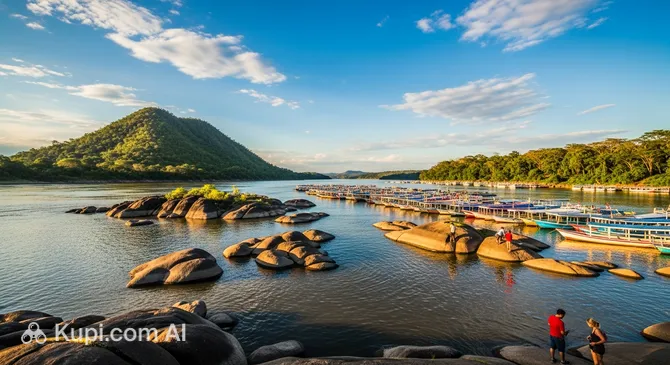
Puerto Carreno. Source: Kupi.Binoculars

The city has a distinct charm, characterized by its warm tropical climate and the stunning natural landscapes that surround it. Those interested in the past can explore the history of Puerto Carreño, which reveals its evolution from a strategic river port to a key administrative center. The local culture is deeply intertwined with the rhythms of the great rivers and the traditional "llanero" lifestyle, offering visitors a genuine glimpse into life on the plains.

Nature enthusiasts will find Puerto Carreño to be a paradise, particularly for sport fishing. The nearby Bita River is world-renowned for its biodiversity and is a protected sanctuary for various species, including the famous peacock bass. Visitors can also enjoy boat tours to spot pink river dolphins or marvel at the rocky outcrops of the Cerro de la Bandera, which offers panoramic views of the converging rivers and the surrounding wilderness.

Whether you are an angler seeking a trophy catch or a traveler looking to experience the raw beauty of the Orinoquía region, Puerto Carreño welcomes you with open arms. It is an ideal destination for an unforgettable off-the-beaten-path adventure filled with spectacular sunsets and rich wildlife.

Weather Overview

Puerto Carreno experiences a tropical climate defined by distinct seasonal changes in rainfall and temperature. The beginning of the year is typically the hottest and driest period; from January to March, precipitation is minimal, and daily maximum temperatures can soar, reaching up to 35.7°C in March.

From April onwards, the region enters a prolonged wet season that lasts through November. During these months, while temperatures moderate slightly to an average of around 26°C to 28°C, the frequency of rainfall increases dramatically, with July seeing precipitation on up to 30 days. For specific forecasts and monthly trends, you can consult the detailed weather in Puerto Carreno guide.

Travelers planning a visit should be prepared for these contrasting patterns. Expect sweltering heat and clear skies during the dry months at the start of the year, whereas the rest of the year brings frequent showers and high humidity, keeping the landscape lush and green.

Interesting Facts

Beyond the main attractions, Puerto Carreno holds many fascinating secrets that reveal its geological depth and cultural richness. Here are some intriguing details that make this city truly special:

  • A Cosmic Mystery: Geologists have identified a massive circular anomaly in the region known as the Vichada Structure, which is believed to be an ancient meteorite impact crater. The Vichada River flows around this suspected extraterrestrial scar, creating a unique interaction between the watercourse and the impact site that adds a layer of cosmic history to the geography.

  • Ancient Geological Roots: The striking rocky hills, or "inselbergs," that dot the landscape are not just scenic viewpoints; they are part of the Guiana Shield. These granite formations are among the oldest rocks on Earth, dating back over a billion years to the Precambrian era.

  • The Cashew Capital: While coffee is famous nationwide, this region is the heart of Colombia's cashew (marañón) production. Locals utilize the entire fruit, processing the nut and turning the fleshy apple part into delicious sweets, jams, and even wine, which is celebrated annually in a dedicated festival.

  • Humboldt’s Wonder: The legendary explorer Alexander von Humboldt visited this stretch of the Orinoco in the 19th century. He was so mesmerized by the nearby Maipures Rapids that he famously described them as the "Eighth Wonder of the World," cementing the region's place in scientific history.

How to Get There

Reaching this remote capital of the Vichada Department is an adventure that typically begins by air, given the vast distances and the nature of the terrain in the Eastern Plains. For a comprehensive guide on logistics and route planning, you can read more about how to get to Puerto Carreno.

The most direct and convenient entry point is Puerto Carreno Airport (PCR). Located just 1.3 km from the city center, this regional hub connects the area with major Colombian cities like Bogotá. Upon arrival, the transfer to the downtown area is very quick; however, allowing for luggage retrieval and finding a taxi, the process generally takes about 20 minutes. While the airport handles a modest volume of passengers annually, it is the lifeline for local tourism and commerce.

Another airport in the broader region is Puerto Inírida (PDA), situated in the city of Inirida. It is important to note that this airport is approximately 262 km away from Puerto Carreno. Due to the lack of direct road infrastructure between these two points, this airport primarily serves the Guainía Department and would likely require additional travel arrangements, such as a river boat or a connecting flight, to reach Puerto Carreno.

For clarity, here is a summary of the main airports:

Airport Name City Passenger Traffic Km from City
Puerto Inírida Inirida Medium 262.6
Puerto Carreno Airport Puerto Carreno Medium 1.3

Puerto Carreno does not have a railway station, and train travel is not a viable option for reaching this part of the country. The region relies heavily on river transport along the Meta and Orinoco rivers, as well as air travel. Overland access is possible but involves long journeys on roads that can be challenging, especially during the rainy season.

Main Attractions

Puerto Carreno serves as the perfect launchpad for exploring some of the most pristine and biodiverse landscapes in the Orinoquía region. While the city itself is small and welcoming, the surrounding natural wonders are vast and spectacular, offering travelers a chance to immerse themselves in the raw beauty of the Colombian plains.

One of the most significant highlights is El Tuparro National Natural Park. Although it covers a massive area extending beyond the immediate city limits, Puerto Carreno is the main gateway for tours into this UNESCO Biosphere Reserve. The park is famous for the Maipures Rapids, which the explorer Alexander von Humboldt once described as the "Eighth Wonder of the World." Visitors can navigate the powerful waters of the Orinoco, hike the Attalea trail, and witness a stunning variety of wildlife, including tapirs, jaguars, and hundreds of bird species.

For the best panoramic views, a visit to Cerro de la Bandera is essential. This rocky hill, or "inselberg," rises abruptly from the flat plains and stands as a natural watchtower over the city. A short hike to the summit rewards you with a breathtaking perspective of the "Great Confluence," where the Meta and Bita rivers merge into the mighty Orinoco. It is an especially magical spot at sunset, when the vast sky and rivers turn shades of orange and violet.

Nature lovers should not miss the Bojonawi Nature Reserve, located just a short boat ride or drive south of the city. This private reserve is a sanctuary for biodiversity, featuring the beautiful El Pañuelo Lagoon. It is one of the best places in the region to spot the charismatic pink river dolphins (toninas) and giant river otters in their natural habitat. The reserve offers guided eco-tours that allow visitors to explore gallery forests and rocky outcrops while learning about local conservation efforts.

Finally, the Bita River itself is a major attraction, celebrated as a "protected river" due to its incredible ecological health. It is world-renowned among sport fishermen for being a prime habitat for the peacock bass (tucunaré). Even if you are not into fishing, a boat trip along its calm, crystal-clear waters offers a peaceful escape and the chance to see freshwater turtles and diverse aquatic life in one of Colombia's most well-preserved waterways.

Local Cuisine

The local cuisine of Puerto Carreno is a vibrant reflection of its geography, blending the rustic cowboy traditions of the Eastern Plains (Llanos) with the rich indigenous heritage of the Orinoco basin. The food here is hearty, flavorful, and deeply connected to the land and rivers, offering visitors an authentic taste of this remote frontier.

The undisputed king of the table is Carne a la Llanera, also known as mamona. This is the signature dish of the entire region, consisting of tender cuts of veal seasoned simply with salt and slow-roasted on wooden skewers over a low fire for hours. It is traditionally served with savory sides like boiled yuca (cassava), topochos (a type of savory plantain), and potatoes, creating a feast that brings people together.

Given the city's location at the confluence of major rivers, freshwater fish is a staple of the daily diet. You can sample delicious varieties such as bagre (catfish), cachama, and the prized pavón (peacock bass). These are typically prepared fried, stewed in a rich sauce (sudado), or smoked wrapped in banana leaves, often accompanied by casabe, a large, crispy flatbread made from cassava flour that has been a dietary cornerstone of local indigenous communities for centuries.

Puerto Carreno is also famous for its production of marañón (cashew). Unlike other places that focus solely on the nut, locals here utilize the fleshy fruit (the cashew apple) to create unique gastronomic products. You must try the sweets and jams made from the fruit, but the most distinctive local beverage is Vino de Marañón, a fermented wine with a sweet, fruity profile that you won't easily find elsewhere in Colombia.

The dining scene in the city is unpretentious and relaxed, perfectly suited to the warm tropical climate. Tourists and locals alike often gather at open-air restaurants and grills, particularly those near the riverbanks or the port area, to enjoy the fresh breeze while eating. Whether you are grabbing a quick bite at a market stall or sitting down for a full llanero banquet, the atmosphere is always welcoming and informal.

Travel Tips

Traveling to Puerto Carreno offers a unique glimpse into the soul of the Colombian Llanos, but its remote location requires a bit of extra preparation. To help you navigate this riverside gem with ease, here are some practical suggestions to ensure your adventure is smooth and enjoyable.

  1. Clothing and Gear: Light, breathable fabrics are essential for the tropical heat, but long sleeves and pants are highly recommended to protect against the strong sun and mosquitoes, especially near the rivers. Bring a sturdy pair of walking shoes for exploring rocky sites like Cerro de la Bandera and a reliable raincoat if visiting during the wet season (April to November). A power bank is also useful, as power outages can occasionally occur.

  2. Transportation: The most common and convenient way to navigate the city is by motocarro (a three-wheeled motorized rickshaw) or motorcycle taxi. These are affordable, breezy, and readily available. Car rentals are scarce and generally unnecessary within the town limits; for excursions into the surrounding plains or to El Tuparro, it is best to book guided 4x4 tours through local agencies.

  3. Finances: The local currency is the Colombian Peso (COP), and carrying cash is absolutely critical as many smaller shops, markets, and transport providers do not accept cards. While there are a few ATMs in the town center, they can occasionally run out of bills or face technical issues, so it is wise to arrive with sufficient cash. Tipping is not mandatory, but rounding up the bill is appreciated.

  4. Health and Safety: A Yellow Fever vaccination certificate is often required for travel to this region of Colombia, so ensure your shots are up to date. Tap water is not suitable for drinking; always opt for bottled or purified water. Pharmacies are available for basic needs, but for serious medical emergencies, facilities are limited, making travel insurance with evacuation coverage a smart investment.

  5. Communication: Spanish is the primary language, and English proficiency is quite limited among locals. It is highly useful to learn basic phrases or have an offline translation app ready to help with interactions. For mobile connectivity, purchasing a SIM card from a major provider like Claro or Movistar usually offers the best coverage, though signal strength can drop significantly outside the urban area.

  6. Local Etiquette: The people of the Llanos are known for their hospitality; a friendly greeting of "Buenas" or "Buenos días" when entering a shop or passing someone on the street is customary and polite. Life here moves at a relaxed pace, often dictated by the midday heat, so patience is key when waiting for services or food.

  7. What to Avoid: Do not swim in the rivers without explicit local advice and supervision. The currents at the confluence of the Orinoco and Meta rivers can be deceptive and powerful, and certain areas may be home to wildlife such as stingrays. Always ask a guide for designated safe swimming spots.

  8. Local Insight: Don't leave without trying the local cashew (marañón) products. Since this region is a major producer, you can find everything from roasted nuts to unique cashew wine. Buying these items is a great way to support local farmers and taste something truly specific to the Vichada department.

With these tips in hand, you are ready to embrace the wild beauty and warm culture of this frontier city. Enjoy the stunning sunsets over the Orinoco and the unforgettable hospitality that makes a trip to this corner of the world so special.

Entertainment & Nightlife

Puerto Carreno offers a nightlife experience that is authentic, vibrant, and deeply connected to the local culture of the Eastern Plains. Unlike the high-energy club scenes of major metropolises, the evening atmosphere here is more about socializing, enjoying cold drinks in the open air, and immersing yourself in the rhythms of the region. As the sun sets over the Orinoco, the heat of the day dissipates, and the city comes alive with the sounds of vallenato, salsa, and traditional llanera music.

The heart of the action often gravitates towards the Riverfront (El Muelle) area and the streets surrounding the main squares. The riverfront is particularly popular for a casual evening; here, you can find a variety of establishments ranging from simple liquor stores with outdoor seating to billiard halls where locals gather to unwind. The breeze from the river adds a refreshing touch to the night, making it the perfect spot to start your evening with a cold beer and lively conversation.

For those looking for a more defined bar atmosphere, the city has several well-regarded spots. Licorera 9 18 is a favorite among both locals and visitors, known for its welcoming vibe and a wide selection of beverages, including refreshing cocktails that are perfect for the tropical climate. Another popular venue is Kcique Bar, which offers a lively setting often accompanied by themed nights and a friendly crowd, making it an excellent place to meet people and experience the genuine hospitality of the Vichada department.

When planning a night out, keep in mind that the dress code is almost exclusively casual and comfortable, suitable for the warm weather. Cash is king in Puerto Carreno; very few nightlife venues accept credit cards, so ensure you have sufficient Colombian Pesos on hand. Getting around is easy and affordable with motocarros (motorized tricycles), which are the standard mode of transport. In terms of safety, the main entertainment areas are generally secure, but it is always synonymous with good travel sense to stay in well-lit, populated zones and use recommended transport when returning to your accommodation late at night.

While the nights are for socializing, daytime entertainment in Puerto Carreno is rooted in nature and culture. Visitors can head to the Casa de la Cultura to witness the artistic soul of the region, where children and adults alike learn to play traditional instruments like the harp, cuatro, and maracas, or practice the energetic Joropo dance. For a more relaxed day, the sandy beaches along the Bita and Orinoco rivers offer a natural playground for swimming and picnics during the dry season, providing a perfect contrast to the energetic nights.

Parks & Museums

Puerto Carreno is a destination where the boundaries between the urban environment and the wild Orinoquía landscape are beautifully blurred. While the city does not feature the expansive manicured gardens or large museum complexes found in major metropolises, it offers charming public spaces and cultural venues that serve as the heart of community life and the custodians of local heritage.

Parque General Santander is the central hub of the city and the most significant urban green space. Shaded by large mango and almond trees, this main square offers a welcome respite from the tropical heat. It is a lively meeting point where locals gather to chat, children play, and visitors can observe the relaxed pace of life in the Llanos. It is not uncommon to spot large green iguanas resting in the branches above, adding a touch of wild nature to the city center.

During the dry season, the receding waters of the rivers reveal vast stretches of sand that function as Seasonal River Beaches. While not traditional parks, these natural areas, particularly along the Bita River, become the city's primary recreational grounds. Families flock here to picnic, swim, and enjoy sports on the sand, effectively turning the riverbanks into a vibrant, temporary public park that celebrates the region's amphibious character.

In terms of cultural institutions, the Casa de la Cultura (House of Culture) stands as the guardian of the region's artistic and historical identity. While it serves as a venue for music and dance, it also functions as a gallery and museum space, preserving artifacts, photographs, and traditional instruments that tell the story of the "Llanero" culture. It is the best place to gain insight into the folklore, legends, and artistic expressions that define the department of Vichada.

Another key cultural landmark is the Catedral Nuestra Señora del Carmen. Located facing the main park, this cathedral is the most prominent architectural structure in the city. Its design is simple yet striking, reflecting the modest and resilient spirit of the people. Beyond its religious function, the cathedral is a repository of local history and a focal point for the community's major celebrations and festivals.

For those interested in history, the Old Port Area offers a glimpse into Puerto Carreno's past as a strategic river outpost. Walking along the waterfront here allows you to imagine the early days of trade and exploration when the river was the only highway connecting this remote region to the rest of the world.

An authentic way to connect with the local culture is to seek out indigenous artisan workshops. The region is home to several indigenous communities, such as the Sikuani, who create intricate handicrafts from natural fibers. Visiting a local market or a designated shop to see these woven baskets and bags is a "living museum" experience that supports the preservation of ancestral techniques.

Getting Around

Public transport in Puerto Carreno is quite different from what you might find in large metropolises. Due to the city's modest size and remote location, there is no metro, tram, or large-scale municipal bus network. Instead, the local transport system is informal, agile, and perfectly adapted to the tropical environment and the layout of the streets.

The most popular and ubiquitous mode of getting around is the motocarro. These three-wheeled motorized rickshaws, similar to tuk-tuks found in other parts of the world, serve as the primary "taxis" of the city. They are open-air vehicles, which provides a welcome breeze in the heat, and they can navigate both paved roads and the rougher dirt tracks on the outskirts. They are abundant, easy to flag down anywhere in town, and offer a unique way to experience the local sights while moving from point A to point B.

Standard yellow taxis are also available, though they are less numerous than motocarros. They are typically used for slightly longer distances, such as transfers to and from the airport, or when travelers have significant luggage that might not fit comfortably in a smaller vehicle. For inter-municipal travel or trips to rural areas, 4x4 vehicles and minibuses are used, but these operate more as private hire or scheduled services rather than a hop-on-hop-off city bus system.

Regarding payment, the system operates exclusively on cash. There are no travel cards, digital passes, or mobile apps for paying fares. Travelers must carry local currency (Pesos) in small denominations. Prices for motocarro rides within the urban perimeter are generally fixed at a very affordable flat rate, while taxi fares should be agreed upon before starting the journey. It is rare for vehicles to have meters, so a quick negotiation or confirmation of the price is standard practice.

A unique feature of the transport network here is the reliance on river transport. Given the city's location at the confluence of major rivers, small boats known as voladoras or lanchas function essentially as water buses. These boats connect the city with neighboring communities and designated points across the river. They depart from the main port area, and tickets are purchased directly at the dock offices or from the boat operators.

For tourists, the best advice is to embrace the local pace. The city center is compact enough to be explored comfortably on foot, especially in the early morning or late afternoon when the sun is less intense. If you need a ride, simply wave at a passing motocarro. Operating hours are flexible, but transport availability decreases significantly late at night, so it is wise to arrange a ride in advance if you plan to be out very late.

Accommodation

Accommodation in Puerto Carreno is characterized by its unpretentious and functional nature, catering primarily to sport fishermen, business travelers, and adventurous tourists. You will not find large international luxury chains here; instead, the city offers a selection of locally owned hotels, budget hostels, and riverside lodges. The focus is on providing a comfortable, air-conditioned retreat from the tropical heat, with hospitality that reflects the warm culture of the Llanos.

For those who prioritize convenience, the City Center is the most practical area to stay. Hotels located near the main square (Parque General Santander) place you within walking distance of supermarkets, drugstores, and local restaurants. Alternatively, staying near the Riverfront offers a more scenic experience, where you can enjoy the breeze from the Orinoco and Meta rivers and watch the daily activity at the port.

Travelers visiting specifically for nature and sport fishing often opt for eco-lodges or specialized camps located on the outskirts of the city or along the banks of the Bita and Orinoco rivers. These establishments often provide all-inclusive packages that cover accommodation, meals, and guided excursions, offering a more immersive experience in the wild landscapes of Vichada.

The price range in Puerto Carreno is generally affordable, with budget and mid-range options making up the bulk of the inventory. Standard rooms are reasonably priced, though specialized fishing lodges can be significantly more expensive due to the inclusive services. While some hotels appear on major online booking platforms, many smaller establishments still rely on direct bookings via phone or messaging apps. It is highly recommended to book in advance if you are traveling during the peak fishing season (January to March) or during local festivals. Additionally, be prepared to pay in cash, as card terminals can be unreliable or unavailable in smaller lodgings.

Nearby Cities

For those wishing to expand their journey beyond Puerto Carreno, the wider region presents several intriguing destinations. Due to the expansive nature of the Eastern Plains, these locations are best viewed as subsequent stops on a regional tour rather than quick excursions:

City Population Distance (km)
Yopal 143,619 553
Arauca 96,814 370
Tame 53,266 471
Saravena 47,203 493
Cumaribo 43,138 307

Navigating the vast distances of this territory is an adventure in itself. However, for those with time to explore, the following cities offer unique experiences and a chance to understand the broader context of the Colombian Llanos:

Cumaribo is the nearest significant municipality and offers a deep dive into the heart of the Vichada Department. It is home to the majestic Cerro de Manicure, a stunning rocky formation that rises from the plains and holds cultural significance for local indigenous communities. As the largest municipality in the country by area, it serves as a gateway to the immense biodiversity of the Tuparro National Natural Park.

Arauca, situated to the northwest, shares a similar border culture with Puerto Carreno, sitting right on the line between Colombia and Venezuela. It is famous for its authentic "Llanero" music, particularly the harp, and is a prime destination for birdwatchers seeking species unique to the flooded savannas. The city also boasts a reputation for producing some of the world's finest cocoa.

Yopal acts as the bustling commercial capital of the neighboring Casanare Department. Although it requires a longer journey, it offers a distinct contrast to the remote tranquility of Puerto Carreno with its more developed urban infrastructure, shopping centers, and vibrant nightlife, all while maintaining its cowboy roots.

Visiting these regional centers allows travelers to fully appreciate the cultural and environmental diversity that defines this corner of Colombia.

Shopping & Souvenirs

Shopping in Puerto Carreno is an experience defined by authenticity rather than luxury. As a remote frontier city, it does not offer high-end fashion boutiques or sprawling retail complexes. Instead, the shopping scene here is functional and deeply rooted in the local culture, offering visitors a chance to purchase essential supplies for their expeditions or unique artisanal products that reflect the heritage of the Vichada department.

The commercial heart of the city is concentrated in the Downtown area (El Centro), particularly the blocks surrounding Parque General Santander. This district is walkable and bustling with activity during the day. Here, you will find a variety of small, independent shops selling clothing, hardware, and groceries. The streets leading towards the river port are also lined with vendors and stores that cater to the daily needs of locals and travelers heading into the deep plains.

Travelers accustomed to modern retail experiences should note that there are no large shopping malls in Puerto Carreno. The retail landscape consists primarily of family-run businesses and small commercial galleries (pasajes comerciales). These spots are practical and charming in their own right, often serving as social hubs where you can find everything from fishing gear to summer clothes suitable for the tropical heat.

For a taste of local life, a visit to the Municipal Market is essential. Located near the river, this market is the best place to see the agricultural bounty of the region. While it is primarily a food market featuring fresh river fish like bagre and exotic fruits such as arazá and copoazú, it is also a good spot to find simple local goods. The atmosphere is vibrant, noisy, and colorful, offering a genuine slice of daily life in the Llanos.

When it comes to souvenirs, Puerto Carreno offers treasures that you won't find anywhere else. The most prized items are indigenous handicrafts made by the Sikuani and Amorúa communities. Look for intricate baskets, bags, and hammocks (chinchorros) woven from natural fibers like cumare palm. These items are not just souvenirs but durable works of art that carry centuries of tradition.

Another "must-buy" is anything related to the Marañón (Cashew) fruit. Since Vichada is the top producer in the country, you can find unique edible souvenirs such as roasted cashew nuts, jams, sweets, and the distinctive cashew wine. These products are often sold in local grocery stores or specialized stands and make for excellent gifts to take home.

Regarding logistics, cash is the primary method of payment throughout the city. While a few larger supermarkets or hotels might accept credit cards, the vast majority of shops, market stalls, and artisan vendors deal exclusively in Colombian Pesos. Store hours typically run from around 8:00 AM to 6:00 PM, but it is common for smaller businesses to close for a couple of hours during the midday heat (roughly 12:00 PM to 2:00 PM) for lunch and a rest.

Nearby cities

Reached the end of the page?

That means the route is fully explored