Support

Inirida

About

Welcome to Inirida, a mesmerizing destination that serves as a gateway to some of the most pristine natural landscapes in South America. Located in the eastern part of Colombia, near the border with Venezuela, this city is the capital of the Guainía department. It sits uniquely at the transition zone between the vast Orinoco plains and the dense Amazon rainforest, offering a distinct atmosphere defined by its rich biodiversity and river culture.

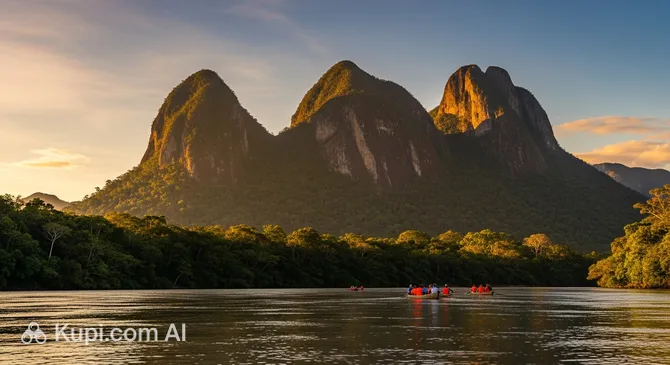
Inirida. Source: Kupi.Binoculars

With a population of approximately 30,000 inhabitants, Inirida maintains a small-town feel despite its administrative importance. The city is surrounded by water, primarily the Inírida River, and the climate is characteristically tropical—warm and humid year-round. Exploring the history of Inirida reveals a settlement that has grown from a remote outpost into a hub for eco-tourism and cultural exchange, deeply connected to the indigenous communities that call this region home.

The area is most famous for the spectacular Cerros de Mavecure, a set of three massive rock monoliths rising abruptly from the jungle floor, which provide unforgettable views and hiking opportunities. Another highlight is the Estrella Fluvial de Inírida, a magnificent confluence of rivers designated as a protected wetland of international importance. Visitors are also enchanted by the opportunity to spot pink river dolphins and exotic bird species in their natural habitat.

For travelers seeking an off-the-beaten-path adventure, Inirida offers a profound connection with nature and a warm welcome from its locals. Whether you are navigating its winding rivers or gazing up at ancient rock formations, a trip to this hidden corner of the country promises an experience unlike any other.

Weather Overview

Inirida experiences a tropical climate characterized by consistent warmth and significant humidity throughout the year. The temperatures remain stable, generally hovering between 25°C and 28°C, making it a destination where you can expect warm weather regardless of when you visit. The region does not have distinct four seasons, but rather fluctuates between slightly drier and wetter periods.

For those planning a trip, it is helpful to check the detailed weather in Inirida to pack accordingly. February tends to be the warmest month, with average temperatures reaching 27.8°C and highs up to 31.7°C, while July is typically the coolest, averaging around 25.6°C. Rainfall is a constant factor, with the number of wet days peaking between May and July, when travelers might encounter rain on up to 30 days of the month.

Interesting Facts

Beyond the stunning landscapes and river vistas, Inírida holds fascinating stories and natural curiosities that often go unnoticed by the casual observer. Here are some unique aspects of this remote Amazonian city:

  • The Eternal Flower: The region is the sole habitat of the Flor de Inírida, a unique plant species found nowhere else on Earth. These flowers are famous for their incredible resilience, adapted to survive both flooding and drought, and they are known as "immortal" because they keep their structure and color for years even after being cut.

  • From Obando to Inírida: The city was established relatively recently, in 1963, and was originally founded under the name Puerto Obando. It was later renamed to honor the area's deep indigenous roots, taking the name of a legendary princess from local folklore.

  • The Legend of the Princess: Local oral tradition tells the story of Princess Inírida, a woman of extraordinary beauty who is said to dwell within the sacred Mavecure Hills. It is believed that the unique flowers of the region grew from her tears, forever linking the land's flora to its mythology.

  • A Linguistic Mosaic: While Spanish is the official language, the streets are alive with the sounds of indigenous tongues like Curripaco, Puinave, and Sikuani. This cultural richness makes the city one of the most ethnically diverse municipalities in Colombia, where ancient traditions blend seamlessly with modern life.

How to Get There

Reaching this remote destination is an adventure in itself, primarily involving air travel due to its location in the Amazonian transition zone. For a detailed breakdown of routes and tips, you can read more about how to get to Inirida. Since the region lacks extensive road networks connecting it to the rest of the country, flying is the most practical and common method for visitors.

The city is served by Puerto Inírida (IATA: PDA), which is the main point of entry for tourists. Located just 2.7 km from the city center, this airport receives flights from major Colombian hubs like Bogotá and Villavicencio. Upon arrival, the journey to the downtown area is quick and convenient; a taxi or tuk-tuk ride typically takes about 5 to 10 minutes.

For those exploring the wider region, Puerto Carreno Airport (IATA: PCR) is another significant air terminal, though it is located in the city of Puerto Carreno, approximately 260 km away from Inirida. Due to the dense jungle terrain and lack of direct roads between these two cities, this airport is less commonly used for direct access to Inirida unless combined with complex river travel.

For clarity, here is a summary of the main airports:

Airport Name City Passenger Traffic Km from City
Puerto Inírida Inirida Medium 2.7
Puerto Carreno Airport Puerto Carreno Medium 260.4

Regarding rail transport, Inirida does not have any railway connectivity. The difficult geography of the Guainía department, characterized by rivers and rainforests, makes train travel impossible in this part of Colombia. Visitors should rely on air transport or river boats to reach the city.

Main Attractions

The undisputed jewel of the region is the majestic Cerros de Mavecure. Located approximately 50 kilometers south of the city, these three ancient rock monoliths—named Mavecure, Mono, and Pajarito—rise dramatically from the flat jungle landscape. Visitors can take a boat up the Inírida River to reach them and then hike up the Mavecure hill. The climb offers a breathtaking panoramic view of the winding river and the endless green canopy of the Amazon rainforest, a sight that is widely considered one of the most spectacular in Colombia.

Another natural wonder is the Estrella Fluvial de Inírida, a massive hydrological confluence where the Inírida, Guaviare, and Atabapo rivers meet to flow into the great Orinoco. Designated as a Ramsar wetland of international importance, this area is a paradise for biodiversity. Tourists can take boat tours to witness the distinct colors of the rivers merging and spot pink river dolphins, giant otters, and a vast array of bird species in their natural habitat.

For a refreshing and visually stunning experience, travelers should visit Caño San Joaquín. This small river is famous for its tea-colored reddish waters, caused by tannins from the surrounding vegetation, which contrast beautifully with the pristine white sand of the riverbed. It is an ideal spot for swimming in calm, cool waters while surrounded by pure nature, offering a relaxing break from the tropical heat.

To connect with the local history and culture, a trip to the Coco Viejo Community is highly recommended. Located near the confluence of the Inírida and Guaviare rivers, this indigenous community is home to the Parque Rupestre Amarrú. Here, visitors can admire ancient petroglyphs carved into the rocks, which tell the stories of the ancestors who inhabited these lands centuries ago. It is also a great place to purchase authentic handicrafts made by local artisans.

Local Cuisine

The local cuisine of Inirida is a fascinating reflection of its geography, blending the rich traditions of indigenous communities with the abundance of the Amazon rainforest and the Orinoco plains. Food here is deeply connected to the river and the jungle, utilizing fresh ingredients that are often smoked or boiled according to ancestral methods. For visitors, dining in Inirida is less about fancy restaurants and more about discovering authentic flavors that cannot be found anywhere else in the world.

River fish is the undisputed king of the table. The most iconic dish you must try is Pescado Moquiado. This preparation involves wrapping fresh fish—often catfish or bocachico—in bijao leaves and slow-smoking it over a wood fire for several hours. The result is a tender, flavorful meat with a distinct smoky aroma. Another staple is Ajicero, a traditional spicy fish broth that is typically served for breakfast or lunch, known for its restorative properties and intense flavor.

Accompanying these main dishes are ubiquitous cassava-based sides, which replace bread or potatoes in the local diet. Casabe is a large, crisp flatbread made from cassava flour, while Mañoco consists of roasted cassava granules often sprinkled over soups or eaten with water. For the adventurous eater, a drop of Catara is essential; this spicy sauce is made from cassava juice and wild bachaco ants, offering a fiery kick that is legendary in the region.

The drinks in Inirida are as exotic as the food, largely derived from Amazonian fruits. You will find refreshing juices made from Copoazú, Arazá, and Túpiro, which offer unique sweet and sour profiles. A traditional beverage worth trying is Mingao, a thick and sweet gruel often made from starch or plantains, serving as both a drink and a comforting snack.

The food culture is informal and communal. Locals and tourists alike gather at small, open-air eateries known as "asaderos" or visit the local market near the port to enjoy fresh catches of the day. The dining scene offers a genuine insight into the daily life of the Guainía department, where sharing a meal of smoked fish and casabe is a way of welcoming guests into the community.

Travel Tips

Traveling to Inirida is a journey into the heart of the Amazonian transition zone of Colombia, requiring a bit more preparation than your average city trip. To ensure your adventure is as smooth and enjoyable as possible, here are some practical tips to keep in mind before you pack your bags.

  1. Clothing and Gear: Due to the tropical humidity and insect life, pack lightweight, quick-drying, and breathable clothing. Long-sleeved shirts and long trousers are highly recommended to protect against mosquito bites and the sun. Don't forget a sturdy pair of hiking boots for trekking up the Cerros de Mavecure, and consider bringing a waterproof poncho, as sudden downpours are common.
  2. Transportation: Inside the city, the most common and affordable way to get around is by motocarro (a type of tuk-tuk). There is no need to rent a car, as the urban area is small. For visiting the main attractions like the rivers and rock formations, you will rely exclusively on motorboats (lanchas), which are usually arranged through tour operators.
  3. Finances: Cash is king in Inirida. While there are a few ATMs in the city center, they can occasionally run out of money or experience technical issues. It is strongly advised to withdraw sufficient Colombian Pesos (COP) in a major city like Bogotá before your arrival. Credit cards are rarely accepted outside of established hotels and tour agencies.
  4. Health and Safety: A Yellow Fever vaccination certificate is often required by airlines or authorities to enter the Guainía department, so keep it handy. Carry a high-strength insect repellent and sunscreen at all times. Pharmacies are available in the town center, but it is wise to bring a personal kit with basic medication, as specific prescriptions may be hard to find.
  5. Communication: Spanish is the primary language used for commerce and tourism, and English is not widely spoken. Learning a few basic phrases or having an offline translation app will be very helpful. Mobile signal is generally available in the city (providers like Claro and Movistar), but expect connectivity to drop significantly or disappear completely once you venture into the river areas.
  6. Local Etiquette: When visiting indigenous communities, always show respect for their customs and privacy. Always ask for explicit permission before taking photographs of people or their homes. A friendly greeting like "Buenos días" goes a long way in establishing a good rapport with the locals.
  7. What to Avoid: Do not buy souvenirs made from wild animal parts, feathers, or protected plant species, as this is illegal and harms the local ecosystem. Also, avoid drinking tap water; always stick to bottled or purified water to prevent stomach issues.
  8. Additional Tip: If you plan to buy the famous Flor de Inírida as a souvenir, ensure you purchase it from authorized artisans at the airport or designated shops. These flowers are protected, and taking them from the wild is strictly prohibited; buying from locals supports sustainable trade.

By following these simple guidelines, you will be well-equipped to navigate the unique environment of Inirida. Embrace the wild beauty of the jungle, respect the local rhythm of life, and enjoy an unforgettable expedition in one of the country's most magical corners.

Entertainment & Nightlife

Entertainment in Inirida is a reflection of its unique location in the heart of the Colombian Amazon-Orinoco transition zone. You will not find large commercial cinemas, opera houses, or sprawling amusement parks here. Instead, the "nightlife" is intimate, informal, and deeply connected to the local culture and the warm tropical climate. The city comes alive after the sun sets, with locals gathering in open-air venues to enjoy the cool evening breeze, listen to crossover music, and share stories over cold drinks.

The nightlife scene is concentrated mainly in the downtown area (El Centro) and along the streets leading toward the port. The atmosphere is distinctly casual; there is no strict dress code, and light summer clothing is the norm. For a taste of the local vibe, you can visit SOLO UNA pa' la sed, a popular bar known for its lively energy and diverse selection of drinks, making it a favorite spot for both residents and visitors to unwind. Another excellent option is Bunker Parrilla Café Bar, which offers a gastropub experience with a mix of grilled food, cocktails, and often live music on weekends, providing a slightly more upscale yet relaxed environment.

If you are looking to dance, the music in Inirida is a vibrant mix of Salsa, Vallenato, Merengue, and Reggaeton. Venues like Ibiza Bar or local "discotecas" near the city center typically stay open until around 2:00 or 3:00 AM on weekends. Prices are generally very affordable compared to major Colombian cities. Beer is the most common drink, but you will also find plenty of Aguardiente (an anise-flavored liquor) being shared at tables. It is important to carry cash (Colombian Pesos), as many smaller bars and late-night transport providers do not accept credit cards.

Regarding safety and logistics, Inirida is generally safe for tourists, but it is always wise to stay in well-lit, populated areas at night. The primary mode of transportation is the motocarro (tuk-tuk). These three-wheeled vehicles are ubiquitous and cheap, but they may stop running late at night, so it is a good idea to arrange a ride in advance or ask the venue staff to call one for you. Walking is safe within the main grid of the town, but avoid wandering into the outskirts or unlit roads after dark.

While the city lacks traditional daytime entertainment like large museums or malls, the cultural richness of the region fills this gap. The "museums" of Inirida are the living indigenous communities nearby, such as Coco Viejo, where you can witness ancestral traditions and petroglyphs. For a relaxing afternoon before the night begins, locals often head to the riverbanks to watch the sunset over the Inírida River, a natural spectacle that serves as the perfect prelude to a laid-back evening in this jungle capital.

Parks & Museums

In Inirida, the concepts of parks and museums are redefined by the region's geography and heritage. Instead of manicured city gardens and enclosed galleries, the city offers vast natural reserves and open-air archaeological sites where history is carved into stone. The cultural wealth here is not kept behind glass but is lived daily by the indigenous communities, making the entire area a vibrant, living museum of Amazonian traditions.

For a relaxing break within the urban area, the Parque Principal (Main Park) serves as the social heart of the city. It is a modest but lively gathering spot where locals meet in the evenings to cool off and socialize. The park is often adorned with statues or murals paying homage to the region's indigenous roots, including the legendary Princess Inírida. Just a short boat ride away lies the Reserva Natural Moru, a private nature reserve that functions as a magnificent ecological park. Here, visitors can walk along interpretative trails through the gallery forest, observing monkeys, butterflies, and the unique flora of the Guiana Shield in a protected, accessible environment.

While Inirida does not possess traditional indoor museums, the Parque Rupestre Amarrú in the Coco Viejo community is a must-visit open-air museum. This archaeological site features ancient petroglyphs carved into the granitic rock faces along the river, depicting geometric shapes and animals that offer a glimpse into the spiritual life of pre-Columbian inhabitants. Another cultural venue is the local Indigenous Market near the port. Acting as a gallery of living culture, this is where artisans from the Curripaco, Puinave, and Sikuani tribes display their intricate basketry, pottery, and woodwork, allowing tourists to appreciate and purchase authentic artistic expressions of the region.

Architecturally, the city is defined by its adaptation to the tropical climate, best exemplified by the Catedral de Nuestra Señora del Carmen. Unlike European-style cathedrals, this structure features a modern, open design with high ceilings and ample ventilation to cope with the humidity, reflecting the practical yet spiritual character of the community. It stands as a modest but significant landmark in the town center.

For a truly authentic local experience, head to Caño Vitina on a weekend. Located just a few kilometers from the town, this stream acts as a natural recreational park for Inirida's residents. Families gather here to swim in the tea-colored waters and enjoy picnics on the white sands, offering a perfect opportunity to mingle with locals and enjoy the "Amazonian beach" lifestyle.

Getting Around

The public transport system in Inirida is quite different from what you might find in larger metropolitan areas. There are no metros, trams, or large bus networks operating within the city. Instead, the primary mode of urban transportation is the motocarro, a three-wheeled motorized rickshaw similar to a tuk-tuk. These vehicles are agile, open-air, and perfectly suited for the city's small streets and warm climate, acting as the standard taxi service for both locals and tourists.

For travel beyond the city limits and to nearby indigenous communities, the "highways" are the rivers. Public transport here transforms into river transport, consisting of speedboats known as voladoras or larger cargo boats called botes. These depart from the main port and serve as the essential link to the surrounding jungle areas. While there are no scheduled "bus stops" on the water, these boats operate on specific routes or can be hired privately for custom trips to attractions like the Cerros de Mavecure.

The payment system is strictly cash-based. You will not find travel cards, tap-to-pay terminals, or mobile transport apps like Uber or Cabify here. Fares for motocarros are generally fixed flat rates for rides within the urban perimeter, which are very affordable. River transport prices vary significantly depending on the distance and fuel costs; collective boats have set fares per passenger, while private charters require negotiation. It is essential to carry Colombian Pesos (COP) in small denominations, as drivers often do not have change for large bills.

Tourists should be aware that transport availability decreases significantly after dark. Motocarros are abundant during the day, but it can be difficult to flag one down on the street late at night. If you are dining out or staying late at a venue, it is advisable to ask the establishment to call a trusted driver for you. Additionally, there are no ticket machines; you simply pay the driver directly at the end of your journey.

Given the compact size of the city center, walking is a viable and pleasant alternative for getting around, especially in the early morning or late afternoon when the heat is less intense. There are no formal car-sharing services or major car rental agencies available. While you might see locals on bicycles, formal bike rental shops for tourists are scarce, so most visitors rely entirely on walking and the ubiquitous motocarros to navigate the city.

Accommodation

Accommodation in Inirida is modest, functional, and deeply integrated with the surrounding environment. Travelers should not expect international luxury hotel chains or sprawling all-inclusive resorts. Instead, the city offers a selection of small, locally-run hotels, hostels, and guesthouses that provide a comfortable base for exploring the Guainía department. The focus here is on authenticity and hospitality rather than opulence, with most establishments offering essential amenities like air conditioning and private bathrooms, which are highly appreciated in the tropical heat.

The majority of lodging options are concentrated in the Downtown (El Centro) area. Staying here is the most convenient choice for most tourists, as it places you within walking distance of the main port, local restaurants, and the airport. This central location makes it easy to arrange transport with motocarros or meet with tour operators for river expeditions. For those seeking a more immersive experience, there are also eco-lodges and rustic cabins located on the outskirts of the city or near the riverbanks, offering a closer connection to nature and often including hammock areas for a true jungle experience.

When planning your stay, it is important to manage expectations regarding connectivity and services. While many downtown hotels offer Wi-Fi, the connection speed can be variable and may not support high-bandwidth activities like streaming or video calls. Hot water is not a standard amenity in all budget accommodations, though the warm climate makes cool showers refreshing. It is also common for accommodations to be part of package deals offered by local tour agencies, which often combine lodging with guided trips to the Cerros de Mavecure and other attractions.

Booking in advance is highly recommended, especially during the dry season (December to March) when tourism peaks. While some properties are listed on major online booking platforms, many smaller establishments still rely on direct reservations via phone or WhatsApp. Prices are generally affordable, ranging from budget-friendly to mid-range. Be prepared to pay in cash (Colombian Pesos) upon arrival, as credit card terminals are not available at every front desk.

Nearby Cities

For those planning a broader itinerary through eastern Colombia, Inirida is just one chapter of the adventure. Although road connections in this part of the country are virtually non-existent, air travel unlocks access to other captivating capitals and regions, allowing visitors to experience the contrast between the deep jungle and the sweeping plains as part of a wider regional tour.

A compelling stop for nature enthusiasts is Mitu, the capital of the Vaupés department. Located to the south, it shares the same lush Amazonian ecosystem as Inirida and is a prime destination for eco-tourism. Visitors here can explore the Vaupés River and immerse themselves in the traditions of local indigenous communities, making it an ideal spot for deepening one's understanding of the jungle's biodiversity.

To experience the culture of the "Llanos Orientales" (Eastern Plains), travelers can head to Yopal in the Casanare department. This city offers a dramatic change of scenery with its vast horizons and vibrant "llanero" traditions. It is famous for wildlife safaris, horseback riding, and spectacular sunrises over the savanna, serving as a bustling hub where you can witness the authentic cowboy lifestyle of Colombia.

City Population Distance (km)
Yopal 143,619 523
Arauca 96,814 470
Tame 53,266 510
Mitu 45,000 387
Aguazul 43,183 533

These destinations highlight the incredible diversity of the region, offering a mix of rainforest immersion and plains culture for the adventurous traveler.

Shopping & Souvenirs

Shopping in Inirida is a unique experience that differs significantly from the commercial retail therapy found in large cities. Instead of luxury boutiques or sprawling department stores, visitors will find a modest commercial scene focused on practical necessities and, most importantly, authentic cultural treasures. The shopping atmosphere here is informal and friendly, offering a rare opportunity to purchase goods directly from the indigenous artisans who create them, ensuring that your souvenirs carry a genuine connection to the Amazonian region.

The main commercial activity is concentrated in the Downtown area (El Centro). The streets here are lined with small, family-run shops known as "variedades," which sell everything from clothing and footwear to hardware and household supplies. A stroll through these bustling blocks reveals the daily rhythm of the city, where locals stock up on goods transported by river or cargo plane. This is the best place to find summer clothes, hats, and basic trekking gear if you forgot to pack something for your jungle expeditions.

Travelers should be aware that there are no shopping malls in Inirida. The city's infrastructure is designed for a population of around 30,000 people living in a remote transition zone, so you will not find cinemas, food courts, or international brand franchises. The retail experience is strictly local, characterized by standalone storefronts and open-air stalls rather than enclosed shopping centers.

The most interesting place to shop is undoubtedly the area near the River Port. Here, the local market serves as a vibrant hub where the bounty of the jungle meets the city. Early in the morning, you can see farmers and fishermen arriving with fresh catches and exotic fruits like copoazú and arazá. It is also a prime spot to find the Indigenous Market, where members of the Curripaco, Puinave, and Sikuani communities gather to sell their handmade crafts. This is not a tourist trap but a functioning market where commerce supports local livelihoods.

When it comes to souvenirs, Inirida offers items you cannot find anywhere else in the world. The most iconic gift is the Flor de Inírida (Inírida Flower). These "eternal flowers" are famous for keeping their shape and color for years. However, it is critical to purchase them only from authorized sellers, often found at the airport or specific craft shops, to ensure they were harvested sustainably and legally. Other wonderful keepsakes include intricate woven baskets made from palm fibers, traditional pottery, and wood carvings. For a culinary souvenir, pick up a bottle of Catara, the famous spicy sauce made from wild ants and cassava water.

Store opening hours generally follow the daylight. Most shops open around 8:00 AM and close by 6:00 PM or 7:00 PM, with some smaller businesses closing for a lunch break between 12:00 PM and 2:00 PM. Cash is the primary payment method throughout the city. While a few larger hotels or agencies might accept credit cards, virtually all shops, market stalls, and artisans deal exclusively in Colombian Pesos (COP). Ensure you have enough small denominations, as getting change for large bills can sometimes be difficult.

Tax-free shopping (VAT refund) is not typically available or practical for tourists in Inirida. The administrative infrastructure required to process such claims does not exist in these small local establishments. Visitors should assume that the price listed is the final price, although friendly bargaining is sometimes acceptable in the markets when buying handicrafts directly from the makers.
Reached the end of the page?

That means the route is fully explored