Support

Nicoya

About

Nicoya is the colorful heart of the eponymous peninsula, located in the sunny province of Guanacaste. Home to about 50,000 people, this city is ideal for those who want to see the real Costa Rica away from the noisy tourist centers. Surrounded by picturesque hills, mangroves, and rivers, it offers a sense of comfort and complete harmony with tropical nature.

There is no hustle and bustle of large metropolises here: life flows in the famous rhythm of pura vida. Nicoya is known for its calm and friendly atmosphere, and the peninsula itself is among the planet's unique "Blue Zones"—regions with the highest levels of longevity. Locals always greet guests with a smile, and the air is filled with the aromas of fresh coffee and tropical flowers.
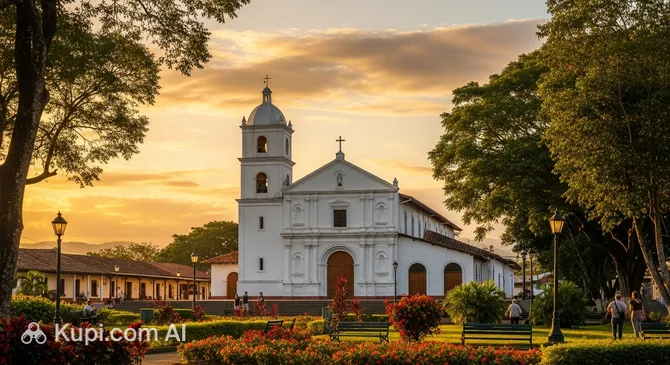
Nicoya. Illustration.
Source: Kupi.com AI

Strolling through the central streets, you will notice traces of the past, as this is one of the oldest cities in the region. The rich history of Nicoya is reflected in its colonial architecture and the main square, which serves as the center of social life. A visit to local markets will allow you to immerse yourself in authentic culture and try traditional dishes that cannot be found in all-inclusive hotels.

The city's surroundings are a true paradise for ecotourism lovers. Nearby are national parks where you can see rare birds and monkeys, as well as explore mysterious stalactite caves. Proximity to both the Pacific Ocean and the Gulf of Nicoya opens up excellent opportunities for beach holidays after forest walks.

Nicoya is worth visiting for its unique combination of cultural traditions and natural beauty. This trip will give you the opportunity to slow down, enjoy sincere hospitality, and understand why people here live such long and happy lives.

Weather Overview

The climate in this region is typically tropical, with a clear division into dry and wet seasons, so the weather in Nicoya largely depends on the month of your visit. It is warm all year round: night temperatures rarely drop below 22–23°C, creating comfortable conditions for evening walks.

Sun lovers should plan their trip for the period from January to April. This is the driest and hottest time: in March and April, the air warms up to 34°C, and rain is practically absent (in January and February, precipitation is usually 0 mm). This is the ideal season for beach holidays and exploring the surroundings without the risk of getting wet.

The rainy season begins in May and peaks in September and October, when the number of rainy days can reach up to 30 per month. However, the "green season" has its own charm: nature comes to life, and the daytime heat subsides to a more pleasant 26–29°C. Expect a sultry, dry start to the year and warm months with frequent but refreshing tropical downpours in the second half of the year.

Average monthly temperature

Average monthly precipitation

Interesting Facts

Beyond the main attractions, Nicoya holds many fascinating secrets, from geological wonders to the phenomenal longevity of its residents. Here are a few facts that will help you better understand the soul of this place:

  • World Longevity Capital. The Nicoya Peninsula is officially among the planet's so-called "Blue Zones." These are rare regions where people live abnormally long, often crossing the century mark in good health and sound mind, attracting gerontology researchers from all over the world.

  • Colonial Pioneer. Nicoya is one of the oldest cities that Costa Rica has preserved from the era of the conquistadors. The gem of the historical center is the ancient church, which is considered an important monument of colonial architecture and a symbol of the region's spiritual resilience.

  • Mysterious Underground World. Very close to the city is the unique Barra Honda National Park. Unlike the volcanic landscapes of the rest of the country, the main treasures here are hidden underground: the park is known for a complex system of deep karst caves decorated with ancient stalactites and stalagmites.

  • Guardian of Traditions. The city lives to the rhythm of colorful festivals where Catholic faith and the heritage of indigenous peoples intertwine. At local harvest festivals, you can see authentic Guanacastecan dances and hear live music that sounds the same today as it did hundreds of years ago.

How to Get There

There are various ways to reach this colorful corner of Costa Rica, but most travelers choose to fly to the nearest major transportation hubs followed by a transfer. You can find out more details on how to get to Nicoya by exploring all available routes, but the most convenient option remains using airports in neighboring cities.

The main gateway for the region is Liberia Airport (IATA: LIR), also known as Daniel Oduber Quirós International Airport. There is no airport in the city of Nicoya itself, so you will need to fly to the city of Liberia, which is about 51 km away. This is a major international hub receiving many flights. The trip from here to Nicoya by taxi or rental car takes about 1 hour and 40 minutes, offering scenic views of the Guanacaste province along the way.

If you are looking for a closer option, consider the local Nosara Beach Airport (IATA: NOB). It is located in the town of Nosara, just 29 km from the center of Nicoya. This is a small airfield serving mostly domestic light aircraft flights. The drive from here by car will take a little over an hour, but keep in mind that roads in this area can be unpredictable, especially during the rainy season.

For convenience, here is a summary of the main airports located relatively close to the city:

AirportPassenger trafficDistance
Nosara Beach15 00029 km
Liberia Airport1.6 mln51 km
Cobano Airport45 00063 km
Tambor Airport25 00066 km
Fortuna Airport13 000102 km

Regarding rail connections, it is impossible to reach Nicoya by train. In this region, as in most of the country, railways are not used for intercity passenger transport. The main alternative is the developed network of bus routes or renting a car, which gives freedom of movement around the picturesque peninsula.

Main Attractions

Nicoya is a city where history intertwines with natural wonders. Although many travelers pass through it in transit to the coast, it is definitely worth staying here for a while. This corner allows you to see a different side of a country like Costa Rica: colonial, authentic, and mysterious. Here are the key attractions to help you soak up the spirit of this place.

San Blas Church (Iglesia de San Blas). This is not just a building, but a true icon of the city and one of the oldest preserved churches in the country. Built in the colonial style, the church has survived many earthquakes, but thanks to careful restoration, it has retained its grandeur. Inside is a small but interesting museum of religious art. It houses ancient artifacts made of copper, silver, and gold that tell the story of the spiritual life of the first Spanish settlers and their interaction with the local culture.

Barra Honda National Park (Parque Nacional Barra Honda). Located just a few kilometers from the city, this park offers a unique experience for adventure seekers. Unlike the volcanic landscapes of other regions, the main treasures of Barra Honda are hidden underground. It is an extensive system of limestone caves with bizarre stalactites and stalagmites. Tourists can descend into the underground halls accompanied by a guide, while trails on the surface lead through the dry tropical forest, home to howler monkeys, anteaters, and deer.

Recaredo Briceño Park (Parque Recaredo Briceño). Nicoya's central square is the heart of social life and the perfect place to relax after excursions. The park is nestled in the greenery of huge trees that provide saving shade in the heat of midday. Here you can feel the true rhythm of the city: locals come here to discuss the news, street musicians play marimba melodies, and stalls with traditional snacks operate nearby. This is an excellent location to observe life in the "Blue Zone" of longevity.

Local Cuisine

The cuisine of Nicoya is a true gastronomic adventure, where the main ingredients are freshness and simplicity. Here, as in the rest of Costa Rica, food is considered a source of health and longevity. The basis of the local diet consists of corn, beans, rice, and seafood, and culinary traditions are passed down from generation to generation, preserving the authentic taste of the region.

A great way to start getting to know the local gastronomy is with the country's main breakfast—gallo pinto. This is a hearty mix of rice and black beans seasoned with aromatic spices, traditionally served with fried plantains, eggs, and homemade cheese. For lunch or dinner, locals prefer casado—a large plate that harmoniously combines rice, beans, salad, and fried meat or fish, complemented by fresh vegetables and tortillas. Seafood lovers must try ceviche: the freshest fish marinated in lime juice with onions and cilantro.

Local markets are the perfect place to feel the city's food culture. Here you can not only buy exotic tropical fruits but also try street snacks. Corn cakes called tamal de elote and traditional sweets like milk fudge known as cajeta de leche are particularly popular. Food here is not just about satisfying hunger, but an occasion for socializing, which is why the markets are always full of life.

Among drinks, the king of the table on a hot day is horchata. This refreshing non-alcoholic drink is made from rice with the addition of cinnamon, and it is perfectly toning. Culinary festivals are often held in Nicoya, where chefs share their secrets, turning food preparation into a true art that unites locals and guests of the city.

Travel Tips

Welcome to the heart of the longevity "Blue Zone"! To make your trip to Nicoya as comfortable as possible and to help you truly soak up the relaxed philosophy of pura vida, we have prepared a list of important practical recommendations specific to this region.

  1. Clothing and Equipment. Given the hot climate of Guanacaste province, opt for loose clothing made from natural breathable fabrics such as cotton or linen. Be sure to bring a hat and high-quality sunglasses. Comfortable open shoes are suitable for walking around the city, but for excursions to the Barra Honda caves, you will need closed-toe trekking sneakers. If you plan to visit the historic San Blas temple, follow a modest dress code: shoulders and knees should be covered.
  2. Transport Nuances. The city itself is quite compact, and its historic center is best explored on foot. Public transport is represented by buses connecting Nicoya with the beaches and neighboring towns, but schedules can be flexible. For maximum freedom of movement around the peninsula, it is recommended to rent a car; during the rainy season (from May to November), it is better to choose a 4x4 SUV, as rural roads can be washed out.
  3. Money Matters. The official currency is the colón, but US dollars are accepted almost everywhere. However, you will likely receive change in the local currency, so keep a currency calculator handy. Large supermarkets and restaurants accept cards, but for purchases at local markets ("ferias") and in small cafes ("sodas"), always have cash with you. A 10% service charge is often already included in restaurant bills, but leaving a little extra change is considered good manners.
  4. Health and Safety. Costa Rica is a safe country, but in Nicoya, you should follow basic precautions: do not leave valuables in a rental car in plain sight, as this is the most common type of theft. The sun here is very strong, so SPF 50+ sunscreen is a must even in cloudy weather. Pharmacies (Farmacia) are common, but few are open 24 hours, so it is better to pack a personal first aid kit in advance.
  5. Language and Communication. Although English is spoken in tourist areas, Spanish is the main language of communication in the city of Nicoya itself. Locals will appreciate it if you learn a few phrases. For communication, it is most convenient to buy a local SIM card (operators Kolbi, Liberty, or Claro)—coverage in the city is good, and mobile internet works stably. The main application for communicating with local businesses and guides is WhatsApp.
  6. Local Etiquette and "Pura Vida." The phrase "Pura Vida" (pure life) here replaces "hello," "how are you," "thank you," and "goodbye." Use it, and you will immediately become one of their own. When entering a shop or boarding a bus, it is customary to say hello (Buenos días/tardes). Residents of Nicoya are very friendly but do not like to rush—be prepared for a measured pace of service.
  7. What to Avoid. Never raise your voice or show aggression in conflict situations—here this is considered the height of rudeness and will lead to you being simply ignored. Also, avoid walking through tall grass or untrodden paths on the outskirts of the city without shoes—in the tropics, there is always a risk of encountering insects or snakes.
  8. Advice for Early Birds. Life in Nicoya begins very early. The sun rises around 5:30 AM, and this is the best time for activity while the air is still fresh. Many shops and markets open early but also close early. Plan your business for the first half of the day so that after lunch you can enjoy a siesta, just like the local centenarians do.

Nicoya is a place where time flows a little differently, allowing you to slow down and enjoy the moment. Follow these simple tips, respect local traditions and nature, and this welcoming city will reveal its best sides to you, giving you a sense of true peace.

Entertainment & Nightlife

Nightlife in Nicoya is not about noisy metropolises with neon signs until morning, but rather a cozy immersion into the authentic "pura vida" culture. Here, entertainment has its own special, measured pace: locals like to gather in large groups to discuss news, listen to music, and enjoy cool drinks after a hot day. The main activity is concentrated around the city center and its main square, where lights come on in the evening and the doors of welcoming establishments open.

If you are looking for a place to dance and feel the energy of Latin American rhythms, pay attention to Club Ricuras. This is one of the most popular spots in the city, which comes to life as the sun sets. They play everything from fiery reggaeton and salsa to modern electronic music. The club attracts both young people and tourists wishing to dive into a real Guanacaste-style party atmosphere.

For a more relaxed evening, Restaurante La Fulana Cosa is ideal. This establishment is famous not only for its cuisine (especially pizza and Italian dishes) but also for its excellent bar menu. Live music often plays here in the evenings, creating a romantic and laid-back atmosphere. Try their signature sangria or original cocktails—it's a great place to start the evening before a walk around the city.

Sports fans and those who enjoy heart-to-heart conversations should check out Mascoyol Sport Bar. This is a classic local bar where you can always find ice-cold beer and broadcasts of important matches. The atmosphere here is extremely casual: there is no dress code, prices are pleasant, and the visitors are mostly locals, allowing you to see the city without tourist embellishments.

Safety in Nicoya is at a fairly high level, but at night you should stick to standard rules: avoid walking alone in poorly lit outskirts and do not display expensive gadgets. The city center around Recaredo Briceño Park is considered a safe zone for an evening promenade. If you stay out late, it is better to call an official taxi (red cars with a yellow triangle on the door) to get to your hotel.

During the day, entertainment in Nicoya is more cultural and educational. Be sure to stop by the House of Culture (La Casa de la Culture), which often hosts exhibitions by local artists and craftsmen. It is also worth just walking through the shady park in the center, enjoying the view of the colonial architecture and the tranquility of this ancient city.

Parks & Museums

Nicoya is a city where rich cultural heritage is organically integrated into the natural landscape. It is here that Costa Rica reveals its historical roots to travelers, offering not only educational excursions but also the opportunity to relax in the shade of ancient trees. Green zones here serve as a natural extension of the architectural ensemble, creating an atmosphere of comfort and harmony.

The heart of city life is rightfully considered Recaredo Briceño Park (Parque Recaredo Briceño). This is not just a square, but the main public space located right in front of the famous colonial church. The park is famous for its huge trees that form a dense green canopy, providing relief from the hot sun of Guanacaste province. Here you can observe the real life of the "Blue Zone": locals relax on benches, discuss the news, and in the evenings, live marimba music often plays.

For wildlife lovers, a mandatory point on the program is Barra Honda National Park, located in the immediate vicinity of the city. This is a unique natural territory protecting the only large complex of limestone caves in the country. In addition to exciting underground excursions, the park offers picturesque hiking trails through the dry tropical forest, where you can encounter howler monkeys, coatis, and many brightly colored birds.

The main guardian of the city's memory is the San Blas Museum (Museo de San Blas), located inside the church of the same name. The museum's exhibition focuses on sacred art and colonial history. Visitors can see ancient crucifixes, gold and silver items, copper artifacts, and church vestments from the 16th–18th centuries. The temple building itself is also an important "exhibit"—it is the oldest church in the country that has survived to this day.

Another important cultural spot is the House of Culture (Casa de la Cultura). This is a lively, dynamic space that regularly hosts exhibitions by local artists, photographers, and craftsmen. Here you can get closer to the art of the region, learn about the traditions of the indigenous Chorotega people, and, if you're lucky, attend a fascinating workshop or lecture.

As an insider tip, we recommend visiting the nearby village of Guaitil, which is essentially an open-air ethnographic museum. Local masters still create ceramics using ancient indigenous techniques, employing clay and natural dyes. This is a great opportunity to touch living history and see the process of creating unique items with your own eyes.

Getting Around

The public transport system in Nicoya is characterized by simplicity and the absence of the complex infrastructure typical of metropolises. Here you won't find a metro, trams, or trolleybuses. The city is quite compact, so the historic center is best explored on foot while enjoying the colonial architecture. For trips over longer distances or to the coast, the main means of transportation are buses and taxis.

The main transportation hub is the city bus station (Terminal de Buses), located near the municipal market. Regular flights depart from here, connecting the city with popular beaches on the peninsula, such as Sámara and Nosara, as well as with the administrative center of the province, Liberia. The buses are generally in good condition, but air conditioning is not available everywhere, so traveling with open windows on a hot day is common.

The fare payment system here is traditional and conservative. Electronic travel cards or mobile applications for paying for city transport are not used. Tickets are purchased for cash directly from the driver upon entry or at the bus station ticket offices if you are traveling long distances. It is extremely important to have local currency (colones) in small bills, as drivers often do not have change for large banknotes or dollars.

An important part of the city's transport life is official taxis. They are easy to recognize: they are red cars with a yellow triangle on the doors. All official cars are equipped with meters (locals call them "la maría"), and you should make sure the driver turns it on when you get in. If there is no meter, be sure to agree on a price before starting the trip. There are also unofficial private drivers ("piratas") operating in the region, but tourists are recommended to use the services of licensed taxis for safety and predictable fares.

For those who want maximum freedom of movement, the best alternative to public transport is renting a car. This is especially relevant if you plan to explore the surrounding national parks and remote coves where buses run infrequently. Several rental agencies operate in the city. Given the terrain and road conditions outside the center, it is recommended to choose a vehicle with high ground clearance or four-wheel drive (4x4), especially during the rainy season.

Accommodation

Nicoya, as the administrative and cultural center of the peninsula, offers tourists a completely different accommodation experience compared to the popular coastal resorts. Here, you won't find the massive "all-inclusive" chain hotels or luxury beach complexes that tourist-oriented Costa Rica is famous for. Instead, the city has cozy small hotels, budget hostels, and traditional guest houses that locals call "cabinas." This is a great opportunity to immerse yourself in the authentic atmosphere and see the life of the region from the inside.

The most convenient area to stay is the historic city center, located around Recaredo Briceño Park and the colonial church. By staying here, you will be within walking distance of the main attractions, supermarkets, and the bus station. This is a strategically sound choice for those traveling without a car or planning to use the city as a base for exploring the province. For lovers of peace and quiet, options on the outskirts are suitable, where you can find small eco-hotels surrounded by tropical greenery.

Booking Tip: Since the number of rooms in the city is quite limited, it is recommended to book your accommodation in advance. This is especially true if your trip falls during the "dry season" (from December to April) or during the dates of major local festivals, when pilgrims and tourists from all over the country flock to the city.

The price range in Nicoya is generally lower than on the coast. Budget and mid-range options prevail here. Travelers can expect simple but clean rooms with air conditioning and a private bathroom at very affordable prices. Major booking platforms work for most popular hotels, but many small family guesthouses still prefer direct booking or cash payment on site.

Nearby Cities

For those who want to explore the surroundings, Nicoya serves as an excellent starting point for day trips to several interesting nearby places:

Just 19 km from the city is Santa Cruz, which is often called the "folklore capital" of Costa Rica. This is the ideal place to dive deeper into the culture of Guanacaste province. The city is famous for its traditional festivals, marimba music, and cowboy flair. Here you can see real rodeos and try authentic dishes in local "sodas."

If you drive a bit further north, you will reach the city of Liberia, the administrative center of the region, known as the "White City" due to its colonial architecture made of white stone. It is not only an important transport hub but also a beautiful historical site with cozy streets. From here, it is convenient to reach the impressive volcanoes and waterfalls of the Rincón de la Vieja National Park.

For a change of scenery, you can head to the coast to the port city of Puntarenas. Located on a long sandy spit, it offers walks along the famous Paseo de los Turistas embankment. You should definitely try the local "Churchill" dessert here—a colorful mixture of shaved ice, syrup, condensed milk, and fruit, while enjoying the view of the ocean and fishing boats.

CityPopulationDistance
Santa Cruz55 10419 km
Nosara2 50028 km
Nandayure11 12128 km
Playa Samara2 50030 km
Puerto Carrillo4 00031 km

These nearby destinations provide an insight into the diverse culture and landscapes of the region.

Shopping & Souvenirs

Shopping:

General Overview. Nicoya is not a metropolis with giant malls and high-fashion boutiques, so shopping here is more utilitarian and authentic in nature. The city offers a calm atmosphere for shopping, where the emphasis is on basic necessities and products from local producers. For tourists, this is a great opportunity to purchase unique handicrafts and see the real Costa Rica away from the hustle and bustle and inflated prices of major resort areas.

Main Shopping Areas and Streets. The commercial life of the city is concentrated in its historic center ("El Centro"). The main shops and stalls are located in the blocks surrounding the central park and the Catholic church. Strolling along these streets, you will find many small family-owned shops ("tiendas") offering clothing, shoes, and electronics. The main road leading into the city is also busy, where larger supermarkets, pharmacies, and hardware stores are concentrated.

Shopping Centers. There are no large shopping and entertainment complexes in the traditional sense in Nicoya. Instead, small commercial plazas and passages are common here. These are compact shopping rows under one roof or in the open air, where clothing stores, mobile phone shops, and small cafes sit side-by-side. Such places are convenient for quick purchases but are not designed for long shopping strolls.

Markets. The real heart of local trade is the Municipal Market (Mercado Municipal). This is a colorful and noisy place that is definitely worth a visit to feel the spirit of the city. Here you can buy the freshest tropical fruits, vegetables, homemade cheeses, and spices at very affordable prices. In addition to food, the market sells souvenirs, kitchenware, and inexpensive clothing. It is also the best place to try traditional dishes in small, budget-friendly eateries located right inside the pavilion.

Souvenirs. Costa Rica is famous for its crafts, and Nicoya is one of the best places to buy authentic ceramics. The region is known for pottery in the style of the Chorotega Indians. Look for vases, plates, and figurines made from local clay and painted with natural dyes. Other popular souvenirs include high-quality local coffee, handmade wooden items, and bright hammocks that perfectly capture the relaxed atmosphere of the peninsula.

Opening Hours and Payment. Shops in Nicoya usually open early, around 8:00 or 9:00 AM, and close by 6:00–7:00 PM. On Sundays, many private shops may be closed or operate on a reduced schedule. Supermarkets and large stores accept credit cards (Visa, Mastercard), but for purchases at the market, in small kiosks, or when paying for a taxi, be sure to have cash colones with you. Dollars are not accepted everywhere, and the exchange rate may be unfavorable.

Tax Free. Although there is a tax refund system for tourists in the country, shops in small towns like Nicoya rarely participate in this program. Tax Free processing is usually only available at major international boutiques in the capital or at the airport. Therefore, you should not count on a VAT refund when shopping in Nicoya.

Reached the end of the page?

That means the route is fully explored